Tree Service Insurance: What Coverage Do You Need to Run Your Business?

Key takeaways:
Understanding the right insurance coverage is essential for protecting your tree service business, employees, and clients.
- Know which insurance types are required and recommended. Most businesses need general liability, workers’ compensation, and commercial auto insurance. Commercial property, equipment, professional liability, and umbrella insurance provide extra protection for higher-risk operations.
- Match your coverage to the services you offer. Tree removal, tree trimming, stump grinding, and storm work often require higher policy limits and more comprehensive coverage due to increased risk.
- Plan for insurance costs in your budget. Premiums vary by crew size, services, equipment value, and location. Having the right coverage prevents costly gaps and helps you price accurately.
- Choose policies carefully and review them annually. Work with insurers who know the tree service industry, verify your legal requirements, and update coverage as your business grows or changes.
- Lower premiums through good safety practices and organization. Investing in staff training, equipment maintenance, and accurate record-keeping can help you qualify for better rates.
Stay sharp on business protection and get the latest tips for service pros—sign up for the Jobber Newsletter.
Tree service businesses need proper insurance to operate legally, protect team members, and cover job site risks. From manning equipment to working at heights, insurance coverage is a core part of running a professional operation.
As a business owner, it’s important to know which policies are required and how to get the coverage you need without overpaying.
This guide breaks down the types of tree service insurance you need and the average costs of these policies. You’ll also learn how to choose coverage that fits your services.
What tree service professionals need to know:
What types of insurance do tree service companies need?
Most tree service businesses carry both required and optional small business insurance policies. Each policy protects their crew, equipment, or customers. Let’s take a closer look at the main types:
General liability insurance for tree service
General liability insurance protects your business if your tree work causes injury or property damage. It’s the core coverage most tree service companies carry and is often required before you can start a new job.
A general liability insurance policy typically covers:
- Property damage such as damage to a home, fence, driveway, or vehicle
- Injuries to non-employees, including homeowners, neighbors, or bystanders
- Completed operations claims, which include problems that arise after a job (such as damage caused by a falling limb days later)
General liability insurance does not cover injuries to you, your employees, or personal or company vehicles as a direct result of the job.
Many HOAs and commercial clients need proof of general liability coverage before you can start a tree trimming job.
Workers’ compensation insurance
Workers’ compensation insurance covers employee illness or injury because of their work. It pays for medical expenses, lost wages, and physical rehabilitation costs. For tree care professionals, workers’ compensation can cover injuries such as:
- Falls from ladders, lifts, or trees
- Chainsaw and cutting injuries
- Crush injuries from falling limbs or equipment
- Sprains, strains, and repetitive-motion injuries caused by physical labor
In most states, workers comp coverage is legally required when you hire employees, including full-time, part-time, and sometimes seasonal workers.
If you don’t have adequate workers compensation insurance, a single workplace accident or injury could expose your business to fines, lawsuits, and steep medical costs.
Commercial auto insurance
Commercial auto insurance covers vehicles used for business purposes. In tree trimming, this might include pickup trucks, bucket trucks, or trailers hauling tree service equipment.
Personal auto insurance policies usually don’t apply to work-related accidents. You need commercial auto insurance to cover collisions, vehicle damage, and liability. This also protects your business if a work vehicle ever causes an accident on the road or at a job site.
Commercial property insurance
Commercial property insurance protects your business if its physical location is damaged. Property coverage helps pay for repairs or replacement if buildings or on-site property are damaged by events like fire, storms, theft, or vandalism.
A commercial property insurance policy typically covers:
- Buildings you own or lease, including offices, workshops, or storage facilities
- Tools, machinery, and equipment stored at your location
- Office furniture, computers, and other business property
Additionally, some arborists choose a business owner’s policy (BOP), which bundles general liability insurance with commercial property coverage. This type of policy can also cover lost income if your physical operations are temporarily shut down after a covered event.
Equipment insurance
Tree service businesses rely on specialized tree trimming equipment that can be expensive to repair or replace. Equipment and tool coverage helps pay for repairs or replacement if your gear is damaged, stolen, or lost due to a covered event.
This type of policy covers tree service company equipment like:
- Chainsaws
- Wood chippers
- Stump grinders
- Climbing and rigging gear
- Aerial lifts or bucket truck equipment
- Hand tools (e.g., shears, axes, wedges)
- Ropes, and safety harnesses
- Cleanup equipment
Depending on the policy, coverage may apply to equipment stored in trucks, trailers, or at job sites, whether you own the equipment or lease it.
Pro Tip: Coverage terms, limits, and exclusions vary by insurer. Some policies require scheduled equipment or have limits on theft coverage, especially for items left in vehicles overnight.
Professional liability insurance
Professional liability insurance protects your business if a client claims your advice caused them financial loss. It’s sometimes called errors and omissions (E&O) insurance.
This type of arborist insurance coverage can be especially important if you:
- Provide arborist assessments, evaluations, or recommendations
- Recommend complete tree removal or preservation based on the health of a tree
- Offer consulting, inspection, or advisory services in addition to physical work
Say a client follows your recommendation and later claims it led to unexpected costs or property damage. Professional liability insurance can help cover legal defense and related expenses.
Commercial umbrella insurance
Umbrella or excess liability insurance provides additional protection when a claim exceeds the limits of your existing policies. It’s also known as gap insurance. Instead of replacing your current coverage, it provides extra insurance to cover the costs of more expensive claims.
This type of coverage is often used by tree service businesses that take on:
- Large residential projects, where property damage claims could exceed standard policy limits
- Commercial or municipal contracts, which often require higher liability limits to perform work
- High-risk tree removal jobs near homes, roads, or power lines that affect communities
Umbrella or excess liability coverage can be a smart choice if your work regularly carries more risk.
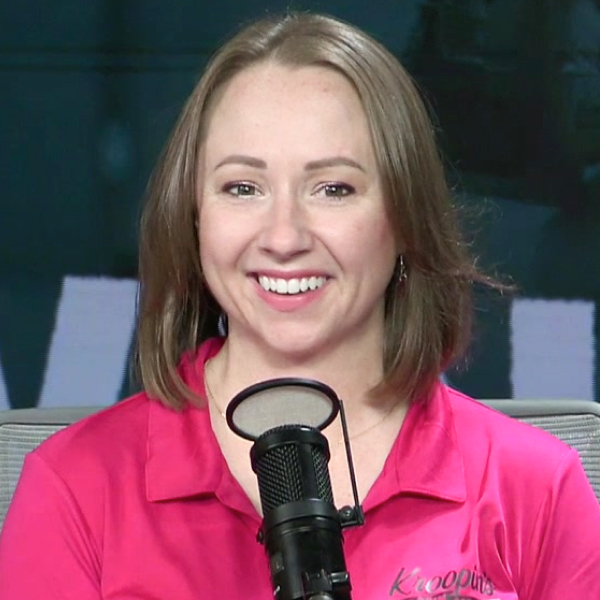
It was all fun and games until we had some accidents, and it’s like, Oh, do I have gap insurance? I really hope I have gap insurance.
Required vs. optional tree service insurance coverage
Tree trimming insurance requirements vary by state, business structure, and job type. Some policies are legally required. Others are optional but strongly recommended to protect your business.
Here’s what your required coverage may include and why:
- General liability insurance: Your work takes place on client property and involves real risk of accidental damage or injury.
- Workers’ compensation insurance: Tree service work is physically demanding and most states require policies for compliance with labor laws.
- Commercial auto insurance: Trucks, bucket trucks, and trailers used for work aren’t covered under personal auto policies.
Coverage that’s often optional, but strongly recommended, includes:
- Equipment and tool coverage: Stolen or damaged tools quickly disrupt jobs and create expensive replacement costs.
- Professional liability insurance: Arborist recommendations and assessments might expose your business to claims.
- Commercial property insurance: Owning or leasing a physical location for your business (where you meet customers or store important equipment) carries some level of property risk.
- Umbrella insurance: High-risk jobs may exceed the liability limits of standard policies.
Because requirements vary by location and the type of work you take on, it’s important to confirm what type of tree insurance is legally required where you operate.
You can Google “tree service business insurance in [your state]” or check your state’s labor or insurance department website. An qualified insurance company that specializes in service businesses can also help you confirm the right coverage before you take on new contracts.
Insurance requirements for different types of tree services
Certain tree trimming services carry higher risk, which can affect the coverage limits and policies you need. Refer to these general guidelines based on the services you provide:
Tree removal
Tree removal is typically the highest-risk service. Large falling limbs, heavy equipment, and working close to homes or structures increase the chance of property damage or injury. Higher liability limits and equipment coverage offer important protection.
Tree trimming and pruning
Trimming and pruning generally involve lower risk than full tree removals. However, tree trimmers still work at height and near homes, vehicles, and power lines. General liability and workers’ compensation coverage are most helpful for this type of work.
Stump grinding
Stump grinding comes with risks like flying debris and damage to underground utilities. Liability coverage and equipment insurance help protect your tree business if a job causes unexpected damage.
Emergency and storm response work
Storm cleanup and emergency tree care jobs come with the risk of unstable trees, limited visibility, and the pressure to get work done fast. These conditions increase accident risk. They may require higher coverage limits or additional policy endorsements.
How much is tree service insurance?
Tree service insurance costs vary based on your coverage, crew size, equipment, and location. Many tree service businesses pay around $138 per month (about $1,650 per year) for general liability insurance. Workers’ compensation and other policies will increase that total.
By some estimates, total annual tree insurance costs reach $2,295 to $2,699 per year. Costs are even higher for businesses with employees, vehicles, and heavy equipment.
Your tree service insurance cost is based on factors such as:
- How many employees you need to cover
- Services offered (standard versus emergency)
- Value of machinery and equipment
- Prior claims history
- Coverage limits and deductibles
- State insurance requirements
If you’re a solo operator or tree trimmer, you can usually expect to pay less than businesses running multiple crews and trucks.
Knowing your insurance costs up front also helps you budget confidently, price jobs accurately, and scale your tree care company without unexpected coverage gaps.
How to choose the right insurance coverage for your tree service business
Choosing the right insurance starts with understanding how your tree company operates. You need enough coverage to protect your crew, equipment, and customers without paying for policies or limits you’ll never end up using.
To choose the right coverage:
- List the services you offer, since higher-risk work like removals or storm response may require higher limits.
- Understand your required coverage limits, especially those set by your state labor laws or required by clients and commercial contracts.
- Review policy exclusions carefully to know what isn’t covered before an incident happens.
- Work with insurance providers who are familiar with tree services, not just general contractors.
- Review your coverage annually or anytime you add employees, vehicles, or new services.
I’m a big fan of having a local insurance guy.
You can get insurance online, but I’m a big fan of having a local guy who does your insurance. You can have him shop around and get you a better price.

Strong safety practices and organized operations protect your crew, support smoother day-to-day work, and help keep insurance costs manageable as your tree service business grows.
With the right coverage in place, you can take on more work and focus on building a reliable, professional tree service operation.
Frequently Asked Questions
-
Tree service businesses need general liability, workers’ compensation (for employees), and commercial auto insurance. Equipment coverage, professional liability insurance, and commercial umbrella insurance may also be necessary, depending on the services you offer.
-
A complete tree service insurance policy often includes liability coverage, employee protection, vehicle coverage, and equipment protection tailored to tree care work. It’s always a good idea to ask your state’s labor or insurance department which policies are required.
You can also check with an insurance provider that’s familiar with tree service businesses in the region you serve. -
First, secure the site and address any immediate safety risks first. Document the incident with photos, notes, and witness information.
Next, notify your insurance provider. Follow your insurer’s instructions closely, since many policies have specific requirements to meet. Keep clear records of the job and related communications, and avoid making repairs until your insurance representative advises you on next steps. -
Tree care insurance claims most often involve injuries from falls or machinery. Property damage claims could involve homes, vehicle-related accidents, and equipment theft. In situations like these, consistent safety practices and the right mix of liability, workers’ compensation, auto, and equipment coverage can protect you.