 30 Minutes
From 36 to 1,000+ Reviews in 12 Months
With Phil Risher


-
[00:00:09] Adam
Welcome to Masters of Home Service, the best podcast for home service pros like us. I’m your host, Adam Sylvester, and I want you to crush it in business. Today we’re talking about reviews. And if you’ve been thinking lately, like, man, I need to get some more, five-star reviews. Or, maybe you did a Google search of your competitors, and some of your competitors have more five-star reviews than you do, or they just have a better reputation than you in general online, then today is your day.
We’re gonna talk about that and help you generate more momentum in getting more reviews, and actually help you set up a process for getting reviews forever.
[00:00:43] Adam
Today, Phil, we’re talking about getting noticed. And Phil, you’re a great expert on this because you’ve helped a lot of clients get a lot of five-star reviews. You own Phlash Consulting, and you do a lot of consulting for small business owners like us. So tell us who you are and what you do.
[00:00:57] Phil
Yeah, Phil Risher, Phlash Consulting. I used to work at a home service business that had 36 reviews, and in the first year, they went to 1,000 reviews. Now I just checked this morning—4,631 reviews.
[00:01:08] Adam
4,000? Wow.
[00:01:10] Phil
It’s a process that is probably gonna surprise you, ’cause it doesn’t involve automation.
[00:01:14] Adam
Oh my gosh. Alright, well, I’m already intrigued. Let’s get into it. So let’s talk about this company for a minute, you’re talking about. When they had 36 reviews and that’s all they had. How was that hurting them?
[00:01:25] Phil
So when you look at Google’s search engine results page—when people search online for a service—in the map pack section that highlights your reviews, there are three qualifiers for ranking. The first one is your name of your business. The second one is your actual address, where you’re located. And the third one is your prominence, or the number of reviews. So if you were to do a search in your area and you have the name right, you have the location right, but you don’t have enough reviews—you’re not gonna be shown. Which is why reviews are so important.
[00:01:52] Adam
Yeah, it’s key. So if there’s someone out there who’s like, “I don’t have time for that, the online thing, I’m just gonna do my thing,” they can, but it’s really gonna hurt them, especially in the long term. They’re just not going to get noticed by Google.
[00:02:05] Phil
Well, the flip side to this is, let’s say, “Oh, I’m just word of mouth referrals.” Cool, yeah, people are gonna go and Google you to find your phone number, or even just to do a little research. 87% of people are doing their research on Google about home service businesses. So they’re gonna go there and see your Google Business profile with no reviews or that one star from the lady who was mad she was in the shower and you rang her doorbell, whatever it is. And that’s why you need to be proactive about reviews, so that way you have a good presence when they find you.
[00:02:28] Adam
Okay, so I think a lot of people were expecting you to be like, “Yeah, automate it, automate it, automate it.” And you said the opposite. So let’s hear, what do you mean by that?
[00:02:35] Phil
Yeah, so first off, I would say automations are better than nothing. They’re a catch-all. However, what we found with reviews is that the number one time to get a review is when you show them their perfect shining siding that you just pressure-washed, or their magical lawn care that you just did, whatever that is. That’s the time when you ask for a review. And one other piece of this is when they know your name—the technician’s name. They want to leave a review for that person.
And when you have automation, it waits to give them a text that seems like it’s from the business asking for a review. That’s why you need to not automate it, in my opinion, and have the technician ask for a review and build a relationship with the customer right at the time when they’re happy.
[00:03:18] Adam
When you eat at a restaurant, you don’t tip the restaurant—you tip the server. And our clients are no different. They have a connection with the technician. The technician’s been inside their home. They know them and they like them. And so if they say, “Hey, will you leave my company a review?” Yeah, sure, maybe. But, “Will you leave me a review?” Yes.
[00:03:42] Phil
So what we encourage our clients to do, and this is what we did to go from 36 to 1,000, there’s a bunch of steps, but I’ll give you the basic framework. When you go on site, “Hi, my name is Phil, I’m your technician today. I’m gonna be in your home doing this service. It’s my job to make sure I give you five-star service. If you ever have any questions or concerns, reach out to me, find me in the home, and I’ll solve that for you.” Then you go through, educate them, “Hey, check out what I found here, here’s some before and after pictures.” You’re building up the relationship.
Then at the end of the service, you say, “Hey Adam, I have two things for you as we close this out. The first one is, I’d really love if you could leave me a five-star review. It lets my boss know I’m doing a good job and it gives me recognition back at the shop. Do you mind doing that? You can scan this QR code here, or I can send you a link, no problem.” The other one, “We have an invoice here, how did you want to settle this up?”
[00:04:31] Adam
Okay, yeah, yeah. I think that asking at that moment is so important. And you can tee it up. Just like when you’re selling your services, you shouldn’t talk about price at the end for the first time. You should talk about it in the beginning and throughout the cycle.
The same thing is true for reviews. “Hey ma’am, it’s so nice to meet you. I’m here to give you five-star service. If there’s ever a point in the next hour or two that you may not give us a five-star review, maybe a 4, I want to know what it is—because I want to adjust immediately. If there’s ever a point where you’re just like, no, I’m not getting the five-star experience, I want to know and I’m hoping that never happens, but if it does…” You can phrase it differently, but you want to make sure you’re priming the pump so clients aren’t, one, surprised that when you ask them for one. Two, “Hey man, did you read any reviews before you chose us?” “Yeah, I read a couple.” “Great, they left a five-star review, aren’t you glad you they left one?” and then you need to do the same for the next guy.
[00:05:18] Phil
Let’s talk about a little bit of the tactical piece, ’cause I think people get stuck on this. There’s obviously automations out there, and I think you should do automations to have a catch-all, but I think you should also enable your technicians (or yourself out there in the field) to get the reviews.
What I recommend is: go to your Google Business Profile (google.com/business). Now, they actually have a QR code when you go to get your review link. They literally made a QR code ‘cause everyone wanted a QR code. So, now you can literally download that QR code straight from your Google Business Profile. Then, go to Canva and create a little postcard, something like that your technicians can hold out a little explainer, something like that is great. Or, just screenshot it on your iPad and just have it as your background or picture that you can just say, “Hey, can you scan this and leave me a review?” It’s very simple—doesn’t have to be challenging on this.
[00:06:03] Adam
Now what about incentives for technicians?
[00:06:05] Phil
This is the next layer to this. How do you build a culture and get that 36 to 1,000 reviews to 4,000 reviews and build this into your culture? And that’s exactly what we did, which I would say that’s more the catalyst to the growth of reviews, not just, you know, what I just shared with you. So what we did was we paid per review. So each technician, if the review mentioned their name in it, they got $10 per review. What we did was we gamified it. So we built out a pretty cool plan. And I’ll break it down for you. In the break room where they all go and they clock in with their fingerprint, we had a whiteboard. On that whiteboard, each technician had a little truck that had their name on it. Each time they got a review, they moved down the field to get to 100 points. So each review is 10 points or $10. Once they get to 100 points, 10 reviews, they get $100. Then what we did, just like if you ever played football, we put a little sticker on their helmet and we moved it back. So now they had one sticker on their truck and they got a $100 gift card. And what we did when they got to 10 stickers, so 100 reviews, we made a five-star plaque, quote on quote, on Canva. We had a template and I literally printed these out at Walmart and we hung them up on the wall in the breakroom, when they got to 100 reviews.
This is quick, but it’s amazing how this transformed our culture. I’m there one day at 6:45 am. This guy Joel, our workforce, we had 28 technicians, and most of them English wasn’t their first language. Joel, he was a lead tech and English wasn’t his first language, but we helped him, coached him through this process. He came in, he has his phone out, he takes a picture of that Canva graphic that I made. And I said, “Joel, what are you doing, man?” He’s like, “I’m sending this to my wife. She’s going to be so proud of me.” That is what you talk about culture and building an experience around reviews that people buy in and they want to get these reviews.
[00:07:59] Adam
I’m so glad you said that. That’s a great story. I have a similar one, whenever our technicians get promoted from either apprentice to junior tech, junior tech to technician, we hang a certificate on the wall and I learned that those guys want to take this certificate home with them too. So I actually started making two copies, two frames and so I could give them to take home and one to put up in the shop. What you’re describing is building a culture of people just wanting to get five-star reviews. It’s not about the automation, you can have the automation complement the culture. But the culture if what really drives a thousand reviews in a year.
[00:08:32] Phil
Exactly. And there’s other ways that did pay per lead as well. So what we did was had our customer service representatives, office manager, service managers, everyone bought in and we said, “Hey, when we hit 500 reviews, we get a pizza party for the office. When we hit 1,000, we’re all going to the escape room.” And everyone’s tracking this daily. The CSRs, if someone didn’t leave a review, on the next day calls, when they’re checking in to see how the service was, they’re asking them again like, “Hey, I didn’t see a review come through. Do you mind leaving us a review? It gives Joelle some good recognition on the back end.” We’re building this culture of reviews that people miss.
[00:09:00] Adam
Another thing that we do to promote is, we read every five-star review that comes through every morning at our meeting. Sometimes it’s three, sometimes it’s ten, but we read every single one. People cheer and say like, “Oh, nice one.” But it also reinforces to the technicians what matters to the clients. They were on time, they were friendly, they’re professional, they knew what they were doing, they had a nice van, they parked in the driveway, etc. And so when they hear it every Monday, it just reinforces the same thing. So the clients more or less say the same thing every time. They’re professional, good price, which I don’t love, but that kind of stuff. You know, “Oh, John was really professional,” and it reminds them, “Hey, I need to be professional. Oh, my shirt was tucked in. They liked that. Maybe I’ll keep my shirt tucked in.” And so, just really brings everyone together and celebrates. It also reinforces what matters to clients.
[00:09:56]
Phil, this is great. I’m gonna pause for a moment to talk about one of the features that Jobber actually uses that we were talking about right now. Jobber has a whole marketing suite, and one of those tools is getting reviews. And so, I know it’s important to have a culture of reviews, and that whole thing, automation helps a lot, right?
[00:10:12] Phil
That’s right. You’re at the person’s home—they got their baby crying, their phone’s ringing—they’re like, “Yeah, I’m going to give you a review. Don’t worry, I’ll leave you a review, but just let me get to it.” And then, of course, they forget. Which is why you should still have some type of automation capability inside your CRM and your customer journey that automatically happens for you. Jobber does that.
[00:10:28] Adam
That’s right. As soon as they pay the invoice, Jobber asks, “Can you leave us a five-star?” And so Jobber makes it really easy and it’s just really great. If you’re struggling to get five-star reviews, or you just need to automate it. Maybe you have a culture, but you don’t have an automation. Jobber can do all of that for you with getting reviews using the tool they have. So, go ahead and sign up. Go to jobber.com/podcastdeal. Get an exclusive discount and start automating review follow-ups today.
[00:10:55] Phil
I want to share a little bit of the importance of what these people are saying in their Google reviews, because what you don’t want is just someone to leave you five stars, right? When people are searching, they’re just going to look at the five stars and they’re going to bypass it. So, what you want to coach your technician or person to do is to have them put your name in there. And when they put their name i there, they have to write something in there. So they’re going to say, “Adam did a great job at cleaning my ducts.” And if you can arm them with before and after pictures, like through CompanyCam or something like this, now they can put these pictures on the reviews as well, which holds even more weight.
[00:11:26] Adam
Totally, yeah.
[00:11:28] Phil
You can take those reviews and turn them into case studies and blog posts for your website. Share them in newsletters. It also obviously helps you with search engine results to be shown, but it gets you from just a five-star review to actual words and pictures happening.
[00:11:42] Adam
Yeah, last year we got a negative review which happens every now and then. But the problem with this one is that there were photos attached to it. And Google loved that for some reason, so the relevance of that one review was off the charts. So for a couple weeks, it was the very first review anyone ever saw. I think it was like two-stars and these photos and I was just so mad. I couldn’t sleep at night. So one day, I was like guys, we’re going to drown this out with 10 reviews that are positive, five-stars with photos. I was like, guys, we’re going to do it. Go out there. “But Adam, we’re having a hard enough time getting reviews without photos.” I don’t care, we’re going to get them. Within three weeks, we had 10. ‘Cause I really pushed it. And the guys really enjoyed it like, “Ma’am, did you enjoy your service?” “Yeah.” “Would you write us a review?” “Yeah, sure!” “Will you post a photo in that review?” “Uh, yeah. I can do that.” The next level of reviews is like first a five-star rating, the second is like actually having content and writing something. And the third is a photo in there as well.
[00:12:42] Phil
I think people are probably about the 36 to 1,000 like, okay, well, great they had 28 technicians. Of course, they’re easy to get a thousand reviews. So I want to talk a little bit about the reactivation of people. Maybe you did service for the past 10 years, but you haven’t asked for reviews. So what do you? Because this is a very common one. So, what we recommend is take all these people, literally, you could text them one by one with a video or something else. It just says, “Hey, we did work for you a while back. Reviews are very important to us. Do you mind leaving us a Google review?” You could also send them an email. And this is another tip would be to have some type of giveaway. “We’re giving away a $100 Amazon gift card and doing a raffle for anyone that leaves a review this month about their service with us.” And it could be 100, 200, 300, whatever it is—pull the person, now you have a giveaway. And it’s a great way to reactivate all of your past prospects and customers, specifically customers, to get reviews.
[00:13:33] Adam
For all my lawn care buddies out there, I’ve got a hack for them. You know, when you’re doing weekly and bi-weekly mowing all season long, there’s not a natural time to ask for their review. Often the client’s not home, and it’s a very transactional thing, every week they’re there. So there’s not very much interaction. So at the end of the mowing season, when it’s all done. November, December, whenever that is for you, send out an email to all your clients that year and say, “Hey, did we do a great job? If we didn’t, please let us know.” It’s a little late then because it’s over. But that’s what I’ve always done because you might get a big surge of reviews all right then, because you weren’t asking throughout the season and that’s okay, but ask at the end.
[00:14:12] Phil
Okay, but Adam, I’m just starting my business. How do I get reviews? Who do I ask? I don’t have any customers. Let’s talk about that. So, presumably, you have done work for someone or helped someone in some capacity. So, a good way to do this, especially if you’re building B2B partners or learning how to do this service, is to go out and and do the service at a discount or free for whatever it costs. Ask this person, “Hey, one thing I can do this at a discount, but can you leave me a Google review?” Also, let’s say you buy a truck. That person that you bought a truck from, “Hey, Adam, would you refer me for your lawn care service?” “Yes, I would.” “Do you mind leaving me a review about your experience working with me?” “Yes, I would.” There are a bunch of ways that you can get reviews of people who would refer your business, that is not just customer interactions happening right now.
[00:15:01] Adam
That’s great. Yeah, I mean, your barber that you go to every single month should write you a review, or anyone that you know that has some sort of interaction that can vouch for you.
[00:15:14] Phil
If someone asked you a question about lawn care, gutter cleaning, and you have them a solution that’s going to help them solve their problem. That is service. You just didn’t charge them. You charge them with a review.
[00:15:26] Adam
I like that. Okay, another question I’ve got for you is, there’s this idea of like, don’t just ask your cousin for a review. Like systematize it. You know, this really gets me, actually, Phil. This is a big one. It’s like, I only ask people who I know we did a great job and they love us. Well, how many is that? How many people do you know? Let’s talk about that.
[00:15:48] Phil
Well, this is the whole part of not building it into your culture because you’re trying to be the hero or the business owner that everything runs through you and you know everything. If you have technicians that are bought in to getting great reviews and giving reat service, you shouldn’t even care about that because it’s on the technician to get the reviews because they’re going to get compensated accordingly.
We have a $2M home service business that we used to work with and he had 80 Google reviews, and we try, you know, put in these systems, processes, encourage him and everything. Get on a call, “Hey, what’d you get? What were your reviews?” “Well, I asked my cousin last week and he didn’t leave me one.” Dude, this is not a system that’s going to be growing your business. This is why you need to build this in your culture and build a system out that makes sense.
[00:16:28] Adam
On top of that, if your technicians know that every single client they serve is going to get asked for reviews, either our CSR is going to do a happiness call the next day and ask for a review. Then, we’re going to send out an automated email, automated text—it’s all baked in. If they know we’re going to do all that, then it compels them to do an even better job. It’s kind of like a resistance against average and mediocrity. Well, they’re going to check up on me, better do a good job.
[00:16:55] Phil
That’s right. And I can’t stress enough the pay-for-review model with your technicians. We would literally have technicians that’s like, “ My wife told me I have to get 10 reviews this week ‘cause she has to go shopping at Walmart to get this for Christmas or something like that.” And it’s like everyone gets what’s going on, and if you have a high volume of service, then you can make an extra $100 a week, $200 a week. And people are motivated by that, and their spouses are motivated by that, too.
[00:17:21] Adam
Let’s change topics a little bit and switch up the subject. I think generally speaking, we usually talk about high-volume services like lawn care, people doing thousands of jobs a year, versus the home remodeler or the plumber that might only do 200. Average job size is much bigger, and they just don’t have as many opportunities that are in review. Let’s talk to them.
[00:17:43] Phil
Yeah, huge opportunity here. We work with you know, large remodeling companies, literally home builders that build homes. So the big opportunity here for a lot of the remodeling companies is that usually the salesperson comes on site, sells the project, then their team comes in and does the work, but there’s never that final touch of walk-through, put our final stamp on this—all that. And what you really want for the salesperson is to have a consultative approach throughout and then come back in at the end. “Hey, want to make sure everything we talked about in the beginning is taken care of here. One way that helps people find us, you probably found us this way, was by going on Google and reading reviews. Do you mind leaving us a review?” A lot of times, they miss that piece, and they’re just on to the next sale. And you need to build that into your sales process, even from a compensation perspective or an expectation, like, you won’t get this if you don’t get this full stack.
[00:18:27] Adam
And I also think just to encourage them a little bit, too. Their competitors are only doing four houses a year or two. So it’s not like they don’t need thousands of reviews. They might even need hundreds, but 50 or 20 might be way more than their competitors have. It’s all correlated.
[00:18:40] Phil
That’s right. Well, the 10 subs that you work with, if someone asked them who should build your home, would they refer you? Yes, they should leave you a review. All your wholesalers, manufacturers, and anyone that’s sending you a deal—all those people would refer you, right? They should leave you a review.
[00:18:54] Adam
I love what you’re saying. If you’re relying on your client to leave a review, you’re only gonna get five a year. But if you broaden your search quite a bit and you’re willing to get other people involved in your business like that, I think that’s a great point.
[00:19:06] Phil
Absolutely. I think the biggest thing is just get that culture, the large sales volume tickets. You got to have that wrap-up at the end.
[00:19:12] Adam
Talking about creating a culture of doing this with your team, so every technician is really bought in and the CSRs are bought in—everyone’s involved. Let’s talk more specifics on that. I love the whiteboard that you had with the icon moving across the board to the finish line. That’s great. Any other tips on tracking or incentivizing, promoting?
[00:19:30] Phil
If you’re going to go the technician route and you want to build this culture and kind of have the scoreboard, leaderboard thing, the most important thing is to have it accurate and to have your technicians know to have confidence in those numbers. So, that company actually came out to my house about six months ago to do the duct cleaning at my house. And the technicians came, and they’re like, “Hey, we’re really trying to get a review. We’re actually only one away from hitting our 10. I need to get one on this, and then I’m going to get a bonus for reviews.” It sounds all fun, I could do this, but you’ve got to have the actual data dialed in.
We had one of our customer service representatives who was using a whiteboard in the back that said, “Okay, this month our goal it get to 700 reviews each day. Here’s where we’re at,” and then they would move everyone’s thing if here’s where you’re at, so people would know.
[00:20:18] Adam
You must have been very pleased seeing that, like years later, you know, you put the system into place and then they’re still doing it.
[00:20:23] Phil
Literally, 26 reviews to 4,000 reviews over seven years is like, pretty sick. And going from there. One other thing, if you’re thinking about opening another location for your business and you want to open another Google Business Profile, well, once you build this system, then you can drive all the next the new reviews to your new Google Business Profile. So, you can ramp that up much faster. Yeah, so with this business we work with, they open another location. All those QR codes and everything, we just pointed them over to the new Google Business Profile to get them up and running quickly.
[00:20:55] Adam
That’s great. So with the duct company, do they go out and just teams of one or teams of two?
[00:21:00] Phil
Two.
[00:21:01] Adam
Okay. So if both of their names are included, they both get…?
[00:21:04] Phil
They pay the lead tech and the helper as well, so they can both make money.
[00:21:08] Adam
If their names aren’t in it…?
[00:21:10] Phil
Yeah, because we’ve run into this. If their names aren’t in it, then the CSR can go back and look at what it is. But if they don’t write anything, then no.
[00:21:17] Adam
Oh, interesting. Okay.
[00:21:20] Phil
They have to write some information in there.
[00:21:22] Adam
I’ve never made that distinction. Because we incentivize our technicians as well and even if they just do a five-star rating, we still give them a bonus. We do $15 each and then $30 if their names in it. If I could go back, I do less. I put more than I could chew, but it is what it is.
[00:21:40] Phil
I think if you start at like $10-ish, then you can see what it is and maybe you can have like like—It’s July, we’re going to do a bunch of jobs, let’s bump that to $20, but then have the end date so that way you don’t get bought into it too much.
[00:21:52] Adam
Is it possible to hit the ceiling on reviews? Like once you get a thousand, I mean is 2,000 much better?
[00:21:59] Phil
So it’s kind of full circle when we think about Google search engine results page. If you do a search and you look and someone has 100 reviews, 200 reviews, and you have 4,000 reviews, it’s like, “Okay, bro, we get it. You’re the best. Like you don’t need any more reviews.” So that’s when you might look at creating another Google Business Profile in another city and opening another location and dominating that city from a local map perspective page.
[00:22:21] Adam
Or maybe switching to Nextdoor or Yelp, or Facebook and getting reviews there.
[00:22:25] Phil
So, Yelp, you can’t solicit reviews. So they don’t want you to send people there to leave reviews. Other platforms like Nextdoor, Facebook, those other ones—Facebook is Bing. They pull in the ratings on Bing. So there are other platforms. Google specifically, 87% of people go to Google, which is why that’s the number one platform. But yeah, you could go to other ones.
[00:22:45] Adam
Do you need fresh reviews? Like is a one-year-old review the same weight in Google as one from yesterday?
[00:22:51] Phil
This kind of plays in the AI search of things, so if you were to go to ChatGPT, search for your service in the city that you’re in, and then ask it how it came up with these results. One of the things that it’s going to say is relevancy and, most importantly, most recent information about your business or reviews. You don’t want to drop off on reviews altogether. I don’t know, but Google hasn’t said, oh, you have old reviews, they’re not going to show you or something like that. But what I do know is that they care about relevant reviews that are recent, that are real experiences with customers.
[00:23:19] Adam
There’s a reason when you go see reviews, they don’t show you four-year-old reviews. Usually, they show you ones that have been in the last few months. What about bad reviews? How do you handle a one-star?
[00:23:32] Phil
Man, we’ve got a lot of one-stars in our lifetime as a digital marketing company. We get the one-star notifications. A lot of the companies are like, I searched him, I found his background, I found his address. He’s terrible. I’m going to blow him up on this thing. It’s like, hold up, pump the brakes. The reason is because, as you mentioned, people are going to Google looking at reviews. So if your prospects see a bad review, and then they see the business owner going off the wall. They’re going to say, “Well, what happens if something goes south with my project?” How is this business going to react? Do they care about customer service or do they just want to prove their point?” And so, you have to look at this through the lens of my prospect is going to be reading this.
So what we recommend is two things. One, let’s say it’s FancyPants97, you don’t know who this person is. They’re not in your CRM. Literally say that, “Hey, FancyPants. Sorry you had a bad experience with our lawn care company. You probably don’t have the right one because you’re not in our system. I would be happy to help you solve this problem. Please contact our office because this is not how we do business, and I’m not sure who you are.” That’s a very easy response that you should put up there if you actually don’t know who this person is.” If you know who this person is and you did do a bad job, then you should own it and explain the situation and tell them, “We’ve done all of these things [list them] to try to remedy this situation, and we would be happy to speak more about this. Contact us here.” Most business owners don’t want people to say, “Well, if you don’t do this, I’m going to give you a bad review, I’m going to leave you a one-star review.” Like, “Okay, bro, leave me a one-star.” So you don’t want to be held hostage by one-star reviews, but you also need to hold your ground and think about this holistically as your brand.
[00:25:07] Adam
What about those reviews that come from non-clients? “Oh, they didn’t get back to me fast enough. They ignored my requests. They don’t offer my services.” You ever see those? Very frustrating.
[00:25:19] Phil
Those are frustrating. So, what you need to do is report them as not a customer, because you can report your reviews.
[00:25:23] Adam
How do you do that?
[00:25:25] Phil
On the review itself, there’s three dots, and you click the three dots and it says “Report,” and then it asks you why you want to report the review. So you review the review as not a customer. This one happens a lot: “Your truck was driving down the highway and cut me off and then he flipped me off, and he was so mad.” Like that happens all the time, right? So what you do is report it as “Not my customer” every single week and eventually they’re going to take it down because they’re not your customer.
[00:25:48] Adam
I am a big fan of learning from one-star reviews. If we made a mistake, let’s be real. Let’s improve our business because of it. I’m also a fan of sticking up for my company if we didn’t do anything wrong and they’re just cockeyed. So, I will stick up for my technicians all day long and say, “Don’t say that about my technicians. They bent over backwards to serve you. They did everything they could, and you’re just impossible to please. Don’t attack my technicians.” My technicians love that. You know, every year we get one or two-star reviews, and I will always back up my technicians. Now, I also want to learn from our mistakes. And so, my response might be different if we actually made a mistake. But I don’t like to put up with people slinging mud at my people, especially my office staff.
[00:26:30] Phil
I will say one very important thing about this because, that 36 to 1,000 reviews to now, 4,6000—they probably have two one-star reviews. Because what they do, and this is what I recommend, don’t just keyboard warrior. Pick up the phone, call these people, and say, “Hey, listen. I’m a local guy. I’m from this area. I understand you’re upset, trust me. What do I need to do to resolve the situation so that you feel happy about working with us? You left us a two. Can I get it to a four? Can I get it to a five? What do I need to do?” If they’re like, “Refund everything!” Unfortunately, that’s not going to work. I want you to know that I do care.
[00:27:06] Adam
Phone call almost always works. We’ve had a lot of one-star reviews come down because of that phone call.
[00:27:11] Phil
Exactly. Don’t just warrior it. Call these people. They’re your clients.
[00:27:15] Adam
I’m a fan of if you’re going to response to a one-star review, you’ve done everything you can to remedy it, you’ve done everything you can. It’s just not going to happen. Then, I like to sleep on it for a night, two nights, a week. Sometimes I’ve slept on it three weeks where I was ready. I was like, unemotional. Don’t do it within an hour because you’ll say something you regret.
[00:27:33] Phil
So there’s two part to this. The first thing is when you respond to the review, they get an email notification that you responded, and you get one shot at that. So, whatever you say, they’re going to get notified of what exactly you said, and you better make it good. The second piece though, is that if you leave it unresponded to, that’s worse because now people that are searching for your business and they read this one-star review, you don’t even care about customer service in their eyes because you didn’t even take the time to respond. So, it’s a double-edged sword with how quickly you respond because they’re going to see it versus you got to respond because your prospects are looking at this today, and there’s a give and take of things.
[00:28:11] Adam
At the end of the day, they’re part of business. You do the very best you can. Go drown it out with 10 five-star reviews and move on.
[00:28:19] Adam
Phil, I love this. I love talking about reviews. I think it was really helpful. I’ve got it boiled down to three actionable items that our listeners can actually do today, right now. Number one is build a culture of five-star reviews. Whether that’s using incentives and actually paying people to have their names and reviews, or celebrating and promoting when we hit a milestone or having a contest or a whiteboard. Those kinds of things really go a long way. Read the reviews out loud in your meetings and cheer when people get a really good one. All those things create a culture and that’s what really drives five-star reviews.
Number two is you can report bad ones that aren’t even from customers. So sometimes you just get a haywire review. You have no idea where it came from. Report is, three dots on Google, report, report, report. Not a customer, not a customer. And eventually it probably will come down over time. And number three is respond to every review, whether it’s positive or negative.
[00:29:13] Phil
Yeah Google actually literally puts this in their help doc. That review responses is one of the reason that they rank you beach it shows that you’re interacting with your customers. So you can actually automate this with ChatGPt to respond to four or five-star reviews and then one-star reviews. You can craft that on your own based on the conversation that you have with the customer when you call them.
[00:29:31] Adam
I use it and I love it. It saves me so much time in responding to all these reviews. We get so many reviews, you know. Phil, thanks for being here. You’re crushing it. How can people find out more about you?
[00:29:41] Phil
If you’re looking to get more reviews, trying to grow your business, you can go phlashconsulting.com—P-H-L-A-S-H consulting dot com. Click “Discuss Your Business.” We go through, we give you the recipe, sell the cooking. Happy to help you grow your business. I look forward to speaking with you.
[00:29:18] Adam
I can just feel your passion about this. I can feel that you really help serving people and the results that you got with the duct company was really awesome. So, keep it up. Really appreciate you being here.
[00:30:02] Phil
Yeah, man. Thank you.
[00:30:05] Adam
And thank you for listening. I hope that you heard something today that will help you take action immediately to get more five-star reviews. They’re really, really, important. I’m your host, Adam Sylvester. You can find me at adamsylvester.com. Your team, your clients, and your family deserve your very best. So go give it to them.
About the speakers
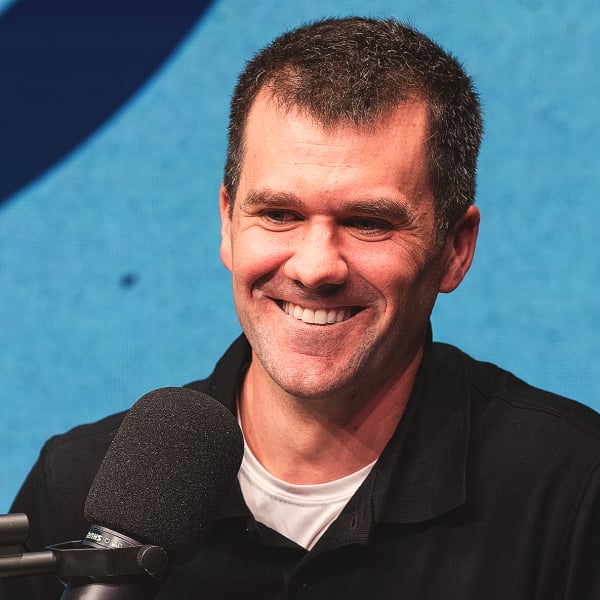
Adam Sylvester
CHARLOTTESVILLE GUTTER PROS AND CHARLOTTESVILLE LAWN CARE
Website: adamsylvester.com
Adam started Charlottesville Lawn Care in 2013 and Charlottesville Gutter Pros in the fall of 2020, in Charlottesville, VA. He likes to say, “I do gutters and grass! When it rains the grass grows and the gutters leak!” He got into owning his own business because he saw it as a huge opportunity to generate great income while living a life that suited him. He believes that small companies can make a serious impact on their communities and on every individual they touch, and he wanted to build a company that could make a big difference. His sweet spot talent is sales and marketing with a strong passion for building a place his team wants to work. Adam values his employees and loves leading people. While operations and efficiency is not something that comes naturally to him, he is constantly working to improve himself and his business in these areas.
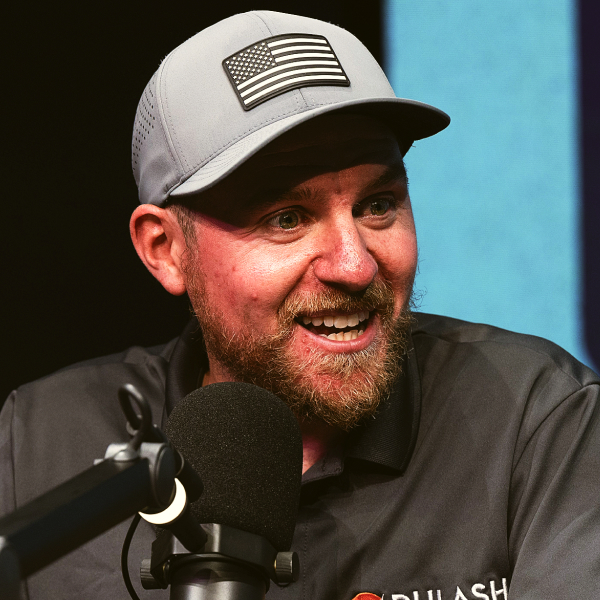
Phil Risher
Phlash Consulting
LinkedIn: Phil Risher
YouTube: @phlashconsulting
Website: phlashconsulting.com
Phil Risher founded Phlash Consulting in the Washington, D.C. Metro Area in 2019. He’s a local marketing expert, who specializes in helping businesses scale. His company helps local service businesses boost sales and fill their schedules using the unique “Phlash Customer Journey” framework to create a professional marketing system. This approach has helped clients grow their revenue by over 20% annually. Before founding Phlash Consulting, Phil was a director of business development at a major air duct cleaning company. He was tired of working with generic marketing firms that didn’t understand his industry, so he decided to start his own. Phil’s company combines digital marketing and business development strategies, and works directly with staff and business owners to help them grow. He builds strong partnerships with his clients, and most have stayed with him for over two years.

SIGN UP FOR PODCAST UPDATES
Get email updates on new episodes and podcast news.
You don’t want to miss out!
Interested in being a guest on the show?
Are you a home service professional eager to share your insights and experiences? Apply to be a guest on the Masters of Home Service Podcast, and join a community of experts committed to helping others level up through knowledge.
Other Podcasts We Love