 28 Minutes
5 Must-Have Qualities of A-Players (And How to Spot Them)
With Marco Radocaj and Rich Camacho


-
Adam (00:27)
Welcome to Masters of Home Service, the best podcast for home service pros like us. I’m your host, Adam Sylvester, and I want you to crush it in business. Are you having a hard time hiring top performers? Are you just settling for C-players? When you really just want to hire A-players? You kind of fly out the seat of your plans when you’re hiring, just asking this question or that question without any kind of plan. If you’re struggling to hire top talent, then you’re probably doing it wrong. My guests today are Rich and Marco. Rich, why don’t you start us off and tell us who you are?
Rich (00:55)
Thanks so much for having me. Rich Camacho, co-founder and CEO of BlueRecruit. We’re a platform that helps companies like Marco find job seekers and then helping those job seekers connect with quality companies across the skilled trades through all the U.S. and Canada.
Adam (01:12)
Bingo. Well, thanks for being here. I appreciate it. Marco, what about you?
Marco (01:13)
Alright, I’m the co-owner of Balance HVAC out of Vero Beach, Florida. We’re a new company, we’re about two years old. Prior to that I was hiring people for about five years and we’ve had really good success, and a lot of those guys that we hired before have come over to the new company and we just have a lot of loyalty and really great guys.
Adam (01:31)
Good. Well, I’m glad you’re here, and I think that a lot of our listeners are just wondering, what am I doing wrong? And so from your perspective, Marco, you go first. What do you see as the most common mistake that business owners like us make on a regular basis when they’re trying to hire top talent?
Marco (01:46)
I think it’s really hard and it’s a really common thing that you hear people say is that you can’t find good help these days. And I think that is putting the ownership and the responsibility on these people just existing who know exactly how you want things done and exactly how you want them done when you want them done. And there needs to be this process where you need to understand there’s this investment in this person. There are certain qualities that will help those people grow in that position, but it’s really something where you need to find somebody who has these core qualities, and then you can build upon those and kind of have them grow within your company. It’s really hard to find good people and not pay them and give them benefits, and really it starts at that area. It needs to be something that the employer offers, something that people want. And if people don’t want to work from you, people probably don’t want to buy things from you either.
Adam (02:30)
Yeah, so you would say look in the mirror first before you try to post anything online.
Marco (02:34)
100%. It can’t be something where it’s the kind of job description that you would just scroll through. It has to be something that pops, something that really kind of puts yourself in the light where they’re getting an idea of who you are as a company, who your team is as a company, and then just what the goals are. And there has to be a vision, there have to be goals. The goal isn’t to get this job. The goal is to get this job and grow and excel, and continue just to get better within whatever that trade would be.
Adam (02:59)
Yeah. Rich, what do you think? What’s the biggest mistake people are making?
Rich (03:02)
Marco, you absolutely nailed it there with telling the job seeker about yourself, but one of the big problems that I see every single day, and I’m sorry buddy. HVAC is like the worst at this. HVAC, y’all are the primadonnas of the skilled trades. The plumbers are just out there doing the dirty work. But one of the biggest problems that I see with business owners is that every single—we’re all proud of our companies. Every single one of us here, we’re a business owner. Everybody’s proud of what we’ve built, what we continue to build. However, they don’t treat the hiring of new workers like a sale. That’s exactly what it is.
Adam (03:37)
That’s right.
Rich (03:37)
Think about it. In the housing market a couple years ago, it was a buyer’s market, right? I’m sorry, seller’s market. You could basically post a shack, especially down in South Florida, you could post a shack and they’re like, oh, it’s $800,000, one bathroom, half a room. Like what? And it was just people had to do it. Right now, employment is a job seeker’s market. And employers have to realize that you not only have to put yourself out there, you have to sell your opportunities, and you’re not selling a job. A lot of small business owners think, oh, they should just want to work for me because my culture’s awesome, my company’s awesome. Nobody knows that. It might be true, and that’s great, but nobody knows that. And people really have to change their mentality. Just like when you’re out there trying to upsell a repair into a new unit where you’ve got to upsell and explain to that job seeker why it is they should come be part of your team and grow with you.
Adam (04:31)
Yeah. We spend so much money investing in marketing and advertising, and thousands of dollars every month in getting new leads, and then we’d spend $10 a month on Indeed, and we think that we’re like, why aren’t we getting new leads or new hires? And so we really need to change our perspective. I like what you said, we need to look at ourselves first. Both you guys said that, and make sure that we’re attracting, we’re attractive basically.
(04:56)
What do we have to be in order to be good employers that people want to work for, and how do we communicate that to people?
Marco (05:02)
I think it’s like Rich was saying, is where I think any business owner in the whole world, my business is the best, and I know all these reasons and it’s all in my head, and it’s this beautiful picture of this utopia little small business that works perfectly and it’s something that you need to be able to write down. It needs to be tangible, it needs to be something that somebody can read. And I know we spent a lot of time when we started Balance coming up with a mission statement and some other people that I worked with. How many AC companies have a mission statement? And then when you are interviewing new people or talking to people who potentially are going to work for you, is something that’s written down that they can see that it’s on our website. It goes back to our socials. When you come in and talk to me, I’m going to pitch that same story. Anybody that you would meet within the company that you see it every day, they go through it every day and they can vouch for that. It needs to be like everything. If you’re not measuring it, how do you know if you’re achieving it? It’s just this—It can’t be a vague goal. And I’m the best because I’m the best. We are the best because X, Y, Z and give those specifics. And then there’s that accountability to it too. If you have somebody coming in looking for employment and you’re telling them you do all these great things, it would just be such a bummer to not be able to follow through on that. It’s like you need to be able to, “Hey, I’m going to tell you all these great things,” I hope I can exceed ’em. I hope they get better than I pitched them to you.
And like you were saying, where right now it’s the people that are looking for the job. It’s their market. It should always be their market. How is it? There’s no way that any of this would ever work if it’s just one person running the show by themselves. You need to have these people on the street, especially the technicians, those are the people the customers see. And I could think I’m the greatest air conditioning guy of all time, but I’m not in the houses. It’s the technicians in the field. And those need to be people that have a reason to be excited about going to work. And it has to be more than just the job itself. It has to be the culture.
Adam (06:49)
Yeah. What do you guys think in terms of compensation and benefits? Are there certain benefits that tradespeople are looking for that really matter to them more than maybe somebody else? Anything that comes to mind on that?
Rich (07:02)
Yeah. One thing that’s really crazy is most people think of what’s the number one thing when someone’s looking for a new job that they’re looking for? Most business owners, when asked that question will say, oh, they’re looking for better compensation. Ever since COVID, we’ve been running a study for years now, but ever since COVID, compensation is actually the number three most desired single attribute when it comes to a job. The number one thing that trade workers are most looking for is flexibility in their schedule. And people look at that, what do you mean flexibility? You’re not going to work from home. It’s not like, oh, come in whenever you feel like it. But what’s interesting about what people look for, for flexibility—one of my favorite stories years ago, there was a mobile automotive shop of Maryland that was hiring a technician. They found ’em on our platform. They interviewed, connected, they loved each other. The one stipulation the technician had was, “Hey, every Thursday afternoon is my son’s lacrosse game. I will not miss my son’s lacrosse game.” So that business owner said, “Okay, hey, no worries. We’ll go ahead. You can leave at lunchtime on Thursdays. Come in an hour earlier, Monday through Wednesday, stay an hour later, make up that time. No big deal.” They went ahead, hired him. He actually still works there. That business owner created such incredible loyalty with that because next season, he might switch to Wednesday games, and they’ll readjust the schedule. But it’s that flexibility that people are really looking towards because at the end of the day, yes, we work because we need compensation, but we need to have that compensation to support our friends, our family, our loved ones. And then at the end of the day, that’s actually the single most important thing. By the way, health benefits are number two, do not wait 30, 60, 90 days, health benefits day one.
Adam (08:42)
So what do you guys think we should do if we can’t afford all that stuff? We’re brand new company, can’t afford PTO, can’t afford vacation, can’t afford health, all that kind of thing. Because I know there are a lot of listeners right now who are thinking, I just can’t afford all that. That’s thousands and thousands of dollars a year. What else can they do to attract? They can be flexible. What else can they do?
Marco (09:00)
I was going to piggyback off what he said is that exactly that flexibility is such an important thing. And I think in any, especially HVAC, but anything where you have an on-call or there’s seasonal type things where it’s really hot in Florida right now, we’re going to have some overtime. But when you see the guys that are making a lot of money within the trade, and again, that’s the perceived thing that is important, is how much money annually do I bring home? But if you’re working 60 hours a week, overtime is not a benefit. Overtime, there’s something that’s not managed correctly, whether you need to hire another person or be more organized internally, but overtime is not a benefit. So if you are compromising your free time, if you’re working 60 hours a week, 52 weeks a year, how important is work? I feel like that flexibility, it doesn’t cost anything. Flexibility costs, it’s about organization, communication, and really just having some compassion for the person that you’re working with and realizing this isn’t a technician, this is guy, this is Carlos, this is Miguel. These are people that I work with. They do things outside of air conditioning just like I do, and they need to be understanding with that. And that’s free. You can do that for free.
Adam (10:06)
Yeah, I think the listener needs to just understand that they need to try to give as much as they can, whether that’s just a little bit of flexibility or a lot of flexibility or a little bit of benefits and a lot of benefits. They need to figure out what their limit is and then give that to their people. What can we do that’s unique and special for our people? And then highlight that whatever that is in the job interview. And any more thoughts on that?
Rich (10:29)
One real quick thing before that is some people might not want to hear this, but it’s just reality. If you can’t afford certain benefits, if you can’t afford the PTOs, the health benefits. I think what’s more important at that point, re-examine, are you ready to start a business? Are you ready to even think about growing your business? I tell people this all the time, whether it’s to hire another technician, hire a salesperson. We see it all the time with HR coordinators, with recruiters. You’re not actually ready to take that step, and jumping into that step, we all know we’ll crush that business real quick, and that’s the fastest way to get your business shut down. So if you’re worried, “I don’t know if I can afford that,” you’re probably not ready and just keep chugging along. I see it with texts all the time like, “Hey, you know what? I know how to do all this stuff. Why don’t I just start my own business?” Well, do you know what kind of reserve you’re going to need? Don’t plan on a paycheck for the next 12 months. Are you ready for that?
Marco (11:23)
Yeah. The first year of a business is a nightmare. It’s horrifying. And I knew it was going to be horrifying going in. It was scarier than I thought, but this was the decision that we made as all of our employees. Day one, we’re going to have full health coverage, and we would pay for all of it. And yeah, it was very stressful. We didn’t have any money, but as this thing continues to work, those guys, they see the investment, they see that they matter, and I think that there’s this attitude, especially with something like air conditioning in Florida, there’s a lot of AC guys and the attitude is that these technicians are replaceable. Anybody’s replaceable, and if that attitude continues into your culture, you don’t have a culture.
Adam (12:02)
A bad culture.
Marco (12:04)
So it’s something where you need to have, whether it’s your 401(k), whether it is your health benefits, whether it’s your continued education. Whatever your benefits that are important to you are, they need to be something—it’s that North Star. Something that you’re not going to compromise on. It’s something that’s going to happen no matter what. And like you said, you need to plan for it. And if you can’t do it, you can’t plan for it, you probably shouldn’t. So well said with that.
Rich (12:29)
And I think you mentioned a whole bunch of different benefits that are out there. The benefits for each individual employee don’t have to be the same. We have had employees that want 401(k) matching. We’ve had other ones, especially the younger ones that don’t quite understand that 401(k) matching is the greatest free money you’ll ever get in your life. I’m like, are you sure you don’t want this? I’m just going to give you money. And they’re like, no, no, no. I’ll take more paycheck. I was like, you don’t understand the benefits of this, but hey, they’re individuals. They can make up their own choices. Your plans don’t have to be the same for everybody. We have a lot of employees, that they’re married, their spouse has a phenomenal medical plan and their spouse can cover them, the dependents of children. And so really just talk to these individuals during the interview, during the initial onboarding and figure out what’s important to you and then go ahead and customize that benefit package for them.
Adam (13:22)
This is a great conversation. I do want to pause for a minute to talk about Jobber. Top talent want great tools. They want to have good HVAC tools, and that’s software included. So how does Jobber, as one of your tools in your tool belt, how does that help you stand apart from the rest in the eyes of your candidates and your employees?
Marco (13:39)
I think the biggest thing is that you say when you’re bringing in these top techs, these are people who are working at a really high level within their trade. And again, what we do is in the attic, so nobody sees that for the most part. But how we use Jobber to kind of get rid of that, and so that everybody can see the craftsmanship and the care, is every job a one-off job, we’ll have a visit review form, and then a multiple-day job will have it daily review form. Those forms are going to let you know, here’s what we did today. Is it working? Yes or no? Here’s what needs to happen next, and here’s any additional notes that we might have, but we want to give you this good information. But the secret sauce is along with that review form, is that we’re posting a link from CompanyCam that’s going to show you the work that we actually did inside of your attic today. So it’s not this ambiguous duct that’s in your attic, and you have no idea what it looks like. We can show you the progress, we can show you the craftsmanship. And then those guys get to create their own content with these tools that the customers appreciate. And when the customers get to see those things, and it’s not just Miguel in the attic making a bunch of noise. It is, you see what he did at the end of the day, and I’ve been doing this for 15 years, and I still can’t believe what these guys are building and the spaces that they’re building, and then getting the results that they’re having.
So if you’re not giving these guys the tools to kind of flex their work that they’re doing every day at this high level that you expect, what are we doing it for? We want the customers to be able to see that and having that type of transparency and be able to show them how good of a job we’re doing in their attic—that adds value and that adds money, and you can charge more for this better product because people can actually see it. And it’s not just AC company one, AC company two, they both did the same thing. They didn’t. We did a better job and here’s a picture of every day of us progressing through it. Here’s the results at the end. And then those guys are very proud of the work that they did, and they should be rightfully so. And it’s nice to be able to show those things to the customers that add value to your top techs and then just add value to your customer, to your company as a whole.
Adam (15:35)
Yeah, I totally agree. And I also think that Jobber just makes it simple to give our team instructions. All the notes are in there, all the photos are in there, and it tells them where to go and how to call the client. Everything is all in one place so that he feels confident going to the client’s house. They have all the information they need all in one place. It really makes it easy to get the job done. If you’re not using Jobber, you need to. Less chaos and more order, and Jobber will help you do all that. Go to jobber.com/podcastdeal, get exclusive discount and start using Jobber today.
(16:06)
Let’s move on to the job description, the job posting. Do you guys have any secrets for our listeners to how to make a job posting more compelling and more effective?
Marco (16:16)
I feel like it’s really important to establish yourself and be very genuine throughout the entire process. I am an old football player, an old track athlete, so I’m like a meathead to the T. So the job description that I’m posting is really a team-oriented type of thing, but that is also in line with kind of how we’ve branded our culture. A lot of what we do is we want to make sure that we have problem solvers, not problem pushers. We want people that, when things get hard, we’re not running away from things, we’re not blaming other people because it’s always really easy to find 50 things that cause something to not work. But we need to find the people who are going to find them one or two things that will help this problem work. People that are patient, and it’s really just about finding people that you don’t mind spending time with.
I think as the employer, it’s my job to make sure that you have the tools that you need, the training that you need, and that you’re comfortable performing your day-to-day tasks. Emphasize communication. We need to make sure that you don’t mind coming in and learning Jobber, learning CompanyCam. Learning the things that we use to communicate with customers. I think that’s something that’s really overlooked, especially in our trade, is that we don’t have this really great communication and rapport with customers. There’s a lot of handwritten scratch notes on three floppy pieces of paper, but we want to change that, so we need to make sure that we’re clear about that at the beginning. We have different expectations on the job with your communication with customers. It really just comes down to being okay with working with other people and hot attics. It’s not always the best situation, but you need to find a way to make it the best of the situation and not let that kind of tempo dictate your culture, and find the people who want to come to work and have a reason to like work too. I think that’s really important.
Rich (17:53)
So full disclosure, for the last six years, I’ve led an effort to get rid of job posts. So on our platform we have zero job postings, zero job descriptions. I think that, specifically for the trades, it is a semi-outdated system of trying to find folks. However, with that said, if you’re using them, if you’re putting out there, a couple things that you definitely should do, put the actual, if it’s an hourly rate, put the hourly rate. If it’s a range, put a real range. Nothing drives me more crazy where I’m like, “Oh, this role is 30 to $150,000. Wow, one sounds fantastic. The other one sounds horrendous. Where do I fall in?” Put the compensation out there. At the end of the day, all you’re doing is saving time. Why bring people in that are well outside, well above, well below? Whatever it is that you’re offering, you’re saving everybody time.
Another thing is avoid putting in this endless list of these are the things we’re looking for.
Focus on the absolute go, no-go’s of the job. You know, residential HVAC, construction. You have to have a clean criminal record. Our insurance will not allow someone to enter a home that doesn’t have one. So if it’s an absolute requirement, put it on there. If you’re looking for CDL drivers, guess what? You have to have a clean driving record, things like that. If it’s not a hard requirement, that’s what the interview process is for. So allow those individuals to get into the process and don’t just shut the door on them by putting in what most of the time is arbitrary requirements that are going to lock people out. And one of the big things is you’re actually going to push out more women from applying to your jobs because it’s this crazy statistic. Most women will not apply for a job that they don’t meet 80% of the job description for, whereas men we’re in the 40’s. So we’re like, “I can probably figure that out,”, where women are like, “Nope, not for me.” But when you think about growing out your team, women make up 51% of the workforce. They’re 42% of the new skilled trade workers that have entered the workforce this year. You do not want to create job descriptions that are going to just lock out that huge group of potential workers.
Adam (19:59)
I think that I use a job posting to really clarify what the job is. I want people to know exactly what they’re signing up for. I want them to know, generally speaking, what the job is like and whether it’s a good company, because a lot of times it’s not the guy or the girl who is looking for the job, it’s the girlfriend or the boyfriend or the mom who’s like, “Hey, get out of the house. Go get a job.” And they see the ad, and so it helps them like, “Oh, this company’s legit.” So we had to communicate that stuff to them clearly and not just bark orders at them like, yeah, you better be good or else we’re going to fire you.
Marco (20:31)
And I think it’s really important. I do scan Indeed all the time. I do want to make sure that I am current with everything that we’re doing and that we are at the upper end of everything, because that’s just really important. But I think that, like you said, the job descriptions, those, especially in what I’ve read, get so long and ridiculous and open-ended. And if you’re applying for a job where you have this endless possible task to accomplish in a day, I mean, that’s somebody’s job. That’s a really important thing that you’re spending a ton of time away from your family. Things you want to do, it needs to be very specific, so you’re not selling them on everything. Like, who can do everything? You’re going to come in here and get really good at these tasks, then we’ll get really good at these tasks. We’ll keep moving up. But if you’re very vague and you just have this concept of what this kind of role is, that’s tough for both sides, for the employer and the employee.
Adam (21:18)
We’ve looked in the mirror to make sure that we’re a quality company that is worth attracting people. Then we’ve got a good job description, and now we’re actually doing interviews and we’re actually having, we’re kneecap to kneecap with these interviewees. What are the qualities that you’re looking for that makes someone a top performer, an A-player versus a C-player? What are those qualities?
Marco (21:36)
The first guy that we interviewed for Balance, he’s the one that kind of brought this to me where he just said it out loud. He’s like, “I love air conditioning.” And to be like that, it was kind of weird because you don’t just say that. I’m like, well, I do too. But I would never just say that to somebody, dude. But then it opens up that conversation. It’s something that I think is really important that you understand what they love about it, and then you can kind of tailor everything to making sure that they’re getting their wins, because not everybody’s wins the same. Everybody has different ways that they enjoy their job or the challenges that they like, and then you can put ’em in positions to actually succeed, and then they feel good about it. I think it’s just really a big win trade-off for both sides.
Rich (22:12)
Marco, you just had me thinking about Anchorman with “I love lamp”. That’s how your interview was. For me, it’s obviously time management. There’s all kinds of important things. Thinking like an owner, I’m sure we all see in the reels of the, “Oh, when I give a technician a Sharpie, they just forget it, throw it out when it’s their Sharpie. How good a care they take over it.” For me, the single biggest attribute, which is something that really has to be developed by owners, I have a military background, and what I always love about military veterans, by the way, vets make up about 11% of the skilled trades is something called implied tasks. I’m sure there’s tons of times where y’all will tell your employees, “Hey, we got to go do X project.” Well, yes, the project is this, but there’s that list of unstated things that have to happen, and it’s the ability for an individual to look at, “Hey, the refrigerant needs to be refilled.” Well, yes, the refrigerant needs to be refilled, but before you do that, you got to start checking pressures, making sure it’s the right refrigerant. Good luck trying to find refrigerant right now. But it’s all those implied tasks that I think are, it’s not a natural thing that most people have, and it’s really on the owner to start building that attribute into your workers. Once you do that, now you have techs out there that are able to upsell, they’re able to find those other issues in the projects, and probably the single best place where they’re going to come to you already is from the military, that is hammered in so hard amongst that community.
Marco (23:41)
This is just really funny that you brought that up at the military thing. This guy that I knew, he was a vet, and he was in charge of hiring, and he would keep a roll of paper towels with the last roll on it, just the last sheet with a stack of fresh rolls right next to it. And he would ask that guy for a paper towel, pull the last sheet off the paper towel roll, and then see if he would refill it. And it’s just like, hey, that’s the kind of guy, okay, next step, two-day process that we’re thinking about tomorrow, not just today type of thing. And I just think that was just another military guy. Those guys get it, for sure.
Rich (24:12)
Implied tests rather than having a guy whose hands are wet, refilling the paper towel, now ruining all the paper towels.
Marco (24:17)
Here’s the whole stack of paper towels. Refill it, man. So I think that was a great idea by him.
Adam (24:21)
I like Patrick Lencioni’s ideal team player, humble, hungry, and smart. You want to make sure that people don’t have big ego when they walk in. They don’t take themselves too seriously. They’re easy to get along with, right? That’s a humble. Hungry means that they want to work, they want to make money, they want to progress, they want to advance in their career, and they’re willing to do more than what you’ve asked ’em to do. They’re willing to work late sometimes, maybe work weekends and just, “Hey, I’m here to do whatever you need. Whatever you need from me. I’m willing to do it.” And then smart is less IQ, but more EQ, being able to read the room. Like when a client says they’re happy, but they’re not. You can tell, like John over here always comes in mad in the mornings, which isn’t okay, but it’s good to know. It’s important to just have that feel. And so humble, hungry, and smart is the way that we really—that’s our framework for hiring new people. We want to look for those three qualities in our candidates.
Marco (25:12)
And the way we say it is ripe, fruit is dead, green fruit is growing. And that you want people who, no matter how long you’ve been in the trade, there’s always more. There’s always more. You’re never at the end of this. This is like, honestly, if you get down into it, it’s like the nuts and bolts is physics. So you’re never at the end of this thing. And if you’re ever in this position where you think, I know everything, I need to know, you’re done. It will continue to grow, things will continue to change, and you’ll stay here thinking that I know enough, I’m good. And that’s, again, I think it really all just goes back to what is your culture? Do you prioritize that? Is that important every day with what you’re doing at your company?
Adam (25:48)
Yeah. One of my favorite things that we do in the whole interview process to make sure that people are on time people, is the more meetings you have, the more times they have to be on time. And so we have a phone review, they have to be on time for. We have an in-person review, they have to be on time for. And then we’ll do at least two ride-alongs, sometimes three. And if they live far away, we’ll do three. And sometimes that third one, they’ll be 20 minutes late. And then, nope, sorry, it’s the honeymoon period. If you’re not good now, you’ll be late every single time. You have to be on time now. And so that’s one little hack that we found that really helps. But if they’re 15 minutes early every single time, potentially five times in a row, that’s a really good sign that they’re not going to drag you along and be late half the time.
(26:32)
But yeah, this is great. Thanks, guys. I’m going to break it down to three actual items that people can do right now in starting today to help their hiring process. Number one is this whole concept of look in the mirror first. You want to make sure that you are an attractive business with a real opportunity. People are attracted to growing businesses, business that they have vision, and a place that they can come in and thrive. And you want to make sure that you have that you’re actually selling a great opportunity. Number two is you want to make sure that the person you’re interviewing has passion or a willingness to learn, just a good vibe that they’re going to come in and bring energy to the organization, and not just like another lackluster, “I’m just here for a paycheck,” kind of thing. And number three, make sure that they’re going to be on time by having lots of interviews, phone screen, phone interview, in-person interview, ride alongs—all those are ways to make sure the person’s not late. And if they are late, then it’s a no, really, if they’re late, no. If it’s not a hell yes, it’s a hell no.
Marco (27:27)
Absolutely. Amen.
Adam (27:29)
Well, you guys are crushing it. Keep doing it. Keep serving your people. How do you think people can find out more about you, Marco?
Marco (27:34)
They can go to our website, balance-hvac.com. It has links to all of our social, different interviews. Check it out.
Rich (27:41)
For us, go ahead and go to bluerecruit.us, and of course, all the different socials.
Adam (27:45)
Bingo. Thanks for being here, guys. I really appreciate it.
Rich (27:47)
Thank you.
Adam (27:48)
And thank you for listening. I hope that you heard something today that will make your whole hiring process more effective and more compelling to get more top performers. I’m your host, Adam Sylvester. You can find me at adamsylvester.com. Your team and your clients, and your family deserve your very best. So go give it to ’em.
About the speakers

Adam Sylvester
CHARLOTTESVILLE GUTTER PROS AND CHARLOTTESVILLE LAWN CARE
Website: adamsylvester.com
Adam started Charlottesville Lawn Care in 2013 and Charlottesville Gutter Pros in the fall of 2020, in Charlottesville, VA. He likes to say, “I do gutters and grass! When it rains the grass grows and the gutters leak!” He got into owning his own business because he saw it as a huge opportunity to generate great income while living a life that suited him. He believes that small companies can make a serious impact on their communities and on every individual they touch, and he wanted to build a company that could make a big difference. His sweet spot talent is sales and marketing with a strong passion for building a place his team wants to work. Adam values his employees and loves leading people. While operations and efficiency is not something that comes naturally to him, he is constantly working to improve himself and his business in these areas.
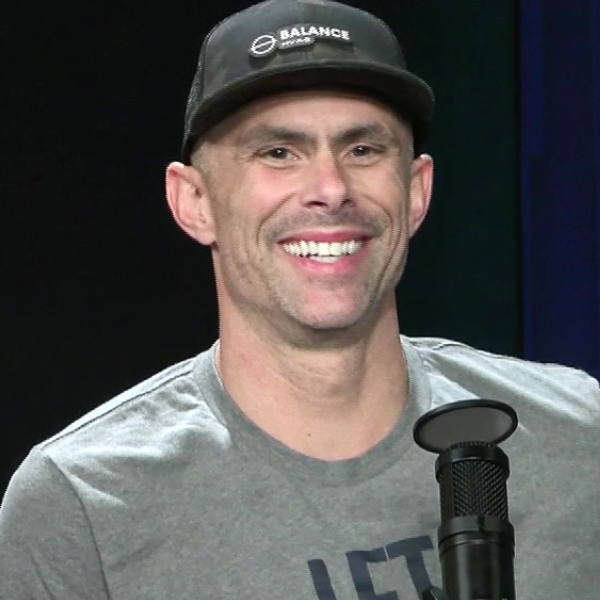
Marco Radocaj
Balance HVAC
Website: balance-hvac.com
Marco Radocaj is the owner of Balance HVAC in Vero Beach, FL. He began his career in the HVAC industry as a technician’s helper and steadily advanced to technician and general manager. After a brief departure to serve as Vice President of Home Performance for a leading contractor, Marco returned to the field to launch his own company—built on the insights and values he gained throughout his journey.
Today, Marco and his team are on a mission to elevate the standards of the HVAC industry and revitalize the importance of skilled trades.
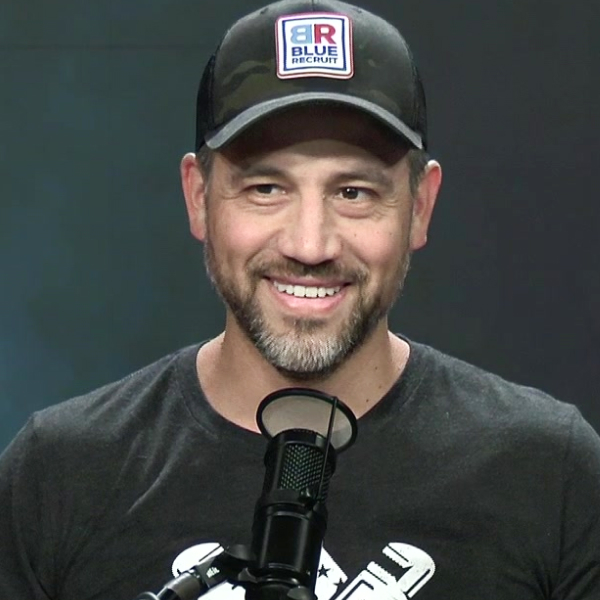
Rich Camacho
BlueRecruit
Website: bluerecruit.us
BlueRecruit is a direct hire software platform built for the skilled trades industry co-founded by Rich Camacho in 2019. BlueRecruit operates across all the US and Canada, and to date has helped nearly 100,000 Job Seekers build their careers with exceptional employers across North America.
BlueRecruit was born when Rich’s father-in-law tried hiring an autobody painter for his garage, but instead of skilled auto painters he received countless resumes for house painters. Rich knew there had to be a better way, which is why BlueRecruit connects talent without resumes or job posts.


SIGN UP FOR PODCAST UPDATES
Get email updates on new episodes and podcast news.
You don’t want to miss out!
Interested in being a guest on the show?
Are you a home service professional eager to share your insights and experiences? Apply to be a guest on the Masters of Home Service Podcast, and join a community of experts committed to helping others level up through knowledge.
Other Podcasts We Love