 32 Minutes
She 2X’d Her Revenue by Buying 3 Failing Businesses
With Savannah Revis


-
Adam (00:30):
Welcome to Masters of Home Service, the best podcast for home service pros like us. I’m your host, Adam Sylvester, and I want you to crush it in business. Savannah Revis is my guest today, and she is a house cleaning pro. She’s bought three businesses, even though they were all failing, she somehow managed to turn them into double her profits. We’re going to get into all that today, and hopefully you’ll learn how to buy company, maybe sell your business, all that today. This is Savannah. Welcome to the show.
Savannah (00:58):
Thank you.
Adam (00:59):
Yeah. Tell our listeners who you are, what kind of business you run, all that kind of stuff.
Savannah (01:03):
I own an eco-friendly, non-toxic cleaning business. We focus mostly on residential and short-term rental, so the Airbnb market, which is definitely our hottest. We also work with commercial clients that are like chiropractic offices, naturopath doctors, people that are on that path of trying to look for less toxins in their cleaning.
Adam (01:21):
Okay.
Savannah (01:21):
Yeah, we’re based out of Colorado.
Adam (01:23):
Okay. So a chiropractor office is technically commercial, but it feels more like a house almost.
Savannah (01:29):
Yeah, it’s small. Yeah, it’s definitely more personal. It’s small. I always tell people we don’t go into hospitals and places that really require those chemical certifications because we don’t use those products. And how would I train my staff on how to use them if we’re not currently using them on a regular basis? Or hard hat jobs like construction-type cleanup, where they have to have protective gear. We do do cleanup work after maybe some remodeling where there’s dust and stuff like that, but nothing where it’s metal and things hanging out from the ceiling and stuff like that.
Adam (02:04):
Okay. Okay. And how big of a chunk is your Airbnb cleaning of your business?
Savannah (02:09):
I would say it takes up about 50% of our market.
Adam (02:13):
Wow. Okay. So about half your business is Airbnbs and VRBO and all that? Yeah. Okay, and do you like those?
Savannah (02:18):
We love them. That’s my specialty, so I’m actually known for it because the way that it even started was I was cleaning residential houses, and I got a call from a property manager. This was back in 2016. Airbnbs were kind of new at the time. They weren’t super popular. I had personally never stayed in one, and she asked if I could come clean it. I didn’t know this lady. She said, I have a checklist for you. I was like, Okay, why not? I showed up, realized really quickly that the people that had been cleaning her Airbnb weren’t doing a very good job because of the buildup, because when you’re in a residential home, you see how long it takes a family to have buildup, and then you go into an Airbnb and you’re like, How is this possible after a two-night stay? I told her via phone and sent her feedback. After the clean, it was supposed to be an hour, it took me three hours to get that place in better shape, and three and a half weeks later, she called me and said, I know this sounds crazy, but do you want to hire people to clean my Airbnbs and you can manage them?
Adam (03:19):
Interesting. And it started off okay.
Savannah (03:22):
So we love them because they’re kind of the really big backbone and the bread and butter of how it all happened.
Adam (03:29):
Do you have to charge less to get them or anything, or?
Savannah (03:32):
The profit margin’s definitely lower on short-term rental, depending on what market you’re in. If you’re at the beach, you have a tendency to be able to charge more, but there’s a lot more that goes into cleaning those homes with sand and then the extra laundry, because a lot of the time the towels are double. They might have robes, they might have this, might have that for the guests. So it really just depends on the property, but you have to think about if you’re cleaning a residential home, the cadence of that is usually going to be no more than two times a month.
Adam (04:04):
Okay,
Savannah (04:05):
So what’s the profit margin on that versus if you turn your Airbnb 12 times in one month? Right. You’re going to eventually make more off the short-term rental, than you would the residential because it’s a more frequent job.
Adam (04:15):
Gotcha. It’s more stable too.
Savannah (04:17):
Yeah, it’s more stable too for the team, right, because it’s a more consistent thing coming in. Obviously, we have our seasons where I tell the team, get ready, it’s going to slow down, but Sundays and Mondays we’re still looking at 50 Airbnbs a day.
Adam (04:32):
Okay. I want to get into the buying of the businesses and the client lists and all that kind of stuff. Before that though, give us a little bit more of a bigger picture of your business. What’s your revenue? How many people do you employ? Are they 1099? Are they employees? Just give us a little bit more meat to the bones of what your business is like.
Savannah (04:50):
Yeah, so we’re sitting at 1.3 million in sales. That was last year. This year we should be over that based on the, I guess projections right now, we definitely have continued to grow. I think this year’s been a little bit tighter for people from what we’ve seen. We’ve had more clients say they want to drop down on the cleaning because they’re cutting costs or they’re budgeting harder for something or somebody’s lost a job. We have a team of, I think it’s 56 right now.
Adam (05:23):
Wow.
Savannah (05:24):
So a lot of people.
Adam (05:25):
Part-timers? Full-timers?
Savannah (05:25):
So I let them decide because the happiest team is the team that feels like it’s their job too, and I’m just not controlling every little bell and whistle of their life.
Adam (05:38):
There’s no way it’s all full-timers.
Savannah (05:39):
No, we definitely have, I would say there’s probably 30, 40% full-time, and the rest is part-time. A lot of these people bounce back and forth between full and part-time, just depending on their schedules, their children. Their life changes, right, to get into, we work with sober living homes, rehabilitating women back into the workforce. We’ve been partnered with a few of them in the Denver metro area for God six years now, and I’ve seen a lot of success stories come out of that. We’ve also definitely had struggles with it, right?
Adam (06:13):
Sure.
Savannah (06:14):
But that’s the chance you take when you take chances on people and wanting them to be their best selves. And so I let them choose the 1099 as the way to go, because one, they can make their own schedule. They can write off a bunch of supplies, phone bills, things like that. We use Jobber as an app on the phone, so 1099. We do have two managers. One of them is located in Nebraska. She cleaned for the company for four years before she moved, and then I offered her that position. So she handles payroll, and she checks in with the team every morning to confirm their schedules and make sure that everybody feels good for the day.
Adam (06:51):
Cool.
Savannah (06:51):
And then we have our general manager, Tracy, who is literally my best friend and my soulmate when it comes to the business. I don’t know what I would do without her, and she kind of manages all the backend stuff for us.
Adam (07:04):
And what do you do?
Savannah (07:06):
I am the face of the business. I’m the one that calls people and talks to them. I handle the big issues when they come up and I oversee the operations essentially. I approve on stuff. I’d say every business owner is like, Oh, you want to be hands off eventually. And it’s like, yes, in a way, but this is my baby, and this is my 10 year baby. So I don’t want to just give it full reins to somebody else because I know that my heart and my soul is why it’s grown to the place that it is today.
Adam (07:39):
Without you, there is none. So 10 years in business. Congratulations. That’s pretty cool.
Savannah (07:44):
Thank you.
Adam (07:46):
Okay, so you bought a business, the three businesses you bought. Tell me more about those three situations.
Savannah (07:53):
So the first one we bought was another eco-friendly cleaning company in our area. I had known the woman for years, and she had been doing really well. I mean, honestly, the way she grew next to me as I had been in business longer, she did very well, and I was very impressed with the way that she was able to market and the way that she was doing her marketing. And I never really did marketing. Everything for me was word of mouth. We have 250 Google reviews, and I just started running ads for the first time three months ago in my life, everything has been built by word of mouth and people talking. And she was in a position where I did not know this going into it, I thought just buying out the business. And then once I got the numbers, I realized what was truly happening, and the staff had not been paid. There were several cleaners that needed thousands of dollars of payments made to them.
Adam (08:47):
And you had no idea.
Savannah (08:49):
So when I found that out, and after I did talk to a lot of the team that had been working out of this business, I really realized that I just needed to pay her team off. And then that would be the payment for the company because of how things had kind of fallen apart for her. Right.
Adam (09:05):
Wow.
Savannah (09:05):
There wasn’t a lot of vacuums. There wasn’t a lot of supplies coming to us. There wasn’t a lot of property that was worth anything. It was more the clients and the fact that they were already falling under that eco-friendly, non-toxic.
Adam (09:17):
Brand. Yeah, yeah.
Savannah (09:18):
Which was good because a lot of the clients that we have come from independent cleaners that we’ve bought out their client list, those people weren’t using non-toxic. And so the switch has been, it’s been harder, and you have to actually work with these people to teach them why we clean this way, how it’s just as good as their bleach and their Lysol and whatever else.
Adam (09:38):
Well, they’re used to coming home and smelling bleach, but they don’t smell, so they think it’s not clean.
Savannah (09:43):
Exactly. So if they don’t smell this light chemically smell, they think, Oh, it’s not clean. But what they don’t realize is those things actually are very bad for your endocrine system. They disrupt your hormones, and that’s basically our control panel for our body. So it’s really important to me to bring products in that are safe. And if you have clients that don’t already align with that when you’re buying out a business, it can be kind of difficult. Right.
Adam (10:05):
Okay. So lots of unpack there. First business, did you discover that you owed all these employees money after the wholesale was complete?
Savannah (10:14):
No, it was beforehand. Yeah. She was upfront. She said, I haven’t been able,
Adam (10:18):
I’m not doing so great.
Savannah (10:19):
I haven’t been able to make these payments. I think it might be best if you just pay them off.
Adam (10:23):
And that’s all you paid for the business. Well, that’s a good deal.
Savannah (10:26):
It was a very good deal, and we were able to, I think, I guess the retention on those clients was around 80, 90%.
Adam (10:35):
That’s high.
Savannah (10:36):
So we did keep quite a bit.
Adam (10:38):
That’s high. But you released their brand. Their brand is no more.
Savannah (10:41):
Their brand is no more.
Adam (10:42):
You maintain your brand.
Savannah (10:43):
They were absorbed by Earth Love Cleaning’s brand. Right.
Adam (10:46):
Yeah. Okay. What did you learn from that, good or bad?
Savannah (10:49):
I learned that I run my business very differently than most people. And that your staff is number one important in taking care of them and making sure that they are paid and they are appreciated, and they know that you have their back. Because a lot of those people came to me very disgruntled.
Adam (11:11):
Did you lose any of them or did you keep all the staff?
Savannah (11:13):
We kept quite a few of ’em. Yeah, we did keep quite a few of them for a few years at this point. It’s been a while.
Adam (11:19):
Were they subcontractors? Were they employees?
Savannah (11:21):
They were also subcontractors.
Adam (11:21):
Is that common in house cleaning?
Savannah (11:23):
I guess you would be amazed. It’s really common. And the reason is, I think the main reason is is because of the way the payment systems work, you can’t really get people to 32 an hour if they’re on W2 or you’re going to be gouging your clients for pricing because the way that tax doesn’t work, right. Then they can’t write off their gas, they can’t write off all these things because it’s being run under the business. And essentially we would be doing that for them, and it gives them the flexibility to where they pick and choose their schedule. And when you’re a W2, a lot of the time you’re told when you have to work, that’s that minutes. If you don’t show up, you might lose your job. Right. Our thing is have respect for us if you can’t make it to a shift, help us find somebody to cover it. We have all these amazing systems that we have where they can throw their shift up for grabs, and 99.9% of the time somebody’s taken that shift.
Adam (12:20):
Okay. Say that more. How do they just throw their shift up for grabs? Is that within Jobber?
Savannah (12:24):
We use Discord.
Adam (12:25):
WhatsApp or?
Savannah (12:26):
We use Discord as a chat.
Adam (12:27):
Okay. A cleaning?
Savannah (12:28):
It’s just a chat group. So a lot of businesses will use it. It’s kind like Slack, very similar to Slack, but Discord is a group chat, and they can screenshot their shift, they can write the address and the time ,and the date. A lot of the time they screenshot what it looks like on Jobber on their schedule, and then they share it and they say, Hey, next week my kids got this. Can somebody pick this up for me? And if worst comes to worst, they email us and they let us know, no one’s helped us. No one’s helped me pick this up. Can you help us?
Adam (12:55):
And who facilitates? Someone raises their hands says, I’ll do it. Who facilitates that? Do you facilitate that? Do they do that themselves?
Savannah (13:00):
Usually our manager will facilitate changing it on the schedule. So somebody will say, I’ll take it and then we’ll approve that that person is capable of taking it.
Adam (13:10):
So there’s a little bit of,
Savannah (13:11):
There is some approval needing to happen. There are some people that we consider our move-out clean, Queens and Kings. And then there’s people that we consider Airbnb gurus. And then we have our people that have been with us for three or four years that have these residential families that they treat them like family.
Adam (13:29):
Is that all in someone’s head? Is that all in your manager’s head or, yeah. How do you do that? How do you know this person’s really good at Airbnb, this person’s really good at residential. This person’s really good at X, Y, and Z. This person’s not good enough for this job. How do you guys manage that? I’m curious. It’s a technical question.
Savannah (13:47):
It really is, because I mean, you’ve got to have discernment, and that’s something I’m really good at. So having the discernment, paying attention to how people work, watching them work, getting feedback from the people they’ve worked with. It’s basically gathering as much information as you can using some kind of mental rubric. They’ve gotten really good feedback. But we also follow up with every single client personally. We don’t just let them get a review page. We actually directly contact them and find out how their cleaning was, was there any feedback? Could we do anything better that it does help us improve our teams, even if it’s the most minute thing? Or was it all just positive? And that way we can give that to the team as well. But we can build out, we basically have tons of spreadsheets, tons of documentation. Jobber is our BFF when it comes to leaving internal notes. So we have 911 notes, and we’ll leave complaints that have happened, misses that have happened, cleaners that the client loved. We have a special for preferred cleaners so that they know that’s who we’re always going to schedule. Unless we can’t, we’ll reach out to them and let them know. Jobber has really given us the ability to kind of track and make sure we know everything, even if we don’t get to talk about it every single time it happens. Right.
Adam (15:07):
Yeah. Okay. So I want to talk about the other lists that you bought because what I’ve heard a lot, I’ve done the same thing I’ve bought in lists before, and I had similar experiences that I’ve heard from other people, is that there’s always surprises. It’s often not as good as you expected it to be. Is that how it was with those two lists that you bought?
Savannah (15:30):
It definitely was with it definitely was. Yeah. Okay. Yeah. I mean, you go into it thinking like, oh, this is going to be so lovely, so great. This is really going to help grow my business. But I mean, then you have to also think the other side of that is why is that person even getting there to the, why are they even trying to sell their business? Right? They’ve obviously flopped.
Adam (15:50):
They’re selling for a reason.
Savannah (15:51):
Yeah. They’re selling for a reason. And I don’t see myself ever selling my business, and it doesn’t matter how big it is or if we’ve franchised and moved across the country, it’s more just why did they get there and what are the problems? I feel like that is something I should have asked ahead of time, but not knowing going into it, how are you supposed to know what questions to ask somebody? So I would definitely say yes in asking the proper questions ahead of time prepared.
Adam (16:21):
What are those questions? Would you say?
Savannah (16:21):
Those questions would be like revenue numbers, right? Have you spoken to these clients? Do they know that you’re going to sell? Are they okay with that?
Adam (16:31):
Are they all your family members?
Savannah (16:32):
Yeah. Are they going to jump ship? Right? Did they only hire you because you only had four team members, and they wanted a technical, private, more like a private cleaner, where it’s just one person? So you ask those questions and then also ask, is the staff planning on staying with you? Do they like their job? Honestly, I would speak to the staff personally because they’re going to give you the most honest feedback about how that business has been run. So you know if it’s going to align with how you’ve been running yours and what really drastic changes are going to need to be made, or systems and operations and procedures that are going to need to be informed to this new staff of how you do your business. Because obviously that one wasn’t doing well for a reason.
Adam (17:12):
Were they all priced well?
Savannah (17:14):
Yeah. It’s funny, the client list that I bought out from the independent cleaner, she was great with her numbers. She knew what her annual revenue was, but for me it was like peanuts. So it was, I think maybe 13 to 17 clients, which would’ve given one of my cleaners or a team a full-time schedule for a month, and it would’ve continued to rotate through that. But a lot of those people were wanting an independent cleaner. And we’re not an independent cleaner. We’re a company and we do pride ourselves on,
Adam (17:50):
One week, Cheryl might go, another week, John might go, is that what you’re saying? Yeah. Okay. Do you try to keep it consistent?
Savannah (17:56):
Absolutely. Yeah, absolutely. There’s no way that we should be sending a new person every time.
Adam (18:02):
That’d be crazy.
Savannah (18:02):
And we try to keep it consistent as much as possible. But you have to think these people have families, they have kids, they have doctor’s appointments. A lot of them get into crazy car accidents out of nowhere and somebody t-bones them. We’ve had seven car accidents in the last few months. A lot of totaled cars. So you have to be able, that’s why I always say, Yes, we want to give you the person that you want, but what happens if they’re not available? Would you like us to try to send somebody else? And a lot of the time, we’re matching them with somebody that we think is comparable to their personality, the way they clean their demeanor, all of that.
Adam (18:34):
Savannah, this is a great conversation. I want to pause for a minute to talk about Jobber and why we both love Jobber so much. You’ve been using it for years. How has Jobber helped you run your business?
Savannah (18:43):
Jobber Central‘s been great, and it’ll help us kind of view everything in one place rather than having different pages and all the mess of that going into different markets, and considering franchising, that’s been the most helpful.
Adam (18:57):
Even as you multiply your locations and get bigger and bigger and bigger. Jobber remains still the hub and still simplifies your business too.
Savannah (19:04):
One place. Everything’s organized.
Adam (19:06):
Awesome. If you are not using Jobber yet to run your business, then you need to right now, it simplifies your operations, helps you quote, helps you get payments, and all the other rest. You need to go jobber.com/podcastdeal, hit the exclusive discount and start using Jobber today.
(19:21)
So I think one of the most common frustrations that people have when they buy a client list is that they were all just priced too low. That’s super common. Oh, yeah. I was all excited. And then once I got into it and it was too late, I realized that they were just charging so little, and then I jacked the price up on ’em and then they quit. And so that’s very common. I think that our listeners have to do diligence in a lot of ways like QuickBooks. Are they actually keeping proper records? Is the money going into a personal checking account or they have a business checking account? All these little things matter. And I think the adaptability makes the most sense because our clients, they get into habits with us. They get into ruts, if you will, with a specific vendor. And so if you just move them from here to here, your billing might be different, your checklist might be different. The vehicles you drive, everything’s different. And you just have to make sure it’s a good fit. You have to make sure it’s a good fit.
Savannah (20:12):
I think the way that I did it different with the second time I did a buyout was I actually recorded a Loom video, and I went through my story. I went through some of our checklists, I went through our scheduling. I mean, I just went through kind of everything so that they felt like they had a genuine connection with me and my company and that I wasn’t just some person that was buying out a business that they’ve been working with or a cleaner that they’ve been working with. And that really went over very well with people. And I even visited some of the homes during the first clean, which is something that we kind of strayed away from after COVID was doing in-person, consistently going into people’s houses like that because there was so much fear around contamination.
(21:01)
So we started doing virtual calls, and then I found Loom. So I’ve been able to use that. And I feel like that face-to-face, even if it’s not live, is so helpful beforehand, before it even happens, right before the buyout even happens, or the purchase even happens because they automatically know, okay, this is a person that’s going to be emailing me. This is the person I’m going to be talking to. This is her face. These are pictures of her kiddos. She’s a real-life girl just down the street. Rather than a lot of big companies will just be online. There’s nobody to talk to. We were subcontracted out with this one company at one point, and I remember telling my manager that it was such a joke because they were billing astronomically. And when I say gouging, I mean gouging. And what they were doing is they were contracting out other cleaning companies like mine to do the work and then trying to pay us less. And for me, as somebody that was running a much larger operation, it didn’t feel right to do that. And that business failed very quickly. But they also did not have any experience with cleaning. They had never cleaned in. They were just people that were owning a business or owning a platform that they could run this business off of.
Adam (22:19):
Lead-gen platform.
Savannah (22:20):
And so it’s really important to me when these people come to start with us, because a lot of the time they’re coming from something smaller or an independent cleaner, that I let them know where I started too. And I think that that story really helps of, I started cleaning houses in 2016, and now this is where we are. The only reason I’m managing is because I realized that all these other people needed help and they needed a job and that I could do that. And so here we are.
Adam (22:45):
What are some general practices for pricing a business, pricing a list? How did you go about doing that?
Savannah (22:52):
Well, so that second list that I bought out from the independent cleaner, that was the one where I thought it was really fun how we structured it, and I mean fun as in it was beneficial for me and beneficial for her. And the reason was is I thought about this after the company buyout I had done because I was like, well, that didn’t generate the way that I thought it would. And I paid this amount of money for these cleaners to be paid off. And granted a lot of them stayed with me for at least two years after that. It still wasn’t as much as I thought we would really get from it. And so with her, I priced it out at a flat price, and I made monthly payments based on a percentage of the revenue from the client list that she had given us. And if by a certain date that payment wasn’t fully made, we were done.
Adam (23:41):
Okay.
Savannah (23:42):
So essentially if her clients didn’t produce that same number that we had valued the business at, say a year later, we did a year. So I believe it was five grand for a year. And so I watched it, and I mean the payments to her were a couple hundred a month. So eventually this year hits, and we see how much the business truly was worth, the actual revenue on it. So that was the smartest way I feel like I could have done it because it gave her the blanket of knowing you’re going to get your money if your clients produce that type of money, and we’re going to do everything in our power to keep them. And her rates were actually the same as ours, which was wild because she was independent, and I was like, okay, maybe I need to change my rates and make them higher.
Adam (24:30):
But yeah, seriously.
Savannah (24:32):
I also am a firm believer on being able to be accessible to people and not out of reach. So that’s one reason I haven’t been super aggressive with changing my hourly rate to something that seems more market price for Colorado. I mean, it’s crazy. You’ll get somebody that thinks it’s super low and then you’ll get somebody that thinks it’s the highest thing they’ve ever seen. So I think it obviously depends on the client and their social status of where they’re at.
Adam (24:58):
I think you reduced your risk quite a bit doing it that way.
Savannah (25:01):
Yeah. I mean, I felt good.
Adam (25:01):
In fact, your risk was basically zero because if they’d all just walked away day one, you wouldn’t have paid a dime.
Savannah (25:07):
And that’s what I told her. I said, You can’t guarantee me that these people are going to stay with us, and so it’s not right unless we know for sure or these people do some kind of prepaid package, and we’re not doing that. So how do I guarantee that this isn’t going to eventually bite me? And that was the best way to do it. And then she continued to get some monthly payments. And so that felt good for her too, because she was getting a check and it wasn’t just like,
Adam (25:33):
And what was the check based off? And what was the check based off of?
Savannah (25:36):
It was 10% of the revenue from the client. So if we did a thousand dollars in jobs that month from her client list, she would get a hundred dollars of that.
Adam (25:47):
Then you would add up all the payments you’d made to her, and then presumably pay her off the difference if it was less than what you owed her.
Savannah (25:53):
Right.
Adam (25:53):
Within the year.
Savannah (25:54):
Yeah. So say we had did so much business that it was over five grand, right? We would’ve stopped at five grand.
Adam (26:01):
Oh, that was the lid.
Savannah (26:02):
Yeah. So that was the lid of how much they were worth. But I think the revenue for the year for that client list was like 62,000. And so I had to look at those numbers and see what made sense, and would that really push our business. And sometimes those clients are still coming back randomly, periodically for cleans, but they’re not on that recurring cadence that she originally had them on.
Adam (26:26):
I was actually going to say that 62,000 the next year and the next year and the next year, not necessarily true, they fell off after the first year?
Savannah (26:33):
They did. A lot of people fell off. Yeah.
Adam (26:35):
I wonder why. Why last a year? Why not just quit now or? Do you know?
Savannah (26:42):
Some of them came with price things. One that we had a family that we were with weekly, and it was just a cost thing. We try to keep our rates the exact same. We don’t consider it a flat rate, but it’s hard sometimes when clients will ask for something that maybe takes an extra 30 minutes. So we try to bill by the hour based on the cleaner’s time, but also be conscious of if it’s a new team and they maybe take 30 minutes more should we really have billed them for that 30 minutes more? Right? And that’s where we kind of make a judgment call, and we also trust our clients to know that they can come to us and talk to us about that kind of thing.
Adam (27:19):
Question, does it cost the same to clean someone’s house if they’re a regular client? Does the price fluctuate every single time, just a little bit based on hourly? Or do you set a fixed price for recurring people?
Savannah (27:33):
We usually set a fixed price.
Adam (27:35):
You do, okay. Based on the first cleaning. Okay, that makes sense.
Savannah (27:37):
If we start to see both cleaners are 30 minutes to an hour longer each time, then we’ll be like, Okay, we need to adjust because obviously something’s happening that’s taking them longer.
Adam (27:49):
How did you approach these businesses? Did they approach you to buy them? Did you reach out to them? How did you guys get connected? Assuming they were all your competitors?
Savannah (27:57):
Yeah, I wish there was a special place for that. Right? Like a page where you, like a Zillow. Yeah, you throw up your business for sale. But Facebook has been one of the biggest things. There’s cleaning company groups from all over the country. There’s Airbnb hosts, there’s home swaps, there’s all types of groups. And a lot of the time if you stay active or you search keywords or you look for that, you can find people that are potentially talking about it or have posted about it in the past. You could always shoot a shot in the dark and reach out to people. It’s funny that this is all coming up because right before I left for this, I had somebody reach out from Fort Collins, Loveland, and Greeley, which is a market that we’re in, but not deep, and she wants to sell her client list.
Adam (28:45):
Perfect.
Savannah (28:46):
And the first question I asked her was, are these people eco-friendly? So it’s like she found me by searching for businesses online. And then the other ones I’ve found by Facebook and Facebook groups, and I mean you can always ask too.
Adam (29:00):
Is this something that you’re trying to do more and more of buying more and more, less?
Savannah (29:02):
Absolutely. Yeah. I mean, it’s been three now that I’ve bought out. This one that I have a meeting with on Monday will be the fourth if it goes through. And it’s a good way to continue to grow without having to put all that extra effort into absorbing. Right.
Adam (29:20):
Final question. In all three cases, did the owner, is the owner out of the picture, or did you hire any of the owners?
Savannah (29:26):
No. Owner’s completely gone.
Adam (29:27):
You want to be completely gone? Yeah. Okay.
Savannah (29:29):
Yeah.
Adam (29:29):
Savannah, that was great. I’m going to boil the conversation down to three things I think our listeners can do right now if they’re thinking about this whole buying a business kind of thing. Number one is you need to look for and only partner with brands and lists, and clients that really fit your brand. If you’re eco-friendly, they need to be okay with that. There’s other things that might be applicable to your business. Make sure that your businesses are compatible. Number two is ask the right questions. Are these jobs priced? Are the people that work there happy? Are your financials accurate? What you’re doing is you’re looking for problems. Don’t just assume everything’s gravy. If it was, they probably wouldn’t sell. Look for problems and then address those problems before you sell. And number three is you want to reduce and mitigate your risk. You do as much as you can. You want to put the risk on the seller. You don’t want to take on too much risk. You don’t want to pay too much upfront. So however you set up, make sure you reduce your risk and increase your upside.
Savannah (30:24):
Yeah, absolutely. I think the biggest thing telling the people that were selling was, do your clients know, and do they know why? Are you giving them the story? The emotional connection of, Hey, this just doesn’t working for me. You’re not just going to pop it on and surprise them because that’s really where they’re going to jump. If there’s communication and talk beforehand, before these things really start to roll, they can start to prepare themselves. They know that she just really needs to take care of her kids. She can’t do this anymore, and now it’s going to be passed over to somebody that we can trust and that, that person has vetted me and my company to sell to.
Adam (30:57):
That’s good. If you’re not careful, it can feel like the client can feel like I’m just being bought and sold like cattle.
Savannah (31:02):
Absolutely.
Adam (31:02):
And that’s not the case. And so there’s certain ways that you reduce that feeling and make it feel like it’s a good transfer.
Savannah (31:08):
Yeah. Communication.
Adam (31:09):
Like that. Yeah. Savannah, this is great.
Savannah (31:12):
Thank you.
Adam (31:12):
Thanks for sharing.
Savannah (31:13):
Yeah, thanks.
Adam (31:13):
How do people find out more about you?
Savannah (31:15):
You can find us at earthlovecleaning.com. All of our handles are that as well. And LinkedIn, Savannah Revis.
Adam (31:21):
Cool. Well, you’re crushing it. Keep it up. On the next episode, we’re talking about how the right tech doesn’t replace people. It levels them up. From automation to AI to smarter systems, we’ll dig into how technology can free up your team’s time, boost efficiency, and help your business grow faster than ever. Follow or subscribe today so you don’t miss out. And thank you for listening. I hope that you heard something today that will help you maybe buy business in the future. I’m your host, Adam Sylvester. You can find me at adamsylvester.com. Your team and your clients, and your family deserve your very best. So go give it to ’em.
About the speakers

Adam Sylvester
CHARLOTTESVILLE GUTTER PROS AND CHARLOTTESVILLE LAWN CARE
Website: adamsylvester.com
Adam started Charlottesville Lawn Care in 2013 and Charlottesville Gutter Pros in the fall of 2020, in Charlottesville, VA. He likes to say, “I do gutters and grass! When it rains the grass grows and the gutters leak!” He got into owning his own business because he saw it as a huge opportunity to generate great income while living a life that suited him. He believes that small companies can make a serious impact on their communities and on every individual they touch, and he wanted to build a company that could make a big difference. His sweet spot talent is sales and marketing with a strong passion for building a place his team wants to work. Adam values his employees and loves leading people. While operations and efficiency is not something that comes naturally to him, he is constantly working to improve himself and his business in these areas.
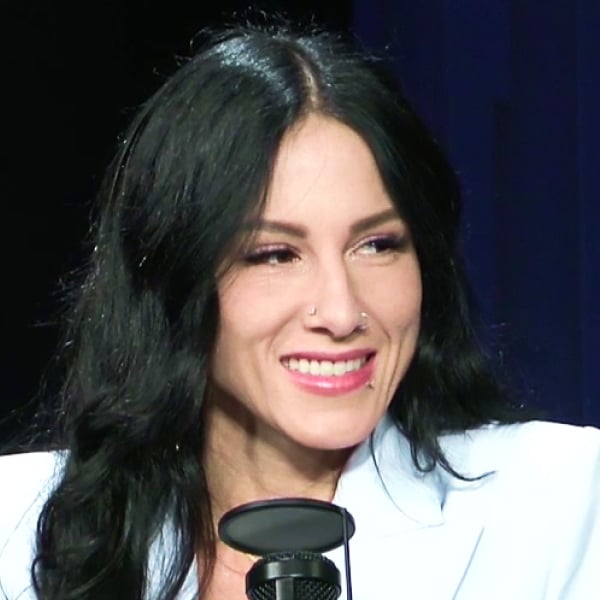
Savannah Revis
Earth Love Cleaning Co.
Instagram: @earthlovecleaningco
LinkedIn: Savannah Revis
Savannah Revis is the founder of Earth Love Cleaning Co., a Colorado based eco-friendly cleaning company she built from the ground up into a seven-figure operation. Starting as a young mom with a vision and a mop, Savannah turned her side hustle into one of the fastest-growing non-toxic cleaning brands in her region, serving hundreds of homes and short-term rentals each month. She’s known for her sharp systems, high standards, and deep commitment to community. Through Earth Love Cleaning Co. and her coaching work, Savannah empowers women to scale service-based businesses with integrity, sustainability, and confidence. Her story is rooted in resilience, grit, and the belief that anyone can build something extraordinary from nothing.


SIGN UP FOR the masters of home service newsletter
Get monthly updates with news, tips, and advice on how to run a 5-star business. You don’t want to miss out!
Interested in being a guest on the show?
Are you a home service professional eager to share your insights and experiences? Apply to be a guest on the Masters of Home Service Podcast, and join a community of experts committed to helping others level up through knowledge.
Other Podcasts We Love