




Skip to content

How to Start a Window Cleaning Business in 11 Steps

Profile picture of Seth Richtsmeier, freelancer writer for Jobber Academy
Seth Richtsmeier
Start Trial

Originally published in July 2019. Last updated on May 21, 2025.

Starting a window cleaning business is an attractive venture in almost every sense. You get to be your own boss, there’s no lengthy training, overhead costs are low, and there’s tons of opportunity to grow.

Still, there’s some legwork required to get started, from building a business plan to learning how to price jobs.

To take the guesswork out of it all, follow this guide to learn how to start a window cleaning business.

1. Research the window cleaning market

Before you start purchasing squeegees or slapping your logo on a van, you’ve got to know if there’s actually a need for window cleaning services in your area.

So, before officially opening your window cleaning business, do some homework. Drive through neighborhoods, do Google searches, and ask questions that lead to paying customers.

  • Who’s out there with dirty windows? Are you planning to focus on homeowners in suburban neighborhoods? Office buildings with glass facades? They each come with their own quirks. A retired couple might want spotless living room windows. And a storefront owner may need weekly cleanings to keep their displays looking sharp.
  • What’s the glass situation look like? How many homes or buildings in your area actually need regular window cleaning? In sunny climates with lots of pollen, demand stays steady. In coastal areas, salt builds up. Growing neighborhoods could be prime territory for landing recurring jobs.
  • What frustrates potential customers? Ever tried cleaning a second-story window? It’s not easy, and many people either don’t have the gear or can’t be bothered with the hassle. Business owners don’t want streaky glass that turns away customers. Think about what frustrates people and how you can offer a professional solution.
  • Any rules or red tape? When using extension poles near power lines or climbing up ladders on commercial buildings, there may be insurance requirements or city permits to think about. Call your local licensing office now so you’re not scrambling later.
  • What are your competitors offering? Scope out your competition. Do they charge flat rates per pane? Do they offer extras like gutter cleaning or hard water stain removal? What do customers say in Google reviews? These details help you figure out where you can shine.

You can make a great living being a window cleaner. Being able to buy my own home and vehicle and turn this into a truly good career showed that this is something I could do for my whole life.

Image of Steve0, window cleaning business owner
Stephen Richardson 20/20 Window Cleaning

2. Choose which services to offer

One of the first decisions to make as you set up your window cleaning business is whether you’ll focus on residential properties, commercial buildings, or both. The needs of homeowners and business owners are a bit different, so defining your target market can help you attract the ideal customers.

For example, a homeowner might look for sparkling clean windows to boost curb appeal and a retail store might want regular service to maintain a spotless, welcoming storefront. Clearly defining what you offer will make it easier for potential customers to say “yes.”

Here are examples of service options you can consider offering:

Residential window cleaning services

  • Exterior and interior window washing: Clean both sides of windows, screens, and tracks.
  • Gutter cleaning: Keep gutters clear to prevent water damage and appeal to homeowners looking for service bundles.
  • Post-construction window cleaning: Remove paint and debris left behind after renovation or building projects.
  • Screen cleaning and repair: Wash or fix window screens for better airflow and a finished appearance.
  • Seasonal window prep: Offer fall and spring cleanings to prep windows for changing weather.
  • Add-on services: Include extras like skylight cleaning to increase revenue per visit.

Commercial window cleaning services

  • Maintenance plans: Provide biweekly or monthly cleaning contracts to build recurring income.
  • Mid- and high-rise window cleaning: If you’re trained and equipped, offer service for multi-story buildings.
  • Routine storefront cleaning: Keep windows spotless to help businesses attract foot traffic.
  • Sign and awning cleaning: Help commercial clients maintain a professional look across all customer touchpoints.
  • After-hours or weekend service: Offer flexible timing to avoid disrupting business operations.

Services that work for both

  • Hard water stain removal: Get rid of stubborn mineral buildup on glass.
  • Holiday light installation: Seasonal services like this can keep income flowing during slower months.
  • Pressure washing: Clean driveways, patios, and siding.
  • Solar panel cleaning: Offer this as an add-on, especially in areas where solar energy is popular.

3. Write a business plan

Creating a plan for your window cleaning business helps you plan your day-to-day operations and prepare you for the future. It also helps you secure a loan if you need start-up money. 

Your business plan should include:

  • Cover page: Include your business name and the date.
  • Table of contents: List the different sections of the business plan.
  • Executive summary: Give a quick recap of the entire document.
  • Business overview: Provide a description of your business and explain the services you’ll offer to customers.
  • Services list: Show the residential or commercial window cleaning services you’ll provide.
  • Pricing strategy: Set pricing for your services.
  • Market analysis: Show what area you’ll serve and what customers are there.
  • Competitive analysis: Compare your business to other window cleaning businesses in your area.
  • Marketing plan: Outline how you’ll reach ideal customers and win new work.
  • Employee planning: Decide what roles you’ll need and make a hiring timeline.
  • Financial projections: Plan income, expenses, and salary for your first year of business.

Plan your startup budget

Compared to other service-based businesses, starting a window cleaning company can be surprisingly affordable. Typical startup costs include:

  • Squeegees, buckets, ladders, extension poles, scrapers
  • Cleaning solutions
  • Microfiber cloths and towels
  • Branded uniforms
  • Transportation, fuel, and maintenance
  • Business insurance
  • Licenses, permits, and registrations
  • Invoicing and scheduling software
  • Marketing and advertising costs

You can learn more about making a plan from the Small Business Administration.

4. Establish your business and get business insurance

It’s time to make your business vision a bona fide, legal entity. Here’s how:

  • Choose a window cleaning business name to register your business under and let people know who you are and what you offer. Even if you’re flying solo and using your own name to represent your business, it goes a long way in helping customers remember you.
  • Pick a business structure. In the U.S., that’s usually a sole proprietor, partnership, or limited liability company (LLC), or limited liability partnership (LLP). You can also choose to incorporate your business.
  • Get a business permit to make sure you can legally offer services in the area of your choice. Your local Chamber of Commerce will be able to help you understand the type of license you need and the requirements for your area.
  • Apply for an employer identification number (EIN) if you plan to grow your business and eventually hire some help. This also helps when filing taxes with the Internal Revenue Service.
  • Open a business bank account and sign up for accounting software to keep your bookkeeping crystal clean. QuickBooks is a popular option for small businesses to record expenses, track accounts receivable, and document all forms of income.

Separate business and personal finances

Keep your business finances separate from your personal ones, especially if you’re registering as an LLC or corporation. Here’s why:

  • Taxes are easier to manage when your expenses and income are organized.
  • Personal asset protection kicks in when you don’t mix funds. This gives you legal protection in case of business-related disputes or debt.
  • Having a separate business bank account helps you look more credible in the eyes of clients, lenders, and vendors.

Incorporating is more expensive, but it creates a legal shield between yourself and your company. It’s better from a liability standpoint, and it’s the proper thing to do if you’re going to grow and hire employees.

Dave Moerman Revive Washing

Finally, you’ll need to purchase window cleaning insurance.

5. Buy your window cleaning supplies

The right tools will help you get the job done right. Luckily, traditional window cleaning tools are affordable and widely available.

Add these items to your shopping list:

  • A squeegee
  • Microfiber cloths and towels
  • An extension pole
  • T-bar and sleeve
  • A scraper
  • Cleaning solution and buckets (regular dish soap works great)
  • A ladder
  • A bidding and invoicing system

These tools and supplies can be purchased for a few hundred dollars if sourced well. Once you’ve gotten your business off the ground, you can invest in more advanced tools, like a water purification system and water-fed pole.

Start with the traditional tools because the cost is low. Build a customer base with storefronts to get some regular, monthly routes.

Once you get into pure water, the cost goes up for the initial buy-in, but you’ll be able to go after bigger, more profitable residential jobs.

Image of Steve0, window cleaning business owner
Stephen Richardson 20/20 Window Cleaning

6. Decide how much you’ll charge

Unless you’ve worked in the window cleaning industry before, learning how to price and bid window cleaning jobs may take some practice.

Most window cleaners don’t charge by the hour. Instead, they charge by the number of window panes (each individual piece of glass) and the type of cleaning (construction, inside and outside, or inside only).

Average prices are $4 to $8 per window pane and anywhere from 50 cents to $8 per screen. You will need to charge more for construction cleans and less for high-frequency clients (you’ll make up the profits in the long run). You can also charge for cleaning window tracks and sills.

The more you bid, the more you’ll learn. If you win 100% of your bids, you might be charging too little. If you’re losing out, don’t be afraid to ask what your competitor offered so you can begin to understand the market.

READ MORE: Learn more about pricing strategies for service businesses.

7. Find and attract new customers

Promoting your window cleaning business will help you find your first customers and grow. You don’t need to hire an expensive agency or spend lots of money to get started.

Here are a few inexpensive ways to market it:

  • Go door-to-door in your service area to introduce your services to potential residential or commercial clients. Canvassing can be nerve-racking, but it works!
  • Build a professional home service website that lists your services and gives prospects an easy way to book work
  • List yourself in local business directories and online marketplaces
  • Create a Google Business listing and start collecting reviews
  • Network with local service businesses, such as landscapers, remodelers, and realtors. You can offer a two-way referral system to grow each other’s client base.

Once you’ve started to build your book of clients, you can include remarketing strategies, like following up with existing customers, email and postcard marketing, and creating a referral program.

Around 30% of our new leads come from Google search. We have the most and highest reviewed company of the Lower Mainland. We’re really proud of that and tell all our clients.

Dave Moerman Revive Washing

Learn how to market your window washing business and attract new customers fast:

8. Hire a team

This step may or may not be a top priority when you start out, but it’s necessary as you grow and scale the business. You could see your revenue increase with every new crew you add. 

When you’re unbelievably busy or are looking to expand into a new territory, it’s probably time to hire your first employee.

If you’re just starting out, keep your team close knit so you can train them well and ensure consistent quality and service.

We have found that with four well-trained employees, you can do a lot of work. You can make it extremely efficient. With 4-5 people, our overhead is pretty small, so we can make a very good living.

Image of Steve0, window cleaning business owner
Stephen Richardson 20/20 Window Cleaning
Team of window cleaning employees standing in front of work vans with their arms linked around each others shoulders in a circle.

A lot of service business owners think they are the best and have to do all the work. This is a very limiting mindset and will cap the growth and size of your business. Hire people who are better at certain tasks and activities than you are.

Dave Moerman Revive Washing

9. Expand your service offering

Adding services to your window cleaning business will open up opportunities for more work and greater profits. Choosing to offer additional services, though, will depend on your region, business goals, and customer demand.

You could start out by just offering window cleaning, and soon you might see customers asking for other services like gutter cleaning and pressure washing too. Adding these services can increase your revenue and allow your team to work all year round.

If you just do window cleaning, you’ll probably see a slow winter if you’re in a cold climate. But if you expand your offerings, your income won’t fall off a cliff.

Ideas for additional window cleaning services to offer include:

  • Gutter cleaning
  • Pressure washing
  • Soft washing
  • Screen repair
  • Christmas light installation

You can either advertise these services or only offer them on request.

You always want to be all inclusive. You want to offer up front all the services you offer, and you’re capable of cleaning, and you always want to make sure that you’re constantly educating the client so that they trust you as a business.

Christine Hodge Clearview Washing

10. Improve your customer service

Anyone can wash windows. But it’s your professionalism and customer service skills that will set you apart. Great service keeps customers coming back and brings referrals.

Whether it’s sending appointment reminders, texting quotes, or sending impeccable window cleaning invoices, there are lots of ways to impress clients.

When someone is looking for an exterior cleaning company, they are looking for professionalism, communication, and responsiveness.

And then following that will be your price and things of that nature. But to run a successful business, you have to be professional.

Christine Hodge Clearview Washing

Gather customer feedback

Your customer’s time is valuable, and so is yours. The more efficient you can be, the more you’ll impress customers and be able to fit work into your schedule. Things like online booking and electronic payments speed up daily activities so everyone can get on with their day.

Get to know your clients on a more fun level than just doing the service you provide and collecting payment.

Being personable is huge in the service business. It can make a huge difference when someone is deciding between two companies for the same service.”

Image of Steve0, window cleaning business owner
Stephen Richardson 20/20 Window Cleaning

Want to know if your clients are happy? Ask them. Customer feedback is one of the most powerful tools for improving your business.

Make it easy for people to share their thoughts. After each job, follow up with a short email or text survey. You could also leave a QR code on your invoice that links to a feedback form. Ask what you could do better.

What to do with negative feedback

If someone shares a complaint or concern, don’t ignore it. Reach out, thank them for their honesty, and make it right. When people see that you’re listening and willing to improve, it builds trust.

Looking at complaints as a learning opportunity that can benefit your business:

  • It shows potential customers you’re committed to providing the best service possible
  • It can turn unhappy customers into loyal advocates
  • It helps you learn from mistakes
  • It gives you a chance to retain customers
  • It helps you manage your brand’s reputation

11. Create processes to make your business more efficient

Administrative tasks aren’t the reason you started a window cleaning business. But neglecting them could be the reason you go out of business.

Letting client information slip through the cracks, missing appointments, and losing track of invoices will seriously damage your reputation and cash flow.

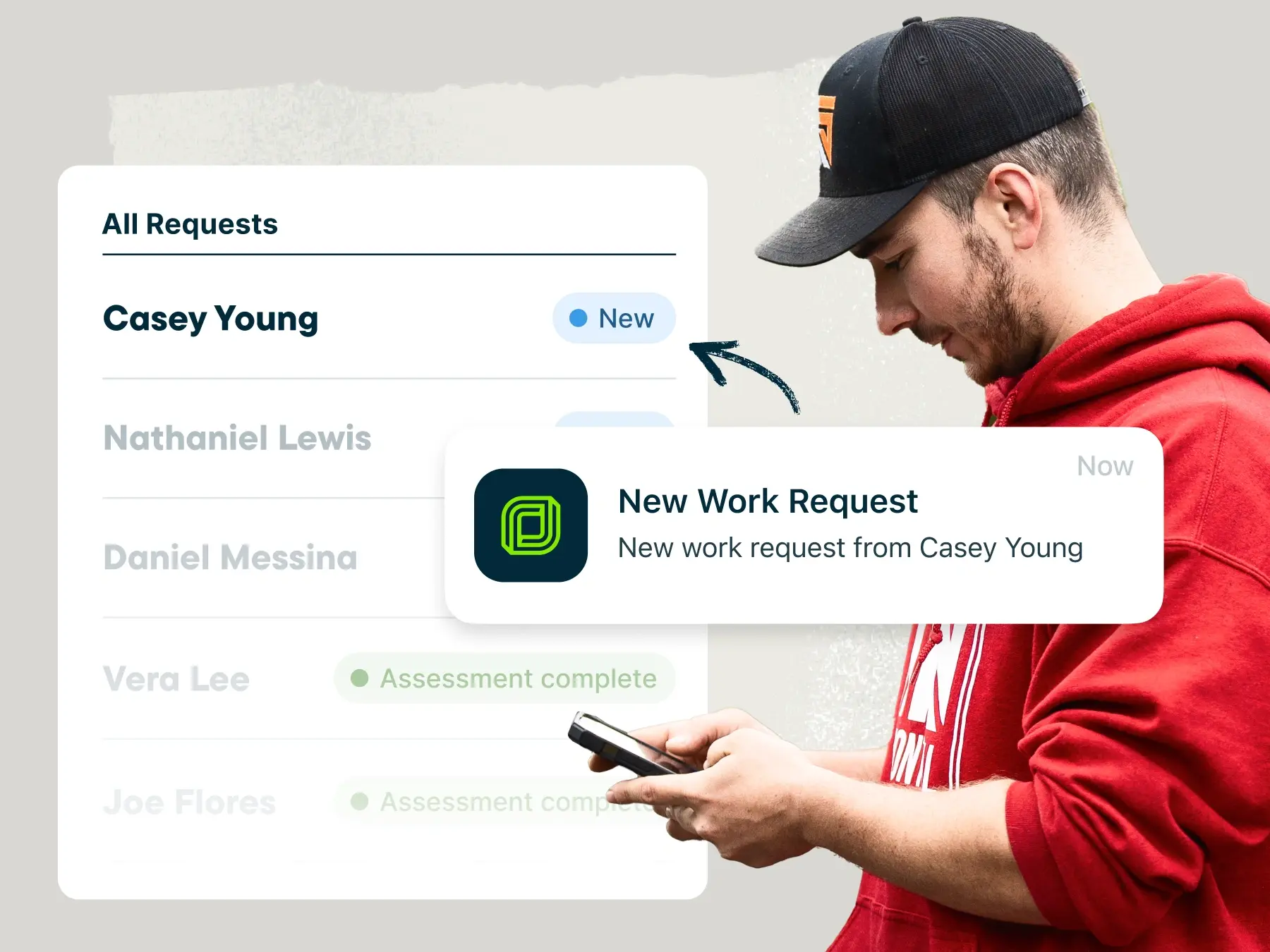
The earlier you take control of your business operations, the less financial loss and headache you’ll have down the road. Window cleaning software is your best bet to get organized and stay organized.

When you use Jobber’s window cleaning software, you’ll have access to:

The request/quote/job system for entering new jobs has been a game changer for us!

We were still old school and not sending bids through email for the most part so being able to have all the customer requests/quotes and the jobs we’ve done for clients saved in one place is a huge help to our company.

Image of Steve0, window cleaning business owner
Stephen Richardson 20/20 Window Cleaning

Learn how to start your own million-dollar window washing business with advice from the pros:

Frequently Asked Questions

Starting a window cleaning business doesn’t require a huge amount of capital. You can get started for less than $1,000 if you’re working solo and already have a van or truck. Most of your upfront costs will go towards tools, clean uniforms, and the initial costs of establishing your business.

You can save money by operating out of your home and learning new techniques for free on YouTube.
Yes, window cleaning can be a great career. It’s highly profitable, since you collect payment on the spot, revenue is recurring, and overhead costs are so low.

A typical day as a window cleaner includes canvassing, pricing jobs, scheduling visits, handling customer service, and day-to-day operations.

To succeed at owning a window cleaning company, you need to excel at sales and customer service. You must also be physically fit and ready to handle some rejection, especially during your early days of cold calling and canvassing.
The average window cleaning salary is $41,029 per year. Your pay will depend on your region and experience level. High-rise window cleaning pays even more. You can also think of your salary in terms of jobs—the average residential window cleaning job is $310. If you complete three jobs a day, that’s $6,510 a week in revenue.
As a business owner, you can scale and earn more depending on the services you offer. For example, you can charge more for house cleaning packages or use water-fed poles and use Jobber’s routing feature to cut transit time and fit more jobs in the day.

Meet our industry experts

Dave Moerman, Revive Washing

After spending 7 years building a successful house painting business, Dave launched Revive Washing, an exterior cleaning company that donates a portion of every job to support clean water projects across the globe. He’s got a knack for business, sales, and marketing, and has used it to scale his business from 2 to 10 employees in under 3 years. Follow his business journey for a real look at what it takes to run a business.

Stephen Richardson, aka SteveO the Window Cleaner, 20/20 Window Cleaning

Steve has been in the window cleaning business for nearly two decades. He’s now co-owner of Colorado’s 20/20 Window Cleaning—but if you’re one of his 15,000+ YouTube followers, you probably know him best as SteveO the Window Cleaner. A true master of his craft, Steve shares everything from window cleaning tool reviews to the sometimes harsh realities of owning a window cleaning business.

Christine Hodge, Clearview Washing

As the CEO of Clearview Washing, Christine Hodge has put the company on an aggressive growth trajectory, almost doubling the staff and increasing revenue by 200%. Christine is a tech-savvy systems integrator and excels at instilling a corporate culture of excellence and accountability. Her leadership at Clearview has seen the employee retention rate rise to nearly 100%, and she prides herself on building a company culture that’s the best of the best, with a strong team that represents the brand well.