 26 Minutes
Land 10X Bigger Jobs From Routine Service Calls
With Phil Risher


-
Adam (00:27)
Welcome to Masters of Home Service, the best podcast for home service pros like us. I’m your host, Adams Sylvester, and I want you to crush it in business. There comes a time in every business owner’s journey where they realize just how important leads are, how expensive they truly are, and once you realize how expensive they are and how much it actually costs to make your phone ring, your entire approach to sales changes. And so if you are listening and you’re only giving people what they want, then you’re missing out. If you’re not cross-selling and upselling more services, then you’re missing a boat. In fact, most companies who don’t, they only sell what the person asks for. A lot of ’em are broke and they’re always frustrated, and they’re struggling to get more work in their schedule. If that’s you, it’s okay. We’re going to help you today. Phil Risher with me, Phil is a friend of the podcast and he’s really good at helping you and teaching you how to cross-sell and upsell your services. So Phil, thanks for being here today. Welcome to the show.
Phil (01:28)
Yeah, thanks for having me. I’m excited to talk about this. It’s something I’m very passion, passionate about is generating additional estimates for your business. A lot of times you’re just out running service calls, and you don’t get those estimate,s and you don’t have a process to get more estimates.
Adam (01:39)
That’s right. So you’re going to help our listeners come up with a game plan for actually putting this in practice, but first you own Phlash Consulting, you help your clients keep their schedules full, get more leads, nurture those leads. Tell us more about what you do.
Phil (01:50)
Yeah, so I used to be director of business development, so growth at a $3 million home service business. And this was actually one of the biggest pain points when I came into the business was that we had 28 technicians. The workforce, English wasn’t their first language, and how are we going to build a system for them to go out on a job site and generate additional estimates? So that way, one, we can keep our schedules full, but two, which is the most important thing is that you’re getting these big ticket estimates on the backend. So you’re not just relying on service call, service call, service call.
Adam (02:15)
Yeah, we want to turn a diamond to a dollar. So a job site that’s small, we want to make it a big job. What is the biggest problem that you’re seeing people like me make with cross-sales? Maybe misconceptions or just a lack of awareness? What do you think is the biggest problem here?
Phil (02:30)
As you start getting more technicians on the team, and even if you’re just out still running service calls, a lot of times you have blinders and you get sucked into whatever the customer’s asking for you to do, and you just want to solve the problem and move on to the next job. You have a million things running, and especially when you have technicians, they’re going in with do the work, move on to the next job, make sure the customer’s happy, and they’re not thinking about the greater side of things, which is generating estimates. So, it’s really about building inside of your processes, this function of generating additional estimates, which we’re going to talk about today.
Adam (02:58)
Yeah. One of the most frustrating things for my technicians, my gutter technicians, is when a technician goes to her house because the client called in and said, “The gutter’s leaking right over my front door, and it’s really annoying.” Great. And they go in there and they fix the leak over the front door. And maybe they sell something else we have to come back for another day, so the next round of technicians come back to do something completely unrelated, but they somehow discover that there’s 18 more leaks.
Phil (03:22)
Exactly.
Adam (03:23)
That’s not good. That’s not a good customer experience, and that costs us money now. We found ’em thankfully, but there’s always more that the client doesn’t know about.
Phil (03:32)
That’s right. So I was at an air duct cleaning company, and we also did dryer vent cleaning, and when we were out on the job site, imagine if you didn’t analyze or look at this person’s dryer vent, and you left and then tomorrow it caught on fire because it’s blocked, and the person’s like, “Well, you were just here. You could have actually literally saved my house and solved this problem for me.” It was like we need to create that type of urgency. It’s not just about making more money, it’s also about helping your customers so that they don’t have more issues down the line. And you were just there. You’re the experts.
Adam (03:58)
If you go in for an oil change and you have bald tires, you want them to tell you that you have bald tires. You don’t want to bring it in a month. You don’t want to bring a car in constantly to get it fix. You want to bring in one time, get it all fixed all at once, and our clients are no different. They want just a one-time visit. Get it all figured out, get all fixed now, and then we’ll see you in five years, not next month, next month. Drag it along, drag it along, drag along. We don’t want any of that stuff. So how did you train your people back in the day to sell?
Phil (04:24)
Yeah, so it’s not even just back in the day, I’ll talk about the process, but last year we had a HVAC contractor. We implemented a couple of these playbooks that we’re going to talk about today, and they increased their estimate count by 42% year over year, and they ended up doubling their revenue just by fixing their estimate thing. And before we get into the playbook, I want to really hit this home, the number one way that you can grow your business—it’s not just more leads. It’s not just more jobs. It’s estimate count. That’s why you need to track this number year over year because estimate count is literally more swings to the bat, And if you have a good sales process, that’s how you’re going to grow your business. So you should be tracking estimate account. The other piece of it is that you could get a bunch of leads, but they’re all trash. Estimate account lets you know that your leads are actually good and you’re generating estimates.
(05:01)
Some of the playbooks, the first thing is, is the technician incentive program. So I had 28 techs, English wasn’t their first language, so I had to get them bought in. That’s the first step is like get your technicians bought in and what does this look like? So you go to them and you say, “Hey, do you want to make money while you sleep?” Of course they say, yes. How does this look for them? Well, when you go out on a job and you create additional estimate opportunities, if it closes in a week, two weeks, five weeks, you have some nurture sequences, some rehashing on these estimates, then you’ll get X percentage or a certain amount of dollar amount for that job and at this point you got their ears perked up because they’re going to get excited about making more money on jobs that they’re actively doing down the line.
Now the second piece of this, and this is the part that we talked about, is removing the tech blinders because they’re going in to do the service and here’s how you do this and any business, you should do this ‘cause this is great service and you just hit on it, is you need to have a checklist for your technicians when you go into the home. Just like a car when you go in, you’re analyzing the tire pressure, the tread depth, the oil levels, all the stuff that you’re check marking. They didn’t ask you for all this, but you’re doing it as a precaution. So when you go out to do a service, you need to be checking everything. So imagine in HVAC, you go into the home, you’re there because they don’t have any AC. Well, you ask them some qualifying questions. Do you have any hot or cold rooms in your house? You might be able to sell a ductless system. How is the air? Does it feel dry? How’s your skin? Now you might be able to sell a humidifier, so you’re asking some qualifying questions, and that’s the second step. Just doing that alone is going to create opportunities, but what we ran into as a business was how do we make this so easy for the technicians to send estimates? Because most people get this part wrong. And this is the one that if you make it easy for them, you will get the estimates. If you make it hard for them, it’s going to fizzle out and it’s just flavor of the weak. I’m sure you may experience…
Adam (06:45)
Oh no, never.
Phil (06:46)
Exactly. You talk about it at your team meeting, “Gotta get more estimates,” and everyone’s fired up, but you don’t have the process. So here’s how you do it. The first thing is you create a form or a page on your website, ‘phlashconsulting.com/referral’. Then you put a form on there, and that form captures all the information for the customer’s information, and you tell them, “Hey, we have this form.” All you have to do after the job, you go to this form and you fill this thing out and you turn it into a QR code and you put it in their truck. They scan the QR code after the job, fill out this estimate referral form, then you’re off to the races. Now, I’m going to walk you through what the word track looks like.
Adam (07:23)
And that’s for upselling and cross-selling?
Phil (07:25)
1000%.
Adam (07:27)
Okay, so if they’re at a house and they see something else, they don’t sell it, but they set someone else to come back to sell it later?
Phil (07:32)
That’s right. Our techs were service-based techs. They were not sales techs. They were there to just do the work, and a lot of times that’s what we fall into. They’re not upselling the opportunities after the fact. So what we would do is we would have someone upsell after the fact, but create the opportunities. And so the word track would look like this, “Hey, while I’m at your house, I do this checklist of all this stuff.” Then at the end of the service, “I know you told me about this hot or cold room in your house. I think we have a solution for it. Phil on our team. I think you just worked on another house in the neighborhood. I’ll have him give you a call with some options. Does that sound good?”, “Oh, yeah, that’d be great.” Now you’re creating opportunities without your texts having to get in there and sell because there’s a layer to coaching your techs on selling, and it can get very difficult because there’s so much stuff you’re trying to do.
Adam (08:15)
Yeah, yeah. I love this. So you had 28 techs that didn’t speak English very well, and so you had to come up with a different way for them to still upsell, and it’s just the simple form that they would fill out if they saw something that needed to be addressed.
Phil (08:28)
That’s right. Now, let’s say you have awesome techs or you’re the tech and you’re out there doing service calls. That checklist is your blueprint for upsells because you go through your service, and then at the end of the service you say, “Now, Adam, you told me boom, boom, boom. I wasn’t able to solve that problem, but I think that this will solve your problem. You want me to give you an estimate for this?” Boom, there you go. Now you have tons of estimate opportunities as well.
I’ll give you a good benchmark. We figured this number out. You should be generating 30 to 50% on your jobs. 30 to 50% of your jobs should turn into estimates. You did a hundred jobs, you should get 30 to 50 estimates out of that, just like a normal service call-based thing.
Adam (09:04)
Yeah, that seems about right to me, too. I would say that’s probably where we are. Yeah, that makes sense to me. Whenever I see my metrics, our conversion rate is often over 100% because we go in and upsell. So we’ll get leads, but then we generate even more leads, and we’ll generate more quotes than we had leads because we’re generating more and more work. It’s so important. So talking about upselling and cross-selling, it starts with the CSR. The phone, right?
Phil (09:29)
Yes, the phone. Right. So this is my second playbook here, and this is what we ran into was, okay, some of our technicians loved it. Some of them were like, I don’t want to do this, whatever, too much work. But what if you can get to the upsell before your techs get out there, and this is the CSR playbook, which the CSR playbook is when someone calls in, there’s two ways you can do this. Someone calls in and says, “Hey, I want to get my gutters clean,” or whatever the service is. Maybe you talk ’em through price or maybe you have a dispatch fee and you send someone out there. You literally say, “While my guy’s out there, do you want him to take a look at X, Y, and Z? Because some of your neighbors have had the same issue, and I’m trying to be proactive while I have a guy out there. Do you want me to look at this?”
Teeing them up. Sometimes your CSR gets a little rattled with that because there’s so much conversation going on in the first call, and here’s how you do it in another call. If you’re doing confirmation calls, which you should be doing, don’t just rely on the day before or something. A lot of people just rely on the text to go out, which is okay, but there’s another opportunity of calling these people and saying, “Hey, I see we got you on the schedule for a gutter cleaning, oh and by the way, while he’s out there, we were just doing a job last week in your neighborhood for X, Y, and Z. Do you want him to just give you an estimate? Or take a look for you while he is out there? I can just add it your ticket, there’s no extra charge.” Boom. And then you tee your guys up. They love it, especially if they’re sales tech, because then they don’t have to actually create the opportunity in the home. They just have to say, “Hey, I know you talked to Phil on the phone and you talked about this. It’s just like butter basically. Here you go.
Adam (10:49)
A walk in the park. Cake, cakewalk.
Phil (10:51)
It’s a cakewalk for these guys. So when you get the team bought in, I think the CSR and the tech side, there’s no way that you can’t increase your estimate account if you do that. A lot of people give us some pushback like, “Okay, Phil, this sounds great, but now I got to train my CSR and my tech.” But there’s even other ways that you can do this as well.
Adam (11:07)
Like what?
Phil (11:07)
Yeah, so the third playbook is email marketing. Okay, so we’ve talked about email marketing on the show and different strategies on that. When you send out an email with promos, special offers that’s creating sales opportunities for your techs. And let’s say you scheduled a job and you had an email sequence leading up to that job that then sold different services, “Hey, while your techs out here, be sure to ask ’em about boom, boom, boom, boom, boom, boom. Here’s why a lot of people like this. Boom, boom, boom, boom, boom.” And again, you’re just teeing them up for more stuff to just ask you instead of you trying to create the opportunity in the home.
Adam (11:41)
Yeah, for sure. Phil, what do you compensate the salespeople with? What kind of percentage? Is it flat? How do you do that? Let’s get specific on that.
Phil (11:50)
Yeah, for sure. So with the CSRs, this is a big opportunity if you’re selling memberships, if you’re selling these upsell opportunities, there’s kind of two ways to do it. So with CSRs in particular, a lot of times they’re going to be hourly employees, and an extra 10 or 20 bucks is going to make a huge difference for them, and they’re going to love that. If their sales techs that get paid, a percentage of their upsells, 10 or 20 bucks might not move the needle for them, and they might not even be incentivized to sell a membership to make an extra 10 or 20 bucks, which is why it’s better to have your CSR do it because 10 or 20 bucks make a big difference to them. Now the other piece of this, and this is a really cool way to do this, and we have some clients that literally run like this, which is you can see who created the jobs. And if you have one CSR, they created all the opportunities for jobs, you could give them a percentage or a dollar amount off of the total revenue that they created based off the jobs that they created.
So over a month, they generated 600 jobs or $60,000 worth of estimates, and then they get 1% of that or whatever the numbers are. So then you can get them bought into not just creating opportunities, but actually making sure that it turns into revenue for their business.
Adam (12:51)
Gotcha.
Phil (12:52)
Yeah. Now with the techs, what we did was we would give them an extra 50 bucks if they upsold this or a hundred bucks. If they upsold this and trying to create the opportunity…
Adam (13:00)
Different services might get different spiffs.
Phil (13:03)
That’s right. That’s right. I think one really important piece of this, especially with our techs as I mentioned, is you wanted to make it so easy for them to comprehend what’s happening and how to do it. Any employee compensation plan, you got to make it easy for them to understand and explain to their spouse. If they can’t explain it to their spouse, then it’s probably too complicated for them to understand themselves.
Adam (13:23)
Yeah, yeah, yeah, totally. Phil, let’s pause this conversation, even though it’s blowing my mind here for a minute to talk about Jobber and how Jobber can help our users really start upselling more in cross-selling. How does Jobber help our listeners?
Phil (13:36)
Well, for our clients that use Jobber, we actually pull estimate counts from their Jobber, so you can see how many estimates that you’re actually generating, and then you can look year over year to make sure that you’re increasing your estimate count and keep track of that number that I think is so important to help you grow your business.
Adam (13:49)
Yeah, totally. The reporting is great. Also, you can have advanced quotes, which means you have optional line items. So you can give them what they ask for, but then three additional upsells, they could just check if they want to. It’s super easy and they have job forms that are even more robust. You can add photos to job form, the checklist that we talked about. It’s all in Jobber. Sounds like you need Jobber too. If you’re not using jobber, you need checklists, you need advanced quoting. You need to be able to upsell more and get more business for more leads and estimates. Estimate reports, all that stuff you need. So go to jobber.com/podcastdeal an exclusive discount, and start using Jobber right now.
(14:22)
Something that Alex Hormoszi said, which I loved, is if you’re really hungry and you go into a restaurant and you order a steak, you’re really, really hungry. At the end when you’re finished and you’re full and you feel great, and he said, “How’s the steak?”, “Oh, it’s great!”, “Great. Do you want another one?” Well, no, I’m full. Why would I eat a second steak right now? But if you go in, you’re really hungry. Yeah, I’m going to steak. Great. “Would you like two steaks?”, “Yeah, I’m starving. I’ll take two steaks.”
The time to sell the second steak is at the peak of desire, peak of desperation or need. And so when is that, Phil? When is that for home service pros? When is that time where people think they it need the most?
Phil (14:59)
Yeah, it’s at the point when they are asking for the service, and that’s when you want to strike. So what we did at the duct cleaning company is a lot of people, they need their ducts cleaned every four years. Their driver went down every year or two, and we work with gutter cleaning companies now, you really need your gutters cleaned twice a year at least. And a lot of people just call whenever it’s overflowing, and they don’t care about the ongoing maintenance of the work, whatever it looks like. What we recommend doing is when they call in and to get their gutters clean, you say, “Hey, we actually, you should get your gutters clean twice a year, so while you’re scheduling this one, you should also schedule your next one and we’ll give you 10% off so that way you have a cleaning plan in place so that way it’s not overflowing and your stuff’s not falling off your house, whatever.” So really think about if you are in this business that you need to do things over and over again, how can you just get people on the schedule, maybe give ’em a little incentive to move forward with it, whether you call it a membership or you just schedule stuff to actually happen and you talk like this, it’s very easy for them to understand, and then you get a lot more opportunities generated.
Adam (15:53)
Are there certain things that the CSR can say that can bomb the sale. Are there certain keywords they should never say?
Phil (16:00)
You don’t want it to come off as a sales pitch, especially when someone’s calling to get problem solved. You want to listen to them, have empathy, and then solve their problem and give them recommendations. So like, “Hey, my gutters are clogged”, “Okay, this sounds good. We can have someone come out there. One thing that I would recommend doing is having a proactive maintenance plan or a proactive approach to gutter cleaning, and we recommend doing it twice per year. If you like, I can schedule this one and your next one and we give you a 10% off. That way you don’t have to worry about trying to call us in. It’s already on the schedule.” It sounds a lot better than, “Yeah, we have this membership plan. It’s $120. Do you want to sign up for it or not?” Right?
Adam (16:35)
Yeah. How you say it matters a lot.
Phil (16:35)
Absolutely, and it’s all about, I think, solving the person’s problem. No one wants to be sold. They all want their problems to be solved. At the end of the day, if you can help them solve their problem and maybe get them a discount of some sort and be proactive, who wouldn’t want that?
Adam (16:51)
Yeah, totally. The CSR is in position to be at the peak of need. My gutters are overflowing, I need some out here asap. Let’s try to sell it then, and they say, “Yeah, yeah, sure. Maybe I’ll do it, but not right now. I just want to get the gutters clean first before I sign up for anything else.” Right. So then they go in and do it. Are you putting special notes in the job order? Are you recapping the conversation or are all these things something that the technician’s going to do no matter what?
Phil (17:18)
Yeah, so this is why having that technician checklist is so important. Regardless if you want to upsell opportunities or not—looking like a professional company in your customer journey and having a checklist for them to go through and do is going to help you stand out, and it’s going to help you win more jobs. The catchall to this, the last playbook on this, let’s say your CSR botches it or they don’t want to do it, or they don’t feel comfortable doing it, your technician goes out there, they can’t upsell, they can’t do it, but you have a checklist. Now you do a happy call on the last day, this is what we did. We called every single person the next day and said, “Hey, Adam was out there cleaning your gutters. How did he do? How’s it looking? Any issues?”, “Nah, it’s been great. Thank you so much!”, “Hey, I noticed on the checklist you said that you have this issue of pooling in your grass or this issue of blah, blah, blah, blah, blah. I know a solution that can help you, and I actually put together a couple options. Can I send it over you to take a look at, and just let me know if it’s something that might make sense for you?”
This is where your salespeople, they don’t have opportunities. They need to be doing your happy calls all day long.
Adam (18:15)
Salespeople doing happy calls?
Phil (18:16)
That process I just told you is going to create tons of opportunities. Right?
Adam (18:20)
So not the CSR doing the happy calls?
Phil (18:21)
That’s right.
Adam (18:23)
Okay. Okay. Hold on. Okay. You’re breaking the microphone right now. So the salespeople don’t have time for that, Phil. They’re out doing their thing.
Phil (18:30)
You don’t have enough estimates or leads. You have slow periods in your schedule. Your salespeople are going to say, “I don’t have enough leads. I don’t have enough jobs to run.” Call all of our customers the next day, go through the job that they just did. Talk about common things in their house that’s probably broken. If they have a checklist, which you should, go over the checklist with them, review the opportunities, create the estimates, send it to them, rehash those, follow up on them. Now you have infinite estimate opportunities.
Adam (18:52)
Do you require the client to be home when we come? Is that a requirement for technicians to be able to meet the client face-to-face or not?
Phil (19:03)
Again, it all depends on your service. Lawn care—might not happen.
Adam (19:05)
That’s right.
Phil (19:05)
But with lawn care, you could still do a checklist. You might do landscaping, you might do gutter cleaning, you might do certain upsell opportunities, and you create them, and then you go and you call ’em next day like, “Hey, we are at your house. We did this service. Everything’s good. I didn’t notice this, this, and this.” One, how much do you think that they’re going to be like, “Wow, this company actually cares. They’re taking a look at all this stuff. I’m so glad that I work with them.” Two, “They’re looking out to be proactive so that my stuff doesn’t break, and then I have to try to find who’s going to do it. They already do this service.” Three, you’re creating opportunities for your company. It’s the whole culture of solving people’s problems that’s going to help you grow your business.
Adam (19:40)
If someone goes to a house and sees more work that needs to be done and submits that form, they’re not pricing it or they’re not recommending a price or anything, they’re just generating another lead for someone else to come back in and do another sales appointment. Is that right?
Phil (19:53)
It all depends how your business is structured. If you have sales techs and they have a price book and they can write something up and give them an estimate, then do it. Yeah, do it. But if you have techs that are more service-based that are just trying to get to the next job, get a five-star review and make sure the customer’s happy. They don’t want to be bogged down with creating these bigger ticket estimates? Do this process, it’s going to be much better. And you can spend a lot more time on your estimate. When you’re sending an estimate and you’re not on site, you should be recording a Loom video walking them through what you’re actually sending them. “Hey, my name’s Phil. I work with Adam. I know when he was at your house, he talked about this and this stuff. So I put together this estimate, here’s how this works, and how it can help you solve this problem. And here’s what I think that you should do. Lemme know if you have any questions,” and then you send all that together. It ties it all together perfectly.
Adam (20:34)
And if you’re a lawn care company or a house cleaning company where you’re going to the same house every week—high frequency. You should be generating so many leads because every single time you go to someone’s house, they’re going to have weeds in their beds. Their bushes are going to be overgrown. There’s going to be a huge fallen limb or branch that’s laying the road. We have to get clean up. I’m speaking to lawncare companies and house cleaning companies specifically. You need to be doing this constantly because there’s so many opportunities that you’re at the house. And if your guys just zipping around the yard cutting grass and not paying any attention to anything else around them—low hanging branches, weeds, bushes, dead bushes, all that kind of stuff, you’re missing out on a ton of new business.
Phil (21:13)
That’s right. I mean, that’s why the checklist is beautiful. That’s why the first step is try to get them bought in to make some extra money so that they don’t just have their tech blinders on and just go to do the work. And those two things, it takes them extra five minutes on a job, but if it could pay them an extra hundred or $200 per job or something, I mean, it’s a home run for them.
Adam (21:29)
And you can do that. And Jobber has checklists. We integrate with CompanyCam—they have checklists, however you want to do it. You can have an assistant that her job, or his job is just to monitor those checklists every day to make sure people are doing it. Yeah. Well, we literally
Phil (21:42)
Yeah. Well, we literally did what we did. So on Canva, we created a checklist and then we printed it out, we put it on their truck, and then we would have little check marks next to it, and they would take a picture of this checklist. Literally take a picture of the checklist that they did with pictures and explanation of the stuff. You don’t have to make this too complicated, and if you don’t know how to make a checklist or whatever. A very simple way is go to Google Forms, create a custom Google Form, and you can turn that into your process. And then those Google forms can go into a Google Sheet, and now you have every single form that goes into an Excel spreadsheet, and at the end of the day, you can literally go through and see all of your checklist with pictures, with information, and everything ready to go. You can ask, “How old is your hot water heater?” Great question. And you could find that. Then you have a whole list of all these people’s hot water heaters that are old, call the people that have the oldest, and sell them a hot water heater. There’s a million ways that you can do this checklist that doesn’t have to get too complicated.
Adam (22:37)
I want to go back to the Happy call because I want your opinion. I’m going get some free advice on this, Phil, so I’ve got you here, let me ask. It’s very surprising to me, the happy call is one of the least favorite calls that our people make, and I’ve always thought, why? They’re happy. Well, they say this or they give me a curveball here, and they say that, and I have to do this. And for whatever reason, when I do follow-ups, they’re always happy. And I guess when my people do it, they aren’t much. Have you ever heard that before? That the happy call isn’t their favorite call to make?
Phil (23:07)
I mean, I’ve done hundreds, if not thousands of happy calls because I implemented it in the company. I used to work at Enterprise coming out of college, and that was a part of our process. When you rent a car to someone, you call them the next day and check to make sure there’s no issues with the car. And so when I went to work at the duct cleaning, I’m like, we need to do this. So, some people might say, “Yeah, I had an issue when I was here.” Well, first off, that catches it before it turns into a one-star review. Second, it allows you to alleviate and show that you actually care. And then the third thing is it turns into more opportunities for your business. Of course, it’s like now we got to go back out there because you called them. If you didn’t call them, one business owner said, let the crying dogs lie or something. Just let the upset people be, don’t disturb them. It’s like, dude, we’re all about giving great customer service, solving problems, and so yeah, of course. Are you going to get some upset customers? Yeah, but at the end of the day, it’s about making sure you have happy customer, solving problems, and estimates.
Adam (23:55)
Yeah. Now, one more flavor to this is for our business, our technicians, most of our technicians sell as well, which I knew is kind of unique, but there’s other people out there that do it. A lot of times when we do a happiness call, for example, there’s already a quote pending. We gave him a quote yesterday. It still hasn’t been approved yet. How do you talk about that quote without being like, “Are you going to approve?” It can turn from a happiness call to like, are you going to approve call.
Phil (24:21)
Yeah, so the question that you ask is, “Hey, just want to make sure that you got the estimate that I sent you yesterday. I know that you had an issue with this. I’m not sure if you got it or not.” Even if you know that they got it, just ask them, did you get it? They’re going to say, “Yeah, I got it. I’m just looking over it. I’ll let you know.” Or, “No, I didn’t get it. Can you send it again?” Then there’s no back and forth, or I’m here to try to sell you again. It’s just like, I want to make sure you got that solution that I sent you.
Adam (24:41)
There’s a lot of actionable things that people can do today because of this conversation. I’m going to wrap ’em up in three right here. Number one is you want to track estimates, not leads. Estimates, the numbers should always be higher than leads. I think that profit is in the upsell, and so if you’re having more estimates than leads, then you’re on a good track, but if you have the same number or less, then you’re just going to be constantly turning over for more and more leads. Number two is use checklists. You can use Jobber, CompanyCam. You can use paper, laminated—It doesn’t matter. You need to make sure that your technicians, your salespeople, your service people, everybody is checking off everything they check to make sure that every possible more additional work is being accounted for. And number three, the sale starts with the CSR. The CSR should be teeing your people up for success. “Hey, by the way, while they’re there, were going to be checking for X, Y, and Z. Is that cool with you or is there anything else that they should check?” My favorite question is, what else? Or anything else that you can think of. The CSR starts the sale, so make sure they’re well-equipped and trained.
Phil (25:40)
And don’t forget your happy calls because happy calls are not just, “Hey, how was a service?” They are sales opportunities that most people miss out on.
Adam (25:46)
Bingo. Well, Phil, thanks for being here. Appreciate it. How do people find out more about you?
Phil (25:50)
If you’re a home service business owner and you want a free marketing audit, you can go to phlashconsulting.com—P-H-L-A-S-H consulting dot com. We hop on a call, we go through all your digital marketing. We give you the recipe and show you how to grow your business.
Adam (26:02)
Well, thanks for being here. Appreciate it as always. Thanks, Phil.
Phil (26:04)
Yeah, man.
Adam (26:05)
And thank you for listening. I hope that you heard something today that will help you cross-sell and upsell more services. I’m your host, Adam Sylvester. You can find me at adamsylvester.com. Your team and your clients and your family deserve your very best, so go give it to them.
About the speakers

Adam Sylvester
CHARLOTTESVILLE GUTTER PROS AND CHARLOTTESVILLE LAWN CARE
Website: adamsylvester.com
Adam started Charlottesville Lawn Care in 2013 and Charlottesville Gutter Pros in the fall of 2020, in Charlottesville, VA. He likes to say, “I do gutters and grass! When it rains the grass grows and the gutters leak!” He got into owning his own business because he saw it as a huge opportunity to generate great income while living a life that suited him. He believes that small companies can make a serious impact on their communities and on every individual they touch, and he wanted to build a company that could make a big difference. His sweet spot talent is sales and marketing with a strong passion for building a place his team wants to work. Adam values his employees and loves leading people. While operations and efficiency is not something that comes naturally to him, he is constantly working to improve himself and his business in these areas.
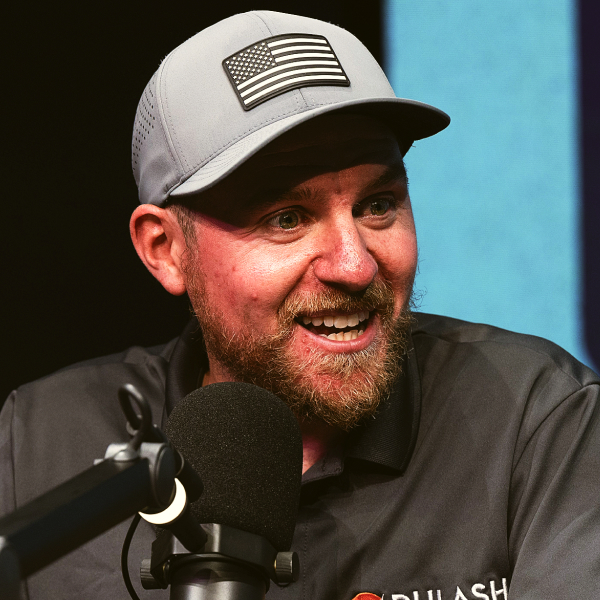
Phil Risher
Phlash Consulting
LinkedIn: Phil Risher
YouTube: @phlashconsulting
Website: phlashconsulting.com
Phil Risher founded Phlash Consulting in the Washington, D.C. Metro Area in 2019. He’s a local marketing expert, who specializes in helping businesses scale. His company helps local service businesses boost sales and fill their schedules using the unique “Phlash Customer Journey” framework to create a professional marketing system. This approach has helped clients grow their revenue by over 20% annually. Before founding Phlash Consulting, Phil was a director of business development at a major air duct cleaning company. He was tired of working with generic marketing firms that didn’t understand his industry, so he decided to start his own. Phil’s company combines digital marketing and business development strategies, and works directly with staff and business owners to help them grow. He builds strong partnerships with his clients, and most have stayed with him for over two years.



SIGN UP FOR PODCAST UPDATES
Get email updates on new episodes and podcast news.
You don’t want to miss out!
Interested in being a guest on the show?
Are you a home service professional eager to share your insights and experiences? Apply to be a guest on the Masters of Home Service Podcast, and join a community of experts committed to helping others level up through knowledge.
Other Podcasts We Love