 26 Minutes
How Listening to Customers Lifted Leads by 25%
With Phil Risher and Anthony Salazar


-
Adam (00:21)
Welcome to Masters of Home Service, the best podcast for home service pros like us. I’m your host, Adam Sylvester, and I want you to crush it in business. Do you have a hard time closing on quotes? When you give a quote to a client, do they say, “Oh, I’ll think about it.” Are you just kind of not sure why they do that? If you are and you’re frustrated, then it might be because you’re not focusing on the right thing. If you’re talking too much about yourself, “Oh, we’re so good. We’re the best.” What you really need to be talking about is the customer’s pain. That’s what drives the customer to buy. So we’re going to be talking about that today. I have two great guests with me today, Phil and Anthony. They both know customer pain really well, so we’re going to have a little sales discussion here. I can’t wait. So Phil, Anthony, welcome to the show. Thanks for being here.
Anthony (01:04)
Thank you for having us.
Phil (01:05)
Yeah, thanks for having me.
Adam (01:06)
Yeah, Phil, why don’t you start. You own Phlash Consulting. You help clients get more leads, fill their schedules. You know this stuff really well, so introduce yourself.
Phil (01:14)
Yeah, Phil Risher, Phlash Consulting. We help home service businesses grow, and one of the biggest things that we focus on is what are the pain points that people have and how can we articulate as a business that we solve them and mostly position the company as the guide, not the hero. And we’ll talk more about that today.
Adam (01:31)
Yes, exactly. Awesome. Anthony, you’re crushing it in the poop scooping world. Go ahead and introduce yourself.
Anthony (01:37)
My name is Anthony Salazar. I’m the owner of Salazar Scoops. I started poop scooping in December of 2020, and it’s just been an amazing ride. It’s me and my wife and one employee. We have over 200 customers, and there’s just a lot of dog poop out there.
Adam (01:50)
Yeah, exactly. Well, I’m glad you guys are both here. Let’s get started. If a listener of ours is thinking, I think this might be me, what is it costing them to not focus on the customer’s pain?
Phil (02:02)
A lot of times businesses, they focus so much on themselves. We have over 105 star reviews. We’ve been in business for 20 years. Blah, blah, blah, blah, blah. And their positioning themselves as the hero, and there’s a great book on this called Building a Story Brand, and he talks about that you’re not the hero, the customer’s the hero that has a problem. Focusing on that problem that needs a guide, and then that gives them a plan to solve this. And so what is it costing people? It’s costing them hundreds of thousands of dollars to grow their business because they’re focused on the wrong thing. They’re focused on trying to promote themselves as the hero when they’re actually the guide.
Anthony (02:33)
I agree. A lot of people, they focus on the features of their business instead of the benefits. So if you have a feature, finish that sentence with the words “so that”. For example, “We sanitize out all of our equipments after our appointments so that your pets are safe and we don’t spread bacteria between appointments.” So a lot of the issues that people have is because they only focus on what they do and not how their service benefits the customers.
Adam (03:04)
Yeah. My dad always says, tell them what it does, not what it is. It’s a really good exercise for companies to think through their client base as a whole, their target market, what really matters to them. So for a lawn care company, it might be new convenience. They don’t have the equipment, they don’t want to do it there themselves, they don’t have the time, those kinds of things. And that’s on the macro level. That’s important to most of your clients if you’re a lawn care provider. But what about John who says, “I had this other guy last year and he didn’t send me an invoice all year. That really pissed me off.” That’s the pain. Or like, “The lawn care guy I had last time, he left the gate open and my dogs got out. It was a miracle they didn’t get run over by a car.”
Anthony (03:43)
Or hurt someone.
Adam (03:44)
Exactly. That’s the pain. And so if we can say, ”Well, sir, if we’d never leave a gate open, will you do business with us?” Yes. You solved his pain.
Phil (03:52)
One of the biggest areas of opportunity to uncover these pain points ‘cause that’s a really big problem for people is like, what are my customers saying are the issues that they’re having? What we recommend doing is if you use call tracking phone numbers, those call tracking phone numbers, record the calls, and they have transcripts attached to them. So you can literally take those transcripts, run them through ChatGPT, or just listen to your calls back and write down what those pain points are, and then put them in your sales process and in your marketing material to talk about. Hey, a lot of times people leave the things open. Here’s our five-step checklist, and one of the points on this checklist is to make sure that the gate’s closed when you leave and take a picture of it. That’s how we overcome this objection or this problem. And when you put that in your sales process, this is a big thing. You’re getting to the pain point before the customer asks about it, and the specificity lends to credibility. So the more specific you are about a problem that they have, the more credible that you look because it seems like you’ve faced this before.
Anthony (04:44)
It’s so true because you’re having the conversations that they’re already having inside of their head, and we get a lot of customers from other providers because of leaving gates unlocked, poor quality, or not sanitizing boots and shoes. There’s a lot of stuff that when a customer comes to us, I ask them, “How did you hear about us? Why are you coming from another competitor?” And then based off of what they say, like you said, we’ll use that in our marketing message. Are you tired of your pooper scooper always leaving gates opened? Well, we always lock the gate, and we always send you a gate picture. And it really matters to our customers, at least as a pooper scooper, we’re providing peace of mind, convenience, reliability, and that’s what people want. They don’t really care about a poop free yard. They just want to know that the job is actually getting taken care of by someone who cares.
Adam (05:35)
Yeah. I think you that you uncover the customer’s pain by asking them questions, “What brings you in today? Why’d you call?” “Well, my gutters were overflowing.” “Okay, great. Anything else?” It’s my favorite question of all time. “As a matter of fact, yeah, when it rains, the water drips on my husband’s grill and he hates that.” That’s the pain. Exactly. And you have to ask him. They’re never going to lead with that. “Well, I need my gutters cleaned. I need my poop scooped.” “But why?” “I hate stepping in it.” That’s your pain.
(06:05)
Right? How do you guys uncover the pain with your clients?
Phil (06:08)
From a digital marketing perspective, we get on a call and we say, “Well, why are you calling me right now? What prompted you to call me?” And they might give you a little bit of fluff, and you kind of dig in a little bit, and you start to get to the actual pain. It’s not just, I want this service clearly. Well, why didn’t you call someone else? Why’d you call us? And you kind of dig through that, but that question is really good. Why’d you call me now? Why are you making the decision right now?
Anthony (06:27)
When I talk to a customer, I can feel what they’re feeling, and I genuinely just ask, “Why are you coming here? What are the issues that you’re running into?” And just having that conversation, showing your customers that you actually care about them and they’re not just a dollar sign. That goes a long way to your credibility and just building rapport.
Phil (06:49)
One of the things that we do as a company is, so we go through and we say, we have this high value content offer. It’s a download on our website, which is, Seven Secrets Digital Marketing Companies Don’t Let You Know, because they’re robbing you blind. And for home service businesses, we did this when I was at the home service business was when someone said, “Hey, how much does it cost?” We say, “It’s this price.” Then what we did was we had this PDF that we created with all of those pain points that we already knew that they had that answered them, and we said, “Hey, no worries. It might be a little more expensive. Let me email you this so that way you can make an educated decision,” and it literally bang, bang, bang, bang everything that they want like, “Wow, these people really know. They’re in my head.”
Adam (07:25)
How do they know this?
Phil (07:26)
And that’s the part of taking the problems and then turning it into a sales tool or a marketing tool to get leads coming in.
Adam (07:31)
Yeah. Earlier you mentioned Don Miller, and he would say that if you can articulate the customer’s problem better than they can, then you’ll get all the business.
Anthony (07:39)
I agree. And it really depends on the actual target audience because how you speak to a residential customer is completely different to how you would talk to a property manager for a commercial account. So similar to you, I made a digital download called, The Step-By-Step Formula For Reducing Pet Waste Complaints In Your Community, and I thought through, and I talked to a lot of property managers like, what are the issues you’re running into and what is a property manager’s goal? What do they want? They want tenants to stay with them longer. They want to increase their satisfaction. Why? Because they’re going to lead to more referrals to the property, and it’s going to lead to more five-star reviews on Google. So I created a five-point checklist. It’s a 20/30 page PDF talking about the five different issues that a property manager is going to run into with dog poop on their property. And it positions me as the authority and as the solution to that problem.
Phil (08:37)
Yeah, it’s perfect. I mean, this is a perfect example. Do this, this is exactly what we’re saying, residential, B2B, have those talking points and then use that inside of your sales process. It works.
Adam (08:47)
Yeah. If you talk to a commercial guy the same way you talked to Ms. Betty, you’re going to fail. You have to ask him what matters to them most and all that.
Phil (08:53)
And don’t just stop at the PDF because you can create a video on this. When you send an estimate out in Jobber, you can have a trigger that a video goes out with that estimate, and in that video you say, “Here are the top five questions we get about our service. Let me go through these pain points and talk through how we mitigate every single one of these things.”
Adam (09:13)
That’s great.
Phil (09:14)
You’re getting out in front of it. People might not read a 20 or 30-page PDF, but they will watch a one or two-minute video from the owner talking about the pain points that they’re going to feel when they start looking at this proposal.
Anthony (09:23)
That’s actually a great point, and it’s similar to my onboarding process. When someone approves a quote on Jobber, we send them a welcome to the Salazar Scoops family email. It has a link to our terms of service. It has an onboarding video talking about everything that they need to expect. We tell them that we’ll send them a text message 30 to 60 minutes before we arrive. We tell them that we love scooping with dogs in the yard as long as they’re not aggressive, and we tell them to put any aggressive dogs inside. So anything, any question that they may have about the service, especially with poop scooping, because it’s still relatively new and people don’t really know what to expect. I like breaking that down in that welcome to the family email, and then I send subsequent emails, the closer it gets to the scheduled date with just like, “Hey, just a reminder, we’re going to be there on so-and-so date. You’re going to get A, B, C, and D happen during that appointment, and we’ll let you know when we’re done.” And I just giving as much information as possible just to level set the expectations with the customers.
Adam (10:21)
Anthony, you’re a big video guy. Well, you guys both are, so we’ll get both your opinions, but how have you used video to capture the pain points of your customers and then use those videos in a compelling way to communicate with clients that you’re going to actually solve their problem?
Anthony (10:37)
I use a lot more video on my online brand portion, but it’s still applicable. So when it comes to my online brand, Poop Scoops For Noobs, who am I making content for? I’m making content for people who they’re working a nine-to-five job, they’re tired of working for the man. They want to start doing a side hustle. So I’ll start saying things like that in my content saying, “Are you tired of working your nine-to-five job? Do you feel like you’re working at a deadbeat job?” I’ll do B-roll if someone’s sitting at a desk looking miserable on a computer. So I think through who’s the target audience? What are the feelings that they have in that moment? Why are they clicking on my video in the first place? Well, because they aspire to do something better. People who sign up for your service or they want to watch your video, why did they do that? Because they’re not looking for an answer. They’re looking for a transformation. They want something better for their lives. So I try to think through that end piece, what are they trying to get to? And then I work backwards from there.
Phil (11:31)
Yeah, I would say this is a big unlock for a lot of people and it’s going to hit home for them. If you’re running Meta Ads, Facebook, TikTok, whatever, any type of video ads, and you’re not testing your content organically first, and you’re testing content on your ad platforms, you’re literally wasting money to try to test content on ad platforms. What you should be doing is taking the problems, whether that’s through taking the calls or whatever, building hooks, building organic content that people are going to watch. Then whatever’s working, then all you have to do is just take that content and run ads on it that’s going to hit the pain points. And then you don’t have to pay this testing tax or the stupid tax to try to run ads. Now you have what organic is working with pain points that’s going to convert, run ads with that. And a lot of people fall into this trap where they’re just trying to slap stuff and get cheap Facebook leads. You need to run this process actually, and use the customer problems in whatever you’re advertising.
Anthony (12:24)
And once you find a piece of ad content that works, test the hell out of it. Maybe it was the hook that you did, but you should have a different background. You should have a different color shirt. You should say the exact same thing, but do it in a slower speed or a faster speed. If you find something that works—if you average, let’s say a hundred views, but then you find an organic piece of content that does a thousand views for whatever reason, that piece of content worked for your target audience. So you want to milk that as much as possible and use it in all areas that you can.
Adam (12:58)
Give our listeners some practical ways that they can get to know their customers so well. It’s like knowing your neighbor down the street who you’d have over for dinner. How do we equip our listeners to go out today and start learning what our client’s pain points are on the macro?
Phil (13:15)
I would say so first, it’s going to be if you go on Google or YouTube and you start typing in something, it’s going to give you prompts of what common people are searching for, other people are searching for. So you can start there by getting a list of some of the questions or some of the things people are asking about based off of the service that you offer. Then there’s a tool called, AnswerThePublic, which is a very good tool you can put in the service that you offer, and it’s going to show you a lot of the questions and the search volume on those questions. Then you could take that and say, okay, well everyone’s asking this question and this is a problem, so let me make content on this. So that’s ways that you can do that without even talking to your customers. The other thing I would say is if you’re really honing in on this, you could, at the end of the service, let’s say you send out an invoice in Jobber, you could create a form and it’s basically like, “Hey, for the month of January, we are surveying our customers,” like a net promoter score, “And we’re asking them, what’s the main reason why you work with us? Why did you switch from your last thing?” And basically send it out for one month or one week, and you’ll get a bunch of information back from your customers and say maybe, “We’re giving away or we’re pulling a random person getting a hundred-dollar Amazon gift card.” So if you don’t mind doing this, it really helps us. And then also you get something out of it.
Anthony (14:21)
And I would say talking to your customers is super important, but doing research, you can go on Google, look up your competitor’s reviews, see the one-star reviews that they have, because if a customer is spending time to actually complain, that’s actually a pain point that they’re having. And on the flip side, I don’t know what the actual term is, but Google shows keywords that a lot of people are saying. So for example, mine, I have the word gate, price, and dog. So a lot of people are leaving, and they’re mentioning the gate in their review. So go through your own reviews and look at your competitors’ reviews, look at those key terms, and then you can see these are the things people are actually writing in their reviews, and it matters to them. And then you can use that in your marketing.
Adam (15:07)
On time. Communication-friendly. Yeah, there’s a great way of doing it. Yeah, totally, totally.
Phil (15:11)
That’s a great point. Go to the one-star reviews your competitors have, and just make content off of those.
Adam (15:15)
I would say I would hop on the phone for two weeks straight and just pretend to be the CSR for two weeks. I think two weeks will give you pretty much every pain point every client will ever have in two weeks. And then I also say that clients won’t always play the game the way we’re talking about it. They won’t always be able to articulate what we want them to say. The woman won’t always say, “It drips on my husband’s grill and it drives me crazy,” and sometimes they’re just not that articulate. They’re busy, they’re rushed. If they give you really vanilla, bland answer, you don’t have to stop. If you already know what the pain points probably are, you can lead them into the answer, and then they will have the same effect as if they came up with it all on their own.
Anthony (15:58)
At least in my line of work, our neighbors will come out or the customers’ neighbors will come out and they’ll ask us, “What are you doing?” And then we’ll tell ’em that we’re picking up dog poop, and then the neighbors will talk a lot of crap about the neighbors. So I just know that’s a pain point for a lot of our customers. When it comes to poop scooping, there’s a lot of shame and embarrassment having to ask someone to come to your house to pick up the dog poop. So I can use that in my messaging and my marketing. Are you tired of your mother-in-law always judging you because of the dog poop? Are you always tired of the Karen neighbor who doesn’t want to invite you to the barbecue because your yard smells like poop? I’ll use stuff like that.
Adam (16:35)
Guys, this is a great conversation. I’m going to pause for a second. Talk about Jobber. Phil, what makes you love Jobber so much?
Phil (16:41)
Jobber’s like on the forefront when it comes to AI stuff, and one of the features that I like, a lot of our clients use it is the AI receptionist, which it can answer calls for you after hours. It can be a rollover call if you’re on a job site or something like that. But the beauty is what we’re talking about today is that it will obviously answer your calls, but it will give you those transcripts and recordings so that way you can find these pain points of what we’re talking about. And I think that a lot of people, they’re worried about AI, want to answer the phone and be real, but if you’re missing out on calls and you’re not booking the jobs, that’s missed revenue, so you might as well set this up so that way you at least catch those things.
Adam (17:11)
Yeah, I agree. I think Jobber is definitely on the cutting edge of technology, and they’re always pushing for more features. So I agree with that. You really need to be a part of the Jobber family. If you’re not using Jobber, you need to, it’ll make your whole business run better and smoother. So go to jobber.com/podcastdeal, get the exclusive discount and start using all the Jobber features today.
(17:30)
So talking about listening to your phone calls and learning what the client’s problems are and all that. I mean, it’s great for marketing in general, right? Advertising, email marketing, flyers, all kinds of marketing channels. How have you guys used the pain that you guys are hearing from your clients? How have you transitioned that into a whole marketing message. Like all your marketing collateral? Have you guys done that?
Phil (17:53)
Yeah, we work with an electrical contractor, and they’re in Florida, so they get a lot of power outages. And so in the emails that we’re sending out on a monthly basis, in the subject line, we’ll say, “Prepare your home for the next storm, or don’t lose power when the next hurricane hits.” That’s literally the subject line. So it’s kind of hitting at the pain point. Then when they click into it, it’s like, “Okay, I don’t want to lose power, so how do I do this?” And now you can kind of go into your next messaging. The other big piece of this is if you’re running Google search ads, you want to put these pain points in there because people are searching for a servicer or problem. Then when you’re saying, “Hey, are you facing this issue? We solve this problem,” they’re going to be more inclined to click on that than something that like, “We have 505 star reviews or whatever.” So using the pain points as your leading message for your subject lines, for your ads, that is basically the hooks, like we talked about for social media, and you need to be using those. It builds credibility for your business.
Anthony (18:45)
Yeah, this is a perfect example of a Dan Kennedy principle. I study a lot of Dan Kennedy, but he talks about “message-to-market match”. What you’re saying needs to resonate with the target audience because if you’re saying something that doesn’t matter to them or if you’re not using their tribal language, it’s just not going to hit with them. So, for example, I was featured on a TV news segment talking about my scooping business, and it was awesome, and I sent out an email marketing campaign, but I segmented my list one to all of my past previous customers and my current customers. And that email, the subject line was, “We were featured on TV. All thanks to you,” because they’re the reasons why we’re on TV. They worked with us, they’ve shouted a sell, like our customers are awesome. And then on the flip side, all of the leads that I had who I’ve never worked with, I sent them the same exact email with a different subject line saying, “Utah’s most popular pooper sweeper was featured on TV.” And then the messaging in that email is slightly tweaked. It’s still having the same call to action. Go click this link, watch our TV segment. But how I’m communicating that message completely changes depending on how I segmented that audience.
Adam (19:59)
Yeah, that’s awesome. I feel like the subject line is so important if we’re talking about email marketing, because you can either reach out to the screen and grab the person’s eyeballs and pull them into your email, or they can just see it and then just scroll onto the next one.
Anthony (20:10)
One of my best converting automated emails on Jobber, subject line, question, dot dot dot, and then the body of the email says, “Have you given up on getting your dog poop scooped?” And that has converted so many people to just approve their quote. And it’s something so simple because there’s a lot of ego in people. They don’t want to feel like, oh, I didn’t give up. I’m still doing this. I’m just really busy right now.
Phil (20:34)
If you’re following up with your estimate, this is a very good point. If you’re following up with your estimates, you don’t want to be that guy that’s like, “Hey, just checking in. Did you get a chance to look at this?” over and over and over again. What you need to do is you need to agitate the pain point. “Hey, were you able to solve that poop scooping issue that you had? Hey, were you able to solve those leaky gutters?” That’s a different way to reframe your follow-up process and to re-agitate that problem that a lot of people aren’t doing. I also want to hit on something that you talked about, which is the B2B partnerships like HOAs, property managers. A lot of people, they want to work with property management companies and HOAs, but they go about their messaging completely wrong. They go and start with, we have discounted rates for property managers, and you get this pricing, specialized pricing, and this and this. Where you really need to hit on is these pain points when you’re talking with them because they’re probably facing those pain points, and they just want a company that’s going to solve them. They don’t necessarily care just about the dollar amount or any of these other things. And a lot of people lead the wrong way with that, and they need to start leading with the actual problems that they’re facing.
Anthony (21:25)
And that’s a great point because how do you position yourself as an authority figure in your home service space? So this is a shameless plug for me, but I actually wrote a book for property managers called, What Every Property Manager Needs to Know About Effective Pet Waste Management. Don’t be like me and have a typo. In the title, it says “Managment”, but it’s management. But this entire book is essentially a lead magnet that I created. It talks about the pain point. It has seven different chapters on legal and community guidelines, effective pet weight management solutions, cost-benefit analysis. It talks about literally everything that a property manager would want to know on implementing a pet waste management solution. And then the very last chapter positions me as that solution for them. So if you want to work with more property managers, like create lead magnet, create a PDF to write a book, everyone can be an author. We all have an expertise in something like this. Took me a month to write, and it’s only like 30, 40, 50 pages. It doesn’t take that long to self-publish a book.
Adam (22:24)
That’s great
Phil (22:25)
We talked a little bit about Dan Kennedy in some of these practices, but one of the great books that he has is called, Marketing to the Affluent. And I would highly recommend that every single person read that book because they want the affluent people, but they don’t know how to target them. And in that book, he will literally lay out what you do to market to the affluent. One of the things that I took from that was that as you charge more money or people start working with you, they work with you because of who you are, not what you do, and you hit the nail on the head. Like when you create this authoritative content talking about people’s problems, they say, “Wow, this guy really gets it.” And they don’t really care necessarily about the price because they know that you are going to solve their problem because you lead with the value first.
Adam (22:58)
Guys, this is great. I’m going to boil it down to the three best takeaways. There’s a lot of takeaways, but I think these are the top three. Number one is position yourself as the problem solver to your client. You want to make sure that you’re addressing their pain. So go back, look at all your website, all your website content, your emails, everything that you do from a marketing standpoint, make sure that it’s focused on the customer’s problem, not just on how great you are. Number two, I love this one. Go look at your competitors’ one-star reviews because you’ll find out what the pain points are really fast by doing that. And you might have a couple of one-star reviews yourself. Check those out, learn from those. Build your messaging around those pain points. And number three, I love this one as well, is when you follow up on a quote that’s not approved yet, instead of just saying the same old, “Did you get my quote? And are you ready?” Say, “Did you solve your problem yet?” That’s going to agitate the problem. “No, it’s still not. My roof’s still leaking. I got to get that done.” You got to agitate it some more. So don’t just go for the bland follow-up. Did you solve your problem? I love that.
You guys. This is great. I really appreciate you guys being here. Final question for you, Anthony, Phil, this is hard. Running a business, owning a business, starting a business is not easy. A lot of our listeners are in the thick of it. They’re struggling. They might be succeeding greatly too. What would you say to ’em? Why do you guys do this? What drives you every day?
Phil (24:12)
When I was at a home service business, there’s a lot of marketing companies out there that promise the world it’s all black magic and voodoo, and no one knows if it’s working or not. And for me, it’s like I want to be an ethical company, transparent, consultative, that works with home service businesses to help them grow. And it drives us every single day to make sure that we can prove that out and make sure that we’re helping our clients grow.
Anthony (24:31)
I would say for me, it’s more of a personal reason. I had my daughter when I was really young. I was 16 when she was born, and that completely transformed my journey in life. So everything that I do is based off of just providing her the type of future and the quality of life that I didn’t have. My mom lives with me and my wife, so I support her. I support my family. So a lot of it is my family, and then I genuinely just want to help the scooping community. That’s why I make content online. I love talking about dog poop, as weird as that sounds, but I know there is something for everyone if you just put in a little bit of effort. Yeah, that’s great.
Adam (25:10)
Yeah, that’s great. Well, Anthony, how do people find out more about you?
Anthony (25:12)
You can find me online on Poop Scoops For Noobs on YouTube or my website, poopscoopsfornoobs.com. And if you want to learn more about the poop scooping industry, you can check us out on Skool at Poop Scoop Academy.
Adam (25:24)
Cool. Thanks for being here. Phil.
Phil (25:25)
Yeah. phlashconsulting.com—P-H-L-A-S-H consulting dot com. We do these free marketing audits. We hop on a call, show you everything that’s broken and how to fix it. If we work together, great. If not, you still get a bunch of takeaways.
Adam (25:36)
You guys are crushing it. Keep crushing it. Thanks for being here.
Anthony (25:38)
Thank you.
Phil (25:39)
Thanks.
Adam (25:39)
And thank you for listening. I hope that you heard something today that will help you address your customer’s pain and close more deals. I’m your host, Adam Sylvester. You can find me at adamsylvester.com. Your team and your clients deserve your very best, and your family. So go give it to ’em.
About the speakers

Adam Sylvester
CHARLOTTESVILLE GUTTER PROS AND CHARLOTTESVILLE LAWN CARE
Website: adamsylvester.com
Adam started Charlottesville Lawn Care in 2013 and Charlottesville Gutter Pros in the fall of 2020, in Charlottesville, VA. He likes to say, “I do gutters and grass! When it rains the grass grows and the gutters leak!” He got into owning his own business because he saw it as a huge opportunity to generate great income while living a life that suited him. He believes that small companies can make a serious impact on their communities and on every individual they touch, and he wanted to build a company that could make a big difference. His sweet spot talent is sales and marketing with a strong passion for building a place his team wants to work. Adam values his employees and loves leading people. While operations and efficiency is not something that comes naturally to him, he is constantly working to improve himself and his business in these areas.
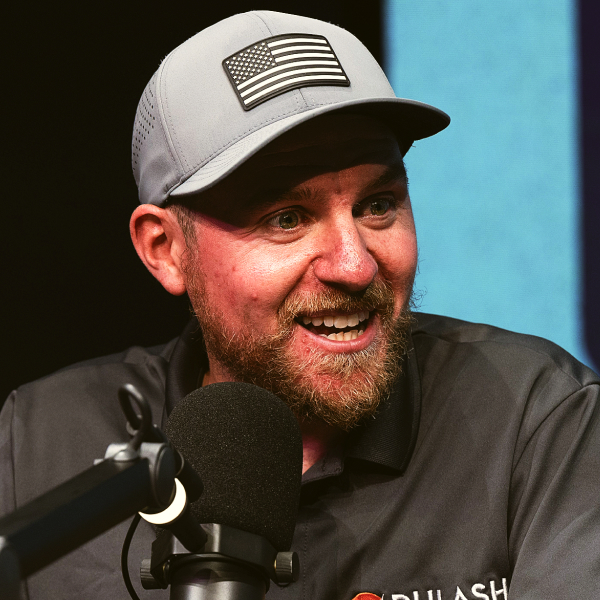
Phil Risher
Phlash Consulting
Website: phlashconsulting.com
Phil Risher, owner of Phlash Consulting, helps local service businesses increase their sales and keep their schedules full through data-driven digital marketing consulting. After helping a 20-year-old $3m service business scale to $5m in 24 months and sell to
private equity, Phil took that blueprint and now helps other home service businesses grow.
Phil’s efforts in technology and small business have been featured on Jobber’s Masters of Home Service, Forbes, CNBC, and Yahoo Finance.
Anthony Salazar
Salazar Scoops
Youtube: @poopscoopsfornoobs
Website: poopscoopsfornoobs.com
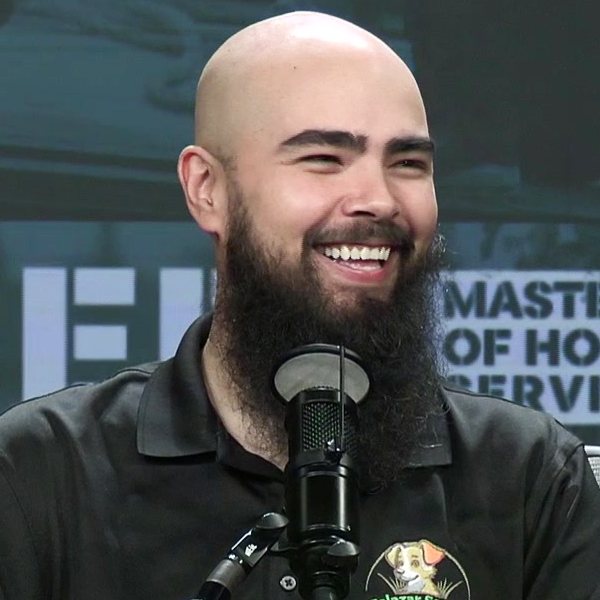
Anthony Salazar is the founder of Salazar Scoops, a leading pet waste removal service dedicated to simplifying life for property managers and pet owners. With over 15 years in customer experience and support roles, Anthony led teams of up to 16 people as a Senior Manager before pursuing entrepreneurship full-time in 2020.
Recognizing the growing need among overwhelmed pet owners, Anthony started Salazar Scoops to offer reliable and efficient pet waste management services. Since its inception, Salazar Scoops has become an industry leader, coaching businesses nationwide on starting and growing their own pet waste removal operations.


SIGN UP FOR PODCAST UPDATES
Get email updates on new episodes and podcast news.
You don’t want to miss out!
Interested in being a guest on the show?
Are you a home service professional eager to share your insights and experiences? Apply to be a guest on the Masters of Home Service Podcast, and join a community of experts committed to helping others level up through knowledge.
Other Podcasts We Love