


Skip to content

How to Set Up a Referral Program for Your Service Business

Profile picture of Brittany Foster, freelance author for Jobber Academy.
Brittany Foster
Start Trial

Key takeaways:

Originally published in March 2020. Last updated on October 14, 2025.

Customer referral programs leverage happy, satisfied clients to attract new leads.

Adding one to your service business’s marketing strategy can generate high-quality clients, saving you money in advertising costs and boosting profit. 

Learn how to set up a referral program that rewards loyal customers, brings in new ones, and keeps your schedule full in this guide.

What is a customer referral program?

A customer referral program encourages happy, loyal clients to send new customers your way in return for a reward. 

Referrals turn happy customers into advocates who promote your services, resulting in high-quality leads and more booked jobs.

How do customer referral programs work?

Customer referral programs incentivize loyal, satisfied customers to recommend your services through rewards like small discounts, free products or services, or gift cards. 

Many customer referral programs are tiered, offering more valuable incentives as customers refer more work.

Types of customer referral programs

When planning out a referral program, you have a few different types to choose from:

1. Single-sided referral program

Only the referring customer gets a reward. For example, a mowing client refers a neighbor to you and, in exchange, receives 15% off their next service.

2. Two-sided referral program

Both the referrer and the new customer benefit from the referral. For example, they each receive a $25 credit towards a cleaning service.

3. Tiered referral program

Customers are entitled to different rewards based on the number of referrals they provide you with. For example, 10% for a single referral and a free upgrade to a deluxe service after five.

4. Points-based referral program

As customers send you referrals, they accrue points to use for the referral reward of their choice, like a discount, product, service, credit, or gift card. The more points they have, the bigger or more valuable the perk.

5. Partnership referral program

You collaborate with another business to share referrals. For example, if you have a window washing business and partner with a pressure washing company to exchange referrals.

6. Group referral program

Customers who sign up in groups receive discounts on services. For example, a neighborhood where many homeowners need their driveways sealed. If everyone books at the same time, they all receive a discount or credit. 

READ MORE: 10 customer referral program ideas

How to create a referral program

Building a successful referral program takes careful planning, enticing incentives, and consistent effort. Follow these steps to get started.

1. Define your ideal customer

Figuring out who your ideal customer is helps you understand who to target with your referral program. For example: 

  • Do they need one-off or recurring services?
  • Where do they live?
  • What’s their budget?
  • Do they want seasonal or year-round services?
  • Are they residential or commercial?

By creating a referral program that targets them specifically, you’re more likely to bring in serious clients who are ready to book your services.

2. Choose the right referral rewards

The incentives you choose make a big difference in how many people will actually use your referral program. If they’re too niche, too small, or too unrelated to your services or customers, they won’t entice anyone. 

Some of the most effective incentives for service business referral programs include: 

  • Discounts or credits on past or future services
  • Free upgrades or add-ons, like fertilizing a lawn or deep cleaning an oven
  • Free products added to their next appointment, like lawn seed, a furnace filter, or hand soap
  • Gift cards for local restaurants or coffee shops
  • Tickets to local events like football games or concerts

Just make sure whatever you choose aligns with your customers, budget, and services.

3. Make it easy for clients to submit referrals

The easier it is for customers to refer people to you, the more likely they are to do it. 

One of the most important parts of your referral program is choosing which channels to offer it through. 

For example, you can use: 

1. Email: After you finish a job and you’re confident the customer is satisfied, send out an email asking for a referral. If they have one ready, get them to introduce you via email. If you receive an email from a potential customer and they mention they were referred, ask who referred them so you can reward the person who recommended you. 

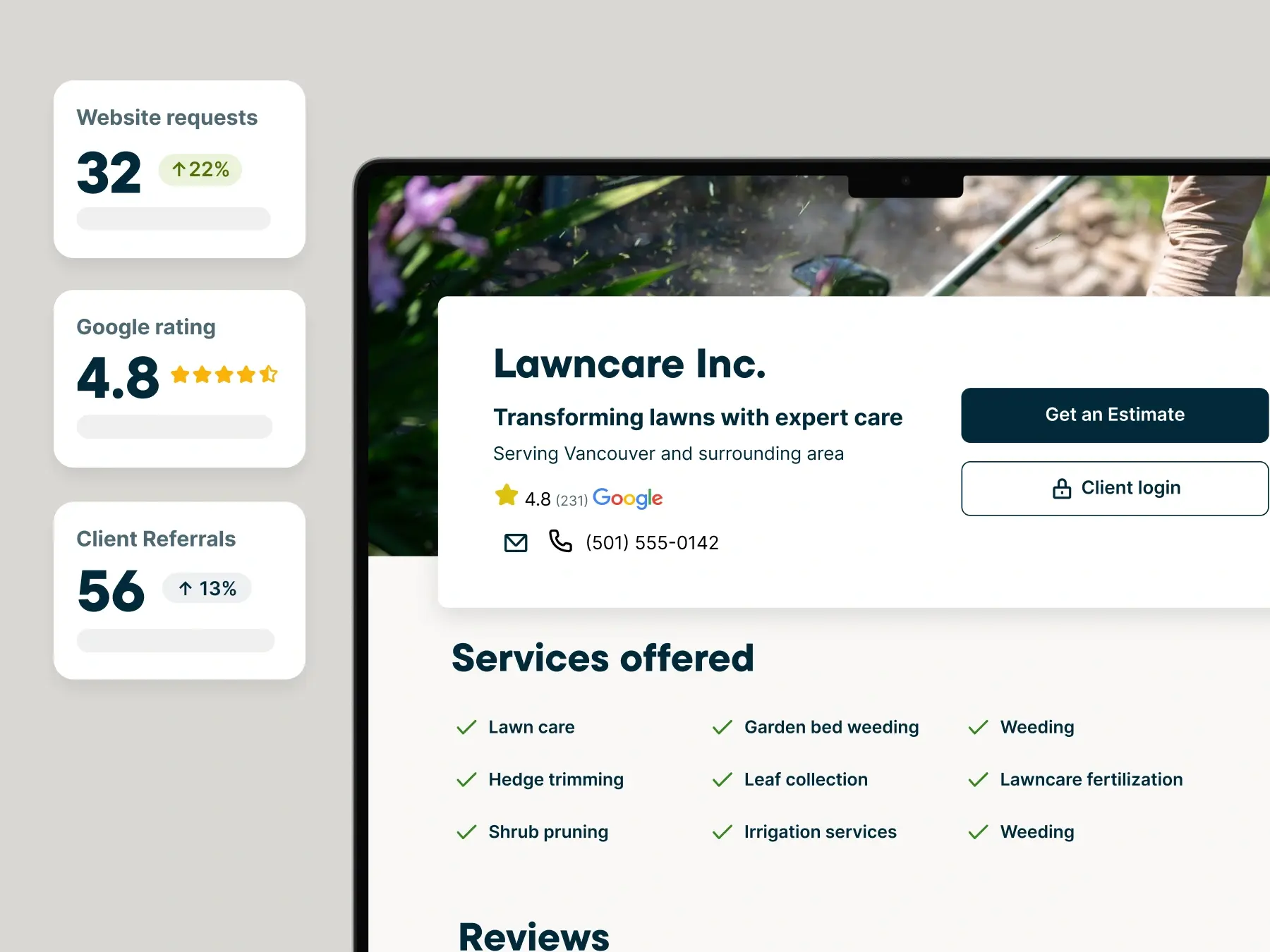
2. Website: If you have a website, you can include a referral form on your website that customers can use to submit referrals to you. The form usually includes the referrer’s name and info, as well as contact details for the friend or family member they are referring. 

Pro Tip: Make a note on your referral form that reminds customers to get permission to share someone else’s personal information.  

3. Referral links and codes: Referral links and codes are a simple way to structure a referral program. You can make a referral code (like REFER123) or use referral software to generate referral links that you can share on invoices and receipts and in marketing material like emails, business cards, and advertisements. 

When someone mentions the referral code or books a service through the referral link, you’ll know how they got to you.  

4. Social media: You can use your Facebook business page or other social media profiles to ask for and collect referrals through posts and comments. It’s a little harder to track, but it can work well on reels or videos of your services. Just make sure to be clear about how your program works. 

For example, a customer must tag a friend in a comment on your video, and the friend must follow you for either one to receive a discount. 

5. In-person: Ask for referrals at the job site, either during a conversation or by giving the customer a flyer before you leave.

4. Use software

Manually managing a referral program can quickly become overwhelming as your business scales. Referral software streamlines the entire process, helping you capture more referrals, track results, and reward loyal customers without added admin work.

With Jobber Referrals, you get:

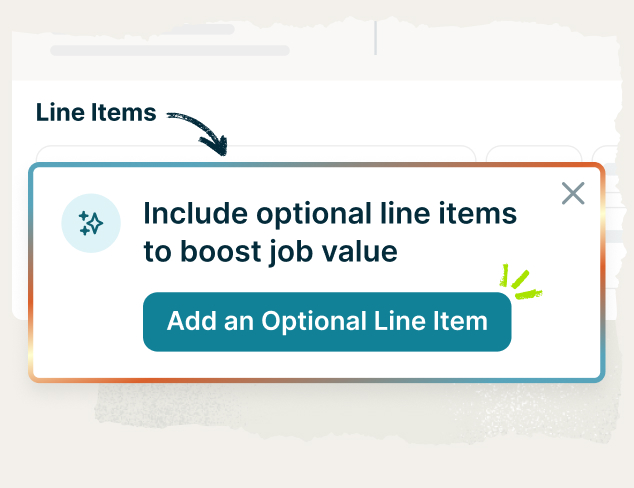
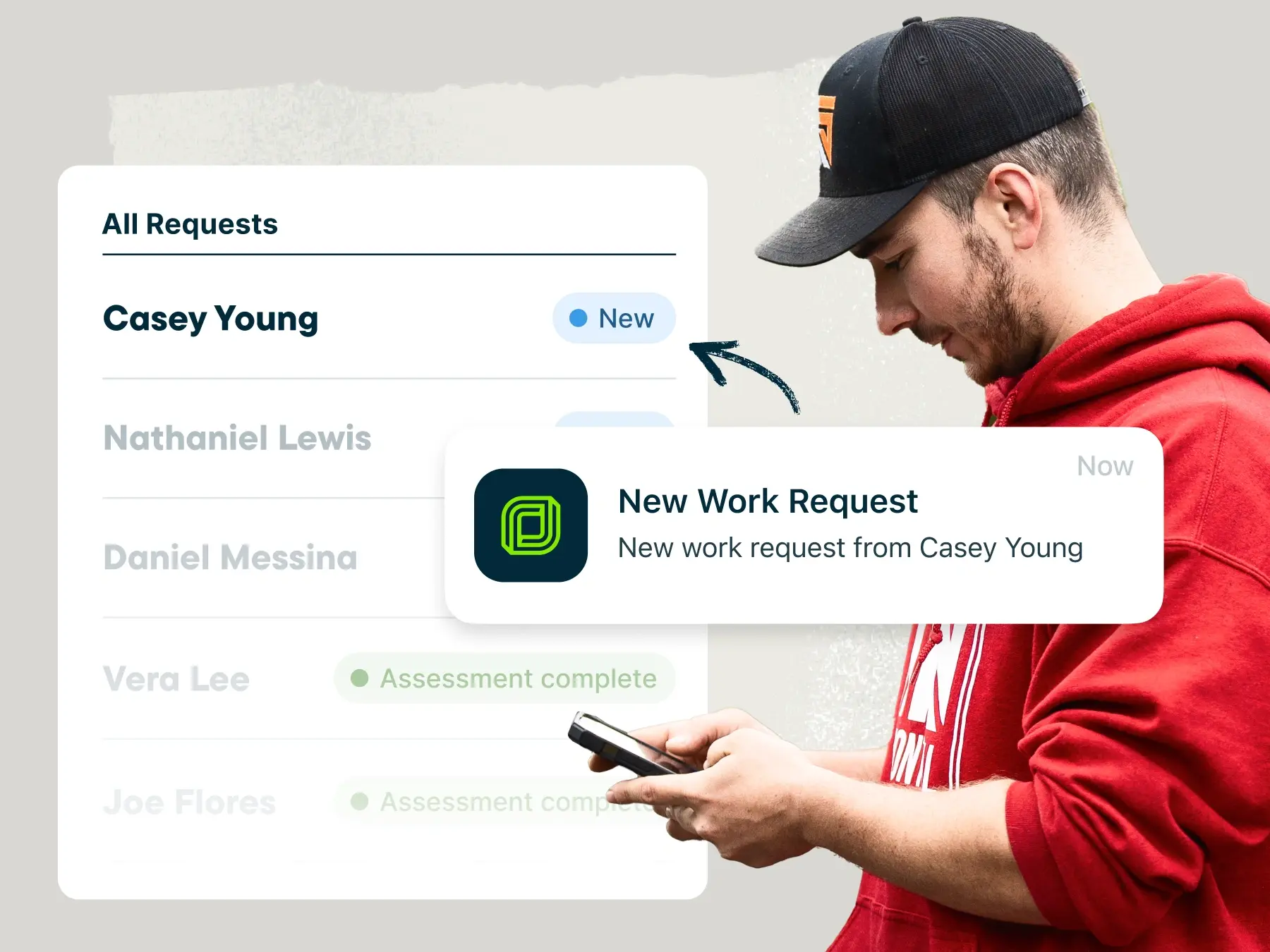
  • Automated referral requests: Get more referrals by automatically asking your happy customers for a referral after a job is closed.
  • Referral tracking: Make sure no referral goes unnoticed with tracked referral links that your clients can share or you can enter manually.
  • Referral incentives: Thank your referring clients with service credits that are automatically applied to their next invoice.
  • Referral reporting: See the impact referrals have on your business by tracking your conversion and job revenue—no manual work required.
Jobber Referral users have an average win rate of 70%

5. Promote your program

Next, you need to spread the word about your new referral program. 

Start by outlining the basics of your referral program, like: 

  • How it works 
  • What the incentives are
  • Who qualifies 
  • Any disclaimers, such as time limits and availability

Once you have the basis covered, you can use that information to promote your program through: 

And remember to tell your team about it so they can inform clients at job sites and help generate interest.

6. Track progress

The only way to know if you have a successful referral program is to track: 

  • Referring customers: How many existing clients are sending referrals to you
  • Leads: How many customer referrals turn into quotes
  • Conversions: How many successful referrals result in booked jobs

Depending on how you set up your referral program, you can either track these metrics manually or use referral software to do it for you. 

Based on your results, tweak and update your program to boost its potential. 

For example, if you don’t get as many customer referrals as you expected, follow up after jobs to gauge customer satisfaction. Or if you get a lot of referrals but only a handful turn into leads, consider offering an incentive to both referrers and referees.

What makes a good referral program?

Since referrals depend on happy, loyal customers to send work your way, it’s important to be mindful of best practices. Otherwise, you risk negatively impacting your relationship or attracting negative reviews

For your referral marketing program:

  • Make your referral process easy for current customers and leads to use
  • Offer relevant, valuable incentives that make sense and appeal to a large group
  • Focus on providing excellent service to every client to boost trust and satisfaction
  • Regularly promote your referral program as your customer base grows
  • Ask for reviews that act as general referrals for your business, like positive reviews on your Google Business Profile that potential customers can see
  • Set parameters for your program, like only referrals that result in completed jobs will receive a reward

What are the benefits of client referral programs?

Customer referral programs are worth considering for many reasons, such as:

1. Low cost per lead

Lead generation platforms, like Thumbtack or TaskRabbit, charge a fee per lead, while referrals only cost as much as your incentives. Starting a referral program is an excellent way to stay on top of marketing costs while bringing in new customers because you’re in complete control of your budget. 

You can also set parameters to ensure you’re costs are always covered. For example, by only offering perks for referrals after a job is finished.

2. High ROI

Let’s say you offer a cleaning customer a $25 credit on their next service for referring a new client. Then, the referred customer books you for biweekly, ongoing appointments. 

You only spent $25 to get recurring revenue that will boost profit, keep cash flow steady, and guarantee income. Even if they only book one or two services, that’s probably still worth a lot more than what you would normally pay for a high-quality lead.

3. Better customer relationships

Rewarding loyal customers for giving you referrals strengthens your relationship and shows them you value their support—not just their business. That will encourage them to refer even more people to you, creating a steady flow of leads for your business.

Frequently Asked Questions

How much you spend per referral depends on your budget, profit margin, and average job value. You can use job costing to see what your most common services bring in and determine a price point from there. 

For businesses with lower-cost services, a small gift card or credit can be an effective referral incentive. But for industries that typically have bigger contracts, like HVAC or plumbing, a common range is 5-10% of the job’s worth. 

For example, a $25 gift card or credit for a future service could be an affordable option for dog walking, lawn care, or house cleaning services. Whereas an HVAC company with a $1000 contract might offer a 10% discount to make it worthwhile to the referrer.
Yes, referral programs work well when you: 

• Offer enticing, relevant rewards
• Keep the process simple and straightforward
• Focus on promoting it to satisfied customers
• Have rules in place to keep spending in check
• Use referral software like Jobber to keep it running smoothly