 29 Minutes
How to Hit $500K with Free Marketing
With Hunter Patrick and Jon Dawson


-
Jon (00:00):
Forty-five minutes of editing a video just landed me in what I think it was like a 400 and something thousand-dollar job. And I was like, we could do this, we could do this.
Adam (00:08):
Let’s do it again.
Jon (00:09):
And then I was like, okay, I’m posting every single day.
Adam (00:12):
Welcome to Masters of Home Service, the best podcast for home service pros like us. I’m your host, Adam Sylvester, and I want you to crush it in business. My two guests are crushing it in business today, but it wasn’t always that easy. Maxed out credit cards, $20 in their checking account, the phone’s not ringing. You feel invisible to your customer, and yet here they are on the other side. They persevered, they pressed on. They are the entrepreneurs, Hunter, Jon, thanks for being here. I really appreciate it. You guys really are crushing it. Before we get into the nuts and bolts of everything, I want you guys to just share who you guys are, what kind of business you guys run, and that kind of stuff. Hunter, why don’t you go ahead and go first?
Hunter (00:50):
I own a junker removal service company, and I started back in late 2021. I love what I do.
Adam (00:56):
Awesome. Glad you’re here.
Jon (00:57):
So I have a construction company, custom homes, restorations, and then I have a lawn care business as well as a residential and commercial cleaning company. I love it. I love being out in the field. I love moving around. It’s barely work to me at this point. It was the beginning. It was tough.
Adam (01:11):
Well, you guys are both Jobber users. That makes all three of us. You guys are crushing it, not because of the results necessarily. You guys got you both over 500,000. That’s awesome. Just the fight, the grit, the sheer power you guys exerted to get to this point is what the American dream is all about. It’s what business owners dream for. It’s the backbone of the economy. So, take us back to the hardest part where it just got so low, and you guys were smiling.
(01:38):
And it wasn’t funny then, right? Take us back to that moment at and when you almost quit, you almost said this just isn’t worth it. Take us back to that. What was going through your mind at the time?
Jon (01:48):
Well, I know for me when I first started, we’ve all heard this, you have nine to five and then you’re like, well, I’m going to start my own company so I have freedom, and then you have a 24/7.
(01:56):
And that was where I kind of found burnout at the beginning was thinking that I was going to start this company my time. If I want to go grab lunch, I’ll go grab lunch. If I want to go do these things, I’m my own boss. I thought it was going to be this cool thing that I could call myself an entrepreneur or business owner. And then you realize that you go do your work, you go home, you do your books, and if you’re doing marketing yourself, which a lot of us are in the beginning because we don’t have marketing budgets, you’re doing marketing and then you’re up till midnight and then you up first thing in the morning, making sure you’re back on the job site, working on the job, doing labor. So that was where I reached a lot of burnout, even in the first six, seven months was like, oops, did I just totally do the wrong thing?
Adam (02:32):
This isn’t what I expected.
Jon (02:33):
Yeah, it was scary. It was tough to push through and it was a rude awakening for sure.
Hunter (02:38):
Me personally, I never experienced burnout. I didn’t, I swear I was working a full-time job, and on my lunch breaks, I went out and I would run junk removal jobs. I got my jobs on Facebook, and I would go out and do the jobs, come back to work, finish off my work for the day, and I’d go out and run more jobs, and I would go home. I would do my marketing. I would contact any customers I had to contact, and I would repeat that process. My life was work. I left the house at 5:00 AM in the morning, got to work. I wouldn’t come home until 10, 11 o’clock at night. I lived in Gainesville, so it was an hour from my job. I mean, I didn’t have a choice. I could not afford my rent. I had to sell off vehicle. All I had was my motorcycle. I had to sell that off, and then so I had nothing. I had to figure it out. So there was no burnout for me. I didn’t have a choice. I was in a position where if I did not do it and I did not make extra money, me and my girlfriend were going to lose my apartment. I think where adversity comes in, because you get to make a choice, where it’s like, do you want to make it happen? Do you want to survive, or do you just want to be average and not go the extra mile? And that’s the hard part, but that’s where you find out whether you’re capable of being an entrepreneur or not. Can you go that extra mile?
Jon (03:40):
So can I ask him a question real quick? I’m curious. I like what you’re saying. During that time, had you ever experienced moments where your energy was just like you had to dig a little bit deeper, you had to, it’s 5:00 AM on the 10th day in a row, and I’m eating lunch in the truck. I’m eating lunch on the go. I haven’t had the time to sit down and even scroll on my phone. Did you ever hit any moments like that?
Hunter (04:02):
Dude, I hit more moments like that than I can even imagine. All it was was grit. But when I say I didn’t experience burnout, I didn’t experience quitting. Of course, I know burnout is the will to quit, but a lot of people, when they explain burnout, is slowing down, not actually doing the work. I didn’t want to do any of it. I wanted to sit in a corner and cower and do nothing because it was so unbelievably difficult. It was more difficult than anything I had ever done in my entire life. You thought school was hard. Testing was hard. Working out was difficult. Wrestling was hard. None of that is difficult. When you get into the real brass tacks of business and just trying to build it from the ground up, surviving on your own, it is so difficult. So yeah, dude, I had so many times where I’d get up and I’m like, I’m not going to work. I’m not going to do it. And then I end up going anyway because I couldn’t stop myself. I didn’t have a choice.
Adam (04:45):
Yeah. There’s a lot of people listening right now. They’re in your shoes currently, and they are struggling. They don’t really know how they’re going to get the next lead to come in if someone’s listening and they’re leaning in their free marketing. What were some of the things that you guys did early on that gave you some success?
Hunter (05:00):
My thought process was, okay, if I say I have a business, people start calling me. I didn’t know you actually had a market. I know nothing about business. Didn’t come from a business background, none of that. When I figured out about Facebook groups, that’s what literally took my business. That’s what made my business. What it is was Facebook groups. So it was free Facebook advertising. So what I would do is I’d go into a local Facebook group. So I live in Forsyth County, so focused on Forsyth County, Georgia. I joined the Facebook group. I would advertise my business because they allowed you to advertise twice a week, once a day, whatever. Customers would start reaching out, and they’d be like, Hey, I need some junk, hold off. And I thought I made it. I got two jobs, and I thought it’s easy. I thought I made it.
(05:32):
I was like, oh, this is the easiest thing in the world. Once I realized that you could advertise for free, because all I heard about was Google Ads, SEO, having a website, I didn’t have money for any of that. I was broke. So once I started getting jobs with Facebook, I was like, okay, there’s got to be a bigger market for this. It can’t just be Facebook groups. And so I think that’s where it all started, where I started to just research and try and find and test different ways where I could get jobs or find new customers or make money for free, just free advertising.
Adam (05:56):
So Jon, if you throw a party, you got to send invitations to the party or else no one’s going to come, right? Yeah.
Jon (06:02):
I tried to put $5,000 aside to run Google ads or YouTube ads or whatever, what I saw on YouTube. Everyone’s like, you got to run all this stuff, SEO. So I spent about, I would say maybe 1500 bucks in the very beginning of my business, thinking that something’s going to hit. I spend a thousand bucks, I’m going to get $5,000 in jobs. I lost everything. I don’t think I got one lead from it. And that’s when I was like, crap, this isn’t working. I had been posting on Instagram a little bit. I had a few followers, and I just saw the engagement that the potential to get eyes on it. So I started in about 2018. I started actually just posting content, but the biggest thing that really sparked it was going around to my local restaurants and places that had Instagram pages, going through the comment section, liking other people’s comments on that, commenting on it, and following them.
(06:45):
And then they were seeing my business account, and they’re like, oh, who’s this guy that does remodels? I need to remodel. And he’s been liking these local restaurants that everybody likes. So I kind of inserted myself into the community via social media, not as a sell-y type of way, but as a engagement type of way. And then I found that I was being on top of mind for a lot of these people, and they were starting to call me and ask me to come out and do bids. And that kind of started that trickle in of business, or at least inquiries, that kind of led me forward from there.
Hunter (07:13):
I just want to say that’s one of the most creative marketing strategies I’ve ever heard.
Jon (07:17):
I still do it to this day.
Hunter (07:18):
We’ve done reaching out to people through Facebook and trying to target a direct market. So it’s really hard to find those people, but you going on social media and even you could go on their pages and inspect what they’re doing and if they’re active on social media, oh, I’ve just did this, and you could market to those people. That’s by far one of the most creative ways I’ve ever heard.
Jon (07:34):
And what I’ve realized with that, though, is when you don’t come at them with an immediate sell, it seems like their guard is down a little bit to where they don’t feel like you’re coming in there to make a hard sell. They’re like, oh, this guy is running a business. He feels like he’s part of the community. He wants to do good work. He’s not trying to be a fly-by-night. He’s here to stay. He wants to be plugged in. Even now with my lawn care company, that’s how I didn’t do anything, but and that’s how that blew up was just, Hey, I’m in the community. My kids go to the same school as your kids. I’m here. I’m not going anywhere. You can trust me. And half the time, they don’t even call anybody else. They’re just like, Hey, we know who you are. You’re plugged in. You’re a good dude. Come out.
Adam (08:09):
Was that more of a short-term or a long-term strategy? Did you get clients right away from that, or did that take time? Were you sowing seeds?
Jon (08:16):
I would say it’s kind of both. We did get quite a few right off the bat. Did you? Okay. Wow. And I think that varies from market. We had a high demand in our market. So we were in Waco, Texas, at the time for my restoration company. We had a lot of the HGTV popping off, so everyone was trying to do improvements. Everyone was looking for a contractor to come out and do the whole thing right off the bat. People were just in need of that. So to present myself, things popped off pretty quick for that, and we were loaded up within, I would say, six months. We were basically done taking jobs until we could crank out some of them.
Adam (08:46):
Wow, that’s awesome.
Jon (08:47):
Yeah.
Adam (08:47):
Hunter, anything else that you did in the beginning to generate your leads?
Hunter (08:51):
So before I could get door ads, business cards, yard signs, like the typical basic advertising stuff, what I started doing is I’d go on Facebook. So, Facebook Marketplace, and this is everywhere. So if you own a junk removal company, you can do this anywhere. You can go on Facebook and you find people who are trying to get rid of furniture for free, and let’s say it’s listed for two weeks, three weeks, whatever. You reach out to them and you say, Hey, I own a junk removal company. If nobody wants to come, pick it up for free. Give me a reach and I’d be happy to give you a good price.
(09:17):
And those people will literally be like, okay, how much would you charge to pick it up? And you’d be like, okay, a hundred bucks a single-item pickup. And they’re like, okay, just come get it. So we get jobs from that. So it was simply just reaching out to people that I knew needed it because they listed some furniture for free. Usually, it’s not in the best condition, it’s junk, but they just don’t want to pay somebody to get rid of it. I’m directly reaching out to them, which already eliminates the whole process for them. They don’t have to find a company, reach out to them, or book nothing.
(09:40):
Hey, I own a junk removal company. You let me know when you need to get rid of it, and we’ll take care of it. And they do. And we got a lot of jobs that way, too. There’s just so many ways on Facebook, I just had to find different ways, but that was such a key point, was reaching out to customers that absolutely needed it, or like yard sales or estate sales. If you have some stuff left over after the sale and you dunno what to do with it, lemme know. I’ll come pick it up for a good price. I’ll give you 20% discount, and people would be all over it. And so that was a huge thing as well, that took my business to the next level. Then those people referred you and will refer you.
Adam (10:09):
I’m going to pause our conversation, guys. You guys are crushing it. I love it. How has Jobber helped you guys crush it in business?
Hunter (10:15):
It’s kind of embarrassing, but when I started my business, my dad, I always saw him run his business pen and paper. That’s all he ever did was pen and paper. So when I was running my business, I ran mine through text messages. So a customer would text me their address, their name, and so having Jobber just makes it so much easier. I can literally put all their information in, and within five minutes, I have ’em booked. If it’s recurring, it’ll show up every week. It’s so simple, and I don’t have to go through my text messages for 30 minutes in the morning trying to refine those clients. So it made my life completely different. And what a game changer. It saved me so much time. I wasn’t so panicked. It absolutely changed the trajectory of our business in the most positive way possible.
Jon (10:56):
For me, with Jobber, I think it’s turned me into someone who is working on my business, not just working in my business. That’s been the biggest struggle with scaling past a certain point is you want to make more money, but you end up working more hours, and then technically you’re making less money because now you’re working 70-hour weeks and you’re making maybe a couple grand more, but your time’s valuable. So Jobber gave me the resources through photos, notes from my employees, so I can go bid a job. I can take pictures, I can use video, and I can upload that. I can put all the notes on there. I don’t have to show up to every job in the morning to get my guys going, so I can be here doing this, or I can be working on getting more leads and not trying to spend the first half of my day running around to all these different jobs. Jobber is kind of that multifaceted assistant that I have access to, whether I’m at my desk or I’m in my car, it’s given me the ability to kind of step away, scale the business versus just be in it every single day, all day, and not getting more leads.
Adam (11:51):
Yeah, I love the simplicity. You have a lead, and then you have a quote, and they have a job and an invoice. It’s just so simple to conceptualize the whole process and the whole workflow. So if you are running your business on text messages or on paper or whatever else you’re doing, who knows what you’re doing? You need to stop all that, and you need to get on Jobber. Jobber makes your whole life easier. So it’s like a digital brain. So go to jobber.com/podcastdeal, get the exclusive discount, stop messing around, and get Jobber today.
(12:19):
When you guys are starting to gain some momentum and the phone is ringing more often and it’s becoming less of a grind, did you switch your tactics a little bit? Did you start doing other things? Did you start layering marketing strategies on top of each other or did you just stick with what works and just build with just those few ideas?
Hunter (12:37):
Me personally, I always was trying to add more. So the more jobs that we got, the more busy we got, and then when I hired a crew to run a truck and a trailer, I knew, okay, I’m going to have more time. I got to get jobs for myself. So yeah, we’re doing free marketing here. Facebook’s doing good. We got Facebook groups, and I was the most highly recommended in my area, so it was really easy for me to get referrals, so people were always calling based on that. Then I moved over to Nextdoor, and so I started targeting Nextdoor, and so I basically copy and pasted on Nextdoor, started going into nextdoor groups, making posts on my Nextdoor business page, and then we finally got a Google business profile, which was free to set up, and we started pushing reviews there so we can move the ranking, but we never paid for Google Ads at the time. The higher you rank, the higher you pop up, people will see it. Hey, you have great reviews, and I get jobs from that, too. So it was just trying to find a million ways I could. But Facebook, once I kind of mastered Facebook, we moved to Nextdoor, and then from Nextdoor, we just kept moving on down the ladder.
Jon (13:29):
For me. I mean some of those same things, but a lot of ours was starting to brand. So our trucks that are going through there, making sure we had signs out when we were working on something, A lot of it came from just, and this is something that is fairly specific to my industry in construction, but having a really clean job site and having signs out front because when a client, a potential client drives by and they’re like, I need a remodel done. I’m not sure what I got to do, but they see a really clean job site, they see a sign out there, it’s like Dawson Co Homes, and everything’s pristine. The trucks are parked not on the lawn, the trash is picked up. We got a lot of phone calls just off of getting. I think we got one of our first jobs was right on a main street.
(14:07):
It was a blessing to end up right there. I was like, this is great. So we did that, and just we got so many calls from just people seeing our craftsmanship as well as our marketing or our branding. I guess when they see a truck driving around their community with a sign on it, they just feel comfortable with you. So I was blessed to kind of have that kind of snowball effect when it came to just being in the community and making sure that I was branded in any aspect that I could. I’m in a smaller, more rural area in Texas, so a lot of people want to just see somebody in their community. They don’t want to hire somebody from two hours away, that’s going to send somebody you don’t know. So that really kind of took it to the next notch for us was just getting more jobs on more streets with more signs, with more trucks. It kind of just trickled from there.
Adam (14:44):
Yeah, I think something that you said and explicitly was you’re approachable. If you’re working and it’s a job, a mess, or you’re just kind of overall frowning and have a bad vibe and not low energy and not looking people in the eyes, then people don’t really want to approach you. But if people can just tell, oh, that’s a friendly guy. That guy enjoys his work, he seems to be glad that he’s here.
Jon (15:06):
And can I add to this? Because one thing that, and this is something that I realized I was terrible at it. I thought I needed to pretend to be bigger and better than I was. So I was always trying to make it seem like I was doing so much better than I was to try and land more clients. I finally let go of that idea, and I started trying to be more personable, like you just said, be more personable, be more approachable, be more, Hey, we’re high quality, but we’re small. And I found that a lot of people respected that smaller local business that could perform high-quality work, but wasn’t this massive conglomerate of we’ve got companies in all these different areas? We got a lot of traction being like, oh, I love how, if I want to see what you guys are doing, you’re posting on Instagram, if I need to call you guys, you actually pick up the phone. You have conversations, you ask how our day is, and that word of mouth was crazy. People were like, Dawson Co came in, they did an awesome job. They were respectful, they’re approachable. Give ’em a call. It really plugged everything in right there by just being personal.
Hunter (15:56):
I’m actually glad you talked about that because I think that’s something that a lot of business owners anywhere struggle with, which is trying to look bigger than you actually are, though. Pull out a loan and wrap their truck if they don’t make any money, just to get that image that they are a massive company. But like you said, what you find and what I found in my business as well was literally telling people, I’m not a huge business. It’s me and my truck.
(16:17):
That’s what it is. That’s how we run our business. We’re small. That’s why we’ll take care of you, because I have a name to make. I have a reputation to build. These big companies don’t care. They come up in their big trucks. These guys just work for the company. It is just another job to them. This is my life.
(16:28):
This is everything I’ve built. This is everything I’ve worked for. Yeah, it may be small, but I care about every single customer. These bigger companies don’t really care, it’s not a big deal to them. With me, it’s like when you’re first starting out, you’re so hungry to do well.
Jon (16:40):
Every dollar matters.
Hunter (16:42):
Exactly. And you’re so hungry to do well by everybody. You don’t want to make a mistake, so you’re always looking over your shoulder, always trying to make everything perfect.
Jon (16:49):
There’s times where you do the extra thing just because you’re like, I need this client to be happy. Because if they’re not, this is like one out of five clients I have right now. When you treat those clients well, they start to talk.
Hunter (16:58):
Well, it’s almost like a personal relationship with the customer. It’s like you treat them as if they’re family, and when you do that, all they do is recommend you. They want you to do well because they see you’re young, they see you’re ambitious. They notice all of that, and they can read it too. And being personable, just I couldn’t tell you how many times I lost time on jobs because I spent 30 minutes talking to a customer or they wanted to add a couple things. I didn’t charge ’em for it because I just wanted to have a good relationship with the customer. Exactly. It didn’t hurt me in the long run. I thought it would. I thought maybe I’d lose money, but the extra 20 bucks I could have charged them doesn’t matter because of how many recurring customers, these people call me every time they need it, because they like me.
(17:32):
It’s not that in my business or any business, it’s not that you’re selling a service, it’s that you’re selling yourself. They’re trusting you to do the job. You can hire any other company to do it. There’s a ton of junk removal companies, ton of landscaping companies. But what does the company represent? And if you can make the company represent something positive, and you can show up and they can trust you in their house and they can trust you around their children or around their valuable stuff, they’re going to call you every time because they trust you. That’s all that matters.
Jon (17:55):
And one thing I wanted to add, there’s a fine line between not charging for extras and charging for extras. If you go on YouTube and we all go to YouTube, we’re like, Hey, let me learn YouTube. University always say, everyone’s like, you need to charge change orders, change orders, change orders, charge for everything. And I think that’s accurate to a certain extent. When you’re starting out, there’s some leeway there where you need to make a reputable name for yourself, which doing a little extra thing is good, and that’s what’s going to get your name out there. Once you get to a certain point, at this point in time, now, I’m not going to be doing the extra for free because I don’t have time, and I have the numbers for everything. So it’s very easy for me to shoot out a change order. This is going to cost me money, it’s going to cost you money. But at the beginning, to a certain extent, I think what I did and what you did is go the extra mile for your clients. Even now, we’ll go the extra mile as long as it’s below a certain dollar amount just to keep ’em happy. Also, as you scale, make sure you are getting your value and not, because I had a point where people started taking advantage of me.
(18:47):
Oh, I know that Jon, he’s a good guy. Oh, you’re already here. Can you maybe replace this window for us? We’ll just buy the window.
Adam (18:53):
Can you just do this? Just do that. I think what you guys were saying, I love this because I think some people have an opposite approach that you guys had. And what I mean by that is they think, well, if it’s not scalable, that strategy or that tactic isn’t scalable. If I can’t do that when I’m much, much bigger, then I shouldn’t do it now. And I think that’s a horrible strategy. I think when you’re small, that’s how you explode, is why you do the things that don’t scale. You can’t be on every job when you guys get bigger, but in the beginning, that’s what makes you different. They want to hire one guy, they want to hire you guys who have one or two helpers, not some guy from out of the way, they want that. And so it might not scale long term, but that’s how you explode in the beginning is by doing the things that the bigger companies just simply can’t do.
Jon (19:36):
A hundred percent
Hunter (19:36):
And also, if a strategy gets you one job, one client, right? But you’re first early on, you’re like, oh, I don’t know if this is going to work. It doesn’t matter. It got you one job. You’re a new company, you shouldn’t be picky. You shouldn’t be super picky about what you’re doing. Oh, I don’t know if this advertising is going to work. If it doesn’t work, you’re not losing anything. You don’t have anything. Go after everything. You should be ultra-aggressive with advertising-free marketing. It’s free. You should be so unbelievably aggressive with free marketing, even if you only get a few jobs because it’s free. You’re not having to spend $5,000 a month on Google Ads. It is free. You should be so unbelievably aggressive all your time that you’re not actually working, doing your bookkeeping, contacting customers. You should be advertising on Facebook next door. Literally any platform you could possibly think of to advertise have to be so unbelievably aggressive.
Adam (20:25):
Yeah, my buddy Donovan Quesenberry says, if you don’t have any work, then you’re spending time getting work.
Jon (20:29):
Yeah, exactly
Adam (20:30):
That’s the only thing you’re doing is getting more work. Did you guys use much like video and photos? How did content play into those early days using before and after photos? Were you posting on your socials? Did that fuel your business much or not really? I’m curious if it helped.
Jon (20:46):
I did a of that, I landed my first commercial 4,000 square foot custom build off of a fireplace mantle video. So I made a video on Instagram of me making a custom mantle piece for a 1901 house, and I was just doing some woodwork. I didn’t have to do it. It was fun. I liked doing it. So I was doing it, and I posted a little time lapse of me doing the whole thing. I get an Instagram dm, Hey, my wife watched that video. She loves your work. Can you come out and look at a project? We’re about to start. So I go out there, it’s like 30 minutes away, just a slab. And I was like, oh, snap. What are we doing here? And he’s like,
Adam (21:18):
There’s no house,
Jon (21:19):
No house, no house. He’s like, we’re building a, I think it was like a 75 dog breeding facility.
(21:26):
And we want to build a single story at the bottom, and then we want to have about a thousand square feet of storage attic space. And I was like, here we go. As we all know, when you send your first estimate, that’s of scale. You’re just nervous. You’re like, you don’t want to charge too much. You don’t want to charge too little. So I remember putting it all together after about a couple days, sends it over to him that evening, he gives me a call. He’s like, when can you start? And I remember just the chills of, I just landed my first commercial job ever, and it was all from a stupid little Instagram video, but the reason they liked it is they saw that video, and then they looked back on my history, and they saw I’m consistent. I show up. I’m personable. I’m not going anywhere.
(22:03):
I’m putting my life out on social media. I’m not trying to fly by night and hide. And they just found, I guess, credibility in me and loyalty. And they didn’t have questions. They were like, we like your vibe. We like what you stand for. We like the way you’ve built your company. And it was one of those things where I sat back, and I was like 45 minutes of editing a video just landed me in what I think it was like a 400, and something thousand-dollar job. And I was like, we could do this. We could do this. And then I was like, I’m posting every single day. I don’t care if it does good or bad because that video didn’t do great.
(22:35):
I mean, a lot of people think, oh, you got to have a thousand likes on a video, 50 comments. That video maybe had 65 likes, two comments. I’m pretty sure one of ’em was my mom, right? So it wasn’t like the video went viral, it’s just that consistency is what paid off. So I guess the lesson is don’t just post for the likes and the engagement, but post for that track record of credibility over time. If they can look back a year and you’ve been posted consistently, they’re going to trust you a lot more so than if you have one post.
Hunter (23:03):
Well, me personally, I didn’t start social media until two and a half years in my business. I didn’t touch social media. Of course, I used before and after photos I used I take selfies with customers, they give me thumbs up. So that’s really cool because it’s very personable. So we did that. We take pictures of the trailer being full and be like, yeah, we just did this clean out. I wish I would’ve done social media earlier. And especially with how easy it is to get big on social media now, if you just do really good content, it’s so simple. When I started my social media a year and three months ago, I didn’t realize that within a few months I had 30, 40, 50,000 followers. And I had customers constantly reaching out to me on TikTok and Instagram, Hey, can you do this clean out?
(23:41):
Hey, can you do this clean-out? And it was interesting to see, I wasn’t even doing it for leads. I started my social media to give my customers an idea of what experience they would have hiring us. I just wanted to show them what it would be like when they hired us, and we put a price on the screen so they know it’s reasonably priced. I wish I would’ve done it earlier, and if I did, I think my company would be a lot bigger than it is now. But again, I think I needed those learning lessons. I think I needed the company to be small because if you jump into a big company, we talk about the faster you scale, the faster you fall. A lot of these guys come in and they just scale, scale, scale, scale, scale. They’ll get up to three, four, or 5 million. The first year, they didn’t learn anything. If these guys have never been in business before, they’re not prepared for that kind of volume, and they’ll just go straight down the drain.
Adam (24:19):
So how do you guys think you built your brands? Both your brands are pretty well recognizable in your towns. How did you go about building your brand so people recognize you, remember you think about you talk about you.
Jon (24:31):
I always look at the demographic in the area and kind of cater to, for example, my lawn care company. We have a lot of, in my area, a lot of baseball, a lot of soccer, a lot of sports. So when I started that company, I’m like, I want a logo that looks like something that would be on a baseball team. So I have Green Duck, which is kind of like an angry duck, almost like the Mighty Ducks type of the Mighty Ducks. And then I kind of branded it around when we go out and employ people, we want to employ high school athletes, college athletes.
(24:58):
And it just kind gave this vibe of athleticism out there, working hard, grinding it out. Coming from football background, I like the mentality of give it your all no matter what you’re doing. And so, just catering, when we were in Waco, Texas, same thing. It’s like you have the HGTV vibe on there. Everybody’s Magnolia they think they can get a drywall drop for $2,000. So I cater towards the more glamorous side of, we can make you the dream home type thing. So Dawson Co Homes, it’s all fancy. So I think just catering, understanding your market, understanding your demographic, and saying, okay, what type of clients do I want? And then let me structure my branding and my marketing around what these people are receiving. I also made the mistake early on with another one of my companies is I did it how I wanted to do it. I’m like, this is cool to me. And no one else agreed. And now it’s like I’m happy with it, but I’m not getting leads. No one really likes it. It doesn’t catch people’s eyes. It doesn’t look good on trucks. Understanding your market and catering to that, I think, is huge.
Hunter (25:50):
I think that’s the biggest part is understanding your market because every market is different. A market in how you advertise yourself, in say New York, is going to be different than Texas or Vegas or anywhere else. I think that also depends on culture, climate. I think you need to understand your market, the kind of people you’re trying to market to, as well. If you’re running a super high-end renovation company like him, he does really nice renovations, high-end. You’re not really going to go after a lower market like, Hey, can you replace my toilet? If that’s not what you’re doing, you don’t want to market to the cheaper clientele. You need to market to the high-end clientele, which means you need to be marketing to a different area. If you’re marketing in a low-end area, you’re not going to get any high-end clients.
(26:26):
So I think it’s huge to get out there as well. And even my brand, when I built it, I put Dump and Empire together and made it Dumpire. I wanted to be an empire. I don’t know. I thought it was a really, really cool name. And it was black and gold, I think. And I talked to this graphic designer, and he was like, no. He was like blue. He was like, Blue is trustworthy. He gave me a rundown on the psychology of colors. So if you haven’t created a brand and you don’t have your color set up and you’re not sure, I would highly recommend researching the psychology behind colors because it does matter. But yeah, I think understanding your market is one of the largest factors because you have to understand who you’re trying to market your business to.
Adam (27:00):
When we’re designing our brand for gutters, we had two different designs. One blue van, basically one green van, basically. And everyone was like, the blue van, the blue van, that looks better. And I was like, yeah, just my gut wasn’t sitting with the blue van. I said, guys, but which one’s more effective? And it was the green van. The reason people like the blue is because one, people like blue more just from psychology, and two, there’s already 15 brands in my city that have blue vans. No one’s got green Vans. One of the best decisions I ever made was understanding that Green’s going to stand out, it’s going to pop. It’s not going to look like all the other blue vans in the area.
Jon (27:33):
And everybody’s like, I don’t want green. Like, green’s not the most cool, sexy color. And a lot of us want to like that. We’re going to have these badass-looking companies. But sometimes it does come down to kind of humbling yourself and being like, I would love it to be black and gold, but what do the numbers say?
Adam (27:47):
I want to work.
Jon (27:47):
Yeah, exactly. I’m not doing this just to spend money on nothing. I want it to have an ROI.
Adam (27:51):
Fellas, this is a great conversation. There is lots to unpack here. I’m going to boil it down to three actual items for our listeners. Number one is social media, hustle online, join Facebook groups, comment on people’s Instagram posts, and do whatever it takes to engage with people on social media. You never know what you’re going to find. Number two, I really like this. I want you to be approachable. I want you to have a clean job site. I want people to feel like, you know what? That guy’s friendly enough, I’ll go talk to him. Not sulking around looking like you’d rather be somewhere else, but when you go to the coffee shop or you pick up materials, you always want to have a good presentation of yourself and carry yourself professionally. So people are like, yeah, I can go talk to that guy. And they will. And you’ll get business from it. And number three is to build trust on social media. Posting things, consistently, showing your work, displaying all the awesome projects you’ve done, client selfies, all those kinds of things. Build this brand online so that people search you and they can see you on social media, and it’s like, oh wow, this guy’s active real clients. It creates a really good vibe of your business.
(28:47):
Hunter, how do people find out more about you?
Hunter (28:49):
So you can find me on social media. My Instagram is Hunter Patrick Dumpire.
Jon (28:52):
You can find me. Jon Dawson, J-O-N-D-A-W-S-O-N. If you search that really anywhere, you’ll see my face somewhere.
Adam (28:59):
Cool. Well, guys, keep crushing it. You guys are doing a great job, and I wish you all the best. It was a pleasure.
Hunter (29:05):
Thank you very much.
Adam (29:06):
And thank you for listening. I hope that you heard something today that will inspire you to keep fighting and keep growing your business. I’m your host, Adam Sylvester. You can find [email protected]. Your team and your clients and your family deserve your very best. So go give it to ’em.
About the speakers
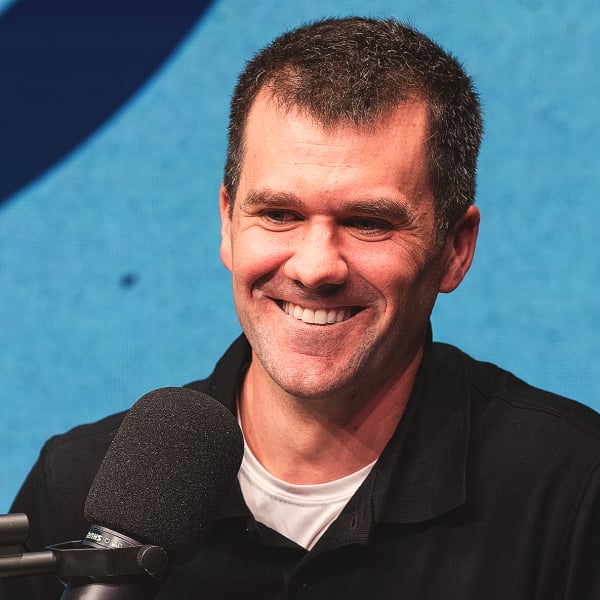
Adam Sylvester
CHARLOTTESVILLE GUTTER PROS AND CHARLOTTESVILLE LAWN CARE
Website: adamsylvester.com
Adam started Charlottesville Lawn Care in 2013 and Charlottesville Gutter Pros in the fall of 2020, in Charlottesville, VA. He likes to say, “I do gutters and grass! When it rains the grass grows and the gutters leak!” He got into owning his own business because he saw it as a huge opportunity to generate great income while living a life that suited him. He believes that small companies can make a serious impact on their communities and on every individual they touch, and he wanted to build a company that could make a big difference. His sweet spot talent is sales and marketing with a strong passion for building a place his team wants to work. Adam values his employees and loves leading people. While operations and efficiency is not something that comes naturally to him, he is constantly working to improve himself and his business in these areas.
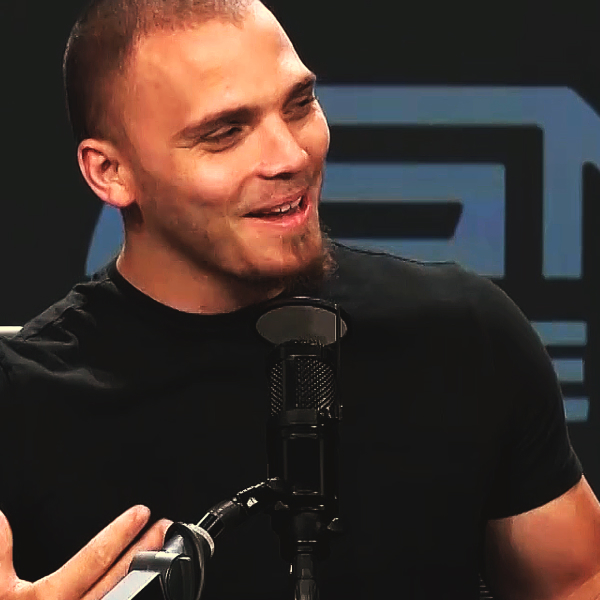
Hunter Patrick
Dumpire Junk Removal
Hunter Patrick is the owner of Dumpire Junk Removal, a fast-growing junk removal and demolition company based in Cumming, Georgia. Since launching in 2021, Hunter has built Dumpire into a trusted local brand by offering transparent pricing and reliable service across home cleanouts, hoarder rehabs, demolition, and debris removal.
After starting with just an idea from a friend and a borrowed trailer, Hunter scaled Dumpire to serve thousands of homeowners and businesses throughout North Georgia. His strong online presence, especially on TikTok, where he’s grown a following of 110,000+, has helped him turn content into a growth engine for his business.
Today, Hunter also teaches aspiring entrepreneurs how to launch and scale junk removal businesses through his mentorship platform, Dumpire Academics.
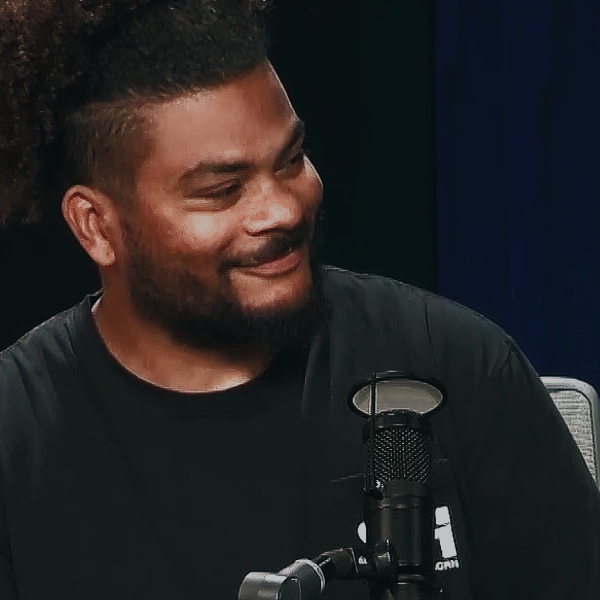
Jon Dawson
Dawson Co. Homes and Green Duck Lawn & Land
Jon Dawson is a Texas-based entrepreneur and the founder of Dawson Co. Homes and Green Duck Lawn & Land. With over a decade of experience in the service industry, Jon has successfully scaled his businesses to multiple six figures by prioritizing community, relationships, and results.
Driven by a passion for giving back, Jon uses his platform to mentor and educate aspiring business owners—sharing the lessons he’s learned to help others take the first step and build something of their own. Whether he’s on the jobsite or behind the camera, Jon is committed to showing that hard work, integrity, and a community-centered mindset still go a long way in business.

SIGN UP FOR PODCAST UPDATES
Get email updates on new episodes and podcast news.
You don’t want to miss out!
Interested in being a guest on the show?
Are you a home service professional eager to share your insights and experiences? Apply to be a guest on the Masters of Home Service Podcast, and join a community of experts committed to helping others level up through knowledge.
Other Podcasts We Love