 30 Minutes
Texted an Old Quote List. Closed $100K.
With Daniel Dixon


-
Adam (00:14)
Welcome to Masters of Home Service, the best podcast for home service pros like us. I’m your host, Adam Sylvester, and I want you to crush it in business. I’ve said it before, and I’ll say it again. If you’re not emailing your clients on a regular basis, you are losing money. And the same is true for texting. If you’re not texting your clients on a regular basis, you are losing money. It’s like taking a yard sign to your client’s house and sticking it in their living room. There’s no better way to get their attention.
But a lot of us just aren’t using texting as much as we should. And so that’s you, today is the episode for you because if you’ve never text your client, today is the day that you need to start. Now, if you’re thinking, Adam, I do this all the time, I got this. Stay tuned because we’re gonna talk about some advanced strategies, things you probably haven’t thought of or used yet, that’ll be just for you. So here’s the thing: we need to be texting our clients on a regular basis, and my guest today does it all the time. He has his own home service company he owns, and he’s the CEO of SendJim, Daniel Dixon, and so he’s gonna help give you a plan for sending texts to your clients. We’re talking about getting noticed today. So, Daniel, welcome to the show. Thanks for being here.
Daniel (01:20)
Thanks for having me, Adam. I appreciate it.
Adam (01:22)
Absolutely, so first tell our audience who you are and what you do.
Daniel (01:20)
My name is Daniel. Like you said, I’m the CEO at SendJim. I was in the military as an officer, an engineer. I got my MBA. I went into business consulting, but really, I grew up in small service business. My parents owned a carpet cleaning business, and they said, Go to college, get a great job. And what I found is that that great job wasn’t as engaging as owning and operating a small business. I’m super passionate about home service businesses. I’ve started one, sold one, started another one.
And now I have the privilege of working and helping tons of home service businesses through operating SendJim. So that’s a little bit about me. My home service business today is a concrete coatings company, and we’ll talk a little bit about that.
Adam (02:09)
Okay, cool. So just to be clear, SendJim is a platform. What does it do exactly?
Daniel (02:14)
Yeah, it’s a marketing automation platform, and it’s really hyper-targeted marketing, and it’s made specifically for home service pros, and we integrate with all the industry CRMs, and honestly, have the best native integration with Jobber. My home service business uses Jobber as well, and so I’m very familiar about how all this works together.
Adam (02:36)
Well, I can second that. I’ve been using SendJim for years. So I’m glad you’re here. What are our listeners missing out on if they aren’t texting their list on a regular basis?
Daniel (02:46)
Yeah, so like you said, this is one of the best ways to get noticed by your customer. And I think in general, home services don’t do a good job at marketing to their existing customer list. We’re kind of addicted to finding the next customer and the next lead because that’s how we grew our business from the very beginning. And what they fail to realize is they’ve got this kind of pot of gold at their fingertips, and they need to kind of explore that.
And texting is a great way to do that. I know email marketing is great. You should be emailing just like you said, but even the best email rates are only 30- 40% right for your customers. And that’s because they’re probably emailing someone like you or me. They’re busy. They are professionals. They have their own busy life and they just don’t check their email. I never check my personal email unless someone tells me: Hey, I sent you something. And I’m looking for it. And how do they tell me? Cause they texted me. Right? And so, research shows that like 90-something percent of text messages get opened. And so that is just it’s the new way like you said of doing things. And yeah, we need to be exploring that.
Adam (03:53)
Yeah, there’s a lot of different channels that we’re going to talk about today. One of them is just like automated text messages. You know, there’s different ways we get to that, but let’s talk about that specifically for a minute. How are you automating text messages to your clients? How are you segmenting them? What does the text say? Let’s get into all that.
Daniel (04:10)
Yeah, so with marketing, it’s really important to have the timing correct, right? And have it be relevant. And so you can do things with the SendJim and Jobber integration that allow you to text based on a trigger that happens within Jobber, right? So you could say, Hey, when my quote goes into this status, I want to make sure they receive a text message. Or when the job is complete, I want to make sure they receive a text message.
Or different things like that to make sure they’re getting the right message at the right time. And it can be as simple as, Thanks for approving your quote, right? Blah, blah, blah, blah. And giving them the reassurance that they just potentially paid you a deposit. They selected you for a thousand-dollar project. And now you’re cementing that decision, right? They feel good about that. And it’s a dopamine hit that they got that text message.
Adam (04:59)
So that’s one way that you, because I think everybody has a little bit of buyer’s concern, right? You buy a new car and the next day you wake up and think, I make a bad decision? But then if the salesperson calls you later that morning and says, Hey, this car is good. You’re going to look so good in this car. It’s the right decision. I’m so happy for you. Congratulations. You start, you know what? Yeah, maybe I did make the right decision. It doesn’t take much to reverse that emotion. And so when a client approves our quote for $2,000, the next morning, they’re thinking, I chose the right provider? And a simple text like that can reassure them, yes, you did, you’re in good hands, and it’s gonna be a good experience.
Daniel (05:36)
100% and you’re actually setting up for marketing yourself in the future, because at the end of the day, as home service pros, we all want that review, right? And so, how do we get that review? We make sure they have a fantastic experience throughout the whole process. So even a little touch point like that says like, This company is above and beyond, no other contractors doing that. Right. And so you’re standing out at each step of the process to say, I’m different. And then getting that review, which is incredibly valuable and marketable, to acquire new customers.
Adam (06:06)
Yeah, that’s great. What are some other automated ways that we can send text messages to our clients?
Daniel (06:11)
Yeah, so obviously, when jobs are completed, when the quote goes out, those are the big ones because we’re going to drive sales and drive reviews, and drive referrals. As far as automation, those are the big ones. Those are the ones that we really should be focusing on.
Adam (06:27)
What about a long-term nurturing campaign where someone might not buy today? Because here’s the thing, let’s be real. Someone who said no three months ago or even two years ago they might be a yes today. And so the same reason that I mentioned yard signs earlier, the same reason yard signs work is because they’re driving to work, and they say, I don’t need gutter cleaning. And they drive right by the sign. The next day, they think, I do need gutter cleaning today. And I hope that yard sign’s still there. So we want to be in front of them just like that with text messages. And so can we use it for like automating long-term nurture sequences where they get a text maybe every three months to, Hey, we’re still here, don’t forget about us.
Daniel (07:04)
Yeah, that’s a great point. And so we call it a thank you follow-up. So after the job, we like to thank them with a text message. And then to your point, when’s the next time that they might need that service? Depending on your service, it might be three months. It might be a year, but you can time that with the Jobber and SendJim integration to say when the job is completed a year from now, or maybe if it’s a year on average, like at nine months, you kind of want to remind them, right? Like, Hey, you’re coming due for your next thing. Let’s get on the schedule.
As business owners, think it’s intrusive, right? A lot of people are a little fearful of texting their customers. But the reality is for someone like me, that’s a service because I am too busy and I forget, like, yeah, I do need to have the gutters and it’s, it’s too, you know, it’s been too long since I’ve had my teeth cleaned at the dentist or whatever it is. And so, like that quick reminder where I can, you can have the messaging be like, Just reply to get on the schedule, right? Or something where it’s just easy for them. You’re really doing them a service as reminding them and making it super easy.
Adam (08:02)
Yeah, as home service businesses, our preferred thing is to have like recurring business. You know, we come cut your grass every week, or we come clean your gutters. We come clean your house every week, or we pressure wash your house every six months, those kinds of things. But not everybody does that. Some people just pay for a one-time service, but they kind of have in the back of their mind that they’re probably going to book with us again and again and again. But those people can be easily missed if they see a yard sign six months later of another company. I do need my… and they forget about us.
Not with ill intent, they just are busy. And so with that automated text that just says, We’re still here, we were there six months ago, we were there a year ago, that really helps you build a fence around your client so they don’t go somewhere else unintentionally. You just kind of like haphazardly.
Daniel (08:47)
That’s a really good point. I don’t know if you saw this, but there was a study, and I’m, I’m, I’m not going to cite it. I don’t remember the exact name, but the effect of it was that two months after a home service visit, the homeowner could not accurately name the service company. Right. And so if that’s after just two months, uh, I think it was like 80% couldn’t do that. So think about if it’s a year, right? The percentage is probably super low. And what’s the first thing they potentially do? Google, and then they click one of the ads at the top, and they don’t get you, or they see a different yard sign or something like that. So that’s a really great point that it’s not by intention that they switched to someone else. We just didn’t do a good job making it easy for them to buy and remember us. And buy from us again.
Adam (09:30)
You said 80% of the people don’t. The 20% who do are getting text messages and emails from their company on a regular basis. So that’s a you problem. You know, like if your clients don’t remember you, that is a marketing problem, not a client problem. And we have to look at ourselves in the mirror and say, if they don’t remember us, that’s a problem that I can solve. So let’s say, what should the call to action be in a text like that? Should it be to reply? Should it be to click this link or call this number? Like, what do you think is the best call to most effective call to action in these texts?
Daniel (10:00)
Yeah, it depends on what you want out of them, but the easier you can make it for them, the better. Right? So it can just be Reply Yes. Or, send us a date. Right. Something that’s super easy for them, especially if you’re trying to get back on the schedule or something they can just one word or simple response to. Right. You don’t want them to have to think through, I can’t respond to that right now because I’m busy, and I got to think about what to say. So it’s just make it so easy for them to respond. Yeah.
Adam (10:28)
And for our advanced listeners, so to speak, who are doing this and they’re pretty good with this kind of stuff, you can also segment it down to people who never approved their quotes. You can segment it down to people who approve their quote. It’s been 12 months or longer. And the message might change. Like, for example, if someone got a quote from you, but you know, for a fact, that they went with somebody else. And that might be a smaller group, might be a hundred people, but you could send that text to a hundred people and say, Are you still happy with your provider that you went with?
Or are you getting the quality service that you’d hoped for? And you might get someone who’s like, no, as a matter of fact, I am thinking about switching. It doesn’t have to be the same message to everybody.
Daniel (11:08)
Yes. So, can I share an example that we did in our garage? So we have unused or unapproved quotes or archive quotes specifically as the status of your job or user, and every six months or so, we’ll go in and we’ll take all the archive quotes from a year ago and we’ll say, Hey, for that six-month period, a year back, right?
Let’s look at all the archive quotes, and you can choose that date range inside SendJim, and you can say, generate this list and it’ll generate it for you. It’ll show you who’s on the list. You can select or unselect the ones you like. Actually, I’m glad I didn’t get that one. Right. So you can do that inside SendJim. It makes it super easy with the Jobber integration. And then we send something along the lines of the messaging, right? So these are people that said, No, if you’re not a Jobber user, an archive quote is basically someone that said, No, we’re not going to use you.
Or we went through 10 follow-ups with them and they never responded or said something along the fact of, this is dead.
Adam (12:03)
Either they ghosted us or they went to somebody else.
Daniel (12:06)
And so we, what we do is we send a message that essentially says, Hey, I know you said you weren’t interested, but I’m just curious if you had the work done or if you’re still interested in having the project done? And it’s basically a yes or no. Right. And we had, I think, the last time we sent it, we sent like 270 roughly. And we had 15 people re-engage that told us no. said, actually, yes, now I am interested or the other company, never came through, or can we requote this? And so of those 15 that generated almost a hundred thousand dollars in new opportunities or work. And so that took us just a few seconds. I mean, maybe minutes, if I’m talking literally for us to create the list, send the message, and then just to see the replies, is insane how fast people reply. A lot of replies were no, no, no, no, no, but for a lot of people it was no, and thanks for checking in.
So, like, you think you’re gonna be interrupting them or doing them a disservice, or they’re gonna be upset. The reality is is they already weren’t gonna choose you, so like if you’re not harassing them, right? Like it’s not gonna really hurt. It’s not that you had a relationship or a partnership to begin with.
And for the ones that said no and thank you, it was really eye-opening to us the first time of like these people actually saw it as a service to check in with them. And so we do that now on a regular basis, and it’s just so valuable.
Adam (13:42)
And it takes so little effort. Let me ask you a question, Daniel. So if they respond, how does that work? Is there an inbox in SendJim? Is it pretty easy to respond in SendJim? How does it work exactly? Is it two-way?
Daniel (13:54)
Yeah, so it’s two-way texting inside SendJim. It’ll look a lot like your iPhone or your Android phone and you message back and forth just like you would on your phone, but with your computer.
Adam (14:03)
Great, okay. Question about the content of those texts. If you’re talking about sending a text to someone who never approved your quote, what is your take? And this is debatable. I’m curious what your thought is, on offering a discount to those people? Hey, if you didn’t approve your quote, we’ll give you 10% discount if you approve it now. What’s your take on that? I’m curious.
Daniel (14:25)
It depends how bad you’re hurting for work, right? For us, that’s not something we do. Typically, honestly, the quote goes up because we increase prices every year. But I will tell you a little secret with this that we use in our business, that is one of the things that really transformed our business, because our business is a little bit seasonal. And so in the wintertime, we really slow down. Let’s call it from Thanksgiving to New Year’s. We’re really slow. And so if someone
replies back and says, it was a pricing issue. We’ll say, Hey, did you know that, you know, we don’t normally tell people this, but between if you book your job now between these months, we can take a little bit off. And that’s actually something we’ll do normally when we get, when we do pricing, we adjust it multiple times a year. And so we’ll adjust it for that time of year. And so what we can do, if we work on that throughout the year, we can pre-book our slow time so that when we get to the slow season, we’re already fully booked.
And we stay booked out months because we’re able to do that. So it’s not, hey, we’ll just do it for cheaper because we could take the slot of someone that’s fully, a fully paying customer. But what we will do is say, Hey, we can do it for a little bit less if you help us, right? By doing it at a time that might be not be as convenient for you. So we try to give and take in that way.
Adam (15:46)
I think there are some clients who just want to play the game.
Daniel (15:49)
They want to feel good that they got a good deal, right?
Adam (15:51)
And we can dig our heels in and say we don’t give discounts ever. We don’t negotiate ever. And I’m not advocating that we slash our prices of our clients, hold up another quote and do compare prices and all that kind of stuff. But I do think if someone says, Hey, well, you made 10% discount. No. But if you book and you change it, you swivel them, but they still feel like they got to win and you fill up your schedule. I feel like another good strategy is inverting and say, Hey, our prices are going up next month. If you book now, you lock in the same quote you got last year.
Daniel (16:20)
That’s awesome. That’s a great idea.
Adam (16:23)
Daniel, this is a great conversation. I do want to pause this for just a minute to talk about Jobber and how you use Jobber in your business. I use Jobber in my business and we’re both using the marketing suite to send emails to our clients. Talk more about that.
Daniel (16:35)
Yeah. So I was using Mailchimp before and it was I and I didn’t use it often because it was funky. Right. And it was always like, did this person unsubscribe or not? And am I the right people getting the right message at the right time? And so I was really excited to see Jobber Campaigns come out and we’ve been using it since then.
Adam (16:56)
Yeah, me too. It’s so simple, so easy to use. And I was using Mailchimp. I love Mailchimp. And Jobber just makes it so easy. I can go in there and blast out an email in like less than 10 minutes and just move on with my day. It’s so simple and so easy. If you’re not emailing your clients with Jobber’s campaign tool, you need to start today because you’re losing money. So go to jobber.com/podcastdeal. Get an exclusive discount and start using Jobber’s Marketing Suite today.
(16:56)
Okay, so you’re texting people back and forth in SendJim, you’re getting more business. Let’s talk about these, a mass text, you know, a blast, if you will. It’s like pretty much everyone, maybe seasonal promotions or that kind of stuff. Can you do that in SendJim as well?
Daniel (17:40)
Absolutely. You could take your whole customer list. You can send it segmented by zip code, right? So if you’re a route density type of business, zip code, by city, by geography, all that type of thing, because SendJim in Jobber, because they communicate, we have the information for all your customers. So we can segment and then make sure we’re only hitting the people that we want to hit. And we could say, Hey, we’re going to be in your neighborhood, right? Or we’re going to, we’re offering a spring discount.
Or we’re offering a discount on this particular service or launching a new service is a huge one. So what we find is a lot of home service businesses. They have one go-to service, right? It’s like, get you in the door. Everyone, for example, is not necessarily a loss leader, but it’s the primary service they offer. It might be 80% of their revenue. Typically, that’s not the highest margin service they offer.
(18:33)
So you might be a window cleaner, but you’re like, I really want to do roof cleaning or I want to do Christmas lighting. That’s where I make tons of money, but only a few of my clients do that. So how do we market that to your other customers? Cause the honest thing is that most of them don’t know that you do the other things because we’re not good. Right? They call for window cleaning. We booked their window cleaning. We show up, we do the window cleaning. They never even heard about Christmas lights. So why do we think they’re going to buy Christmas lights? Right?
So we can send an email, which is great, but it’s not going to get opened as much. If we send an email and a text, right? Like, we can make sure they know about it.
Adam (19:07)
Do you think that you can get away, so to speak, with sending as many texts as you do emails? Or do you think there is a more of a limit, like a lower limit on how many texts people like will put up with?
Daniel (19:19)
I do think there’s a limit there. Yeah, you know, like you could probably email once a month and be okay. But I think texting is a much more personal mode of communication. And I think I respect it. And I think people are still learning that right like this is a relatively new thing.
Adam (19:35)
It’s still kind of new for people.
Daniel (19:38)
Yeah, and like there’s one that I subscribe to that happens, you know, a little bit too frequently. It’s a retailer and I’m like, I like this brand but like they’re kind of getting annoying and so I think there is a boundary there.
Adam (19:49)
I won’t really bat an eye to email my clients five times in a week if I have to, if we’re really, really struggling for business. I will, but I would never do that with texting. Daniel, what are some of the, just the laws, I guess, state local laws? There might be some laws different between USA and Canada, but I know in the US you have to say, like the text has to include your company name. So it might have to start with like, Charlottesville Gutter Pros is you know like running a promotion or Charlottesville Gutter Pros wants to say Hi. You have to have the name in there, right?
Daniel (20:20)
So the first thing I’ll say is I’m not an attorney and don’t take this as legal advice, but you have to go through a certification process to be able to send texting for your business. All the text providers require that and they’re going to walk you through the types of messaging you can send, what’s required, what isn’t. We tell people they have to put their company name in there and we like to personalize it from the start. So it’s, Hey, this is Gavin with My Garage Floor Guys, or this is Adam with Charlottesville, right? Because it wants to be personal. You don’t want to text from a robot. Yeah, right. So we personalize the text message. That’s one thing.
Adam (20:54)
There’s nothing worse than getting in text and you don’t know who it’s from. Like that might sound obvious, but you got to put your name in there.
Daniel (21:01)
Right. The other big thing is not texting people that don’t give you consent. Right? So this isn’t a platform, or even if you got a list of phone numbers and any platform, you should not be text messaging people that didn’t explicitly opt in. Yeah. And what that means is they clicked a box that says I consent to receiving text messages, emails, marketing communication from your company. So if you don’t have that on your website today, with your form, your lead form, you need to have that.
And even if you’re not texting today, if you decide to do it in three years from now, all of those people need to consent today, right? Because they’re going to still be in your list three years from now. So start that today. That’s like the one takeaway. If you’re not doing that, you should go do that immediately.
Adam (21:45)
Yeah, Daniel, I’m really struck by like how much missed opportunity that our listeners are losing. Like they’re losing so much potential revenue by not doing this, especially by not following up on quotes. Let’s talk about that some more.
Daniel (21:59)
Yeah. So that’s the biggest thing, right? Especially for my personal business. We pay so much to get a lead. So let’s say in my business, it might be $250 just to get someone to call you. And then you spend time with them on the phone. One of my highest paid, my highest-paid employees are salesperson. So he’s going to spend five minutes, 10 minutes on the phone, answering your question, setting up an appointment. And then in my business, he’s going to drive to your house. Which could be 30, 40 minutes away, potentially.
He’s going to spend 15, 20 minutes with you, then he’s going to drive back or to the next thing, right? And then he’s going to spend time following up with you. And so by the time you add all of the, he’s going to put the quote together, send it. And by the time you add all that time up, like we spent $400, $500 on this quote, and to not convert as many as possible because we didn’t stay in front of the customer or follow up or make it easy for them to say yes, is insane. Right?
So we did this analysis. had 1400 unconverted quotes in our system a while back when we did this, and we estimated this cost us between 400 and $500,000 of potential opportunity, not potential opportunity, but straight cost, right? That we spent money on this, that we didn’t generate any revenue. And so imagine if you could cut that in half and not only cut the cost in half, but convert that to like actual revenue, right? Make a profit on that. It’s a huge leaky bucket in most service businesses.
Adam (23:30)
I remember when we first started doing automated and Jobber provides automated follow ups and we have an additional one as well and I just can’t believe how so many times we like we text this to the client and the next day they might get the automated reminder from Jobber or like oh yeah I never got your text the first time you never got the quote what do you mean and it always blows my mind and so like and then they approve or like the week later you send me a text hey did you get the quote no I didn’t.
Or my favorite, you know, yeah, I’m so glad you followed up. I know it’s been a month. My mom got sick. I’ve been taking care of her. I just had no time, but now I’m ready to approve. But how likely would she have been to approve a month later if she hadn’t been getting these texts to remind her, hey, are you still interested? They’re so important. And a listener who’s not doing that is just losing so much money.
Daniel (24:14)
Absolutely. And you’re spending money, right? And you’re not even generating revenue. So that’s the important thing. And I think like my business, I believe our automated texts in Jobber are within the first two weeks. Right. And so they might life happens, right? They might have someone go to the hospital and their family, or they get sick, or something happens to where they can’t do it right now. They want to do it, they had all intent to approve the quote, but then life happens, and they don’t. So it’s our job to stay in front of them.
And so after the automation ends, then our sales rep is following up for a period of time. And then we can go back and say, okay, it’s been six months, a year. We should follow up with all those people again. Are you still interested in this project, and just make it easy? Yes or no. Like they can respond so easily. And so, yeah, it’s just a huge bucket of cost without revenue associated with it. And so that’s one thing I really stress to business owners is to look at that.
Adam (25:10)
I think that some people, not a lot, but enough for me to mention it. They use us as like a brain dump. Let’s say John needs to get his lawn mowed and it’s really overgrown, his lawn mower broke, but he’s heading out of town. So he might get all his loose ends tied up and call, Hey, can you guys give me a quote for lawn care? Yeah, that’s right, we’ll send you the quote later today. And then he’s gone for two weeks, but he’s still hoping that he did that, so that he locked that in and checked it off the list temporarily.
But he’s expecting to like solve that problem later. I think a lot of clients do that. Hey, I need my thing done. Great. And then, but their intention is not to get it done tomorrow. Their intention is to temporarily check it off the list. Now it’s the ball in their court. I’m in their system. Hopefully, they won’t forget about me. And it’s just a way for them to like clear their mind for a month or two, maybe more. And then their plan is to come back. I think it’s a fallacy to think that every single client that calls us or a prospect that calls us wants to get this done tomorrow.
Daniel (26:08)
A hundred percent. And I think you have to do the mindset shift with that as well as saying, Hey, it’s not, we’re not bothering them. A lot of people feel like we’re bothering people when we follow up, but we’re actually doing them a service.
Adam (26:21)
Yeah, yeah. I think I want to close with this, Daniel. I think you’ll totally agree with this. You know, our listeners, if they’re starting out, then they should use Jobber to do their automated, you know, send their quote out by text, which is great. Sending a quote by text is way more effective than sending it by just email. And you can send by both with Jobber. And then they have automated follow-ups with that. And the next day, two days, whatever you want to set up for seven days. And then once they lock that in, if they’re a bigger business, more established, then they can use something like SendJim that comes from a completely different phone number. It could come from a different person in your company, which comes from a different angle. And so now you’re hitting it from two different ways, and you’re layering your messaging like this, it just becomes, each layer becomes more effective, and you get more and more catch on those leads that fall through cracks.
Daniel (27:07)
Absolutely. And you brought up a really important point is that you want to have your operational system like Jobbers sending text messages for appointment reminders and quote follow up, et cetera. You want to have a different number for your marketing text messaging, right? Because the first time someone gets a marketing text, they might unsubscribe from your list, but they still want to see the appointment reminder.
(27:28)
And so you don’t want them to be like, well, I never saw your text message. And you’re like, well, that’s because you unsubscribe from our list, right? And you’re not going to say that to them, but it’s really important to separate those out. So you bring up a great point there.
Adam (27:41)
Daniel, this is great. I think there’s a lot of actionable things that people can do right now to start texting. These are the three main takeaways for me. Number one is automate reminders for the next service. Just like the dentist tells you every six months, clean your teeth, and they send you a reminder. We knew the same thing. Hey, it’s time to clean your gutters. Hey, it’s time to clean your carpets every six months later and automate that. So it goes out automatically and reminds them, Oh yeah, I do need to do that. You’re missing out if you’re not doing that.
Number two is re-engage the nos. There are people who said no three months ago, eight months ago, 12 months ago, 20 months ago, but they might be a yes today, and all that’s standing between you and the business is a text reminding them that you exist. And number three is quote follow-ups are so crucial. You need to have a process that says, Hey, did you get the text I sent you yesterday with a quote? No, I didn’t get it. That has to be automated, and it has to be a text message because those get open like 90 % of the time.
Daniel (28:38)
Yeah. And just remember, Adam, that you got to have the mindset that you’re not interrupting your customer. You’re not bothering them. You’re really doing them a service because 80 percent of our customers can’t remember the name of our company. Right. So we got to have that mindset shift.
Adam (28:54)
Gotta stay top of mind for sure. Daniel, running a business is hard. You’re the CEO of SendJim and you also own your own home service business. Why do you do it? What makes you tick what drives you? Why do you do this?
Daniel (29:07)
I’m really passionate about this. I really enjoy growing something, right? So I’ve been able to grow both these businesses. And the other thing that’s amazing is to really be able to provide opportunity for other people. So we started the garage floor coating business at the beginning of COVID, when people were losing jobs, and we wanted to create jobs in our community. And we’ve just been able to transform people’s lives. I’ve had employees come to me and say, You know, you’re like family to me. can’t, you know, you’re the best person that I’ve ever had in my life, things like that. It gives me goosebumps right now just thinking about that, and to have those chances to create opportunities for people and to change their lives. It sounds silly, we’re a blue collar service business, but to do that is really rewarding.
Adam (29:53)
Yeah, I love that. Daniel, how do people find out more about you?
Daniel (29:56)
Yeah, so if you’re interested in using SendJim, go to our website. That’s SendJim.com, S-E-N-D-J-I-M.com. Start a chat, tell them you’re interested in using text messaging. We would love to teach you more.
Adam (30:10)
Awesome. Thanks for being here. I think you’re crushing it. Keep crushing it and we will see you again soon. And thank you for listening. I hope that you heard something today that will help you start sending texts to your clients today. I’m your host, Adam Sylvester. You can find me at adamsylvestor.com. Remember, your team and your clients and your family deserve your very best. So go give it to them.
Daniel (30:14)
Thanks for having me.
About the speakers
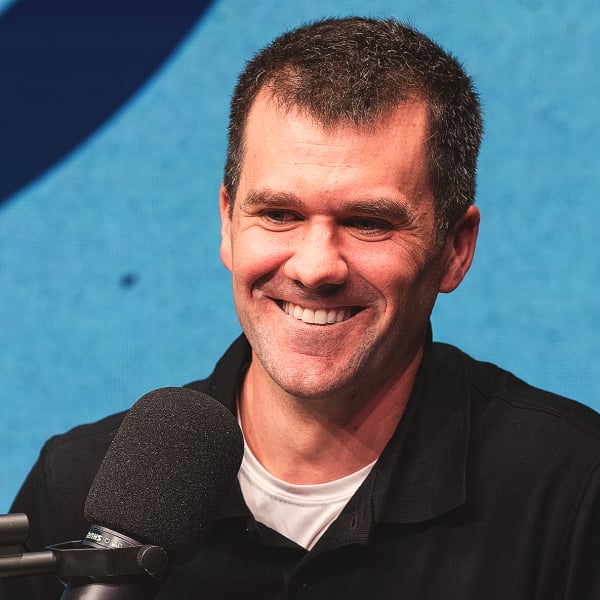
Adam Sylvester
CHARLOTTESVILLE GUTTER PROS AND CHARLOTTESVILLE LAWN CARE
Website: adamsylvester.com
Adam started Charlottesville Lawn Care in 2013 and Charlottesville Gutter Pros in the fall of 2020, in Charlottesville, VA. He likes to say, “I do gutters and grass! When it rains the grass grows and the gutters leak!” He got into owning his own business because he saw it as a huge opportunity to generate great income while living a life that suited him. He believes that small companies can make a serious impact on their communities and on every individual they touch, and he wanted to build a company that could make a big difference. His sweet spot talent is sales and marketing with a strong passion for building a place his team wants to work. Adam values his employees and loves leading people. While operations and efficiency is not something that comes naturally to him, he is constantly working to improve himself and his business in these areas.
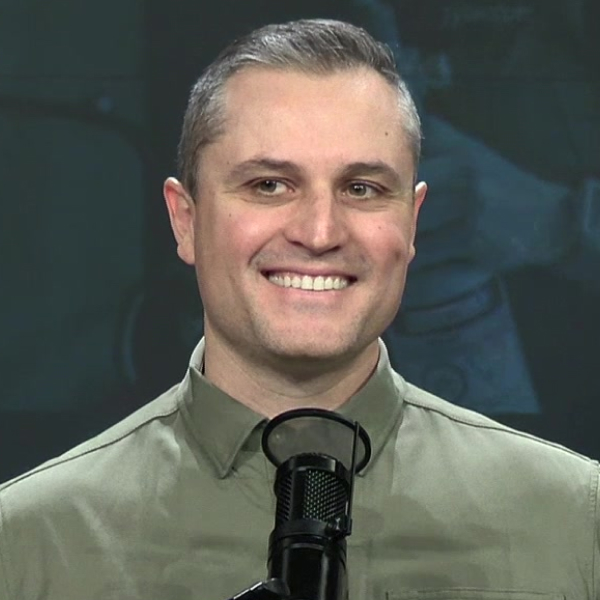
Daniel Dixon
SendJIM
Website: https://www.sendjim.com/
LinkedIn: Daniel Dixon
Daniel became the CEO of SendJim in May 2019. Prior to becoming the leader of SendJim, Daniel served as a military officer in the United States Air Force and worked in corporate America as a business consultant for a nationally recognized consulting firm. Since leaving corporate America, Daniel has founded, bought, and sold multiple home service businesses and currently owns two seven figure service businesses and is the leader of SendJim.

SIGN UP FOR PODCAST UPDATES
Get email updates on new episodes and podcast news.
You don’t want to miss out!
Interested in being a guest on the show?
Are you a home service professional eager to share your insights and experiences? Apply to be a guest on the Masters of Home Service Podcast, and join a community of experts committed to helping others level up through knowledge.
Other Podcasts We Love