 27 Minutes
Build a Bonus Program That Makes Your Team Want to Stay
With Cory Byron


-
Cory (00:00):
My guys get $1,000 based on the gross margin of their projects and we have a negative part to it as well. You don’t put in your hours, you’re late for an appointment minus $50 each time. That’s essentially the whole bonus plan.
Adam (00:15):
Have you ever wanted to have a more compelling and creative way to pay your people? Do you feel like hourly or salary just isn’t quite enough? It’s not exciting enough. It’s not compelling enough. Human beings, we’re driven by incentive and so having a bonus plan, incentive plan can be really key to keeping and retaining top talent and your top performers. But it can also be a little daunting. I don’t want to give away too much. I don’t want to be too complicated and all these things. So we’re going to talk about that. Cory Byron’s my guest today and he has a simple but compelling and effective bonus plan that he has in his company that you can adopt for yours. Cory, welcome to the show. Thanks for being here.
Cory (00:52):
Thanks for having me, man.
Adam (00:53):
Yeah. Tell our listeners who you are, what you do.
Cory (00:55):
I’m Cory from Vancity Electric and I have an electrical company in Vancouver, Canada.
Adam (01:00):
Cool. Awesome. Well, I love Vancity. I love your brand. It looks great.
Cory (01:03):
Thank you.
Adam (01:03):
Solid business. Part of the reason it is solid is because of your bonus plan and your incentive plan that you have.
Cory (01:09):
Yep.
Adam (01:09):
Why don’t you tell us a litle bit about it? Just overall, how does it work?
Cory (01:12):
So first thing about bonus plans, they should be really easy for me to explain to you. So in a few sentences, quarterly my guys get a thousand dollars based on the gross margin of their projects and we have a negative part to it as well. You don’t put in your hours, you’re late for an appointment minus $50 each time. That’s essentially the whole bonus plan.
Adam (01:31):
Well, that took you like 45 seconds to explain.
Cory (01:34):
It should be that simple. And that’s key, right? Yeah, it really is.
Adam (01:36):
What was the first thing that you did when you decided to go about this? Because at one point I’m guessing you didn’t have a bonus plan.
Cory (01:43):
Yeah.
Adam (01:43):
What was the first step that you took?
Cory (01:45):
I made two big changes in my company when I joined Breakthrough Academy. It’s business coaching for trades. One was this bonus plan. So I would say just reach out to your business coach or someone that you admire, someone that can help you with this sort of thing and help you get it structured in a great way.
Adam (02:01):
Yeah. Okay. So you realize that you’re going to do this. Breakthrough Academy gave you the plan.
Cory (02:07):
Yep.
Adam (02:08):
And tell us more about it. So $1,000 a quarter for each individual based on their gross profit, gross margin of their jobs in their entirety?
Cory (02:17):
That they are producing in that quarter. Yep.
Adam (02:20):
Okay. And because gross margin is something they can affect, right? They make too many trips to the wholesaler, gross margin goes down. They’re not efficient on the job site, gross margin goes down. So it’s directly related to them.
Adam (02:32):
Yeah. And so they have a direct impact on that number because.
Cory (02:35):
Absolutely.
Adam (02:35):
It really depends on basically how fast they work, how efficiently they work.
Cory (02:39):
Efficient. Yeah. Where they buy their materials. I’ll notice a guy all of a sudden going to Home Depot to get electrical panel instead of the wholesaler because it’s cheaper there. So it gets them thinking.
Adam (02:50):
Interesting. Okay. So does it really compel people? Is a quarter too long? It sounds like it works. Some people.
Cory (02:58):
I think it absolutely worked. Yeah. Okay. It’s really changed my business for all those other things. Not so much their gross margin. It’s for the little things, the minuses. So the didn’t put their hours in late, didn’t let the client know. All those little things have gone away. So the negative part of the bonus is whatever is driving you crazy. Whatever you want to get out of your business, you’re going to make it the negative part.
Adam (03:26):
Okay. So give me more examples of that. You said people getting late, not putting their hours in.
Cory (03:30):
All those little things that bog you down. Unapproved extras, right? This is a huge one in trade.
Adam (03:35):
What is that exactly?
Cory (03:36):
Your guys are on site. They’re working off their scope in Jobber. Client comes over and says, Hey, could I have an extra dimmer here da, da, da. And those things really add up and they kill your gross margin. So now if they do an unapproved extra, it’s actually going to affect their gross margin. If they buy material and don’t take it back, it’s going to affect their gross margin. So it just gets them locked in.
Adam (04:00):
Returning materials is a huge one. Oh, I can return it. We never do.
Cory (04:03):
Yeah. Oh yeah, 100%. Ends up in the van, gets damaged.
Adam (04:07):
In a dumpster. Yeah. Interesting. Okay. So it starts with a thousand. They basically start with $1,000 in a bucket, and every time they make a mistake that’s one of the, then it comes out of that thousand dollars for the quarter. How do you track that stuff? That’s a big question. How do you track it all?
Cory (04:23):
Yeah, huge ones. So if this is going to be over complicated where you are trying to do this manually all the time, you’re not going to want to do it. It’s just going to cost you a bunch of time. So I’m a huge believer that the gross margin should be pulled out of your Jobber or your CRM automatically into a dashboard or as automatic as you can get it. So when you meet with these guys once a month, you are just reviewing the data. You’re not having to do any work.
Adam (04:51):
Just to make sure people understand, you’ve got a job, it was $1,000 and it’s in Jobber, obviously. And if there is a unapproved, what’d you call it? Unapproved.
Cory (05:00):
Change order.
Adam (05:02):
Change order. Yeah. Then how do you capture that? Just in the nitty gritty, how do you capture that? I’m curious.
Cory (05:06):
We find out about them. When you’re looking at that job, especially for extras, you have a clear scope of work in Jobber under the job and you’ll see material that wasn’t in that scope. Why is there 10 dimmers when I clearly quoted for five? What’s going on here guys? Why is this gross margin low? And with job costing and Jobber, you can see it right there. There’s no getting away from it.
Adam (05:31):
Okay. So do your technicians, do they put those material costs into the job themselves or is that already put in?
Cory (05:40):
The way we have it, if they use their company credit card, so if they did shop at Home Depot or somewhere like that, Amazon, they would put it in Jobber, but all our wholesaler receipts get put in by an admin.
Adam (05:52):
Okay, great. Yeah. That’s good. On each job?
Cory (05:54):
Every job.
Adam (05:55):
Mrs. Jones, electrical stuff.
Cory (05:57):
Assigned to the job.
Adam (05:58):
Yes.
Cory (05:58):
Yes.
Adam (05:59):
Okay.
Cory (05:59):
It’s important.
Adam (06:00):
Okay. And then you can just look at one of your team member’s jobs for the month or weekly. Do you do it weekly?
Cory (06:08):
So what I do is I use custom fields and one of my custom fields is who is producing this job basically? Who’s the manager of the job? And I can tell by the notes section, whoever’s leaving notes, pictures, I can tell who’s in charge. And so when I’m in there, I will assign that job to them. I can easily pull a report, put it in a CSV file and do whatever I want with that data. And immediately, nowadays you could put it in ChatGPT and say, show me who had the best gross margin this quarter, and it’ll show you.
Adam (06:38):
I love that.
Cory (06:38):
Yeah.
Adam (06:39):
Now, from the perspective of your team here in a minute, they totally understand how it works.
Cory (06:46):
Absolutely.
Adam (06:46):
There’s no gray area. They know what dings them. They know how to win this game.
Cory (06:51):
Yeah. I think that’s a very important part. It would be something I would mention when I’m hiring them and it would also go in their employment agreement. I was thinking about it last night. You want to do them a solid, when you’re hiring someone, this is when you’re promising everything, right? It’s great to work here.
Adam (07:08):
You’re going to love it here.
Cory (07:10):
Yeah. And then it’s easy to forget about that bonus plan, but I think it should be in the employment agreement. They can take it home, talk to their spouse and say, look at this. I have a $5,000 bonus plan. That’s like a holiday for a family.
Adam (07:26):
How often do you talk about it? Do you mention it once a quarter? Do you mention every week? What is your cadence?
Cory (07:31):
Once a month.
Adam (07:32):
Once a month.
Cory (07:32):
So we do a goal-setting and review meeting once a month with each person. So we do a Monday morning huddle. Of them stays on after the huddle. And we will go through their bonus plan and also tack on sort of goal-setting, reviewing anything that’s happened over the last month, any learning opportunities. Those minuses are really just coaching opportunities, places where they can get better.
Adam (07:56):
Yeah. Let’s dive into that a little bit. Goal setting review, a GSR meeting if you will.
Cory (08:02):
GSR. Yeah.
Adam (08:03):
Tell us more about that specifically.
Cory (08:04):
So it’s a really good check-in with your employee. We do go over the bonus plan, so that is one part of it. So I would show them their quarter, their numbers. I would show them the team’s numbers, get a little friendly competition going.
Adam (08:22):
Oh, for sure. Well, John over here is doing it better than you, right?
Cory (08:24):
Yeah. Yeah. They all do really good. They’re not that, it depends sometimes what jobs they’re working on, but the goal setting and review is sort of a check-in. We would ask them things like, How are you feeling? How are things going? Give them a chance to say. A lot of times it’s like, I love working for you guys. This is awesome. But sometimes they’ll say, This guy’s really frustrating me or the way we’re doing this. If I’m there doing the rough wire electrical, could you please schedule me for the finishing? Or if someone else has pre-done the work, I don’t want to be the guy that comes in and finish. So they’ll have little gripes. Also other things, Hey, I could really use this tool in my van. I need a vacuum. My van needs snow tires, all this kind of stuff. A big part of that meeting is us saying, How are we doing? Can we do anything that.
Adam (09:17):
Two-way street.
Cory (09:17):
Yeah, absolutely.
Adam (09:19):
It sounds like you’re coaching more than you are managing or,
Cory (09:23):
Bossing, yeah.
Adam (09:24):
Bossing. Yeah. Is that right?
Cory (09:26):
Yeah. So the vibe of the bonus plan is definitely you are their coach, you are not their boss. So this is a mutual goal. I really want you to hit your gross margin. I actually really want you to get your bonus because if you’re hitting your gross margin goals and not bogging me down with all the minuses, that means I’m winning too. And that means I’m probably getting a bonus as well called the dividend.
Adam (09:52):
That’s right.
Cory (09:52):
Yeah.
Adam (09:53):
Cory, I want to pause our conversation for just a minute to talk about Jobber. I love Jobber. How does Jobber help you manage this bonus plan?
Cory (10:01):
Remember, gross margin or your gross profit of the job is built right into Jobber. If you put your hours and your expenses into the job, it’s going to tell you, is this a good job or is it a bad one?
Adam (10:13):
Yeah. And a lot of people don’t even use it or know about it. It’s underutilized and people need to use it more.
Cory (10:19):
Yep.
Adam (10:19):
Yeah, I agree. I think all the reporting in Jobber is helpful. You can pull those job reports out and know and it really helps you know how profitable you are. It even tells you the hourly efficiency and productivity of each employee, which I like a lot.
Cory (10:32):
Yes.
Adam (10:33):
If you’re not using Jobber, you need to. You need to use it to track your hours, your productivity and your gross margin. Go to jobber.com/podcastdeal, get the exclusive discount and start using Jobber today.
(10:45)
Cory, I’m curious how you came up with $1,000. Where’d that number come from?
Cory (10:50):
Like all things, I think you should build a budget. This bonus plan should be built into your budget. So you’ve already budgeted for this amount over the year and these numbers can be played with, of course. You could offer a little more, a little less, whatever works for you.
Adam (11:06):
What’s the gross margin goal? What’s the target?
Cory (11:09):
We change it every year. So individually, again, it comes from our budget. So if my budget was, we’re going to do a little more commercial work this year and maybe we’re going to lower our gross margin. Maybe we’d lower their gross margin goal as well. If we’re going to do a little more service, we’d maybe raise it. And I have all the data from the previous year, so I know kind of what gross margin they’re capable of hitting. I would also say you want them to hit the gross margin. It doesn’t need to be so hard. Ha ha got you. That’s not it. No, no.
Adam (11:42):
Yeah. So can you give us an example? What would be, if you’re doing just a normal year of residential, a normal year of commercial, does it vary between each employee or is it all the same for each electrician?
Cory (11:52):
All the same for each guy. A typical gross margin they’d be hit like this year would be something like 47%.
Adam (11:58):
47, yeah.
Cory (11:58):
Yeah. Nice and easy. We’re quoting say around 50 or maybe 55 for residential. And so I’m going to give them a little leeway so they hit it.
Adam (12:07):
Yeah. Now you’re not doing a tier. You’re not saying if it’s over 47, it’s this, it’s over 50, it’s that. Just if it’s over this number, you get it.
Cory (12:16):
Yeah.
Adam (12:16):
Okay.
Cory (12:16):
Yeah. I think we can play with this a little during the year. If I see that Dustin is a little under the mark, but he’s been doing a lot of commercial work and so his gross margin for commercial work is still really awesome. He also has a lot of labor on his jobs, right? So he’s handling a lot of load. By all means, it’s $1,000. We’ve even got to the end of the year where we had a good year and the apprentices who are not on the bonus plan, we even give them some money just because, Hey, we had a good year. There’s no reason why not to give them something.
Adam (12:54):
Yeah. Why aren’t the apprentices on the bonus plan?
Cory (12:56):
They’re not on the quarterly bonus plan because they’re not running a project. They can’t really affect it.
Adam (13:02):
They don’t really have control over that number.
Cory (13:04):
Exactly.
Cory (13:04):
Yeah. Okay. Question about seasonality. Do you have much seasonality in your business in terms of like some months your gross profit’s 60% and other quarters. Other quarters, your gross profits not above 40. I find that some businesses there’s no chance. In some quarters, there’s just no chance realistically to hit. Do you guys face that at all?
Cory (13:24):
Not a ton. Not a ton. Their gross margin should stay relatively the same. If you were going to do it on maybe gross margin dollars, that would be different maybe.
Adam (13:37):
What do you mean by that?
Cory (13:39):
Say we do less revenue in January, but their gross margin would still be the same, but they would actually provide less gross margin actual dollars to the company. Maybe you could switch the bonus plan up. It’s flexible. The numbers of the bonus plan aren’t actually the most important part of it. What do you mean? It’s the goal setting and review meeting. It’s the check-in with them. It’s just the act of doing it. It’s not so much the thousand bucks.
Adam (14:08):
Yeah. Yeah. So then earlier you mentioned that you, it’s all about the budget. So you have a budget for the year. I’m guessing you do this in November or December, roughly.
Cory (14:16):
Sure.
Adam (14:17):
Okay. And you bake that into the cake. So you say, I’m going to assume I’m going to pay out all these bonuses every quarter. And then their gross margin target is based on that number. And so that what happens is if you pay out a bonus, it doesn’t come out of your profits. It was already planned that way.
Cory (14:37):
It was in fixed expenses.
Adam (14:39):
That’s really important.
Cory (14:40):
Yeah. If we don’t hit that gross margin as a company, if they say they all didn’t hit it, well, then I didn’t really need that bonus amount in the fixed expenses. I didn’t need it.
Adam (14:49):
Yes. Okay. So if someone wanted to start doing the goal-setting review meetings, any tips for them to get started?
Cory (14:57):
Tips would be have yourself some sort of dashboard where the information comes straight out of job or into that dashboard. You don’t want to make this a big make work exercise, right? Especially with the minuses as well. When there’s a minus, you don’t want to have to go pull up the spreadsheet right in the minus. I would say make yourself up a little job form, a little saved link on your phone. You can grab your phone. Bob was late minus 50 bucks. Boom, that ends up in the dashboard. So you want to streamline this a little bit.
Adam (15:25):
Oh, interesting. Okay. Well, let’s get into that because it can sound really, really easy and simple and it might be, but the nuance might be helpful to explain to our listeners. And so go into a little more detail on the tech side of how you keep track of these dings. You have a job form, you said?
Cory (15:42):
I use Airtable. Same concept though.
Adam (15:45):
Okay. It has a form.
Cory (15:45):
Yep. Airtable is just a database. It’s a spreadsheet and it has forms built in. That’s why I like it. So I can create a custom form. I can save it to my phone. We want to make this easy. I just grab my phone wherever I am. Bob was late. It ends up in there. I forget about it until the GSR. Then we’re sitting in the GSR meeting and it’s like, Oh, what was this? Oh, looks like you were late on Thursday, September 22nd or whatever.
Adam (16:13):
Yeah, yeah. Okay. So I think that’s, because we’re going, going, going, we’re at the shop, we’re on the job site and we find out about the ding, so to speak. And it’s easy to forget to log it if you don’t like log it right now. And so I like how you pull the phone out and just put it in right there and then it hangs out somewhere else so you can come back to you later instead of just forgetting about it. Because I think consistency with this whole thing matters too. You don’t want your team thinking, Well, I’ll probably just forget about this anyways. That’s not very effective.
Cory (16:41):
We all forget about the dings and in the GSR meeting we will literally be like, Were you late there? Da, da, da. And we’ll have a little back and forth on it like, Hey, no, hey, I was late, but I did let the client know. They just didn’t respond to my message or phone call. So can you take that one off? All right, we’ll take it off. It’s a bit of fun.
Adam (16:59):
Yeah. Okay. Little negotiation.
Cory (17:01):
Yeah, totally, totally. It’s not about the $50. It’s about the training opportunity, the discussion.
Adam (17:07):
Yeah. What kind of fruit benefits do you get from the meetings have you found over time?
Cory (17:12):
Connection with your guys for sure. We get so busy. I think the owner is really just stuck in an office a lot of times. I don’t get to see my crew all the time. I’m never on site. So that once a month, that might be the only time I see them face to face on a video aside from Monday morning huddles, but it’s the only time we’re all in a room together and we’re sort of like we can discuss things. They can say something that maybe they wouldn’t say in a group setting.
Adam (17:46):
Do you find that monthly is frequently enough? It’s a good cadence.
Cory (17:51):
It’s worked for us. I know if you asked a business coach, they might tell you that a GSR meeting would be probably more weekly or biweekly, but that’s just, I guess my advice would be start, right? Yeah. I don’t care. Do it every six months if that’s your starting and ramp up after that.
Adam (18:10):
Yeah, yeah. What kind of advice would you have for someone who wants to start a comp plan like this, a bonus plan? They’ve heard this whole episode and they’re ready to start, but all their people know, this guy starts new stuff all the time. Oh, this is just another thing he’s started. Oh, we’ll fizzle out. If our listeners have that reputation in their company, it can feel like, Well, I don’t want to start this because I doubt myself. I probably won’t maintain this long term. Any tips for them?
Cory (18:42):
That’s a bad thing to get into as a boss. You really got to watch it. You go to a conference, you come back, Guess what guys we’re doing this? You got to watch that. So watch yourself. I know you want things to be amazing and you want your new ideas to just flourish, but we got to be serious about this and consistent. I think the consistency part could help if you are block-scheduling these in, right? Let’s block schedule them and Dustin is the first Monday of every month that goes in Jobber and it gets scheduled out to Infinity. So at least it’s in there. You can always move those, but at least it’s in there.
Adam (19:21):
Yeah. I like for meetings like this, because we do GSRs too, I like having a file, whether it’s an Excel spreadsheet or Google Sheets or Doc, either one, where it’s a running list of things you talked about. And so it’s like, what were your wins last week and then what do you want to work on this week or whatever the case may be. And then next time you pull it up and you move last week’s stuff into last week column and now this week is empty. We do this. And so you can look back and say, Well, last week you said you want to work on X, Y, and Z. Did you work on that? Hey, last week you said that you wanted to be a little more patient with us because you have a short fuse or whatever the case may be. Hey, we’re going to really work on sales this week and you had an awesome week, great job. But if you don’t write anything down and keep track of it, then you’ll just forget everything you talked about last week and that kind of feeds the purpose.
Cory (20:07):
We also in there for actual business goals, we would have personal goals. So they might be wanting to buy a house or move to an area or something like that. So we would write that in there and then sort of ask them about, Hey, how’s that going?
Adam (20:21):
Yeah. Okay. Question about when you pay out the thousand bucks. You pay it out after the quarter closes, I guess.
Cory (20:30):
Yeah. It should go on payroll and it should go immediately. You don’t want them having to ask for their money. I think that’s just wrong.
Adam (20:38):
I agree.
Cory (20:38):
Yeah.
Adam (20:40):
So it goes in the first payroll after the quarter closes.
Cory (20:44):
Absolutely.
Adam (20:44):
And then do you do any Christmas bonuses, year-end bonuses?
Cory (20:49):
Okay. So we do a yearly team bonus as well and it’s harder to hit. The yearly gross margin is just harder to hit. I think individually you can really affect your own quarter. I can try really hard this quarter and kill my jobs, but over the year you are really roped in with the team. It’s a harder bonus to hit and so that’s why we make it a team effort.
Adam (21:14):
Okay.
Cory (21:14):
I should do a better job of reminding the whole team that we have the yearly bonus throughout the year. Maybe in that GSR meeting, you could say, Here’s where the company’s sitting right now. We’re not currently hitting that gross margin goal for the year, but we’re really close. I think that’s something that popped into my mind. I could do better.
Adam (21:32):
Yeah, I like that. The whole point is to impact behavior and action and attitude. And if it’s not doing that because they’ve just kind of lost sight of it, then it’s not really doing its purpose.
Cory (21:42):
Yeah. The quarterly one is very top of mind. The yearly one, I could do a better job of.
Adam (21:46):
And is the yearly one the same thing? It’s just a gross margin for the whole year.
Cory (21:49):
And it’s a lower gross margin because individually they can crush out jobs and get their gross margin higher, but I find the team yearly gross margin is just harder to. The gross margin as a company is harder to keep as high as your individual.
Adam (22:05):
Okay. And what about Christmas? Do you do anything for Christmas? I’m curious. I think a lot of our listeners are wondering about that.
Cory (22:10):
So we don’t do Christmas bonuses because we kind of already have, so they might be getting their fourth quarter bonus plus the team bonus. That is kind of the, we’ll do a Christmas party, but.
Adam (22:22):
So you do Christmas party. Let’s talk about that because I think Christmas is more of a gift than a bonus. It’s more of a thing. Several years ago, I did a Christmas gift. I gave all the guys, I don’t remember what it was. It was money. And you know what? Next year they’re like, Is it coming again this year? It became like everyone expected it and I was like, Actually, I hadn’t even thought about it.
Cory (22:43):
And you handing them some random amount of money is for no reason really. It’s not tied to anything. It is a total gift.
Adam (22:59):
I personally like just the joy of Christmas and I want to have. The guys, I think they just like that, obviously.
Cory (23:06):
And maybe the joy of Christmas could be done in a Christmas party.
Adam (23:10):
And we do a Christmas party and it’s a blast. We have Christmas trees and we have gifts and all. That, it’s a lot of fun.
Cory (23:14):
But not a random amount of money that is tied to nothing.
Adam (23:18):
Yeah, yeah. In terms of a bonus incentive plan, that’s not a bonus plan. It’s just totally random. It needs to be predictable. It needs to be consistent. It needs to be tied. And it needs to start from the beginning. If you run a race, you don’t want to get a trophy if you start halfway. You have to start the race and end the race and know how far you’re running and a bonus plan starts when they get hired. Let’s close with that. So when you hire somebody, you talk about it in an employment agreement?
Cory (23:42):
Yeah, absolutely. We talk about it. I use it as part of hiring, right?
Adam (23:47):
Okay.
Cory (23:48):
It goes in their employment agreement. It is part of their compensation package in a way. If they quit before they get their bonus, it’s a wash. So hopefully it keeps them around a little bit too.
Adam (24:00):
Cory, this is great. I think our listeners can go start a bonus plan today if they want to do based on this conversation.
Cory (24:05):
That’s great. I hope they do.
Adam (24:06):
My three takeaways, number one, whatever bonus plan you have, it should be attainable and it should be something that your technicians in the field have control over, whether it’s gross profit or something else. And so efficiency, productivity, costs that they buy, go to this store or that store, if it’s a little cheaper here, they go there. The things they should have control over should be baked into that cake. Number two is you want to set out the clear expectations, very clear expectations, especially from the very beginning in the employment agreement on the penalties if they do something wrong. Cory laid out something like if they’re late or they don’t plug in their time law hours or things that really drive you crazy as the benefit center, make sure that they know exactly what will happen if they don’t do that so they know how to win the game or lose the game. Make it very, very clear. And number three is the goal-setting review meeting is critical. You want to check in with your people on a regular basis, maybe monthly, whatever it is for you. Make sure you’re talking to them and hearing, asking them good questions, listening, and make sure that they know you care and that the company’s goals matter and you’re tracking them and that they have an impact on those goals. Cory, I think I want to wrap up our conversation with this. What do you think really matters to our people? What really motivates them? What really inspires them? Deep down, what really drives them?
Cory (25:27):
I think especially for this younger generation, although money is awesome, we all love money, it is the GSR connection that you get, the check-in and the monitoring. They want to know how they’re doing. They will start asking you, Hey, how did that job go? So you’re getting major buy-in aside from the money, which is awesome.
Adam (25:50):
What you’re telling them through the bonus plan and through the monthly check-ins and through the coaching is that you care.
Cory (25:56):
We care and that we have a certain standard we’re trying to hit this year.
Adam (25:59):
Yeah. Thanks for being here.
Cory (26:00):
Thank you having me.
Adam (26:01):
How do people find out more about you?
Cory (26:02):
Yeah. I’m Cory from Vancity Electric. You can find us on Instagram or under my own name, Cory Byron on LinkedIn.
Adam (26:09):
Awesome. Well, you’re crushing it. I love Vancity Electric. I think your people are better for it because you’re their leader. So keep crushing it. You’re doing awesome.
Cory (26:15):
Thank you.
Adam (26:16):
On the next episode, we’re talking about what it really takes to close those $20,000 jobs, the ones you lose as soon as the price comes up. We’ll get into how to sell outcomes instead of offers. Lead with confidence and use a simple system to win high-ticket work without sounding pushy. Follow or subscribe today so you don’t miss out. And thank you for listening. I hope that you heard something today that will help you put in a effective bonus plan for your people. I’m your host, Adam Sylvester. You can find me at adamsylvester.com. I want to hear from you. Reach out to me, tell me what you think about the podcast and maybe we can take your suggestions and put them on the show. Your team and your clients and your family deserve your very best, so go give it to them.
About the speakers

Adam Sylvester
CHARLOTTESVILLE GUTTER PROS AND CHARLOTTESVILLE LAWN CARE
Website: adamsylvester.com
Adam started Charlottesville Lawn Care in 2013 and Charlottesville Gutter Pros in the fall of 2020, in Charlottesville, VA. He likes to say, “I do gutters and grass! When it rains the grass grows and the gutters leak!” He got into owning his own business because he saw it as a huge opportunity to generate great income while living a life that suited him. He believes that small companies can make a serious impact on their communities and on every individual they touch, and he wanted to build a company that could make a big difference. His sweet spot talent is sales and marketing with a strong passion for building a place his team wants to work. Adam values his employees and loves leading people. While operations and efficiency is not something that comes naturally to him, he is constantly working to improve himself and his business in these areas.
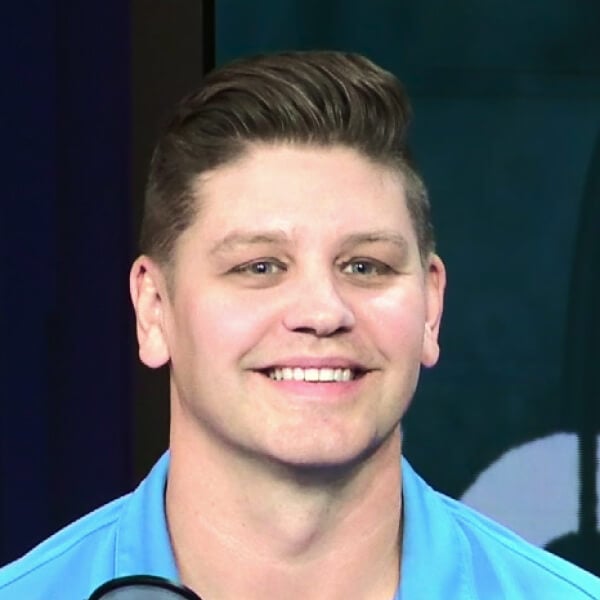
Cory Byron
Vancity Electric
Website: vancityelectric.ca
Instagram: @vancityelectric
LinkedIn: Cory Byron
Cory Byron is the owner of Vancity Electric, an award-winning residential and commercial electrical company based in Vancouver, Canada. With over 20 years in the trades, Cory has built a reputation for pairing customer service with strong tech stacks and operational systems. He’s also the founder of Next Step Systems, a consulting and coaching company helping small trades businesses streamline their operations through modern tech stacks, automation, and data-driven decision-making. Passionate about elevating the trades, Cory speaks on topics such as scaling service businesses, client experience, and using technology to unlock freedom for owners and teams alike.
SIGN UP FOR the masters of home service newsletter
Get monthly updates with news, tips, and advice on how to run a 5-star business. You don’t want to miss out!
Interested in being a guest on the show?
Are you a home service professional eager to share your insights and experiences? Apply to be a guest on the Masters of Home Service Podcast, and join a community of experts committed to helping others level up through knowledge.
Other Podcasts We Love