 24 Minutes
Scale Your Fleet Without Killing Your Cash Flow
With Kyle MacDonald and Beau Batcheller


-
Adam (00:22):
In today’s episode, we’re talking about how to scale your fleet of vehicles. Do you lease? Do you buy? Do you buy new? Do you buy used? Do you use cash? You down payment? Do finance? How do you do cash flow, taxes, all these different things? And my guests today are Beau Batcheller and Kyle MacDonald, and we’re going to get into it all today. So guys, thanks for being here. Appreciate it.
Beau (00:41):
Appreciate you having us to be here, Adam.
Adam (00:42):
I think that a lot of our listeners are buying used trucks, used vans. So I think a lot of your users with Force Fleet, they’re driving used vehicles are breaking down all the time, right?
Kyle (00:50):
Yeah. Yeah. The median age of a vehicle on our platform right now from the most popular vehicles is a 2019 model year. So already into that seven year zone, which is kind of the danger zone if you’re thinking about unplanned repairs and maintenance costs starting to creep up. That’s definitely the case for us. The most popular vehicle on our platform today is a 2023 Ford Transit, for example. So that’s kind of still in the warranty zone. But yeah, we definitely see that the Home Service Pros, they tend to like to keep their vehicles for quite a few years.
Adam (01:22):
Yeah. Well, I had a wake up call several months ago. I go around telling people we drive new vehicles. And then I was like, wait, wait a second. Our vans are 2022s. They’re not really.
Kyle (01:31):
They’re old. They’re old.
Adam (01:33):
Yeah. And so that was a wake up call for me. I was like, they’re not really new anymore. So I personally bought, not personally, I bought six vehicles for the company last year and financed all of them to a degree. I paid some of them off. Four of them are brand new. One of them was almost brand new and the other one was six or seven years old. And I looked at leasing and just didn’t find that it made sense for us. Do you guys have any experience on that?
Beau (01:59):
For sure. So the only lease I participated in was a skid steer. So we bought a Bobcat T66. We always keep three skid steers on hand for the nursery and landscape operations. We got the skid steer. It was great, worked out great. We paid more for the lease than owning it. We didn’t have any maintenance problems really. The things we did have to repair, every time we took it to the dealer, the comment was, This is out of your lease. So if the bucket attachment broke or the radio broke, all of those things never seemed to be included, which not too big of a deal. By the end of the lease, we give it back and it also had an hour limit. So it felt like you couldn’t use it to however much you wanted. It could not run it day and night. It had an hour limit and a year and a couple year timeframe limit as well. So when we brought it back, they said, Hey, the ECU’s broken. And I was like, That’s crap. I ran it three hours the night before and it worked just fine. It was still a great machine, but the purchase price was still very high when we ended the lease. It was like 30 to $40,000 for the skid steer with a thousand hours on it and it was just way too much cash to put down and to continue that out.
Adam (03:05):
Take our listeners, because our listeners are in the same boat that you were with the skid steer deciding and the guy at the dealership’s trying to convince them to do leasing. What did you hear in those moments that caused you to lease that someone else might also hear that they could learn from your experience?
Beau (03:20):
We just thought at the time that when we got out of it, it was a three-year deal so that we would automatically have to upgrade or get out of it or maybe we get to buy this machine at a decent discount. I think in reality though, we just paid a little bit more for the same amount of maintenance we would do on a new machine anyway. So closing that lease out, we actually went and bought a brand new T66 and just owned it outright for $300 less a month.
Kyle (03:42):
If you’re a business that’s growing fast and let’s say you’re really starting to scale and you’re getting upwards of maybe 30 vehicles into 50 vehicles, you’re kind of getting into that zone where you’re entering a space in the industry where it’s true fleet management and there are a bunch of players in that space that specialize in really high value leasing services that go beyond just the vehicle, right included maintenance and all sorts of programs to keep you in the latest and greatest vehicles. But typically those industries have been servicing like rental car space and bigger enterprise style fleet space.
Adam (04:14):
Massive.
Kyle (04:15):
But those companies are definitely starting to look at the SMB space and they’re starting to structure new programs that are better suited for like a business like yours, Beau. So I think the gut feel is to not even go there and maybe say, You know what? I’ve heard bad things. I’m not going to do it. But I think that industry is shifting and there’s going to be new types of packages for smaller fleets that may be desirable. So I think it really comes down to research and looking into it proactively, don’t wait until your vehicle’s off the road for four days of unplanned downtime and then you’re desperate and you’re going in and you’re in a rush, you’re going to have to take whatever deals on the table.
Adam (04:50):
Yeah. The car salesman loves those big times.
Beau (04:53):
That’s his favorite day.
Adam (04:54):
Do we all agree that small business owners really should invest in new vehicles over a used truck, for example? Do you guys agree with that?
Beau (05:02):
I would say so. I think when you’re starting out, obviously you need as much cash as possible for your company when you’re brand new. So I think you have to start with the old beat trucks or use what you have at your disposal. But as soon as you get to a decent spot where you can, I think it’s a great investment or it’s a great investment and it’s a great way to use your cash for something that you know will work. At this point, we’re paying for reliability and consistency. So I would rather now pay for a brand new vehicle and know that that crew has a working vehicle every day of the week and know what income we make from that.
Kyle (05:35):
Yeah. I would say I think that is good advice. Although there’s definitely a scenario where with a bit more research and a bit more patience and it probably requires more contact with dealers and used car sellers where you can tap into those vehicles that are kind of outside of that initial depreciation window, maybe like a two or three year old vehicle with some low mileage. It’s still going to be a top performer in terms of technology and efficiency and reliability. You’re going to pay a little bit less out of the gate. So you get that, you don’t have to eat that depreciation yourself as a business owner, but you’re still going to get a great vehicle. It takes more work. It takes more time and time is always scarce when you’re running a business like this. So I think before you jump in to go get that brand new vehicle straight off the lot, do a bit of shopping, see if there is a deal, either private seller from a dealer that’s two, three, four years old, because it’s probably still in the warranty window. I think that’s an important aspect of this too, is when you’re buying unexpected repair bills are nasty and You got to be really careful about that. And I think no matter what, one of the recommendations we always make, of course, in the space that we’re in is you need to know what’s happening with these vehicles. So whether it’s brand new or some cases we have like 15 year old vehicles on the platform, everybody that’s on our platform is tracking their vehicle. They’re getting the information about the vehicle health. They’re monitoring it on a regular basis. They’re getting alerted if something goes wrong and that insight is invaluable to keeping control of what’s happening with those vehicles.
Adam (07:06):
When I think about getting a vehicle that’s two or three years old, I like what you said about being proactive because so much of a vehicle purchases, well, my beater broke, it’s finally time to go to the dealership right now and buy a new truck.
Beau (07:17):
Exactly.
Adam (07:18):
And you will always pay top dollar when you do that. I’m not saying it’s bad, but that is when you pay top dollar. You can’t shop around, you can’t pin the dealerships against each other, you can’t wait for the… There’s just no leverage of your time. So I do think that our listeners will be well if they were more proactive about their decision. When I go look at a vehicle that’s two or three years old, sometimes it just costs so much at least in the last three or four years it’s been the case. And so unless you have a lot of time to really search and really wait for a properly price to depreciate a vehicle to come on the market, it usually just makes more sense to pay the difference and get brand new. That’s been my experience.
Beau (07:57):
I would also add that you’re going to get way better financing with the newer vehicle.
Adam (08:01):
True.
Beau (08:01):
So the bank, I’m a young guy that the banks aren’t going to look at me and go, Oh yeah, we’ll just give you gobs of money. So when I bring in that four-year-old vehicle, that three-year-old vehicle, first off, they’re hesitant and then they come back and go 2% over prime. And it’s like, This is not what I want. You can go get the brand new truck for a lot less actually, and it’s a already better vehicle.
Adam (08:22):
I think we all agree that driving a reliable vehicle is very, very important.
Beau (08:28):
That’s what I’m 100% happy to spend my money on is buying that reliability so new or a couple years if I hunt the right deal, but that is the most important thing to me. And if that situation was a lease where I’m paying a couple hundred dollars more for it, in that situation it’s okay. But at this point, I would rather protect the cashflow and still have a good asset and I can do that through owning and financing.
Kyle (08:48):
Yeah. There is another layer too that can help with predictability. So let’s say you’re not going to go the leasing route for your vehicle, you’re going to go financing newer vehicles, et cetera. There are also interesting ways to kind of prepay for your maintenance with extended service plans and you can actually make your maintenance costs really predictable by paying for that. You can bundle that into your financing of your vehicle. That takes some pressure off of the potential reactive situation where unplanned maintenance comes up or something’s coming out of warranty. I know the reputation of extended warranties and service plans typically in the consumer space is not too hot and everybody has a horror story or a story of disappointment about that.
Beau (09:30):
We’ve got those 20 phone calls before.
Kyle (09:32):
Yeah, you’ve gotten them. However, if you have good relationships with your dealers and you have a trusted contact over there, everything’s negotiable. They want to keep you in that dealership getting your service there for as long as possible. And so that could be an option as well too. So I think when you slice the pie across the purchasing of the vehicle, the maintenance, the fueling, the insurance, I mean, there’s so many costs involved. You might not get a win on everyone all the time, but there could be one element where you can start to get more predictability and more control and that might be a good value to you as a business owner.
Beau (10:05):
I’ve built, I guess, a local network of mechanics. So I have guys that come in two days a week. I have a diesel mechanic. I know a quick oil change spot around us. We do a lot of it in-house anytime we have a rain day. I’ve just built this kind of ecosystem of guys I can call as soon as it goes bad. And that was cheaper than spending the five to eight grand on maintenance that these vehicles I knew my guys were going to tear up or be rough on or just trash in three years total.
Adam (10:33):
Now are all those guys doing preventative maintenance or well, both are probably doing things that broke a couple days ago and they’re doing preventative stuff. What are they doing?
Beau (10:41):
It depends on how bad it gets. So I got one guy that’s doing preventative and doing quick repairs. And if he looks at it and goes, Hey, this is going to take me longer than three hours, we escalate it up to a shop. So I have a certain skid steer shop I like to use. I have a good diesel tech. I like to use regular car autos. I usually do go to the dealership just because no one’s going to be faster than them. For me, it’s all the time. So a little bit of both.
Kyle (11:01):
Yeah. And when it comes to telematics technology and tracking technology, as long as that vehicle has an OBD2 port, you can get the same benefits from that 1996 Toyota versus that 2026 Ford Transit. You’ll still know exactly what’s happening to it. The odometer value is going to be a heck of a lot higher and you’re probably going to see a lot more chatter on the vehicle in terms of DTC codes and things like that, but you can still get the benefit of that visibility and you can manage it more easily. So I think there are ways to manage risk with older vehicles that just didn’t exist in the past.
Adam (11:37):
All right guys, this is great. I want to pause for a second to talk about Jobber. We’re all big Jobber fans here. Kyle, why do you like Jobber so much? There’s integration obviously with Force Fleet. Tell us more about that and how it can benefit our listeners.
Kyle (11:49):
The beauty of our integration with Jobber is that it brings it all together in one place. So you’re going to get your real-time vehicle location on the map right alongside your schedule with your jobs. You’re also going to be able to enhance your customer service experience with the on-my-way tracking that now includes real-time location of your vehicles that are sent to your customers. So it’s really everything you need to take care of your fleet in a very simple and easy to use way.
Beau (12:14):
What I like most about Jobber is before I was using it, I was just guessing. So Jobber tells me on every job, as long as we put our expenses in, I get to see the total of all of my material. I get to see the labor time for my crews. I can tell you every job’s gross profit for the last 18 months and that really gives me an insight to my business that I’ve never had before. And with that, I can tell where my crew is doing well, where we’re failing at, what we need to do more of. It gives me a level of insight that I’ve never had before.
Adam (12:39):
If you’re not using Jobber, you need to be job costing, fleet management, all the things, it’s all in Jobber. So go to jobber.com/podcaststeal, get your free trial, get your discount and start using Jobber today.
(12:51)
How much does a breakdown cost? And you guys both have a different perspective on this because you have the data, you have the experience in the real world with your own trucks and stuff. So I’m curious about both. A breakdown costs a lot and I don’t think a lot of our listeners realize how much it costs them.
Beau (13:08):
A ton, a ton. I would say the hard facts is my repair budget is like 6,000 a month. What that doesn’t account is how many clients did we not get to that week? How much of production did I not complete that week or that I could actually even bill out? How many clients backed up in the schedule did we upset because we were down that truck and didn’t have another one running. There’s a whole lot of extra cost that I can’t even put a hard number on because we didn’t get to that job.
Kyle (13:33):
I love that angle. I think people can research all day about how much an average repair should cost. There’s some amazing tools out there now where you’re a quick Google search away from having a good guess of how much a repair should cost. It’s a heck of a lot easier if you have the system installed that’s going to tell you what that code is too and you say, Okay, this is a P0430. It’s related to my catalytic converter. It could be just an 02 sensor or it could be like a serious issue that is going to cost me two, $3,000.
Adam (14:03):
There’s definitely a financial cost to it. Lost revenue. There’s so many things, but also the intangibles. Your team, they don’t want to get a breakdown. They don’t want to be sitting on the side of the road with a flat tire or worse. It just, one, it looks bad. All the people driving by your truck, hopefully there’s some sort of label on it so they know it’s you. And then also there’s some guys who really don’t want to have a breakdown. It makes them nervous and gives them anxiety and they’re like… And they just hate it. They hate the idea of a breakdown. And then also just on a softer side, the tangible of just driving a truck that you feel confident in and that you feel like a professional in, that’s just really hard to quantify, but it’s really important because what we don’t want to do is recruit somebody to come work for you and that, here’s your truck and it’s just a beater and it’s trashy and it shakes and it doesn’t break well and the lights don’t work very well. What kind of show are you running around here, right?
Kyle (14:58):
Yeah, totally. Listen, a lot of businesses feature their vehicles even in their images that are on the web. You look at your Google business reviews on their websites. There’s something that it builds like a level of trust and confidence when you see that business that has their fleet lined up. Nicely wrapped vehicles, they look reasonably new, they’re washed, they’re in front of that business, it’s well branded. There’s an intangible there. There’s something that really impacts consumer confidence around that. So I think you’re absolutely right. There’s something above and beyond the nitty-gritty detail of the specifics of the leasing versus the financing and how you’re paying for the maintenance, how you’re getting it done. At the end of the day, reliability, putting your brand out there in the right way in your local community, that’s worth it, I think, for a lot of businesses.
Beau (15:44):
To new hires and customers, it just says, Hey, we are professional. We care about our trucks. That means we care about you. We care about our house. We care about how we do business. And I think it’s just transparent all the way through. When those break down though, it is a momentum killer. And what I have found, it’s incredibly hard at scale when you got your crew rocking and everything’s well, you have two trucks break down that week, watch the whole team just kind of collapse, watch it all fall apart a little bit.
Adam (16:09):
And as the owner, your schedule collapses because now you’re in putting out a fire mode, you’re driving to where they are, you’re coordinating the tow truck, you’re doing all these, none of that was part of your agenda today. And so when our listeners are complaining about their, I just put out fires all day and I don’t have time to work on the business. I just work in the business. Well, yeah, because you drive bad trucks and they break down all the time and you have to help your guys figure it out. That’s no good. And now here’s the thing, Beau you started when you’re 15 years old, you did not go buy a brand new truck when you’re 15 year old. I’m guessing, is that true?
Beau (16:39):
No.
Adam (16:40):
So any tips for that guy who just starting out, he literally could not go buy. He can’t justify. That’d be silly to go buy a brand new truck. What can they do? Can they do some front of maintenance and they stay on top of things? Any idea what they can do to just give it as much life as they can?
Kyle (16:55):
One idea is try to dig into where the vehicle auctions are happening in your local community, in your state. There are deals to be had at auctions that are typically between dealers and major players in the automotive space, but there’s nothing stopping a regular Joe from going to some of these auctions and picking up deals. And we actually talked to one of our customers a few weeks ago who said he’s been reliably buying vehicles via auction for a few years now and he’s getting well below market price.
Adam (17:21):
Good for him.
Kyle (17:22):
So that’s an innovative way to kind of get around a problem. So if you’re getting out there and you’re starting, sure, go to the dealer, figure out what is the list price. But that doesn’t have to be what you start with or where I think there are ways to still win, but you have to get creative. Even from your very first vehicle, because the technology’s available now with like Force Fleet, Jobber, all these tools, start investing in the systems that will help you track and understand what total cost of ownership actually looks like. Because most people starting out have no clue and how could they? They’ve never done it before.
Beau (17:55):
Never tracked it.
Kyle (17:56):
Never tracked it before, right?
Beau (17:58):
Right.
Kyle (17:58):
So I think if you can take that proactive step to start building a data history, building your record, I think that’s going to do a lot for you as you start to add that second, third, fourth, fifth vehicle.
Beau (18:11):
I would say don’t buy… Obviously you have to buy when you can. You cannot just go stretch your budget. A budget is a budget. You can’t just go buy the nice thing. I think you need to really shop the market. You need to look for reliability. You need to look for cheap parts. I know when I was buying trucks early, it mattered that all the parts were cheap because I knew they were old and I knew I’d have to work on them and I had to buy that way. But those trucks, like I’m a Ford guy and I bought two Chevys and they ran for three, four years and they made my business what it is and they’re really cheap to work on. I could work on them, my guys could, we could replace those things and that really allowed me to keep growing. I didn’t go out and buy that brand new, nice personal diesel three quarter ton, right?
Adam (18:49):
Yeah, yeah.
Beau (18:50):
Skip that step. Hold off on that. Build your fleet up, make sure you have a couple. And if you’re going to buy beaters, buy a backup.
Adam (18:57):
Okay.
Beau (18:58):
Buy a backup.
Adam (18:58):
You read my mind on that. Okay. So let’s go there. Two beaters are still cheaper than a brand new vehicle in those early days.
Beau (19:05):
Yeah. I’d go so far. Three beaters equal one good truck. So if that’s what you got to do, do it.
Adam (19:10):
Yeah. Interesting. What do you think about that?
Kyle (19:12):
I think it’s creative and I think it helps you get around a big barrier to entry or at least a perceived barrier to entry that a lot of young business people and entrepreneurs that are getting into it are facing. I would say wrap your beaters as well too. Go big on the vehicle wrap and on the branding. You can turn what might look like if it’s just white or gray or whatever, scratched up. It looks pretty old. You put a brand new full body wrap on that, that thing looks pretty sharp and that’s going to get you a lot back in local brand awareness as you’re hitting the road every single day.
Adam (19:44):
I definitely agree with that. If you are buying a reliable vehicle on the inside, but it’s ugly on the outside. So a lot of times a vehicle is cheaper just because it’s ugly. But run’s great. Honda Accords are notorious for this. Three different colors. It’s been crashed, but the engine is super solid and they’re cheap. And so in the same way, sometimes you can find work vehicles that are ugly, super ugly, but you’re going to wrap it anyways. And so save the money on the car, get a reliable vehicle, put a wrap on it. It’ll last you three or four years. I definitely think that’s a good point.
Beau (20:16):
The half cab trucks, those are always cheaper than a single cab or a full cab. They’re great. They’re half backseat. You can get three guys in it. They’re way lower and they do the same. They have the same frame, engine, transmission, everything, and they’re just a little bit cheaper every single time.
Adam (20:30):
One thing that I have done, not on a huge scale or anything, but I’ve done this is I’ve had… I guess they’re competitors and technically other lawn care guys who I’m friendly with. If they have a breakdown, they’ll just borrow my truck and rent it for a day or two. And so if you’re really struggling, you can go talk to… There’s someone out there who has an extra truck and they wouldn’t mind making a couple hundred bucks.
Beau (20:55):
There was tons of times, especially in high school. I had really old trucks. The tow truck drivers knew me on a first name basis, so it was terrible. But there’s many times I used my grandpa’s truck, my uncle’s truck, my friend’s truck. Jacob rented trucks from me multiple times. I used trucks from him multiple times anywhere and any way to get that job done was the way to do it.
Adam (21:14):
All right. So I’ve got some lightning questions here for you. Just give me your first answer that comes to mind just fast, fast, fast, and we’ll go back and forth here. But what is one fleet maintenance habit or routine that most owners skip?
Beau (21:28):
Tire rotations.
Adam (21:29):
Kyle, what is the single biggest hidden cost that owners overlook when they’re driving old out of day, out of warranty trucks?
Kyle (21:37):
It can be fuel efficiency. You might not think it, but these older vehicles, if they’re not taken care of properly, some of those components, man, it is just running well below the manufacturer’s estimated MPG. So if you’re not tracking it and you don’t know what that fuel efficiency is, it could just be eating away at your cash.
Adam (21:55):
Beau, what would you tell a new person, particularly a young man who wants to buy that cool diesel truck too soon, too early in their business?
Beau (22:03):
I would say skip it. Your company is not large enough. It is not making enough money to do that. You need to lower the ego down a little bit. You need to focus on your sales and your revenue and your systems. And once all of that is in place and this business works without you, then go buy wherever you will.
Adam (22:18):
Kyle, what’s the number one advantage to driving a new vehicle?
Kyle (22:21):
I think it just comes down to a safety net of reliability and the fact that you get to take advantage of the latest technology.
Adam (22:29):
Alright. Well, that was great. Thanks for being here. I love talking through leasing, buying, cash down, maintenance, used vehicles, all that stuff. Kyle, how do people find out more about you and what you do and all that?
Kyle (22:40):
Yeah, for sure. So you can check us out at forcefleet.com. You can learn all about GPS tracking, dash cams, telematics. You can also find us on the Jobber marketplace.
Beau (22:49):
Our Facebook and Instagram is Five Stones Landscape, also website Five Stones Landscape. If you’re in Oklahoma City, you need plants, come see us.
Adam (22:55):
Next week we’re breaking down one of the biggest growth killers in home service, friction. Brandon Downer joins us to show how small changes to your booking process can turn more inquiries into paying customers. Thanks guys for being here. I really appreciate it.
Beau (23:10):
Appreciate it so much.
Adam (23:11):
And thank you for listening. I hope that you heard something that will help you buy your next vehicle, whether it’s paying cash or getting a used vehicle. Whatever it is, I hope you learn something about vehicle fleet management. I’m your host, Adam Sylvester. You can find me at adamsylvester.com. Your team and your clients and your family deserve your very best, so go give it to them.
About the speakers
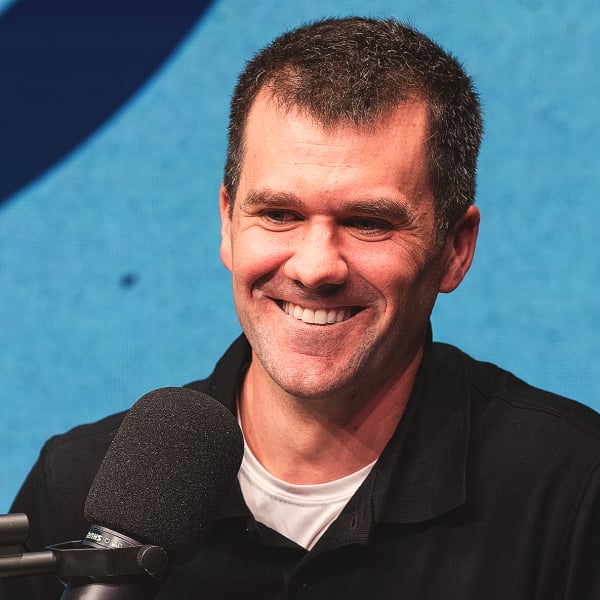
Adam Sylvester
CHARLOTTESVILLE GUTTER PROS AND CHARLOTTESVILLE LAWN CARE
Website: adamsylvester.com
Adam started Charlottesville Lawn Care in 2013 and Charlottesville Gutter Pros in the fall of 2020, in Charlottesville, VA. He likes to say, “I do gutters and grass! When it rains the grass grows and the gutters leak!” He got into owning his own business because he saw it as a huge opportunity to generate great income while living a life that suited him. He believes that small companies can make a serious impact on their communities and on every individual they touch, and he wanted to build a company that could make a big difference. His sweet spot talent is sales and marketing with a strong passion for building a place his team wants to work. Adam values his employees and loves leading people. While operations and efficiency is not something that comes naturally to him, he is constantly working to improve himself and his business in these areas.

Kyle MacDonald
Force Fleet Tracking
Website: forcefleet.com
Kyle MacDonald is the Chief Growth Officer at Force Fleet Tracking and one of the original team members who helped build it from the ground up. With more than a decade of experience connecting small businesses and home service pros to vehicle tracking technology, Kyle is one of the industry’s most hands-on voices at the intersection of fleet telematics and field operations. He knows that for a home service pro, those trucks and vans aren’t just overhead. They’re the engine of the whole operation.
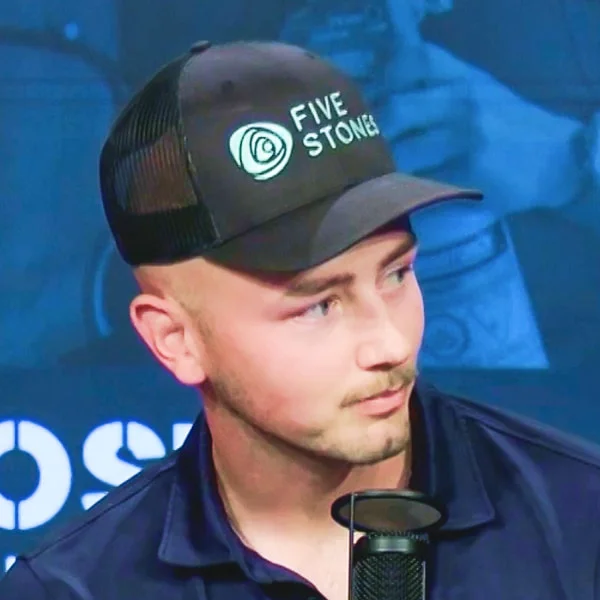
Beau Batcheller
Five Stones Landscaping
Website: fivestoneslandscape.com
Facebook: Five Stones Landscaping
TikTok: @b3.au
Beau Batcheller brings an entrepreneurial spirit and innovative marketing approach to every project. Since starting his first landscaping business in 2017, he quickly expanded it into a multi-crew operation with diversified services and a strong community presence. Today, Beau leads Five Stones with a commitment to creativity, professionalism, and delivering exceptional results for every client.

SIGN UP FOR the masters of home service newsletter
Get monthly updates with news, tips, and advice on how to run a 5-star business. You don’t want to miss out!
Interested in being a guest on the show?
Are you a home service professional eager to share your insights and experiences? Apply to be a guest on the Masters of Home Service Podcast, and join a community of experts committed to helping others level up through knowledge.
Other Podcasts We Love