 31 Minutes
What to Do When Customers Say “You’re Too Expensive”
With Kevin Cook and Rob Soper


-
Adam (00:10):
Welcome to Masters of Home Service, the best podcast for home service pros like us. I’m your host, Adam Sylvester, and I want you to crush it in business. What do you say when your customer says, Oh, you’re too expensive. In the words of my technician back home, that’s the kiss of death. You don’t want to arm wrestle your client, but you also don’t want to roll over either and just give up. How do you balance the two? How do you overcome that objection? Well, today we’re going to answer that question for you. I have two great salespeople here today. They’re going to give you some confidence, some one-liners, and some skills and strategies for improving your sales strategy, so you don’t even get that question, that objection in the first place. So Kevin, Rob, thanks for being here.
Kevin (00:52):
Absolutely. Thanks for having us.
Rob (00:53):
Yeah, thanks for having me.
Adam (00:54):
Yeah, let’s get into it. So before that, Kevin, tell our audience who you are, a little bit about yourself, all that kind of stuff.
Kevin (01:00):
Great. Hey, my name’s Kevin Cook. I’m a contractor that’s been in the industry for 15 years. I’m a sales trainer and coach for all home service contractors. I help contractors transform from estimate-givers to deal-closers to increase their close rates and their revenue. I started my career as a police officer for 10 years, started a landscape company to escape police work. Owned that for 10 years and sold that, and I owned a 18-wheeler trucking company. Got rid of that one too. And now all I do now is coach contractors from coast to coast.
Adam (01:31):
And mostly sales coaching. Right?
Kevin (01:33):
Sales coaching.
Adam (01:34):
Awesome. I’m glad you’re here. Cool.
Kevin (01:35):
Thanks for having me.
Adam (01:36):
Yeah, Rob.
Rob (01:37):
My name is Rob Soper. I’m on the business development team at Eagleview Technologies. We’re an aerial imagery company that basically generates 3D models of exterior structure so we can model a house exactly where it is and give you all the dimensions, all from the comfort of your office. I’ve been in the industry or in the construction industry since I was a kid. Started shingling in high school, moved on with Terminix, and I’ll talk a little bit about that as well. I sold for Terminix, termite pest control, out of college. Ran one of their businesses for a couple years in Pennsylvania and then turned to roofing manufacturing and was in sales for roofing manufacturer for about 16 years, and left the industry for a little bit, but came back with Eagleview, which is where I am now. Started in sales with Eagleview and I’m on the business development team now.
Adam (02:26):
Cool. Okay. And Eagleview integrates with Jobber now.
Rob (02:30):
It does.
Adam (02:30):
Which is great.
Rob (02:31):
We have a very robust integration with Jobber that from the start, the data can facilitate the sales process.
Adam (02:39):
Yeah, that’s awesome. Cool. Well, glad you guys are both here. Let’s get into it. So our listeners, home service business owners, I think have a misconception about what’s actually happening when a client says, Oh, that’s just too expensive. What is that misconception?
Kevin (02:54):
For me, the misconception is you really don’t know what’s going on, and I think we get into trouble is when we start assuming what’s going on. So at some point I’m going to ask, and the specific questions is, If it’s too expensive, what do you mean by that? Or are you referencing the price? Are you referencing the payment, whatever that is, or are you referencing the value of what you’re getting in comparison to what you’re paying? When you figure that out, then you can address that a lot more specifically because if you allow the customer to just state what the value is in their minds and you don’t know that and you’re trying to assume that, then I think that’s when we lose focus, and we’re not able to close deals like that.
Adam (03:37):
Yeah, assuming is not good.
Kevin (03:38):
No.
Rob (03:39):
Yeah, no, I agree. And it’s about value really. It truly boils down to the value. In my experience. It doesn’t matter what you’re buying, whether it’s a stapler or a Ferrari, you want to have a fair trade for the money you’re giving over and the product that you get back, whatever it is, and a lot of times a price question can be simply that. It can be just a question and no more. They just need some clarification. And that’s where you start to uncover, maybe not an objection, but an opportunity to build value in whatever product or service that you’re offering and really nail that home.
Kevin (04:14):
Agree.
Adam (04:14):
Yeah. I’m going to step on some toes a little bit for our listeners. I think some of them need a wake up call. I think some of them need to realize that when they get that objection, especially they get it a lot. The reason they’re getting that is because they don’t think it’s worth hiring you. If they saw your value and they really believe in you and the company and your team and your brand and all those things, then they would buy. But what they’re really saying is, it is just not worth it. I just don’t think you are worth what you’re selling, and I think they need to boost the value, the perceived value of the client. Isn’t that right?
Kevin (04:49):
I do agree. The contractor himself is the number one portion of the value equation. Value equation means that there’s a lot of things behind us as contractors and salespeople. We have all our amenities and what we offer, what we sell or what the services that we do, but if a customer doesn’t completely like you or trust you or feel good about you, it doesn’t matter what you’re selling. It’s just not going to get past that point. And usually in a lot of cases, they’ll shut the sale down by saying it’s too expensive.
Adam (05:18):
So you think you need to build more rapport, build more trust?
Kevin (05:21):
A hundred percent. In my company I call it, you got to be that guy to your customers. And if you’re not that guy, if they don’t feel like you’re that guy, everything that you talk about sounds extremely expensive.
Adam (05:33):
Yeah. Rob, you’re selling mostly a business-to-business, I think. Is that right?
Rob (05:38):
Currently, yeah.
Adam (05:39):
Yeah, currently. So this is a very relational sale.
Rob (05:42):
Right. Yeah. I mean, and the relationship long term. I was at a trade show this weekend and some of my partners, I consider ’em my friends really. We’ve known these people for years and in some cases known some of these partners for 20 or 30 years. And we know our families, we’ve gone on trips together, all that kind of stuff. And that’s super important. But the transactional relationship in a lot of home improvement, it is very similar to what I was doing at Terminix. So I was door-to-door running, running leads, or canvassing neighborhoods for termite and pest control, and Kevin hit it right on the nose, trust. It’s the number one thing we had at ServiceMaster and Terminix, we had a six-point sales formula. So there’s a lot of sales formulas out there. This one was super easy. Number one was trust. Number two was explain the problem. Three was explain your solution. Four was sell the benefits of your solution. Five was close the sale, however you want to do that. And six was ask for referrals and the trust equation. You can’t get to step two unless you’ve built some sort of trust otherwise people aren’t even going to open the door for you. And that has to do with marketing, that has to do with your Google Ads, reviews and all of those things. You’re networking and how you go about your business, but you cannot get the step two without the trust. But at the same time, if you’re always, like you said, if you’re always getting that objection, there’s something wrong with the trust part of that equation.
Kevin (07:12):
Hundred percent.
Adam (07:13):
Yeah. How can our listeners build more trust? It happens so fast, it can happen in minutes. Less an hour for sure, most of the time. So we can’t unpack all six steps. I like those steps. We can’t unpack all of them. Let’s unpack the first one. How can our listeners just today start better building rapport and building trust with the homeowners we’re meeting with every day?
Rob (07:32):
For me, I’m curious. So I like to know about customers. Even when I walked in today, Kevin and I started just asking each other questions about who we are and how we relate to each other. And I think that is super important. I had the opportunity when I was selling pest control, I was inside people’s houses, so I got a peek into what their lifestyle was like, the pictures of their kids on their refrigerator, the bike hanging in the garage, the deer head over, over the fireplace, whatever it is, and not, I would relate to them on something that I was interested in. And it wasn’t disingenuous. It was, I’m genuinely curious, Nice mountain bike in your garage, tell me about it. And the next thing you know, five minutes down the road, you’re not a salesperson, you’re kind of a friend and you have something in common with them. The resistance to the sale goes down and the goes up. And then I think in that part of the equation, if somebody doesn’t trust you, they’re going to need a discount on your price because that’s the insurance game. But if the trust is high, you can sell high and you can build more value and get higher margins out of it simply from executing. Well, on step number one.
Kevin (08:44):
A hundred percent.
Adam (08:45):
I think that when you have trust with your client, it comes from a certain level of understanding the client’s pain. So if you go into someone’s house and they have termites, you say, Yeah, do you see the rats running around in the basement? Yeah, how did you know? Well, and you have stink bugs in the attic I bet too. Yeah. And do you ever have whatever in the basement? Yeah, how did you know? And they’re no different than everyone else. You’re solving the same problem over and over again. But if you can communicate the pain that they’re probably already facing before they articulate it.
Kevin (09:18):
A hundred percent.
Adam (09:18):
They’re like, Gosh, how did you know all that? Well, I’m a professional. That’s what I do for a living. They instantly trust you because you understand their pain already. So I think that’s a huge part. Now, you don’t want to just go in there and just throw up all over them. You want to ask questions, but there is a balance of predicting, so to speak, what their pain probably is. You ever have this happen? Yeah. Your car rattles like this in the front, right? Tires probably a loose set rotor. How’d you know that? Whenever you’re selling people, you want to make sure you understand what their pain probably is. I’m such a fan of that.
Kevin (09:48):
A hundred percent. I think that’s a part of what I said earlier is your customer has to know you’re that guy, and they know you’re that guy based off of what you’re talking about and your pain points. And to your point of building trust, I’m a huge on social media guy, and the system that I built for contractors, the trust starts before you even get there using social media discovery calls. And you do a warmup by sending your customers information about who you are, what you do. So that customer, when you hit their doorstep, they already have a good feeling of who you are. They already, you’ve already sent them your some, you intentionally sent them some of your social media posts that you intentionally made to tell them who you are, what you do, or you intentionally make content about their pain points and you send it to ’em based upon what their complaint is. And so when they get there, they see the guy on the screen and then they see the guy show up. Well, that’s the guy.
Adam (10:48):
Yeah. Builds trust.
Kevin (10:50):
And that trust is there initially as soon as you get there.
Rob (10:53):
And I want to add to that. Now, with technology and AI and all those things, you can uncover a lot about consumer without being too creepy through demographic data, through open source data that can be delivered through a platform like Jobber. I mean, they can tap into that and enrich the quality of the leads that you’re using, and you have a better understanding of the profile of the individual that you’re actually selling to. And having that in your hip pocket is very valuable information. You kind of understand where they sit.
Adam (11:25):
I’m a big fan of trying to avoid the question altogether. I think if you build a sales presentation just right and you go all through the right steps, then I think you can avoid people saying, Well, that’s just too expensive, most of the time. But is there anything else that our listeners need to do to avoid that? Build rapport, build trust, anything else very practically that they can start doing in the sales presentation so that they don’t get blindsided by this, Well, that’s too expensive. It’s like, Well, now I feel like I’m starting over. Anything else that we can do?
Kevin (11:54):
I say that I tell all my clients that I have is to assume they want what you have. What I’ve noticed is across a lot of industries is we hear it so much that we go in expecting to hear it, and that in my opinion, is always going to skew the sale in your presentation.
Adam (12:14):
They can smell it.
Kevin (12:15):
They can smell it, and that’s all you’re talking about. You’re talking yourself compared to the other guys or this price compared to this price. And if you want good stuff, it’s going to cost you. And they start having that conversation. When you have that conversation, they start to smell that. They’re just waiting for the punch. They’re waiting to get hit. They’re like, it’s coming. Where is it? And so when we don’t act like that at all and we go in, you just do your thing, be the guy and assume they want it. You just move right into the clothes.
Adam (12:47):
Confidence. Yeah. Yeah.
Kevin (12:49):
I’m a fan of good, better, best as well. Optionality. Because then you can move a customer up or down in the chain of value depending on how they answer. And more often than not, if you have a very high-priced option in there, they’re going to land on the middle price. That’s just natural. Nobody wants to be the cheapest. The too expensive option is often too expensive. Literally, it might be too expensive for somebody. They end up falling on that middle option, which if you do that over a longer period of time, your net sales, your average sales ticket is going to continue to go up as you drive people up there, and it gives you, the car dealerships do it all the time. They’re bolting on accessories and all kinds of packages in there. It’s very effective.
Adam (13:34):
Yeah. I think that’s why the quoting features in Jobber are so valuable with the optional items. You can go into someone’s house and say, Here’s three options. Which one do you want? Not, Do you want one? You have to change the sale from which one are we doing? To are we doing this at all? It goes back to what you were saying, Kevin, let’s assume that we’re going to do the deal. You called me out here, you got a problem. Let’s solve this problem today. Let’s do it now. Right? Yeah.
(14:00)
I want to pause our conversation for a minute. Talk about Jobber. Rob Eagleview is integrated with Jobber now for roofers. It’s a big change.
Rob (14:08):
It’s a big change. So they’ve brought in a full data integration with us. You don’t have to go to eagleview.com, you can stay in Jobber. You can order your data, your reports right through the integration, and it delivers all that data, not just in a PDF, like you’d get on an email attachment if you go to eagleview.com, and actually delivers that data into Jobber’s quoting and estimating features inside the platform. And as we mentioned, that gives you automated optionality when it comes to system selling or it comes to good, better, best. Everything’s laid right out for you instantly.
Adam (14:42):
It’s pure fire. There are people listening, celebrating, and doing jumping jacks because they heard that’s a huge, huge integration. It’s awesome. If you’re not using Jobber for roofing or for anything else, you need to go to jobber.com/podcastdeal, hit the exclusive discount, and start using Jobber today.
(14:58)
So let’s try to get our listeners to start building a better sales process so they avoid the question or the comment, you’re too expensive altogether, but let’s say they get it. What are our listeners doing wrong when they hear that question? What do you guys say is like, don’t do X, Y, and Z when someone’s like, You’re too expensive.
Rob (15:17):
The first thing is if they’re mentioning price, you’re in the game. If they’re not mentioning price, your margins are gone probably in all likelihood, the lowest one. And that’s not where you want to be.
Kevin (15:29):
A hundred percent.
Rob (15:31):
You want the customers to think that you’re a premium product. Always. The perception is really reality there when it comes to the psychology of that sales process. So when you build that in, don’t be afraid of it because you are selling higher and you should be selling higher, higher price than everybody else.
Kevin (15:50):
A hundred percent. I think there’s three things that happen across pretty much all industries. I don’t care if you’re a landscaper or a plumber or HVAC guy remodel, it doesn’t matter. And there’s three things they usually happen in this order, right? When you hear that price objection, If you’re too expensive, the first thing, the mistake you make is you get emotional, right? Emotional means you’re mad, you’re sad, you’re uncomfortable,
Adam (16:13):
Defensive.
Kevin (16:13):
Defensive, whatever that is. And it’s a mistake because you’re not thinking about the customer anymore, you’re thinking about yourself, and it starts clouding your judgment about what you’re going to do. So after that is as soon as it starts clouding your judgment, you start believing everything the customer’s telling you. So if they try to steer you off in the right field or left field, you chase the rabbit and then you’re way off the sale, that’s a mistake because now we’re talking about something else. So you lose track. And the third thing is, it’s the last ditch effort. We throw a discount out to try to make the sale.
Adam (16:50):
Which never works.
Kevin (16:52):
It never works. And it explains to the customer that your prices weren’t solid in the first place. There was imaginary numbers. So you lose credibility and you lose control of the room. Once you lose control of the room, you lose control of the sale.
Adam (17:04):
I’m a big fan of what you just said, Kevin. I agree that you can’t just offer a discount after they say no. I think that’s sleazy. And no one likes that. And it makes them even more step away like, Whoa, now you’re changing the price. But I think if you change the scope, I think it’s different. Well, this Ferrari is a hundred thousand dollars, but if you want a car, you can get a Toyota for 50. That’s not sleazy. That’s just a different scope of product. And so well, this comes with a 40-year guarantee. If you don’t want to guarantee at all, we can take some money off. Is that what you want? Well, no. I want the guarantee. Are you willing to pay for it? Yeah. Right. Yeah, I guess I am.
Kevin (17:41):
Right.
Adam (17:43):
I love what you said about being emotional. I think that our first reaction is like, it’s happening again. I haven’t gotten a sale all day and it’s going to happen again. And we just start unraveling, right? And we have to maintain. We’re the professional. They called me most of the time, actually, they called me. And we have to maintain confidence. What else? We don’t want to arm wrestle ’em. What? You should do it. I’m not going to do it. You should do it. We’re not going to do that. Any other tactics that we can do to make sure we at least have a shot at closing the sale after they talk about the price?
Rob (18:16):
Yeah. Well, again, I think you need to uncover the objection, uncover the why behind it. Again, the good, better, best gives you optionality gives you the ability to slide up and down and not discount your price from whatever product you’re giving, but you’re explaining to them what they’re getting. And the bottom line is don’t be afraid to walk away. Don’t cut your margins for a customer,
Kevin (18:36):
A hundred percent.
Rob (18:36):
That might not be a good customer. And there are plenty of bad customers out there that you might not want to do work for. They’re the ones that are beating you up on price, and then they’re the ones who are raking you over the coals for every little thing that went right or wrong with the project, and you end up under watering it. So at the end, there’s no harm. And again, leave the emotions on the table and just, Hey, that is what I am. I’ve got other things to do. Go sell to other people. Call me if you’ve got any questions. And it’s not uncommon if you’ve done your job and you’ve built the value in it, that they’ll call you back.
Adam (19:13):
Yeah. I tell my team a lot. There’s three kind of buyers. There’s the buyer that’s going to buy no matter what. I love your brand. Your next door neighbor used them. They’re just going to buy from you no matter what. Then there’s people that aren’t going to buy no matter what, but the people in the middle can be won over. They can be persuaded, they can be sold.
Kevin (19:32):
A hundred percent.
Adam (19:34):
And so I think if someone says to me, Oh, that’s too expensive. My first reaction is going to be a question.
Kevin (19:41):
A hundred percent.
Adam (19:43):
Why do you say that? Too expensive? And then get them talking. Yeah, I got this quote from this other guy. It’s half the price, half the price, and I just think you start unpeeling back the onion. You eventually get to the nerve.
Kevin (19:57):
A hundred percent,
Adam (19:58):
And you’re like, Oh, I see what we’re talking about here. You really want X, Y, and Z. We’re talking about the wrong sale. You just want this. It’s all you want. Yeah, that’s all I want. Okay, well let’s do that sale instead. And you won’t find that out. Now, hopefully you find that out before, but if you don’t, I think whenever I get a curveball from a client, it’s always a question. It’s always like, just ask ’em a question quick. It gives me time to regroup.
Kevin (20:21):
I think that when you ask questions, you take a lot of your emotion and your own personal thought process out of it, because too expensive can mean a plethora of things. Are you talking about the whole investment’s expensive? It’s expensive compared to what you thought it was? Is it expensive compared to somebody else, whatever. You need to understand what that is so you can address that issue and solve the problem. And to your point earlier, and sometimes you will have to walk away, but in my experience and also my clients, if somebody’s going to abide from you, you’re not going to have to arm wrestle ’em that much, if any at all. You might have to ask some follow up questions. You might have to overcome an objection or two, but it’s not going to take forever. If you’re going back and forth and back and forth and back and forth, you’re probably not going to make that deal.
Adam (21:09):
Yeah. What do you guys think about husband and wife own the home and only the wife is there, husband’s at work and I got to talk to my spouse.
Kevin (21:19):
Oh, man.
Adam (21:20):
How do you guys handle, how do you handle that objection? Because it’s similar. They might say, It’s too expensive. I have to talk to my husband, or I have to talk to my wife about this. Can I call you tomorrow? That’s usually not a good sign. You don’t usually get the call the next day, although sometimes you do on big ticket items, but any strategies on reducing the number of those interactions?
Kevin (21:38):
For me, it starts with your discovery call. Before you even get there, you’re discovering, you’re talking to ’em, and you try to set up that scenario where that won’t happen. Want both of ’em to be there at the same time. And you hear it often sometimes that you don’t want to present in that situation. You just don’t want that to happen. In the event that you do, you also can overcome a few objections. If you have some good rapport and it’s a good smooth transaction and it’s going real well. I usually hit ’em real fast, Well, what if your husband says no? Right? And they’re like,
Adam (22:12):
Oh, that’s a good question. I’ve never heard of that one, Kevin. That’s good.
Kevin (22:15):
It’s like, it’s like, what if your husband says no? And they’re like, Well, he’s not going to say no. Okay.
Adam (22:21):
That’s good. I like that.
Kevin (22:24):
So it’s not going to say no. Or you’re like, Miss Susie. Do you love it? Do you like it? Do you want it? Oh yeah, I want it so bad.
Adam (22:32):
But I just got to talk to him.
Kevin (22:33):
I got to talk to him. It’s like, Okay, well what if he says no? He’s like, he’s not saying no to me. But it’s more of a defense down reaction and you’re like, and you just kind of sit there and be silent and wait.
Adam (22:43):
And then she realizes, let’s just do this.
Kevin (22:46):
Usually close it down. She’s like, Oh, okay, let’s go ahead and get it done.
Adam (22:48):
Yeah, that’s good. I like that.
Rob (22:50):
Yeah. I think you can use technology too. Nowadays, everybody’s used to FaceTime and Zoom calls. Find a time to follow up if you really can pitch ’em both, and it’s required. I mean, truly, if you really uncover that a hundred percent, they’re not going to decide unless it’s together, especially on a big ticket item, and it requires financing or whatever, just do a follow-up call over Zoom. It saves you time, saves it, makes it easier for them as well.
Adam (23:17):
Yeah. I’m also a big fan of if you’re in a situation where you only have one of them and the other one’s at work or something, you want to make sure that they are equipped to explain and sell to the spouse as well as you did.
Kevin (23:29):
Oh yeah.
Adam (23:30):
If they’re gray, if they don’t understand they have have an unclarity on the whole sale product service, they’re going to be a lousy salesperson that night. Yeah, babe, I didn’t really understand it. Let’s just move on. Right? But if you say, Hey, what do you need to know to explain this the way I it to your husband? Oh, well, now that you say that way, I don’t really understand this part. Okay, let’s talk about that. What don’t you understand? That way, that night husband comes home, she’s like, Babe, I can tell you all about this sucker. Lemme tell you, and she’s equipped, and now you have two salespeople working for you instead of one. And it goes a lot better. But like I said, if she doesn’t understand or he doesn’t understand, trying to explain it later, not going to happen.
Kevin (24:09):
A hundred percent.
Adam (24:10):
Rob, what would you say is system selling warranties? Tell me more about that.
Rob (24:14):
Sure. In the roofing industry, and specifically, I’m not an expert in some of the other industries, but in the roofing industry in particular, the manufacturers have built systems. They manufacture not just the shingle on the roof, for instance, but the underlayment, the hip and ridge cap, the ventilation products, all the accessories that go into an entire system, and they offer warranties now. So you’ll get an enhanced warranty if you use the entire system that’s there, or some number of three of five components on the roof have to be this particular product, and we’ll give you an extra five years, or we’ll give you a non-prorated kind of warranty. It’s super important, and I would encourage anybody to become affiliated with a manufacturer that’s in your industry. So I mean, if you’re doing interior designs, if you’re doing roofing or siding, windows, those kinds of things, the manufacturers can do a few things. They can enhance your warranties, which enhances your value, which allows you to upsell. They can also be a great marketing partner for you. You get on their preferred pages, you get promoted through lead gen and a lot of these manufacturers, and like we were saying before, good, better, best. That gives you an option to start bolting on, Hey, we’re going to put a high-profile ridge on here. We’re going to put ice and water shield in your valleys and your eaves. We’re going to ice and water shield the entire thing, but we can take that out if that’s too expensive for you. So we can let you build the system around this particular product. And it gives them a sense of agency over the process, and they get buy-in because they’re making, I’m not selling you a product. Here’s what you have available. You build the product and put it together and we will install it. And there’s the price.
Adam (25:55):
If you’re selling a 40-year warranty, a 30-year warranty and a 20-year warranty, people who choose 20 years aren’t stupid. That’s just the one that they want.
Kevin (26:03):
Yeah.
Adam (26:03):
Give ’em a choice, let them choose. They might only want a 20-year pay for that, but if they want a 40-year, that’s an option too. I like that a lot.
Rob (26:13):
And there’s a variety of colors and things like that, and upsell colors. Being affiliated with one manufacturer might hem you in on the colors. It’s not a bad idea to be affiliated with two. Again, gives you optionality with the colors. I find that it’s the women of the house are more sensitive to the color choices. The men are a little bit more sensitive to the warranties and the financing and all that kind of stuff. It’s just, not to pigeonhole people into roles, but that’s just been my experience. So it’s important to sell to the person. And, also I think it’s really important to not sell the wrong thing to the wrong person. If the woman is running the finances and she does all the banking, those are the questions that need to be directed toward her. You have to do it to part your discovery.
Adam (26:57):
You have to read, don’t read the room a little bit.
Rob (26:58):
You do. Don’t make that mistake. That’s right.
Adam (27:01):
Kevin, what’s something that simple that our listeners can start doing today to improve their sales ratio and close rate?
Kevin (27:08):
A hundred percent stop selling the process. Stop selling your construction process, your materials. A whole bunch of emphasis on your materials and the measurements and all that stuff.
Adam (27:21):
Technical side of it.
Kevin (27:22):
The technical side of it, because at the end of the day, your customers get lost there. That’s what the check is for us as pros to come and take care of that, but do start selling the dream, the process. For instance, if you are selling the pool, you’re selling the kids playing around, jumping in the pool, the cookouts, the parties, you’re selling that instead of selling, we got to come back here and we got to dig it. It’s going to take this many days and get permits. Then people start to say, that’s too expensive.
Adam (27:52):
And this is too big of a job. I’m not ready for this.
Kevin (27:53):
I’m not ready for, that’s a lot. It really sounds really involved and expensive,
Adam (27:57):
Right. Yeah. Focus on different things. Focus on the right thing with your client.
Kevin (28:02):
Correct.
Adam (28:02):
I like that. So true. Guys, that was great. I could talk about sales all day. I can tell that you guys could too. I’m going to break it down into three things that I think our listeners can start doing right away to really start boosting their sales and their close ratio and their confidence in the home. Number one is build trust with your client. No one buys from anybody if they don’t trust them. Ask questions, take interest in them, empathize with them. Sales is an emotional thing. It’s not a transactional thing. You have to do emotional things to make an emotional sale. Number two is give choices. You should never, ever, ever give one option. It’s just not a good idea. You want the decision to be, which one? Not, am I going to do this? Which one? Not, am I going to buy? And number three, stay calm. If someone says, Oh, that’s too expensive. Stay calm. You’re the professional. Ask questions and try to peel back the onion and figure out why they said that. Revisit the pain and try to come at it from a different angle instead of arm wrestling them. Getting emotional. Getting offensive. That’s just how much it costs. No, no, that doesn’t work. Stay calm, be professional, and you’ll always have more success staying calm. Guys, thanks for being here. That was awesome.
Kevin (29:11):
It was great.
Rob (29:12):
Thanks for having us. Really appreciate.
Adam (29:13):
I really think that people have a lot to chew on. I think our listeners, the average IQ of the salesperson just rose after that conversation, and so Rob, how do people find out more about you?
Rob (29:24):
Yeah, you find me on LinkedIn, Rob Soper, S-O-P-E-R, and feel free to message me. I’m happy to send you to coaches or give you any kind of references or any advice I can myself.
Adam (29:37):
Cool.
Kevin (29:37):
You can find me on all social media platforms under @kevincook_official or you can go to thedirtywork.io.
Adam (29:46):
Bingo, guys, thanks for being here. Really appreciate your insights and good luck.
Rob (29:51):
Thanks.
Kevin (29:51):
Of course. Thank you.
Adam (29:53):
On the next episode, we’re talking about the growing pains that come with success and how to avoid them from building solid systems and tracking data to managing money in tech the right way. We’ll break down how to scale your business without losing control of the process. Follow or subscribe today so you don’t miss out, and thank you for listening. I hope that you heard something that will help you close more sales and be better at your sales process. I’m your host, Adam Sylvester. You can find me at adamsylvester.com. There you can tell me what you think about the podcast, give me feedback, tell me what you think. I want to hear it all. Your team and your clients and your family deserve your very best, so go give it to ’em.
About the speakers
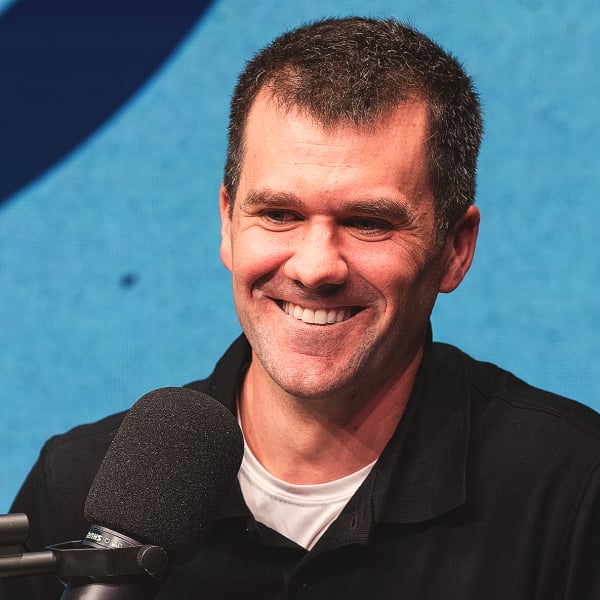
Adam Sylvester
CHARLOTTESVILLE GUTTER PROS AND CHARLOTTESVILLE LAWN CARE
Website: adamsylvester.com
Adam started Charlottesville Lawn Care in 2013 and Charlottesville Gutter Pros in the fall of 2020, in Charlottesville, VA. He likes to say, “I do gutters and grass! When it rains the grass grows and the gutters leak!” He got into owning his own business because he saw it as a huge opportunity to generate great income while living a life that suited him. He believes that small companies can make a serious impact on their communities and on every individual they touch, and he wanted to build a company that could make a big difference. His sweet spot talent is sales and marketing with a strong passion for building a place his team wants to work. Adam values his employees and loves leading people. While operations and efficiency is not something that comes naturally to him, he is constantly working to improve himself and his business in these areas.
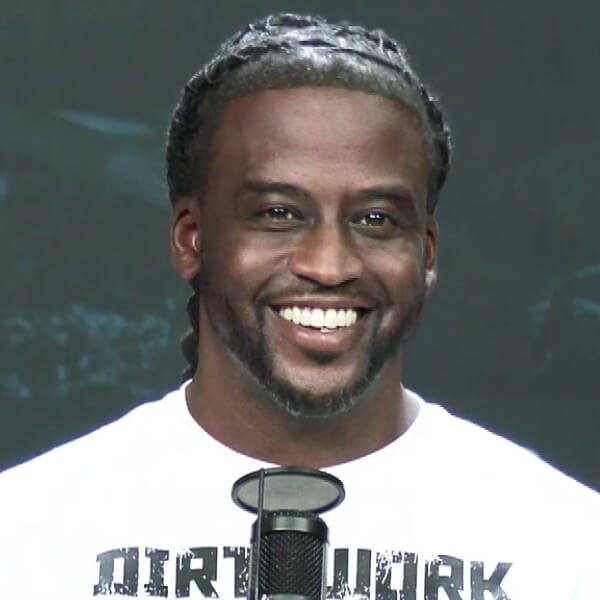
Kevin Cook
The Dirty Work Sales System
Website: thedirtywork.io
Instagram: @kevincook_official
TikTok: @kevincook_official
YouTube: @DirtyWorkSales
Facebook: Kevin Cook
Kevin Cook is the founder of The Dirty Work Sales System, a contractor-focused sales and leadership framework built on decades of real, grind-tested experience. A former 10-year police officer who went on to build two 7-figure trades companies in landscaping and 18-wheeler trucking, Kevin now coaches contractors across the country on sales, leadership, and closing deals with confidence on the spot.
His approach blends discipline, identity, and modern communication to help service business owners build companies they’re proud to run. Kevin is also the creator and host of the From the Dirt podcast, where real builders share real stories about growth, grit, and becoming the man your family can count on.
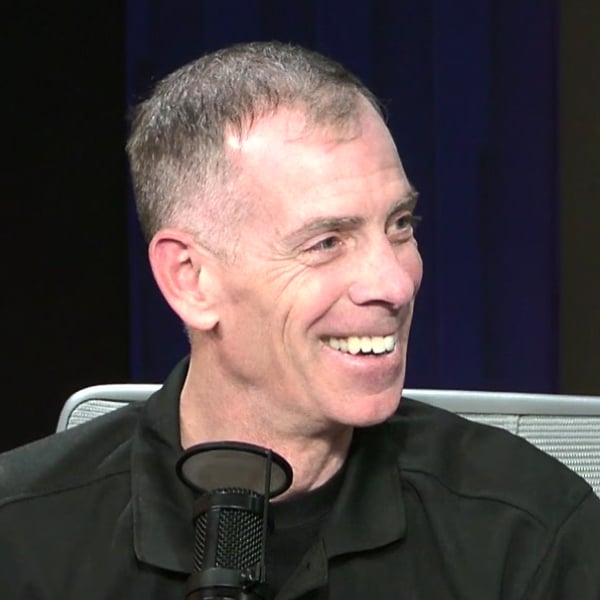
Rob Soper
Eagleview Technologies
LinkedIn: Rob Soper
Rob Soper brings 40+ years of roofing and construction expertise to EagleView. From his early days in installation to nearly two decades in sales management for industry giants like GAF and Elk Roofing, Rob has a deep-rooted understanding of the contractor’s journey. Now based in Denver, he focuses on building strategic partnerships and integrations that help construction businesses thrive in a digital-first world.
SIGN UP FOR the masters of home service newsletter
Get monthly updates with news, tips, and advice on how to run a 5-star business. You don’t want to miss out!
Interested in being a guest on the show?
Are you a home service professional eager to share your insights and experiences? Apply to be a guest on the Masters of Home Service Podcast, and join a community of experts committed to helping others level up through knowledge.
Other Podcasts We Love