




Skip to content

How to Write a Solid Plumber Job Description [+ Free Template]

profile picture of Shana Cesaire, freelance writer for Jobber Academy
Shana Cesaire
Dec 2, 2025 13 min read
Start Trial

Key takeaways:

Looking to hire a plumber for your plumbing business? You’ll need an accurate plumber job description to attract qualified candidates and quickly grow your team.

Whether you’re new to hiring or just pressed for time, this article will show you exactly what to include. 

And if you want a shortcut, grab our free plumber job description template and build a standout posting in minutes.

What does a plumber do?

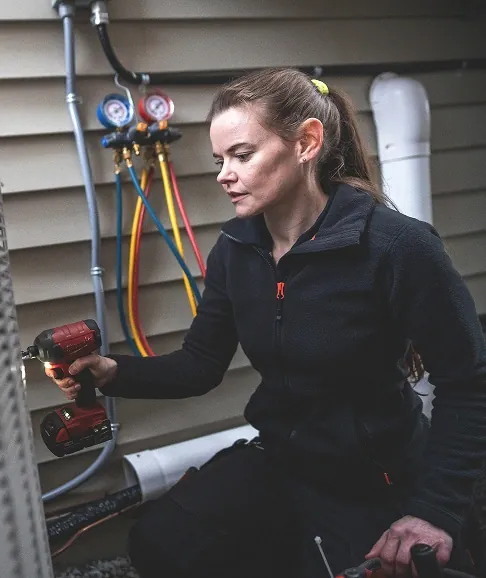
A plumber is a professional tradesperson who installs, repairs, and maintains pipes that transport water, gas, and waste in homes or businesses.

Plumbers also install and maintain plumbing fixtures, like bathtubs, showers, toilets, and sinks, as well as appliances with water line connections, like washing machines, dishwashers, and fridges.

Beyond installation work, plumbers diagnose issues like leaks, clogs, low water pressure, and faulty valves. They inspect plumbing systems to ensure they meet building codes, perform routine maintenance to prevent costly breakdowns, and recommend repairs or upgrades to improve system efficiency.

Many plumbers also read blueprints for installations and to diagnose issues, collaborate with general contractors on new construction projects, and provide emergency service for urgent issues such as burst pipes or sewer backups.

Now that you have an idea of what a compelling job description looks like, let’s cover a few other details you’ll need to easily recruit qualified job seekers.

What to include in a plumber’s job description

A strong plumber’s job description should include: the job title, role summary, duties and responsibilities, required skills and qualifications, working hours, salary range, and information about the company. This will help you attract skilled candidates by clearly outlining what the role involves and what your company needs. 

I’d rather have 10 applications where I want to hire five of them than get 200 applications and have to sift through every single one of those.

Jackson Blackburn Mt. Baker Window Cleaning Co.

Below, we explore these key elements in more detail.

Job title

Choose a clear, specific job title that accurately reflects the role and skill level you’re hiring for. Avoid vague titles—such as simply “plumber”—to ensure that you find candidates who best align with the role. 

There are several common titles for people who provide plumbing services, depending on their experience level and associated responsibilities:

  • Plumber’s helpers (plumber’s assistants) provide an extra set of hands and support a journeyman or master plumber on the job site. They aren’t licensed, so they can’t independently provide plumbing services or call themselves a plumber.
  • Apprentice plumbers are new to the field and can perform limited duties under supervision during a job site training program. An apprentice plumber learns by working with journeymen and master plumbers.
  • Journeyman plumbers have completed an apprenticeship program and obtained an entry-level plumber’s license. This allows them to work independently as a licensed plumber under the supervision of a master plumber.
  • Master plumbers have multiple years of experience and the highest possible level of plumbing license. They can supervise journeyman plumbers, pull project permits, and run a plumbing business on their own.

If the role focuses on a specialty—like service, construction, or gas fitting—include that in the title to attract the right applicants.

It’s important to note that steamfitters and pipefitters aren’t the same as plumbers. Although they perform similar tasks, they typically work in industrial settings to install and maintain pipes that carry fuel, chemicals, and steam.

READ MORE: Types of plumbers: 6 different plumbers, services, and salaries

Role summary

A role summary is a brief overview of the position you’re hiring for. You should start with this section when you’re writing a plumber job description, and include details like: 

  • Position title
  • Position supervisor
  • Seniority level
  • General responsibilities

Outline what the role involves and what kind of person you’re looking for. A clear role summary will encourage qualified candidates to apply, and it may automatically eliminate candidates who are not the right fit.

Pro Tip: Certain plumber titles or levels are legally permitted to perform certain tasks—and prohibited from doing others. Make sure you’re hiring for the right level, based on the tasks you need completed and the tasks allowed by plumbing licenses in your state.

Plumber duties and responsibilities

Write a detailed list of plumber responsibilities and daily tasks. When writing this section, ask yourself the following questions: 

  • What types of clients does your plumbing business normally work with (e.g., residential, commercial)?
  • What kind of plumbing equipment will they need to operate (e.g., borescope, soldering torch, cordless drill)?
  • What plumbing duties and tasks do your plumbers typically complete (e.g., installation, inspection, maintenance, emergency services, and/or repairs for drains and water supply systems)
  • Are there any other non-plumbing tasks that this person will be responsible for (e.g., customer service, bidding on plumbing jobs, scheduling work, invoicing clients)?

Pro Tip: Want to pull together the details of your job description faster? You can use Jobber Copilot, your built-in AI assistant and business coach, to help. Simply prompt Jobber Copilot to write a job description containing your prerequisites and customized info, and you’re all set.

Required skills and qualifications

Include any required qualifications applicants must have. For example, a journeyman plumber needs a certain level of experience and a journeyman plumber’s license before they can legally provide services.

Here are a few plumber job requirements and qualifications to include:

  • Years and level of plumbing experience (e.g., apprentice, journeyman, master plumber)
  • Plumbing licensing requirements in your state or county
  • Successful completion of (or enrollment in) a plumbing apprenticeship program
  • Physical demands of the job (e.g., weight-lifting capacity)
  • Soft skill requirements (e.g., customer service, communication, problem-solving)
  • Plumbing tools used on the job (e.g., power tools, hand tools, and testing equipment) 
  • Valid driver’s license and clean driver’s record, if required

Pro tip: To see what licensing your plumbing team needs to go to work, Google [your state + plumber licensing requirements] or read our plumber licensing guide.

Working hours

Let applicants know upfront about their expected shifts or hours for the job role. When you’re clear about the job’s time requirements, you’ll attract candidates who can actually work those hours.

A good job description also states whether the job is full-time or part-time, seasonal or year-round, and permanent or temporary. Prepare to include options for overtime or on-call hours.

Plumber salary

Include a fair and competitive pay range within your plumbing job description. A compensation band sets better expectations for your candidates, and it saves you time interviewing plumbers who are out of your budget.

Consider listing a salary or hourly rate range so that applicants know where they stand and how they can negotiate pay. You can then make an exact offer based on your top candidate’s skills and experience.

As a starting point, the average plumber in the U.S. earns around $63,215 USD per year, or roughly $30 USD per hour.

READ MORE: Plumbing Industry Statistics and Trends to Know for 2025 (and Beyond)

Pro Tip: Include any non-financial compensation or perks you offer, too. This could include your employee bonus program, paid days off, health insurance, or a retirement savings plan.

Plumbing company overview

A company overview lets you introduce your business and explain why job seekers would want to work for you. It’s your chance to make a case for why you over another company. 

Your plumbing business overview might include:

  • How many years your company has been operating
  • Your company mission, vision, and values
  • What it’s like to work at your company
  • Why your plumbers work with you and stay long-term
  • Professional development and career-building opportunities


You can save your company overview and use it in any future job postings, no matter what the role is. Here’s an example of what your plumbing company overview could look like:

READ MORE: How to build a business where employees want to work

Include instructions for applying to your job posting, whether that’s through email, an online application form, or an automated job board like Indeed.

Clearly state the application deadline, resume requirements, and any extra information you need, including professional references or shift preferences. Close the posting with a final instruction, such as: “To apply for this position email your resume and cover letter to [email address].”

Once your plumber job description is ready, post it on job boards, your company website, and local community platforms to attract top candidates. From there, focus on shortlisting qualified applicants who meet your criteria. Start scheduling interviews and follow-ups to find the perfect fit for your team.

How to write a plumber job description

To write an effective plumber job description, break the role down into clear, scannable sections that help candidates quickly understand what you need. Your goal is to communicate responsibilities, expectations, and benefits in a way that attracts qualified applicants.

Here’s how to do it:

  • Start with an accurate job title that reflects your desired plumber’s skill level or specialty
  • Write a short role summary explaining what the plumber will do day-to-day and how the position supports your business.
  • Create a responsibilities list using bullet points that outline the plumber’s core tasks—installation, repairs, diagnostics, maintenance, and customer communication.
  • Define required qualifications, such as licenses, certifications, experience, and technical skills.
  • Include preferred skills like troubleshooting ability, professionalism, time management, and customer service.
  • Add physical and safety expectations, such as lifting requirements, working in tight spaces, or being part of an on-call rotation.
  • Highlight what your company offers—benefits, pay range, training opportunities, tools provided, or career growth.

By organizing your job description this way, you give candidates all the information they need while making your posting clear, professional, and appealing.

A great plumbing job description builds a reliable team

A clear, detailed plumber job description helps you attract skilled candidates and set the stage for a smoother hiring process. 

By outlining responsibilities, qualifications, and what makes your company a great place to work, you make it easier for top talent to find you. 

Once your posting is live, focus on connecting with applicants who meet your needs and evaluating them effectively by asking key plumber interview questions.

Originally published in November 2024. Last updated on December 2, 2025.

Frequently Asked Questions

The national median salary for plumbers is around $60,000 per year (USD), according to U.S. News and World Report. This amount varies based on your state, the plumber’s experience and qualifications, and their job title or licensing level.
Most plumbers need a high school diploma or GED. Many need either a trade program certificate or a completed apprenticeship program to gain hands-on experience.

Some regions may also require plumbers to hold a certain type of plumber’s license or contractor’s license before they can legally provide services.
A successful plumber needs physical strength and the ability to work in tight spaces. They should also be a good communicator who can identify and solve plumbing issues on their own.

Depending on the position you’re hiring for, you may also want a plumber who has experience with a specific type of plumbing system or fixture.