On Demand
Thinking About Franchising? Start With This.
Everything I’m going to talk about over the next few minutes is really just based on my experience in franchising. I’ve been doing this for a number of years. I came into Fibrenew at a stage where they needed some systems built, and some people brought in, and some framework around the idea that was already started. So I didn’t get involved from the ground floor, but I was at a stage entering the business where it was very much needed, and that’s part of my experience that I’m going to talk with you about. Hopefully, some headache sorry, save you some headache and some heartburn and some stomachaches, if possible, along the way for thinking about franchising. So I appreciate the opportunity. And just for a quick agenda, some of the things we’re going to talk about today is just very basic, you know, why do people think about franchising? What’s going on in a local business that prompts someone or encourages someone to think about scaling it? We’re gonna talk about the reality check down to building your core team. We’re gonna talk all the way through to the upside of franchising, and then finish off with some Q and A at the end. So excited to get started, and let’s dive in. So the first topic is why do people think about franchising? You know, what’s the starting point of an upstart franchise? And it’s usually rooted in something that you’ve built that’s working well locally. It could be some sort of service based franchise. It could be a food based franchise, maybe something in the healthcare space. Whatever it is, something is working good locally. And I’m just going to prompt everyone right now. If you’ve got an idea, enter it into the chat window. Just curious to see some of the concepts and ideas out there that you guys are coming to this conversation with. And you’re probably at a point where, okay, things are running smoothly. Let’s talk about how we can scale this. And some of the motivations in terms of why you’d want to franchise, I’m guessing these are some of them, but you’re looking to systematize the business. You wanna bring in framework systems for everything on the operation side of things. Maybe you’re looking at stepping out of the day to day. You want to replicate what you’re bringing to the business. Maybe it’s more in the lifestyle side of things. You wanna create more time and freedom for yourself. Maybe you’re just looking at, you know, building something for the future, and making something that could be sellable in the future. These are all great reasons, but they’re not the end all be all in terms of why you should do this. There’s a lot of things to consider in going into starting a franchise, and that’s what we’re gonna dive into now. And the outside looking in at a franchise, typically when we think of franchising, these are some of the big names in this space. Obviously, McDonald’s. McDonald’s is the most prominent franchise in the world. Domino’s, another food franchise that’s very dominant. Midas in the automotive space. Snap on Tools in the automotive space. And I think a lot of outside perception looking at a franchise concept is, Hey, this is great. We have other people who have invested into the business. They’re running my concept or my system, and money is flowing in. And it’s not quite that simple. What actually goes into it, and what it can feel like, and I’ll share, you know, more so back in the day, not so much now, but what franchising can feel like in reality sometimes is like adult daycare. It can be a constant drain on you in terms of support. People phoning you, texting you, emailing you all hours of the day. Why is this done? Why is this not done? How come you’re doing this for one franchisee and not me? My business is not growing as fast as it should be, and it’s your fault. There’s a lot of different things that you can get hit with as the franchisor. But as you start to build systems and solve some of these questions in advance, those adult daycare type activities really start to fade away, and you can have something that does work as more of a standalone entity. The really the core truth in franchising is that it’s not passive income. So it’s not just someone running your business and royalty money is flowing your way. Franchising is really a systems business. It’s very much a people business, and it’s very much a compliance business. There’s a huge legal arm to franchising. There’s a huge framework and agreements, and operational systems that have to be adhered to. So systems, people, and compliance is really the backbone of franchising. And Aaron mentioned the readiness test that you guys will get a copy of. So this is really a checklist of things to put yourself through before you take the next step into maybe franchising your business or converting your model into a franchise system. And the first one really comes down to you. You’re probably here joining us today as a founder, or someone early on in the business, and you’re in a leadership role. And a lot of it comes down to you being ready as an individual to step back once systems are built. Step back once you’ve hired a team that can run with the concept. Your ability to not do it all and have your finger in every single aspect of the business is a really important thing that you have to be good with in your head and your heart. So I’d encourage everyone to start with that. The second component to this is the systems. So we’ve talked about it in the previous few minutes, but really, what systems are in place right now that others can run with? Is there an operational manual of some sort from a daily basis on marketing, getting customers, how to respond to those customers? Is there a price list? Is there a supply chain? Is there a follow-up process? Is there a training system? Is there a support system? Is there an ongoing education system? Is there a succession system for franchise owners as well? You want to help them with that. So these are all the operational systems that someone can replicate with. Someone who is going to invest in the business can run with and make it their own. The other one is the financial strength. And this is a big one when you’re getting started. It takes a lot of capital to get off the ground, obviously. You’ve got to hire a team. You’ve got to build your brand. There’s a huge marketing investment that obviously has to happen. There’s a lot of things that have to go into the, you know, the system building. That’s gonna take capital. That’s gonna take money. Now, you guys being business owners, I’m sure you’ve thought about this. Maybe you’ve got outside investors. Maybe you’ve talked to some sort of funding partner, whatever it is, the financial strength and the backbone is obviously very, very important in the checklist. The fourth one is what makes you different? This is a crazy stat, but there are about four thousand franchise concepts active in the US today. That is incredible. I mean, there’s a franchise for almost everything you could ever imagine, from picking up pet poop in your backyard, to landscaping, to window washing, to obviously cleaning, and any type of service you can ever imagine. So if you’re going to get into the same pool as an existing concept that’s already franchised, What’s gonna make you different? How can you bring a different edge to it? Maybe it’s from a technology standpoint. Maybe it’s from a different customer interaction standpoint. Whatever your differentiation component is to your franchise, that’s something you really wanna define and be solid with before you go much further. We talked about the training and support systems. How are you gonna help your franchisees succeed? The legal foundations is really important, and this is where you need outside legal help. You need a franchise lawyer to build your franchise agreement, to future think about scenarios down the road when you’re starting to grow your franchise concept. Someone who can say, what if this scenario, what if that scenario? And start to really future plan and bracket for what could happen down the road. That’s very, very important. And then the long term mindset. Are you in this for the next five, ten, fifteen years? What’s your exit plan? Is a big question to really put yourself through. Why are you doing this? What’s on the horizon for you? And you wanna start to plan for that right now. And then really, the last one is, why are you doing this? Why really are you doing this? Is there a monetary driver? Is there a lifestyle driver? Is it that you just want to build something bigger than you are, build a legacy? That’s a really, really important thing to clearly define. So these are the checklist items that Jobber, the team, will give you at the end of this session, and you can put yourself through this test and really just stress test everything. Now, first item on this checklist was you as the leader or the founder of the franchise, having the ability to step back and step out of the business once things are either in the hands of your team, either in the hands of your system. And there’s a book out there called The E Myth. Now this is a classic business book. It’s been around for a long time, I think twenty plus years. And it’s something I’d recommend to any business owner, whether you’re in franchising or not. But the concept of the book from author Michael Gerber is the difference between working in your business and working on your business. And what that really means is, as someone who started the business, you’re probably doing everything from the marketing, to the sales, to the accounting, to the operations. That’s working in your business. Working on your business would be things like looking at your overall branding, looking at your team building structure, looking at what’s on the horizon a year, two, and five from now. That’s what kind of working on the periphery rather than being right in the pie of your business and having your fingers in there. So big consideration for someone wanting to scale a business and turn it into a franchise, really recommend reading this book. And here’s a pardon me, a quote from Gerber, and it’s taken right out of the book. And it reads that if your business depends on you, you don’t own a business. You have a job. And it’s the worst job in the world, because you’re working for a lunatic. So really what that means is you’re crazy if you think you can do it all, and you need to step back and trust others and trust the system that’s been built. Okay, one more checklist, and we’re gonna get into some more detail here. So really, are six core layers of any franchise system. And the first one is the legal framework. As we talked about, franchising is really about compliance. It’s really about the legal aspects of how to run a business in multiple locations. So the franchise law aspect of running a franchise is absolutely huge. And we mentioned you need a proper legal team representation that specializes specific specifically in franchising. Someone who does family law or real estate law won’t understand the ins and outs of franchise law, and there are law firms out there that do specialize in it. Next, you have to decide the royalty framework. Are you going to work on a percentage basis? Meaning for every dollar that your franchisee brings in, are you going to charge percentage of that for supplying the system, for supplying the support, for supplying the marketing, etcetera? Or are you gonna go with a flat rate? And that could just be a set amount on a monthly basis that your franchisees will pay order to have access to your systems and support? And then you’ve also got things like marketing and technology fees on top of that. Is there going to be a contribution fund for your franchisees to pay into to fund national advertising? The technology that will have to be in place to run your franchise as well. There are certain things that have to go in there as well. So the third one is your brand and marketing position. And we talked about defining yourself. What makes you different? And really what makes you different against your competition? So really doing an in-depth competition analysis to figure out their strengths and weaknesses. How do your strengths and weaknesses stack up against them? So doing a full SWOT analysis on yourself and your competitors, very, very important to do. And then the systems. Building your training, your support, your marketing, your technology. That’s a fourth core component of any franchise system. Ongoing compliance and evolution. So it’s one thing to stay compliant and stay in step right now, but then what does the future look like? What’s going to change in your industry? What’s going to change inside of your system as you bring more people in? You have to understand that and really keep your finger on the pulse. Never sit still. You want to be the opposite of Blackberry. I’m sure most of you know the story of Blackberry. They thought they had it made in the shade. They didn’t evolve. They didn’t stay in step with what was going on in their industry. And we all know what happened to them. And then the most important one, being the six core component, is the people to support it all. It’s really the bedrock to everything is my belief, is the people in your business, from your team at your head office operations, to the people you bring in as franchisees. That solid core of people inside of your business is really the end all be all of everything. A little bit more about the legal side of things. You can’t skip this. So what a franchise team will do for you is build what’s called an FDD or franchise disclosure document. So this is everything about your business. You’re disclosing everything about you, your business, the leadership, the financial capability of running a franchise, where you franchise before, any franchises that have closed down, and the reasons for it. All of that has to be disclosed and put into a document for a potential franchisee to look at and understand. You have to be an absolute open book and a glass door as a franchisor. This is just the way the law works in franchising. And then you’ve you need the franchise agreement drafted as well. And your legal team will do that for you. So this basically forms the logistics of the relationship that you’re going to have with your franchisee. What are those fees? What are the minimum service standards? What are the ongoing training components that go into your requirements? What is the product spend? What’s the investment they have to put in to your products and supplies? All of that will be defined in the franchise agreement. Then you have to get approved by your state or your province to operate as a franchise. So you can’t just get a franchise agreement drafted. You can’t put your FDD out there and then say, okay, I’m open for business. You actually have to go through the state regulators and get approved to operate in that particular jurisdiction. And so, there’s a process involved in that. And again, your legal team will help you with that. If they’re involved in franchising, they know all the state regulators and they can help you with the filing that has to happen. And that has to happen every single year. So you have to submit a new FDD and franchise agreement every single year to the jurisdictions that you want to operate in. That jurisdiction has to approve you, and then you can go to market as a franchise concept. And as we mentioned, the financial scrutiny, they’re gonna the regulator is going to look at, is this concept in good standing? Is it available to operate and survive? They don’t want people in their particular state or province to be investing in a business that is not looking like it’s going to survive. So you have to prove that you’ve got the financial means, you’ve got the experience, you’ve got the track record to continue to operate a business. And then they’re gonna look at you. They wanna know who’s at the helm of this business. They wanna look at the founder, the CEO, anyone in an operations leadership role. They want to understand the people behind this business to make sure that you’ve got the wherewithal and the knowledge in terms of how to run this into the future. We talked about branding and positioning. And you’ve maybe done this with your local concept, your local business in some capacity. What do you stand for? What does your business actually stand for? What’s your voice? What’s your identity? What do you look like in the market? How does a customer perceive you? What are you promising to your customer? And how are you making good on that? Is really the basics of branding. You guys probably all know that. And then where does that fit in the market? You know, what problem are you solving? How are you different from your competition? Why would customers choose you over someone else? I wanna really, really clearly define that. And that could either be you doing this. It could be someone you bring in from the outside. There are obviously branding experts out there. There are lots of AI tools that can help you with this, but it’s a really important component that can’t be skipped, obviously. I think another very important thing to stress test is the future proofing idea of your concept. Can your model survive the future? You know, will it be outsourced or, or, upended by AI or any type of automation? Can it be outsourced easily? Is there a supply chain risk? I mean, we’re kind of in question right now in the world with that, with what’s going on in the Middle East. My company included, a lot of our products, are petroleum based. So we’re looking at what’s going on in the flow of energy out of the Middle East and going, you know what? We’ve got to change some of our buying practices with raw products. What does that do to our supply chain? What does that do to our pricing? How does that affect our franchisees? So just understanding that entire workflow, that entire ecosystem, if it’s food related, input costs are going to go up there because fertilizer and fuel is going to cost more for farmers to produce food. How does that affect your supply chain? And really, what does that mean for cost control? You know, are you able to offer your products and services at a price that’s similar to what it is now versus three or five years from now? You wouldn’t want to be doubling or tripling your input costs for your franchisees because of supply chain risks, because that could put your whole concept at risk, obviously. And then your, value proposition for what you’re offering. You know, why would someone invest in your business? What is it that you are actually offering? What’s the ROI on their investment into your franchise? So put yourself in the shoes of a prospective franchisee, and just say, okay, if I was looking at me, what would I want to understand in terms of my return on the investment? Put this through an exercise with some of your close colleagues. Put this through an exercise with your advisors. Run it through AI. I mean, do whatever you have to do to really stress test. Why would someone invest in my franchise and the service that I’m putting out there? Obviously the support that you’re going to bring for systems, the branding strength, the culture that you’re going to build. I think this is huge one, and it’s a big way to make yourself different from other franchise concepts, is your culture. You can’t touch it. You can’t feel it, but it is very real. And we experience this a lot with franchisees who are looking at us as a potential investment. And they say, you know what? You guys just have the right vibe, the right energy, the right type of people I want to be in business with. And so you got to build that yourself. You got to build what is your culture. Are you someone who is very aggressive on business growth? Are you someone who’s a little bit more maybe family oriented and very supportive? What is your kind of cultural ethos, and what makes you, you? Is really the question to answer there. And then comes the real detailed work on building the systems, and it’s everything from your initial training, to your ongoing coaching, to the documentation of all this, and some sort of operations manual, and how everything pieces together. What technology will be the backbone of your business from a from a daily operation standpoint? What type of marketing are you gonna put out there in the world to attract potential customers? This is actually what you’re selling as a franchise is the systems. And if you’ve heard this expression before by other franchise concepts, It’s something that you may be experiencing or talking about yourself, but there’s a there’s a saying in franchising that says, you can be in business for yourself, but not by yourself. So what that means is you can invest in this business. You can build it. You can grow it. You can make it your own in your particular market, but you’re never on your own in terms of support, in terms of growth, in terms of ongoing growth of that particular location. This is really what you’re selling is that whole framework that goes around the concept itself. So clearly defining this, clearly building it, bringing in expertise that can help you with this is really, really important. And again, to go back to the E Myth idea in that doing all of this yourself is a tall order and not recommended. You need people in particular areas of the business to obviously help you build this. And the compliance standpoint, we did touch on this before, but a few more details in terms of what that actually means. So the franchise agreement is really about giving you the ability and the mechanism to exercise control and consistency on the system itself. You don’t want one franchisee in a particular area of the country running rogue and doing things completely different. Maybe running their own advertising. They have their own store front graphics or their vehicle graphics. They’re buying products from somewhere else. Bad, bad, bad. You don’t want any of that because that really puts your brand at risk. So you want compliance in building standards in that. You consistency in all of your fees. All of your franchisees have to be treated equally. And really just bringing in, hey guys, this is the box that you get to work within. You’ve got some area outside of that, But for the most part, you got to stay within the bounds of the franchise agreement. Because without that, you run the risk of reputation damage. You’ve got legal exposure issues. If one franchisee feels they’re not being treated fairly, if one customer experience goes really bad because of something that that rogue franchisee did outside of your system, that could actually bring you into that legal, scenario. So you don’t want any of that. You want people who are gonna stay within the bounds of it. And that, again, goes back to the quality of the people you bring in. You know, making sure that there’s someone who is going to be trainable, coachable, work with you, someone who doesn’t want to reinvent the wheel and try to go on their own and do it their own way. That’s a personality that you should just encourage to be successful elsewhere. Maybe go run your own business. Franchising is probably not the space for you. The other big thing to think about, and I’ve seen this happen, unfortunately, with so many franchise concepts where this great idea comes along. You’ve got a founder who can, bring in a lot of interest. You’ve got people who want to be part of the franchise, and they just start clamoring. And what ends up happening if the system, the backbone, and the people aren’t there to support all of this, is it really just starts to crumble under its own weight. You’ve got too many franchisees coming in all at once. You have to train all of them all at once. You have to support them all at once. You have to supply product to them all at once. Some franchisees are left out in the dark when others are getting help. There’s just too much weight on the entire system, and the whole thing can crumble and or be segregated so badly that it’s very difficult to come back from that and rebuild. So one thing that I was taught early on and how Fibrenew was built, and we see this with many other franchise concepts who’ve stood the test of time, is build it room by room. And it’s basically the difference between building a brick house room by room. Let’s get this done in the business, this number of franchisees, maybe in this particular area or country. Then we’re gonna build the room next to it. We’re gonna do this in the business and build that, and they bolt onto each other rather than building the skyscraper in, you know, a few weeks and the whole thing crumbles. So it’s devastating to see that happen, and I think it’s important to just think about slowing down and doing things right. You don’t want to be, you know, going too slow, but this is the classic, you know, the hare and the tortoise, or the rabbit and turtle, whatever you want to call it, story of just doing things right, doing it properly, doing it thoroughly. And that’s something to think about early on as you’re getting things rolling. People. I can’t stress this enough that you got to think about who are all the smart brains that you can bring into your business to help you build things. And this is going to take shape in a few different ways, but building some sort of board of advisors or mentors is going to be very important. And this is one beautiful thing about franchising guys, is that franchising by nature is really made up of people who want to help each other. So you’ve got leaders, founders, people on operations in so many franchise concepts out there that are willing to talk shop, willing to share stories, willing to give advice, willing to challenge you if you’re open to it. You want to build that circle of mentors from day one, if you can. The International Franchise Association, or IFA, is a spot that you can do that at. They hold conferences often. They have online resources that you can tap into. It’s really getting into that community and getting into that way of thinking like a franchisor, and the IFA is a wonderful source for doing that with. We talked about building your legal team, your marketing and technology capabilities, your support and training, your franchise development team. So you build a concept, you’ve got the systems, you’ve got the branding, you’ve got the technology. Now, how are you going to find potential franchisees and put that out there? And then the supply chain logistics, if applicable. I mean, if you’re a franchisor who is supplying products to your franchisees, you want to make sure that you’ve got someone who understands this, understands logistics of it, especially if you’re shipping across borders these days. It can be quite complex. So as you can see, there are a lot of people that have to go into building that team. And another thing that I was taught early on is you want people on this list to be smarter than you. You want to bring on I mean, if you think you know marketing, bring on someone who knows way more than you. If you think you know about franchise development, talk to, associate, and rub shoulders with people who have done it way longer than you, and have so much knowledge to bring into it. Hang out with people who bring more to the table than you ever could, and your team will grow, and your concept will blossom like crazy. Part of your role in this though, early on, is you’re there to sell the vision. I mean, this is your baby. It’s in your heart. You thought it in your head. It’s probably by and large going be up to you to sell that vision and sell what this idea could be in the future. It’s probably going to be up to you to select those initial first franchise partners. You should do that, actually. You want to know that the first people you’re bringing into your concept to represent you and build your brand are really solid people. And that gives you the ability to build and protect that culture. You know? What is your concept all about? The people coming into it are gonna help you to find that. And this is an exercise that I learned from Brian Skutimore. He’s the founder of one-eight hundred GOT JUNK, and he does this every once in a while, and I think he did it way back when he was just getting started in his business, but it’s to make a list. So if you can see on screen right now, it’s a two column list, and on one side, make a list of everything that you like to do, and you’re good at. Detail all of that out. On the other side of the page, make a column for the things that you don’t like and that you suck at. So if there are things that you don’t like and you’re not good at, you’re probably going to avoid them more than the things that you like and the things that you’re good at. So what you want to do is define what can I do in my business right now from day one? What talents do I bring? What energy do I bring because I like to do it? And detail that out, and be honest with yourself on the things that you don’t like to do, and you’re probably not very good at. And those are the things that you hire to first. So if you’re a marketing person, you know how to craft messages, you know how to sell your vision and sell what it is that you’re bringing to the market, that’s something you’re good at and you like, put that on obviously the first column. If you’re someone, and I’ll vouch for this, who hates contracts, and hates the details of reading legal documents, and quite frankly, dealing with lawyers, and all of that stuff, I hate that stuff. So I’ve got someone on my team who really likes it, and is really good at it. And I trust her with everything from a legal aspect. I think really sitting down and doing this will bring a lot of clarity in terms of how to build the first iteration of your team. And then the other thing, and I think Brian suggested this too, is ask your partner, your children, or if you have employees right now, what am I good at? And what am I not so good at? And get their input as well. Because they can bring in an outside perspective and just help you, you know, be really, really clear on this. So great exercise to do. And then as we talked about, your first hires after you’ve built these two lists are really important, because they’re gonna help you define your culture. They will also help you validate your model, and they’ll really help you shape your reputation going forward. And the first handful of franchisees that you bring in, the first iteration of people who are going to invest in you are really, really important. And here’s the scenario of good versus not so good. Let’s say in your first year of franchising, you land six to eight new franchisees coming into your business. That’s fantastic. That’s a great start. If three or four of them are bad actors, if half of your franchise base is not willing to play by the rules, if they’re not team players, that’s half of your franchise base right off the hop that can cause major damage. So you want to find your rock stars early on. Your first franchisees are really, really important to make sure that they’re aligned with you. They’re aligned with your vision. They understand what the future holds, and they want to be part of that vision and build it with you. And sometimes that means saying no to people that are willing to invest in your business, and that can be painful, but you’re trying to get going. You want to start to build your franchise base. You’ve got people, you know, essentially waving a check at you saying, let me in, let me in. If your gut says no, if there’s some reason that this doesn’t feel right, you’ve got to trust your instincts on that and say, you know what? We’re just getting started out, and I think that another concept would be better for you. I’m gonna go in this direction instead. So really, really important to slow down. Think about that first group of franchisees you’re gonna bring in, because they’re gonna be the foundation and the bedrock for everything going forward. And that six to eight franchises you do in your first year could turn into ten, twelve, or fourteen the next year, and then twenty plus the years after. So, it all starts with that first group of people you’re gonna bring in. We talked a few slides ago about franchise brokers, and this is an important thing to touch on too, is once you’ve built your brand, you’ve built your system, you’ve got your franchise agreement, FDD in place, you’re ready to go to market. How are you going to find new franchisees? And you can do it in typically two ways. You can go the franchise broker route, which is just like a basically a real estate broker. So they’re going to list your opportunity. They’re gonna represent you. Gonna drive interest in your concept. They’re going to find franchisees to come in and bring them to you. They’re gonna find investors and buyers for you, essentially. It comes at a very I’ll call it hefty price to pay in terms of, you know, sometimes taking up to half of the franchise fee. However, it is sometimes a necessary evil to build your concept, build your locations, get your foot out there in the franchising space. Franchise brokers are a really good way of doing that. And then for you, you still have to represent yourself. So you’re going to be talking to the prospects. You’re gonna be talking to the brokers. You’re gonna be basically that that middle person kind of negotiating everything on behalf of your brand, but the franchise brokers are the ones who are gonna go out and bring people to you. And then you can also do your own marketing. I mean, you can go out on social. You can go on Instagram, TikTok, Facebook, LinkedIn, whatever it happens to be with content and messaging you’ve created yourself and entertain people coming to you that way. Obviously, slower process. You’re not gonna get in front of as many people as the franchise brokers would, but it is a route and an option for you as well. But something again to think about. One the other quote to share with you from Jim Collins is, a great vision without great people is irrelevant. So what that really means is that you’ve got all the great ideas in your head, and you don’t have the people around you to execute them. Really, what’s the point? And his arguments are really shared in a second book I want recommend to you, if you haven’t read it already, is Good to Great. Absolutely fantastic book. And actually, predecessor to Good to Great was Built to Last. These are two, you know, highly coveted business books that have been around again for probably twenty plus years, but are so relevant in what defines a business that makes it, and what defines a business that doesn’t make it. And going back through my recollection of reading these books, these points on screen is probably the clearest way of describing it, is one of the biggest reasons is people and culture. Businesses that scale, that grow, that stand the test of time, always have good people at its core. Planning and execution. Planning things and then just doing it is essentially what that means. It’s not necessarily planning, making a big splash, and talking about what you’re going to do. Companies that last, that grow, that actually do it, are the ones that just do it. You know, they just basically, whatever they put out their head and heart to, they just run with it and do it. Being diligent, having the internal drive, striving for excellence is obviously a characteristic of a lot of businesses that do it. And then curiosity and paranoia from the leadership standpoint. I found this one interesting in reading these books that, leaders that are paranoid about the future, are paranoid about the competition, that, overly plan, that build backup plans are at the core of businesses that really scale and succeed. So anyway, I’ll just pass that off as further recommended reading for any business, whether you’re in franchising or not. Jim Collins and his team put together awesome books. Okay. We’re coming down to the last few slides here, but I wanted to also talk about why it’s worth it and the upside in the franchise sorry, the upside of franchising, because it can be fantastic. Once you can scale something, grow something, be part of something that is bigger than you, it can be very, very rewarding. So scaling your vision could be a big reason on why it’s worth it. You know, if you’ve got a vision of having numerous franchisees and numerous pockets of the country, and seeing that come to fruition is very, very rewarding. Building a community. Maybe you just want to be in business with people who are like you, and that you relate to, and that you just plain like, and they could be part of your business idea. That again, just feels so good. When we get together today for seminars or training sessions, and we bring in our franchise owners, I mean, some of my best friends are inside of five Renew and inside of our franchise community. I know people from all over the world. We all have a commonality. We’re all like minded on some capacity. And that’s very cool to be part of. Impacting many lives. This is a big one. Especially as you start to scale and you think about, okay, I’m helping people who want to start a business. I’m helping their family members. I may be helping their children in the future. I mean, maybe there’s a legacy component to the business being passed down through family members. We’re starting to see that more and more in our business, and it is very rewarding. When you know, a teenager child that I met you know, fifteen, sixteen years ago is now taking over the business from their parents, when they’re you know twenty five or thirty years old. That is absolutely fantastic. You have the chance to do that when you build a franchise concept. Creating something bigger than yourself is very, very rewarding as well. It’s, you know, again, taking your vision and putting it out there and just building something that can live without you. Building the legacy is very closely related to that as well. And it’s fantastic guys. I gotta say, I mean, is just, it feels good seeing an idea and a concept that you’re close to and associated with or started yourself grow like that. It’s absolutely fantastic. We talked a little bit about the long term planning, and what is your exit game? What’s your exit strategy? Are you in this for the next five years, ten years? Do you have a fifteen year plan? You have internal succession mechanisms? Maybe there’s someone that you’re partnering with right now, who is either younger than you, or has expressed interest in maybe, you know, taking over the business over time. Maybe you just want to grow it to as big as you can, scale it, and do a private equity exit, or some sort of other strategic buyer. That’s fine as well. But I think starting with the end in mind is really, really important. Why are you doing this? What does the horizon look like? Something again to put into your planning now. And I wanted to just get into a little bit more detail about my real world experience with Fibrenew. The gentleman you see on screen right now is the founder of Fibrenew International that we know today, Michael Wilson. So Michael was the one who really scaled the initial idea of FiverrNew. He did everything. He did franchise sales. He was doing support. He was doing training. He was doing marketing. He ran, ran, ran like crazy for a number of years and basically just reached a point of burnout. And the brand was also at a point where things something had to change, something had to give. And that’s when I came in. Michael knew that, he needed to start to outsource. He needed to bring in some different brains to the business. And I was part of that vision that Michael had, and I was able to grow a team, build systems, bring in technology, and really kind of form all the things that he probably wished he had at the beginning of his franchising journey. And so some of the things that we’re talking about today is really maybe, you know, avoiding some of the headache and the heartache that Michael went through in thinking about and building from day one, just for a smoother process, you know, a more enjoyable process and something that can scale more quickly. And so that’s just a little bit about my experience in fiber noon and franchising in particular. And then just in closing here, if I had to simplify any key takeaways for you, as far as the keys to building a franchise. Point number one, gain clarity. Gain absolute certainty in knowing what you stand for, what your vision is, and what you want to build for the future. What’s your why? Is really what you want to question, and get really, really honest with yourself here. The second component is the people and the planning that go into scaling that vision. Bringing in people who are smarter than you, who can bring, expertise that you don’t have into your concept. You really want to get that from the from the start if you can. Being adaptable, continuously looking at evolving, continuously looking at reinventing yourself. You want to be the exact opposite of Blackberry, like we talked about a few minutes ago. Never think you have it made in the shade. Be paranoid about what’s going on in the marketplace. Be paranoid about your competition. Understand what it takes to constantly make yourself fresh and relevant is very, very important. And then the fourth one is to enjoy the process. Franchising is a rare opportunity that a lot of entrepreneurs don’t get to experience. Excuse me. And it could be extremely enjoyable. And I think enjoying the process is really, really important, because the more joy you bring into what you’re doing on a daily basis, the better. So I’m a big believer in that. Franchising gives you the ability to impact so many lives. You get to create opportunities for others, and you get to build something that is lasting. You get to build a legacy. And I’m telling you guys, it can really be amazing.
Franchise your business with a stronger foundation
Jesse Johnstone, President of Fibrenew, shares a practical look at what it really takes to turn a successful local business into a franchise system that can grow. Drawing from years of hands-on experience, he breaks down the systems, legal structure, team building, brand positioning, and long-term planning needed to scale the right way, without creating unnecessary chaos, complexity, or costly mistakes.
In this session, you’ll get a realistic view of franchising, from the early readiness questions and legal foundations to building your support systems, choosing the right first franchisees, and growing at a pace your business can sustain. If you’re thinking about expanding beyond your local market, this replay will help you pressure-test your idea before you take the next step.
Unlock the replay to learn:
- How to build a franchise brand, culture, and leadership team that can last
- Why some businesses are ready to franchise and others are not
- How to know if you, as the founder, are ready to step back and scale
- What systems, support, and training need to be in place before growth
- How to think about franchise agreements, royalties, compliance, and legal structure
- Why your first hires and first franchise partners matter so much
- How to avoid scaling too fast and weakening the entire system
- What makes a franchise concept different, future-proof, and worth investing in
- Access to download our free Franchise Readiness Checklist to assess if you’re ready to take the next step
Session Q&A
What makes someone a good fit for a franchise owner?
A good franchisee usually shares traits with your most successful operators. One approach is to use tools like the Predictive Index (PI) to build a baseline profile from your top performers, then assess how closely new candidates match it. Most franchisors use some kind of structured assessment like this to guide their selection process.
What CRM and systems should you use to run a franchise business?
There are typically two systems involved. At the franchisor level, you need a system to manage franchise agreements, vendors, and inbound franchise inquiries. Some companies build their own, but there are plenty of ready-made options available. On the franchisee side, you need a system to manage day-to-day operations—customer management, quotes, and workflows. That’s where tools like Jobber come in. For Fibrenew, all franchisees are using it to run their operations.
Should you test expansion with partners before franchising?
Yes. Bringing in a partner for a second or third location can be a good way to test your model before franchising.
It lets you build your systems and framework while sharing the investment. You’ll want to structure ownership carefully, often keeping a majority stake, and make sure everything is clearly defined legally. It’s a practical step before committing to a full franchise model.
What growth rate should you expect from a new franchise location?
Growth varies widely. In a best-case scenario, you might see revenue double year over year in the early stages before leveling off in years four and five. On the lower end, 30–40% annual growth is still common. The biggest factor isn’t the market. It’s the individual owner and how much effort and energy they put into growing the business.
What is the most expensive mistake new franchisors make?
The biggest mistake is scaling too quickly. Some franchise systems grow rapidly to dozens of locations but fail because they run out of capital or can’t support their franchisees properly. A more sustainable approach is controlled, thoughtful growth rather than expanding as fast as possible.
How do you price franchise fees without undervaluing your brand?
A common strategy is to start with a lower investment level for your first few locations in a new market. Enough to cover costs and generate some operating capital. As the brand becomes more established, you can increase pricing in stages. The key is balancing affordability for early adopters with building toward stronger profitability over time.
How is leading franchisees different from managing employees?
Leading franchisees is more about coaching and support than direct management. You’re helping them succeed in their own business, not running it for them. It’s important to stay at arm’s length operationally while still providing guidance, training, and systems. The relationship is closer to a partnership than a traditional employer-employee dynamic.
Featuring
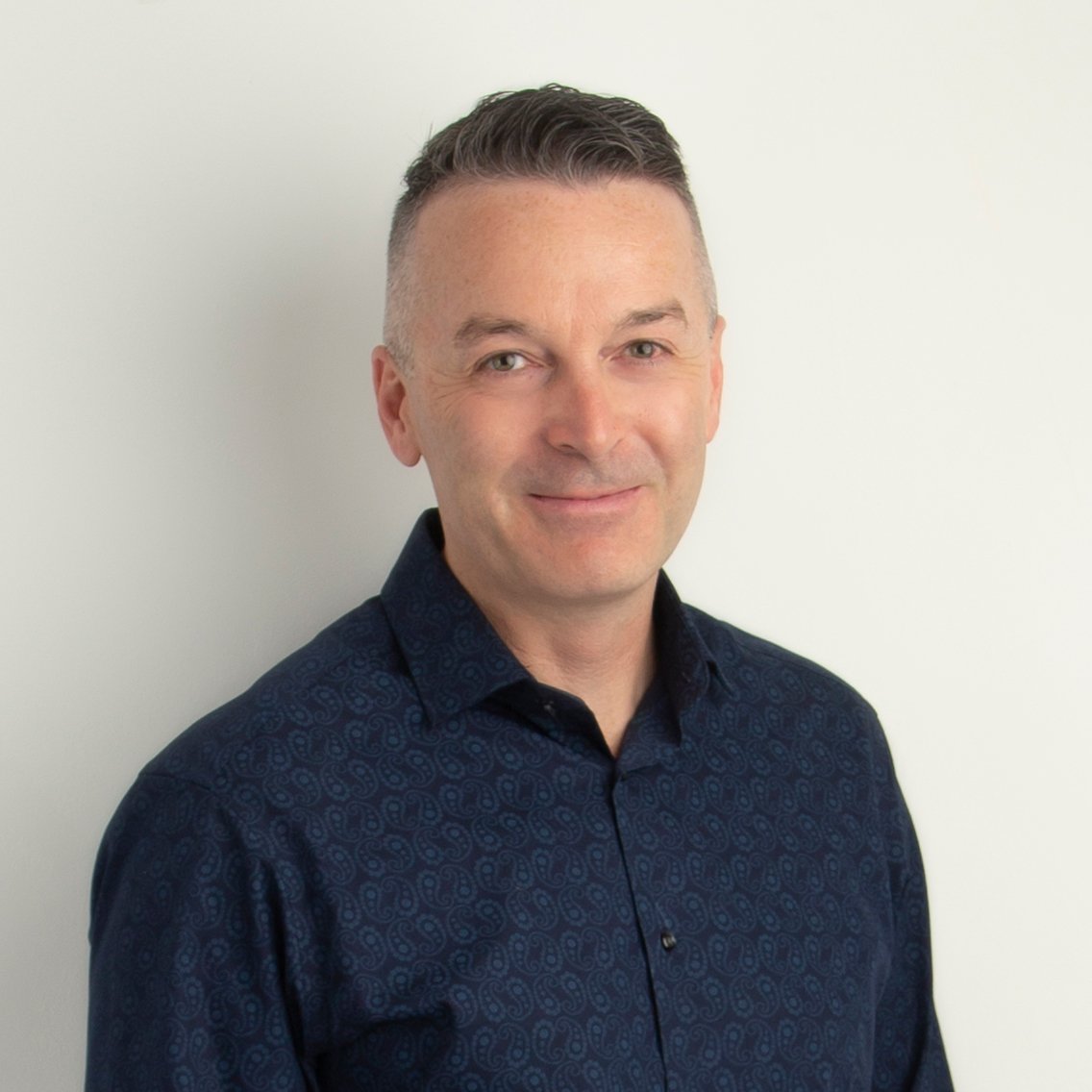
Jesse Johnstone
President, Fibrenew
Jesse Johnstone is President of Fibrenew, a global franchise brand specializing in the restoration of leather, vinyl, and plastics. Since joining the company in 2008, he has helped grow the business to seven countries and triple the brand’s size. With roots in technology and operations, Jesse focuses on building the systems and support structures that allow franchise entrepreneurs to succeed.
Based in Calgary, he spends much of his time traveling across the United States and Canada, working with Fibrenew’s franchise network. Outside of work, Jesse is a husband, father of two boys, and a basement musician and car enthusiast who enjoys restoring vintage vehicles with his sons. He believes a positive attitude and hard work are an unbeatable combination.