Blue Collar Strong: The 2026 Home Service Trends Report
In 2026, service pros will be the heroes of our economy. Demand is up, and revenue is following suit.
Job sizes are increasing, and businesses are using smarter tools to grow faster. But this year’s story goes deeper than momentum. It’s about the widening gap between those just keeping up and those pulling ahead.
This year’s inaugural Home Service Trends Report uncovers what sets high-performing businesses apart. It explores how they price, quote, market, and use AI to run smarter, win more work, and grow with confidence.
To understand where the industry is headed, we surveyed over 1,000 home service business owners across the U.S. in industries like HVAC and Plumbing, Roofing, Cleaning, Lawn Care, and more.
We asked about:
- Business performance over the past year
- Pricing behavior and profitability outlook
- AI and automation adoption
- Lead generation strategies
- Operational challenges
- Evolving customer expectations
We analyzed trends across business maturity levels, age groups, revenue tiers, and growth segments—spotlighting a standout group: high-confidence businesses. These fully booked companies are seeing strong gains in customer demand, job size, and projected revenue, making them a clear signal of where the industry is headed next.
Key findings
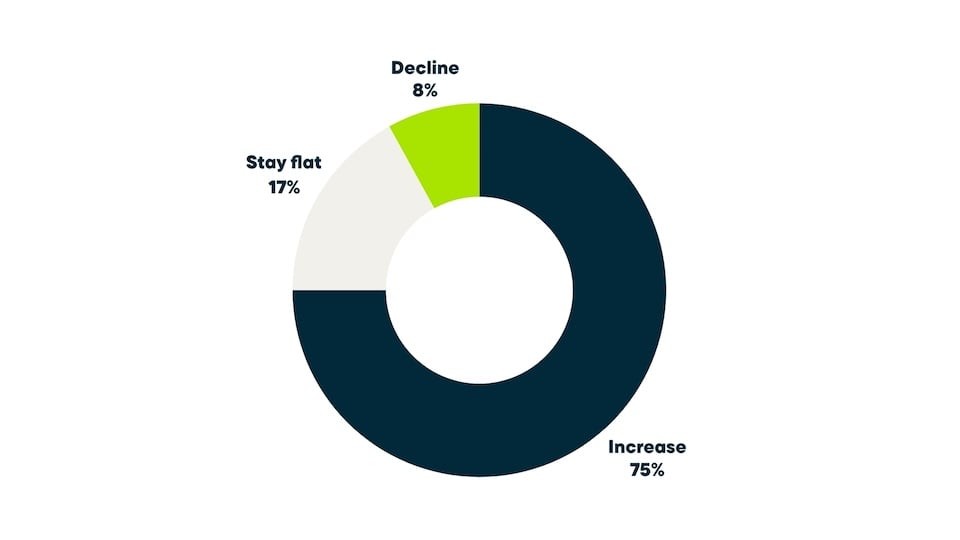
- 75% of businesses expect revenue to grow in 2026, with 1 in 5 forecasting a significant jump.
- High-confidence businesses are more assertive and strategic. 91% raised prices, 93% feel confident in their pricing, and nearly 90% close more than half their quotes.
- Businesses earning $500K+ are more likely to be fully booked, raise prices proactively, and use AI across quoting, invoicing, and communication.
- Speed matters: Over 70% of customers expect a same-day response—more than half expect it within the hour.
- Workmanship is king (69%), but clear communication (32%) and professional behavior (31%) are also critical to customer satisfaction.
- Referrals still dominate lead volume (59%), but high performers are winning with digital channels—Google (20%), Facebook (32%), and Local Services Ads (LSAs) (19%).
- AI adoption is mainstream. More than half of businesses now use it for quoting, invoicing, and emails.
- AI drives performance: 88% of high-confidence businesses use AI, versus just 27% of low-confidence peers.
- HVAC, Plumbing, and Roofing lead AI adoption. Cleaning and Lawn Care lag behind—pointing to where education is most needed.
- 64% of pros under 30 already use AI. They’re tech-forward and growth-driven—but the largest opportunity lies with the 30–55 group.
Growth and Market Outlook
The outlook for blue collar businesses is strong. Most owners are seeing rising demand, bigger job sizes, and full schedules. Confidence is especially high among tech-forward and growth-minded businesses.
Customer demand is rising
Nearly 60% of pros reported increased customer demand last year, with 16% of those seeing a significant jump.
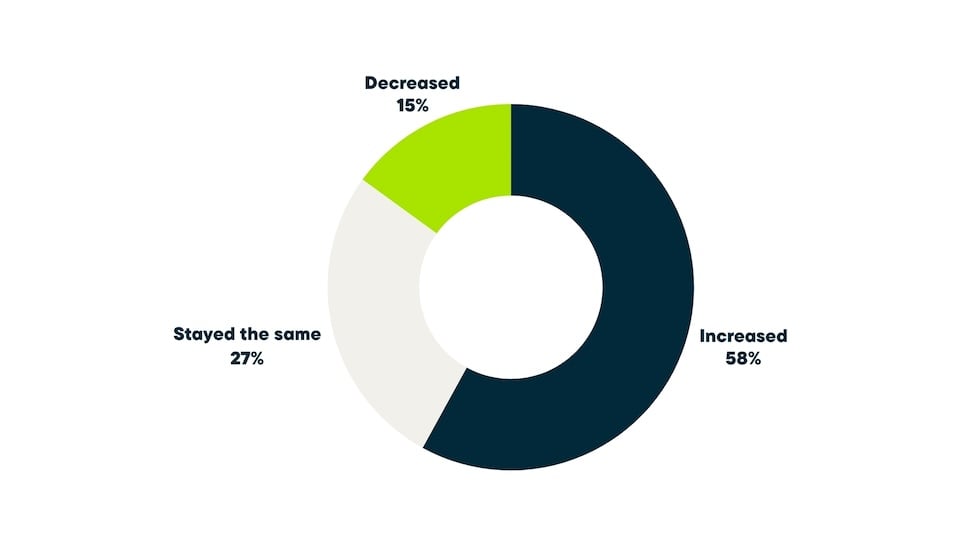
But these gains aren’t evenly spread. Trades like HVAC, Plumbing, and Tree Care saw the sharpest growth. Younger business owners are riding even stronger momentum—75% of those under 30 reported increased demand, with 1 in 4 seeing a significant spike.
Bigger, more established businesses also saw higher gains. Of those earning over $500K, nearly 23% reported significant growth in demand, more than double the rate seen by those earning under $100K.
If your business isn’t seeing similar growth, focus on what top performers are doing differently:
- Improving online visibility
- Responding to leads faster
- Driving more repeat work from existing customers
These are consistent growth levers across high-performing businesses.
Schedules are full–but not for everyone
80% of service businesses say they’re fully booked or close to it. Only 3% report trouble filling their schedules, and just 1% said they weren’t scheduling due to seasonality.
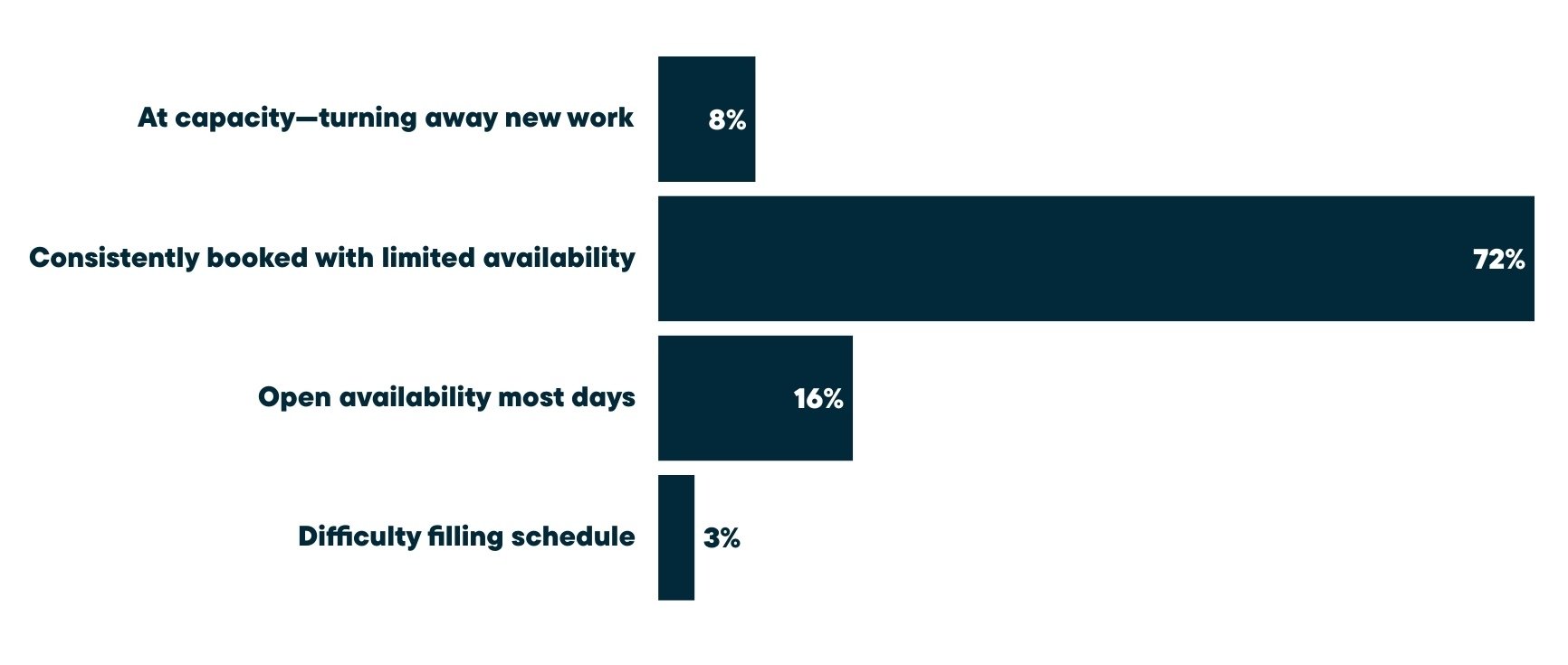
Among growing and established businesses, more than 90% report being booked solid or having only occasional gaps. But that’s not the case for newer businesses—over 40% still have open availability or are struggling to fill their calendars.
Industry also plays a role.
- HVAC pros are the most booked, with many reporting limited availability or even turning work away.
- Cleaning businesses have the most open capacity, signaling either room to grow or systems to improve.
If your calendar isn’t full, it’s time to review your lead sources and conversion systems. High performers stay booked by keeping in touch with email campaigns, turning happy clients into referrals, and using automated follow-ups to close more jobs. It’s not about working more. It’s about using the right marketing tools to bring in more of the jobs you want. According to Jobber’s benchmarks, a healthy top-of-funnel demand means 20% year-over-year lead growth.
Job sizes are getting bigger
Over half of businesses say their average job size grew last year, and 14% reported a significant increase.
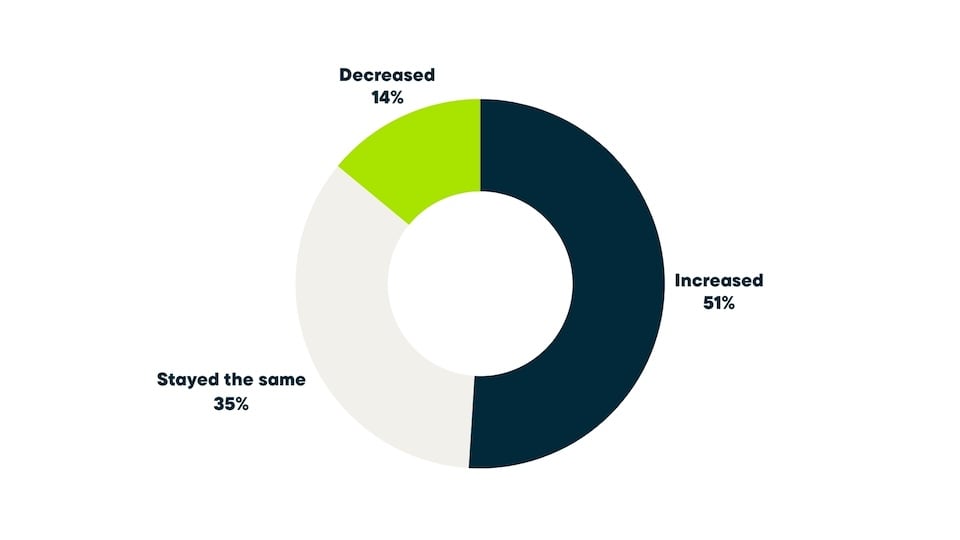
This trend is strongest among:
- $500K+ businesses: 23% saw significant job size increases
- Pros under 30: 30% reported significant job growth—more than double the industry average
- HVAC pros: 28% saw major job size gains
In contrast, only 12% of Cleaning and 16% of Lawn Care businesses saw the same increases, likely due to more standardized services and lower average ticket sizes.
What’s driving this growth? Quoting strategy, operational maturity, and industry complexity. Bigger jobs often mean bigger margins, but only when quoting is done with clarity and confidence.
If your job sizes aren’t increasing:
- Review your quote structure
- Offer tiered “good, better, best” options
- Use visuals and upsells to build trust and increase ticket size
Jobber data shows that businesses offering optional line items see upsell rates between 25–50%. But only 16% of pros offer tiered “good, better, best” pricing options—a simple upgrade that can significantly boost quote value. Quoting upgrades like images, file attachments, and even recent customer reviews don’t just help seal the deal. They show customers they’re working with a pro.
Revenue expectations remain high
Optimism is strong heading into 2026. 75% of service businesses expect revenue to rise, and 1 in 5 are forecasting a significant jump.
Confidence is highest among:
- Businesses earning over $500K: 88% expect growth
- Established businesses with structured systems and steady demand
- AI adopters and younger pros under 30, who are scaling faster and leaning into automation
High-confidence businesses aren’t just feeling optimistic—they’re backing it up with action. Strong quoting systems, proactive marketing, and clear pricing strategies are all tied to more confident outlooks.
If you’re not feeling as optimistic, start by pressure-testing your quoting flow:
- Are you pricing based on value, not fear?
- Are you following up with every quote?
- Are you clearly communicating what makes your service worth it?
Small improvements in how you quote and sell can compound into major gains.
Pricing and Profitability
Pricing is one of the fastest ways to grow a service business, but confidence and strategy still vary widely across the field.
Confident pricing drives profitable growth
Last year, 65% of businesses raised their prices, a sign of strong market demand and rising costs.
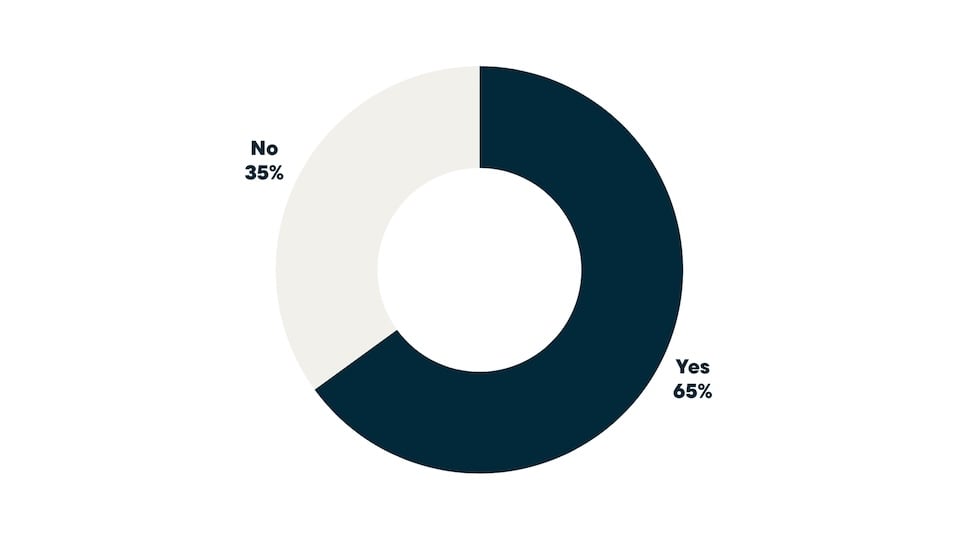
Among larger and more established businesses, that number jumps:
- 80% of $500K+ businesses increased prices
- 78% of established businesses took similar action
But for smaller or newer businesses, pricing remains reactive:
- Just 54% of businesses under $100K raised rates
- Only 42% of new businesses made adjustments—even though they’re facing the same cost pressures
By trade, HVAC (83%) and Roofing (74%) were most likely to raise prices. Cleaning pros were the least likely to take action, with only 55% reporting an increase.
If your margins are tight or you’re not hitting the 20–40% net profit benchmark seen in top-performing Jobber businesses, raising prices is one of the fastest ways to get back on track.
Why pros are raising prices
Inflation (72%) and labor costs (50%) are the most common reasons for price increases.
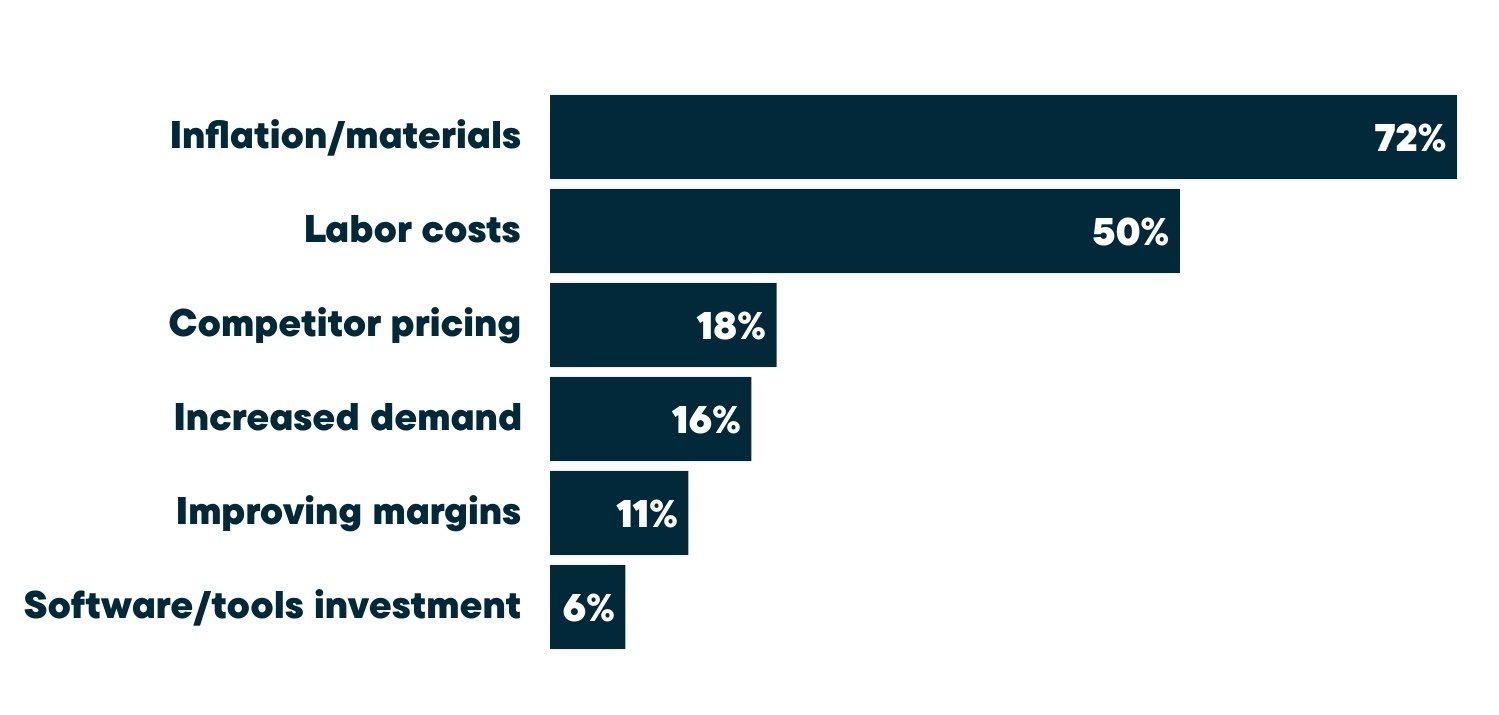
But high-performing businesses are thinking beyond cost.
Among strategic pricing leaders:
- Over a third raised prices to improve profitability
- 15% did it to invest in better tools and software
By trade, HVAC and Roofing businesses were more likely to cite margin growth and reinvestment as motivators. Cleaning pros, by contrast, were more reactive—citing cost pressure but fewer long-term plans.
That difference in intent matters.
Reactive pricing keeps the lights on. Strategic pricing builds long-term success. Pair rate increases with a clear value narrative. Fast response times, professional quotes, and strong reviews help customers understand and accept why you’re charging more.
Confidence comes from structure
Knowing what to charge—and being confident in it—is a clear line between businesses that are scaling and those still finding their footing.
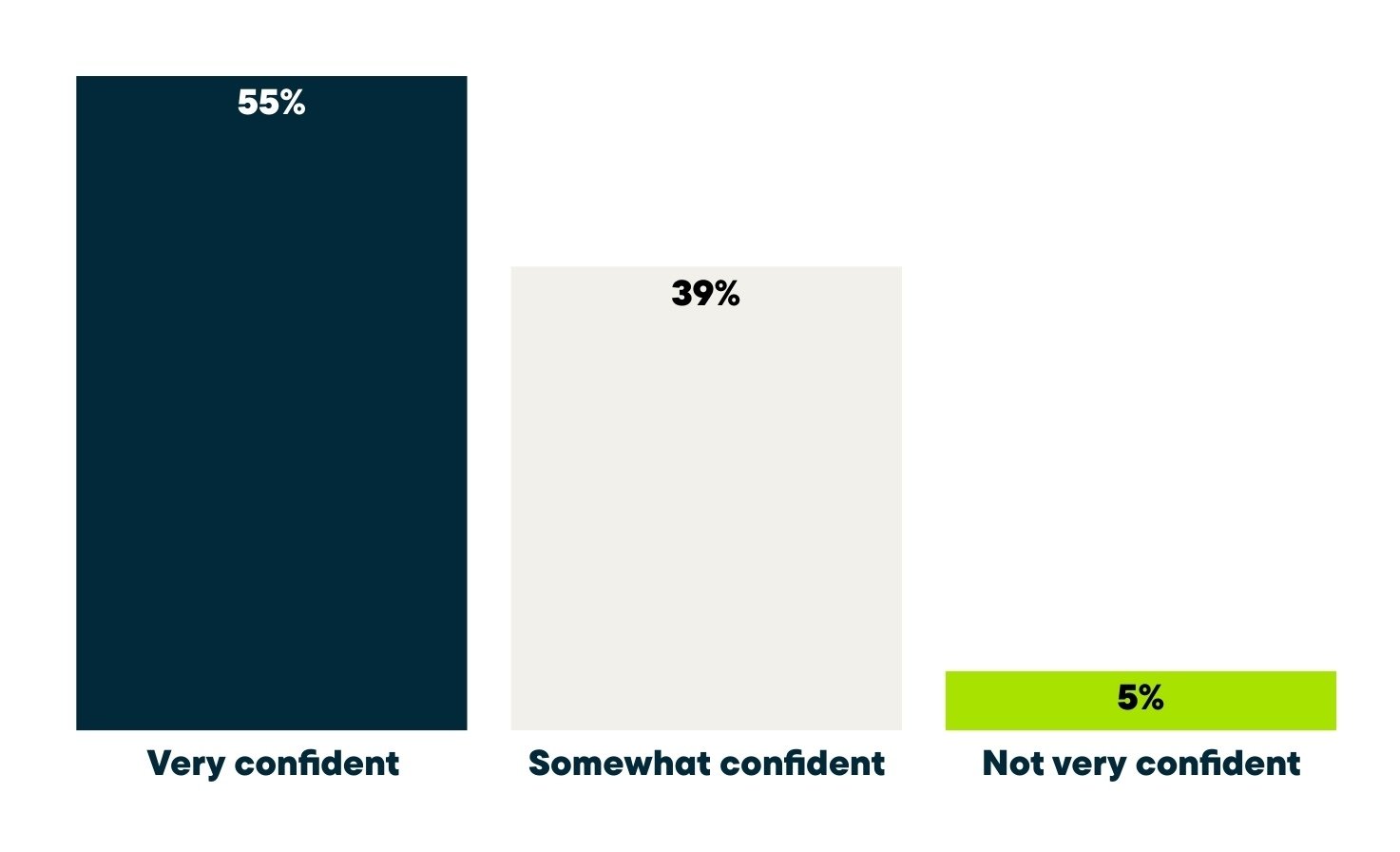
While 55% of all pros say they’re very confident in their pricing, that number climbs to:
- 69% of $500K+ businesses
- 71% of plumbers, 71% of HVAC, and 67% of roofers
Confidence drops off among newer or lower-revenue pros.
Just 35% of starting businesses say they’re confident in their pricing, and amongst industries Cleaning pros report the lowest confidence overall (48%).
What builds confidence?
- Tools that standardize quoting
- Access to historical data
- Consistent processes that take the guesswork out of pricing
When you have a framework, you price faster, charge more accurately, and raise rates when it’s time—without second-guessing. Confidence comes from consistency. The more structured your pricing process, the more confidently you can sell your value.
Pro tip
If you’re winning almost every estimate, it may be time to revisit your pricing. Learn how top service pros use a simple profit formula to spot underpricing, protect margins, and raise rates with confidence without losing customers.
Marketing and Sales
Getting more work isn’t just about doing good work—it’s about being found, followed up with, and trusted. The pros growing fastest are making it easier for customers to say yes, from the first click to the final quote.
From word of mouth to multi-channel growth
Referrals and repeat customers still drive most new jobs, but high-performing businesses are expanding their reach through digital channels, and it’s paying off.
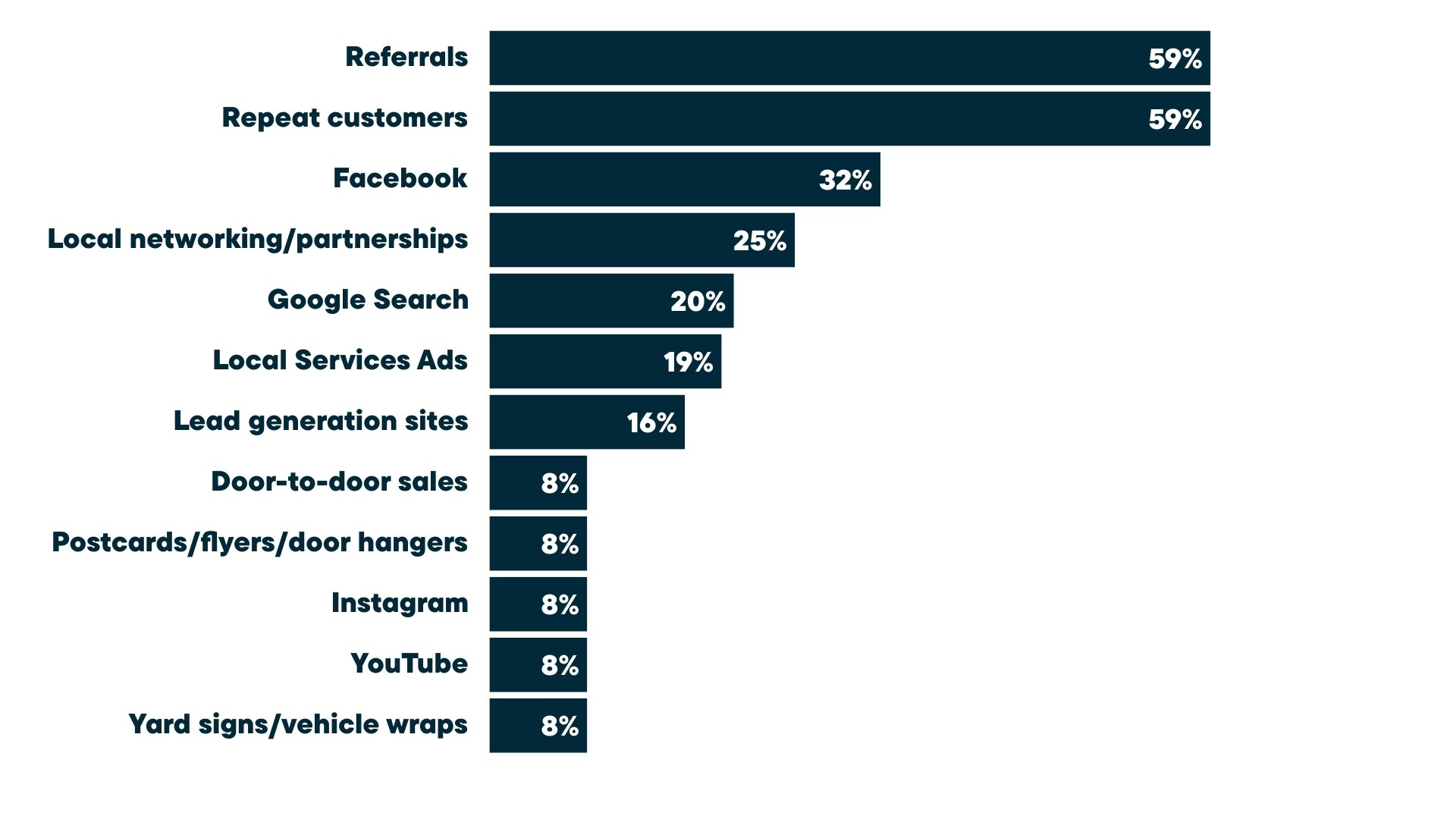
According to our data:
- 59% of pros say referrals and repeat work are their top sources of leads
- That matches Jobber benchmarks: 15–35% of new work should come from these high-trust channels for healthy growth
But relying on referrals alone can stall scale.
High-confidence businesses are more likely to market across multiple digital channels—especially on Google, Facebook, and YouTube—and are converting leads at higher rates.
Younger business owners (under 30) are shifting the landscape further, with strong performance on Instagram, YouTube, and LSAs.
Jobber data shows that top-performing businesses consistently use 3–5 lead sources. If you’re relying on just one or two, you’re likely leaving demand on the table.
Digital gaps are holding back growth
Despite the shift toward digital, many businesses still miss the basics, with Jobber data showing:
- 43% don’t clearly list service areas on their website
- 65% don’t show business hours
- 74% are missing an FAQ section
These gaps hurt conversion before a quote is ever sent.
Your online presence isn’t just a marketing tool—it’s your first impression. Prospects are evaluating your business before you ever speak to them. When key info is missing, they move on.
Quote conversion remains strong—but uneven
Most service pros consistently close jobs. 69% of pros report a win rate of more than 50%. More than a third say they close over 70% of quotes.
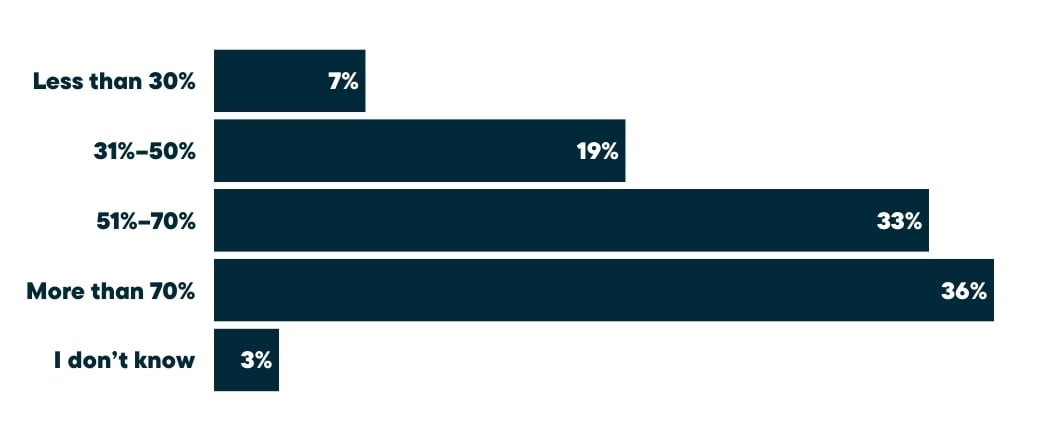
Conversion improves with experience:
- 60% of established businesses close more than half their quotes
- $500K+ businesses are far more likely to report 70%+ win rates
- Meanwhile, 21% of starting businesses report win rates under 30%, and many don’t track performance at all
By industry:
- Plumbing, Roofing, and Electrical pros report the highest close rates—likely due to urgent, high-need services
- Cleaning and Lawn Care show wider variability, with more pros unsure of their numbers
Jobber data shows that top-performing businesses win over 60% of their quotes. But if you’re closing close to 100%, it might be time to raise your prices—because winning every job usually means you’re leaving money on the table.
Speed to respond = speed to revenue
How fast you respond still makes or breaks your sales funnel. 60% of pros reply to leads the same day, and 20% respond within the hour.
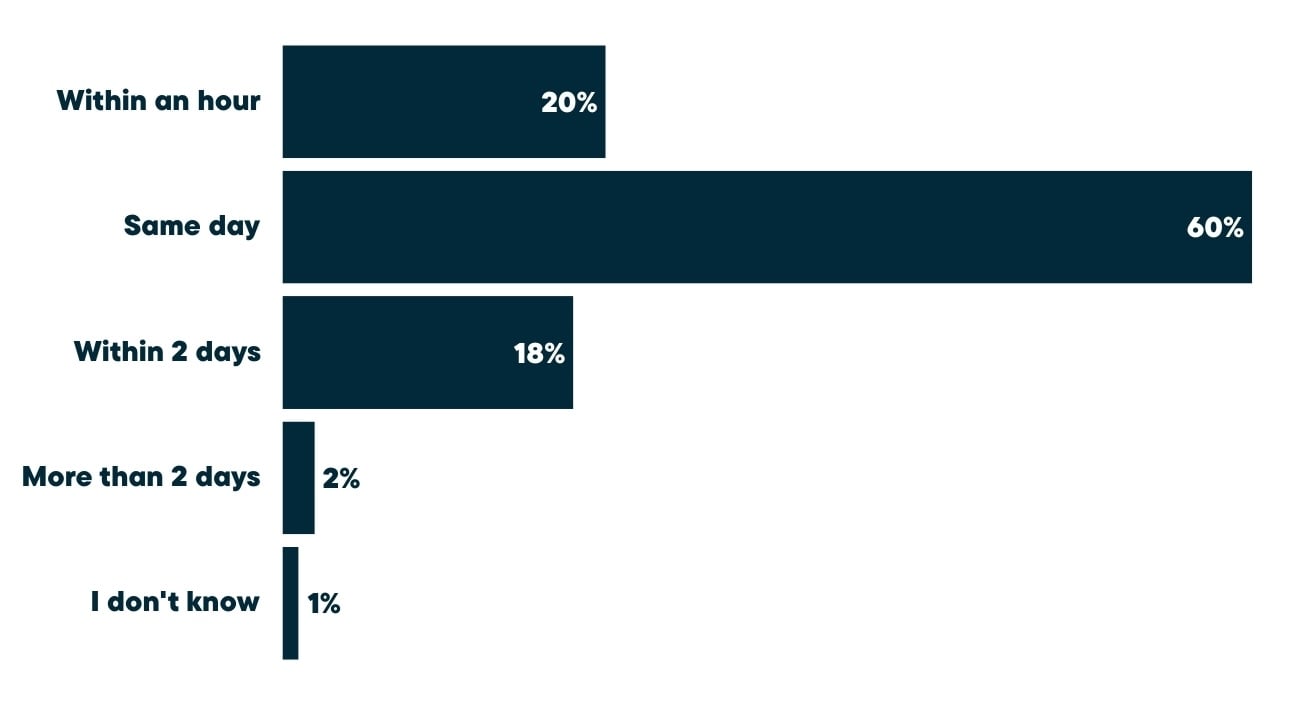
Response time aligns with revenue, too:
- Among established businesses, 87% respond within a day or faster
- Higher-earning businesses respond faster thanks to structured systems and automation
- Younger pros under 30 lead in quick replies, quote follow-ups, and use of rapid-response tools
- Cleaning businesses are the fastest responders (26% reply within an hour), while HVAC pros are the slowest (just 11% hit that same window)
Fast responses open the door. But consistent follow-up and a clear quote win the job. Top businesses respond to new leads in under 60 minutes on average—thanks to automated quote notifications, follow-up reminders, and online booking.

Pro tip
Don’t just win the job, win the neighborhood. Learn how top pros turn one job into five with local marketing strategies that boost visibility, build trust, and create route density that keeps crews working efficiently and calendars full.
Operations and Cash Flow
Service pros spend most of their time in the field, but behind the scenes, many are still weighed down by manual processes. From quoting to invoicing, the businesses growing fastest are the ones that have found ways to streamline and reclaim their time.
Most pros get paid fast—but delays still hurt
Nearly 80% of service pros get paid within three days of completing a job, with 48% reporting same-day payment and 31% receiving payment within 1–3 days.
This aligns with Jobber platform benchmarks, which recommend an average invoice payment time under seven days.
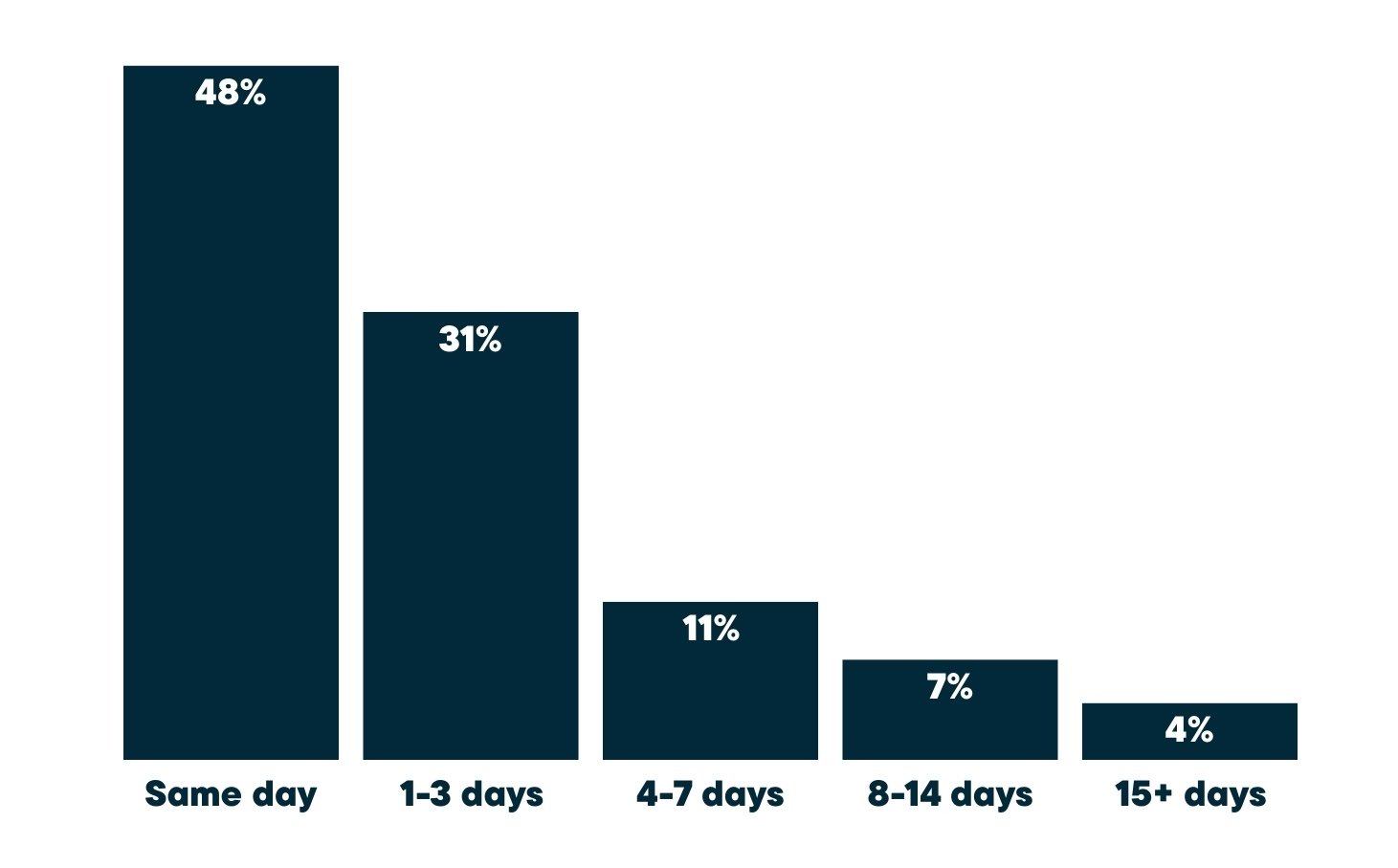
Still, 11% of businesses wait more than a week to get paid—a window where cash flow can tighten. Longer delays are more common with large jobs or commercial clients.
Upfront deposits and online payments are simple ways to speed things up. Jobber benchmark: Top businesses have a deposit rate of 30% or more to reduce friction and protect cash flow.
Interestingly, newer businesses get paid the fastest—73% of starting businesses report same-day payment. That’s likely because their work is smaller, residential, and paid directly on completion.
By industry:
- Cleaning (60%) and Tree Care (51%) report the highest rates of same-day payment
- These faster-turnaround trades benefit most from offering online payment options
Pros who accept online payments get paid four times faster than those who don’t. Today, half of all Jobber-processed transactions are online.
The biggest time wasters on the job
When we asked pros what eats up the most time, three clear themes emerged: Jobsite management (48%), Customer communication (40%), and Quoting (37%).
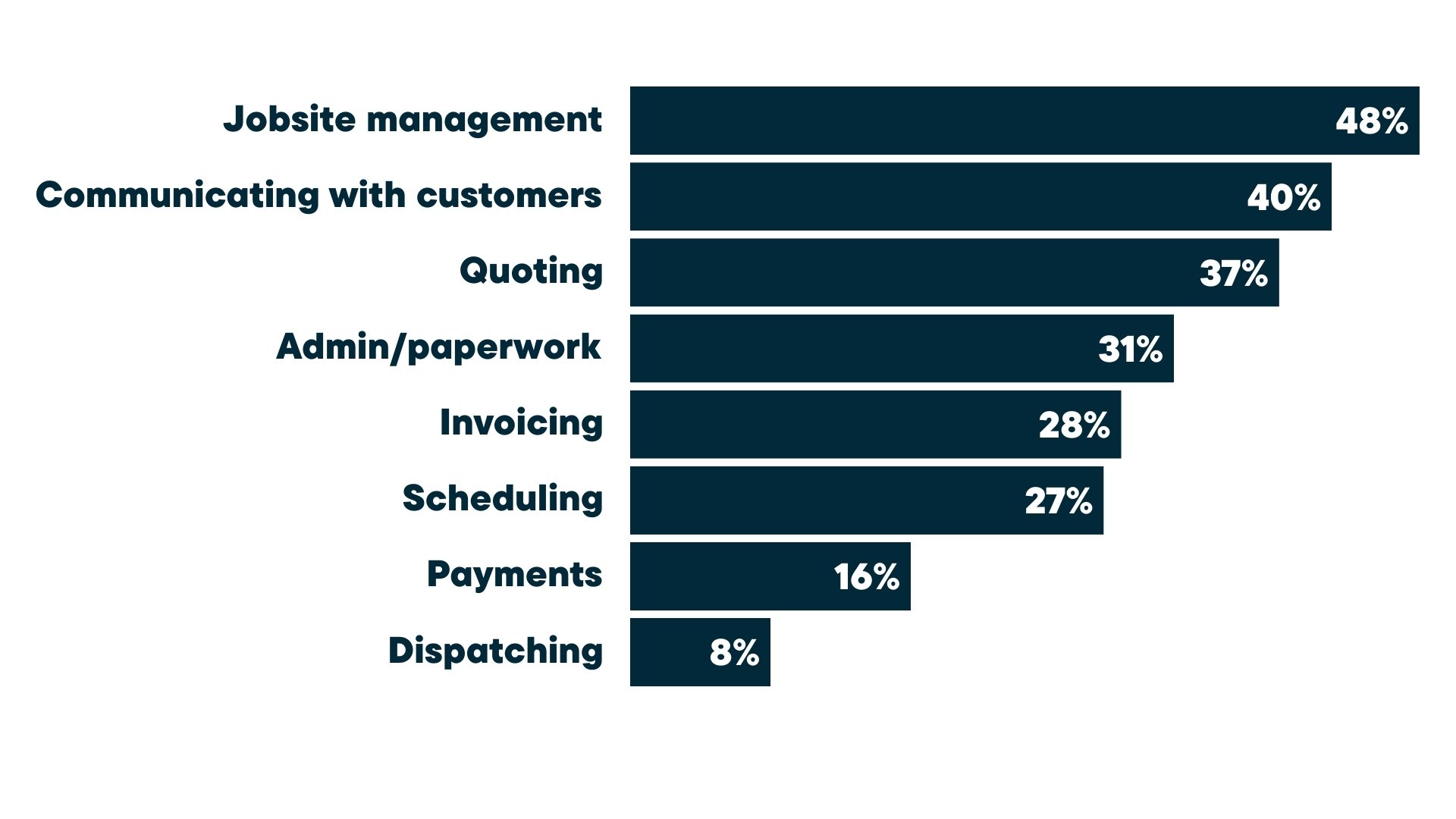
But the biggest time drains depend on how your business is set up—team size, job volume, and service complexity all play a role.
- Smaller or solo operators spend more time quoting and juggling communication, especially when they’re in the field and trying to keep up with admin.
- Mid-sized businesses with growing teams report that dispatching, invoicing, and managing payments take up a bigger share of their day.
- Higher-revenue businesses say scheduling and coordination are their top challenges, especially when managing crews across multiple jobs or locations.
Industry matters, too:
- General Contractors and Roofers report the heaviest burden from jobsite coordination—managing crews, schedules, and subcontractors
- Cleaning and Lawn Care pros are slowed down by high-volume quoting and back-and-forth with customers
Time is your most valuable asset. Jobber’s top-performing users use quoting templates, automated reminders, and job checklists to cut admin and stay focused on what drives revenue.
What’s holding pros back from scaling
Even in a high-demand market, many service pros are still hitting walls that slow their growth. 34% cite weather and seasonality, 28% point to rising competition, 23% face labor shortages, and 20% are struggling with margins.
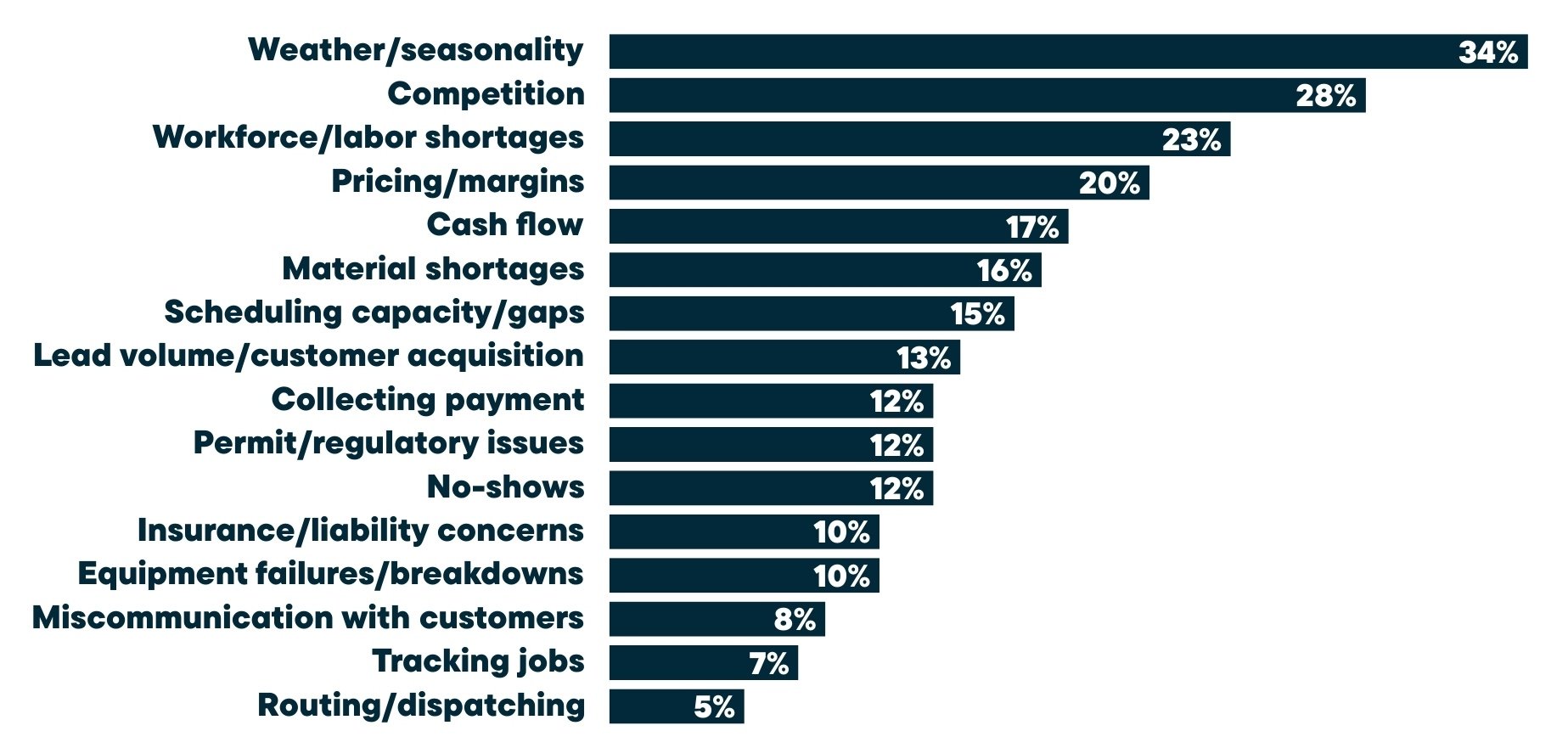
But the nature of these challenges shifts as businesses mature:
- Starting businesses struggle with competition, cash flow, and labor
- Growing and established businesses are more likely to run into operational complexity, especially scheduling, permitting, and team management
By trade:
- Roofing and HVAC pros report bigger challenges with permitting and labor
- Cleaning and Lawn Care pros feel the most competitive pricing pressure
Younger owners under 30 are facing a unique set of challenges. Nearly 28% say pricing and margins are their biggest blocker—well above the average. Many also cite material shortages and labor volatility, suggesting they’re getting work but struggling to scale it profitably.
You can’t control the weather. But you can tighten the systems you use to quote, invoice, and dispatch. Many high-performing businesses are using automation and AI to reclaim hours and protect their margins.
Pro tip
You don’t need more hours—you need better systems. Simple processes, team accountability, and smart delegation that frees up your time and builds a business that runs without you.
AI Adoption and Impact
AI adoption has officially hit the mainstream. 52% of blue collar business owners now use AI in their day-to-day operations—and those who do are seeing real impact.
Another 27% plan to adopt it in the next year, but 36% remain unsure, and 37% say they have no plans to adopt at all. That skepticism reveals a growing education gap.
How pros are using AI right now
For those who’ve already adopted AI, usage is practical and task-focused—54% use it for quoting, 52% for invoicing, and 51% for business writing (emails, proposals, and job descriptions).
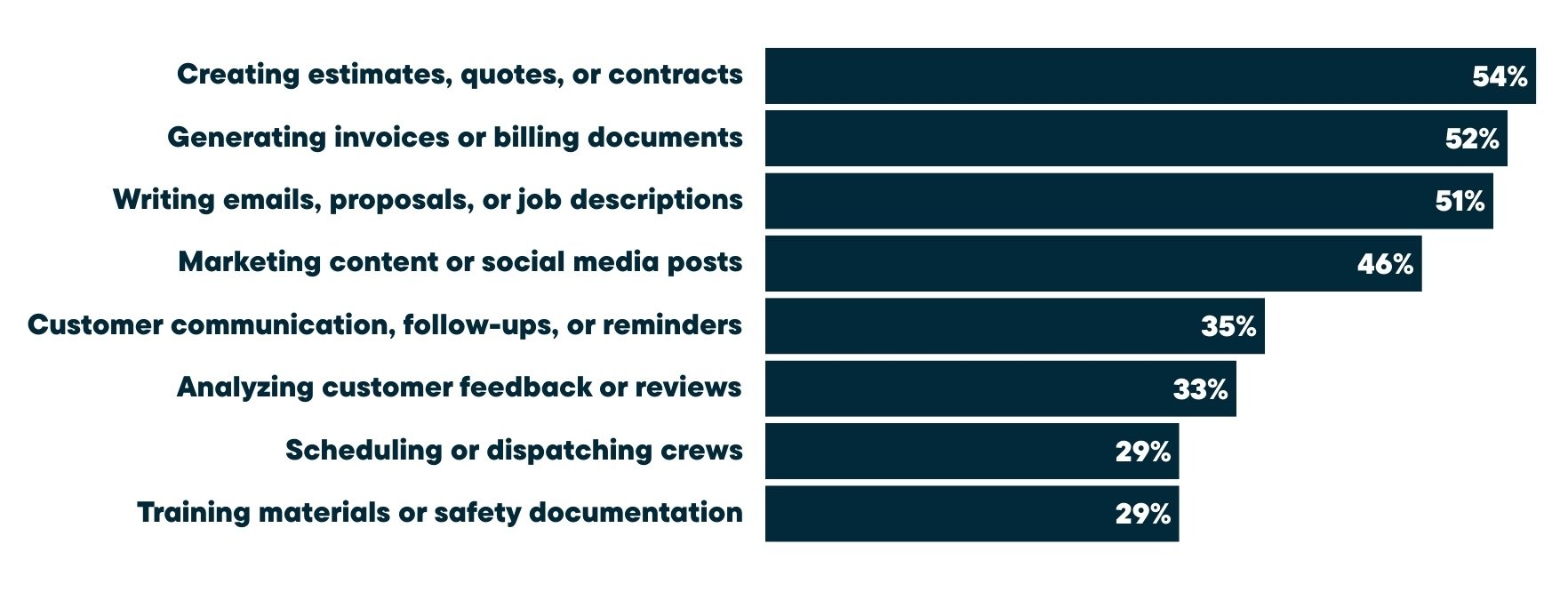
The pattern is clear: AI is becoming embedded in both the back office and customer experience. These aren’t experimental use cases—they’re everyday workflows. And for many pros, AI tools are helping them look more established and professional, even as solo operators.
AI usage tracks with performance
There’s a sharp divide in performance between those who use AI and those who don’t:
- 88% of high-confidence businesses use AI
- Just 27% of low-confidence businesses do the same, despite struggling with quoting, communication, and pricing
Among younger business owners:
- 64% of pros under 30 already use AI
- They’re applying it across invoicing (61%), quoting (55%), marketing (55%), customer communication (47%), and dispatching (41%)
This group is showing what’s possible when tech is integrated early: faster workflows, more polished customer touchpoints, and time back to focus on growth.
But even in this younger cohort, nearly a third say they’re unsure how AI fits into their business—a clear opportunity for education and enablement.
Where AI is making the biggest difference
While adoption is rising, skepticism hasn’t disappeared. Nearly 1 in 5 business owners still don’t believe AI will help their business at all, especially among lower-revenue and early-stage pros.
For owners who do see the potential, the expected benefits map directly to their biggest pain points—19% named each of the following as where AI could have the biggest impact: reducing admin time, improving customer communication, and cutting costs.
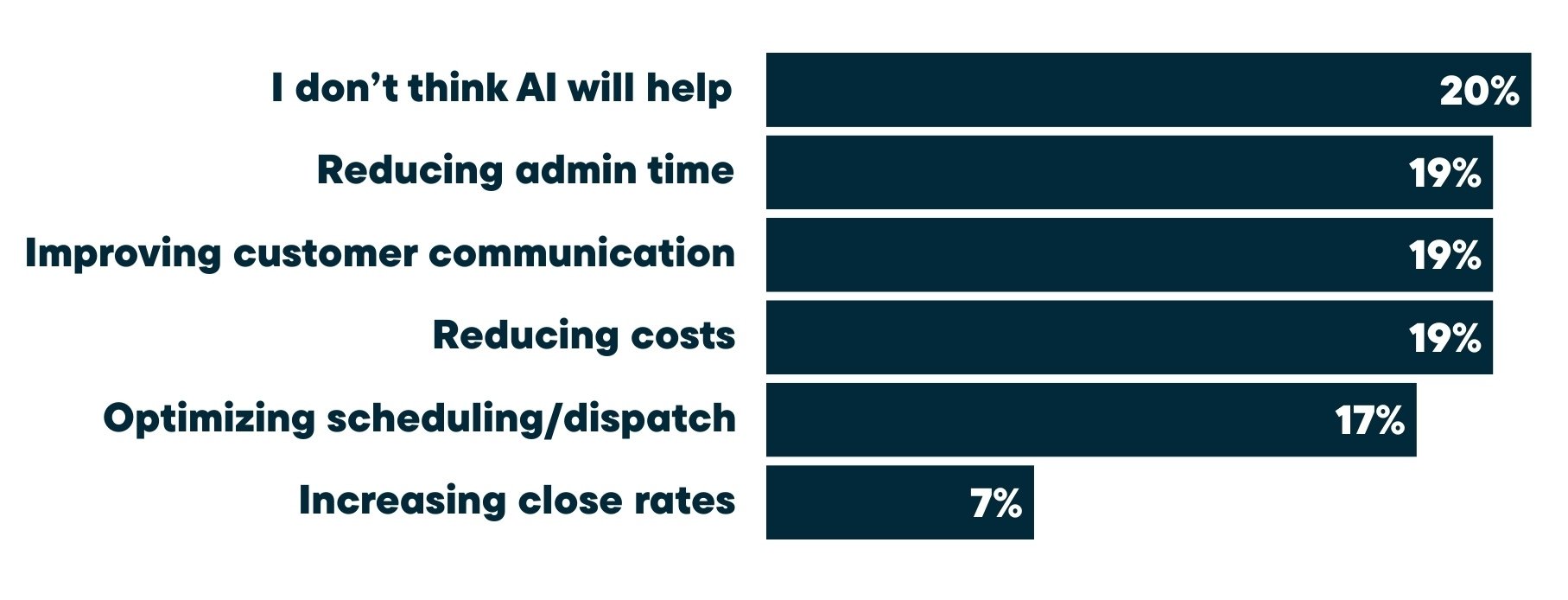
That kind of alignment sends a clear message: AI isn’t just a trend. It’s a direct solution to the operational bottlenecks that slow service businesses down.
Younger pros were slightly more optimistic:
- 27% believe it’s helping lower costs
- 23% say AI is already cutting admin time
- 16% report it’s improving quote conversion
The takeaway? AI isn’t about replacing people. It’s about eliminating repetitive tasks so owners can focus on running the business, serving customers, and building a team that lasts.
Pro tip
Start small with AI. Automate quoting or follow-ups first, then build from there. The pros seeing the most impact are using it to reclaim hours every week.
Hiring Remains a Top Growth Bottleneck
As service businesses grow, so does the need for skilled people—and for many, hiring the right roles is a major constraint.
As service businesses grow, so does the need for skilled people—and for many, hiring the right roles is a major constraint.
When it comes to hiring, the toughest roles to fill are specialized trade workers (30%), followed by crew leaders and supervisors (19%) and installers and field staff (both 13%).
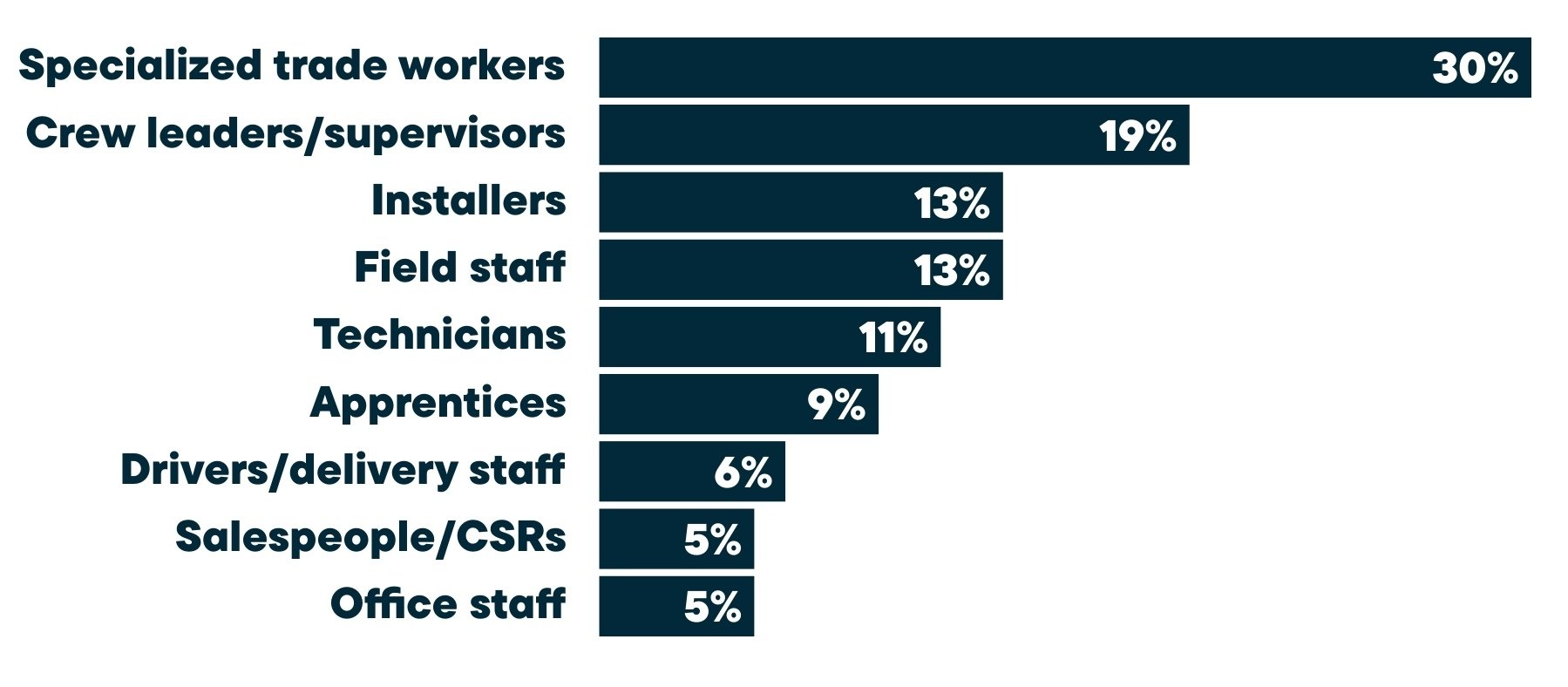
Meanwhile:
- 21% of businesses aren’t currently hiring
- Another 14% say hiring isn’t a challenge—most often, newer or solo operators not yet in growth mode
Hiring challenges increase with scale
That challenge gets sharper as businesses grow. Among businesses earning $500K+, the hardest roles to hire for jump noticeably—specialized trade workers (41%), crew leaders (25%), and installers (19%).
Younger pros are building teams early
Business owners under 30 are already hiring—and moving fast. When it comes to filling roles, they are more likely to report gaps in field staff (18%), technicians (14%), and apprentices (13%).
But they’re also hiring beyond the field:
20% are looking for salespeople or office staff, signaling early investment in professionalism and customer experience.
Compared with older cohorts, this group is less likely to say they’re not hiring, suggesting strong growth ambitions and earlier exposure to labor constraints.
Hiring pressures vary by trade
- Roofing, HVAC, and Plumbing: Report higher demand for skilled workers and supervisors—roles that often require licensing or formal training
- Cleaning and Lawn Care: Hiring needs tend to focus on basic field staff, or not hiring at all, reflecting smaller teams or seasonal models
Struggling to fill field roles? Start by tightening your internal systems. Many high-performing businesses boost efficiency by improving labor utilization, making sure the team you already have is fully optimized.
Jobber data shows top teams consistently achieve 80–90% labor utilization, a key benchmark that measures billable hours vs. total available hours.
If your team isn’t fully utilized, scheduling gaps and inefficiencies—not just headcount—could be holding you back.
Pro tip
Hiring starts before the job post goes live. Get clear on your mission and values so you attract candidates who want to build something with you.
Customer Expectations
Today’s customers expect more than quality work—they expect fast replies, clear communication, and a seamless, professional experience from start to finish.
Speed of response matters more than ever
According to our survey, customer expectations for speed are high: over 55% expect a response within the hour, and 28% expect an immediate reply.
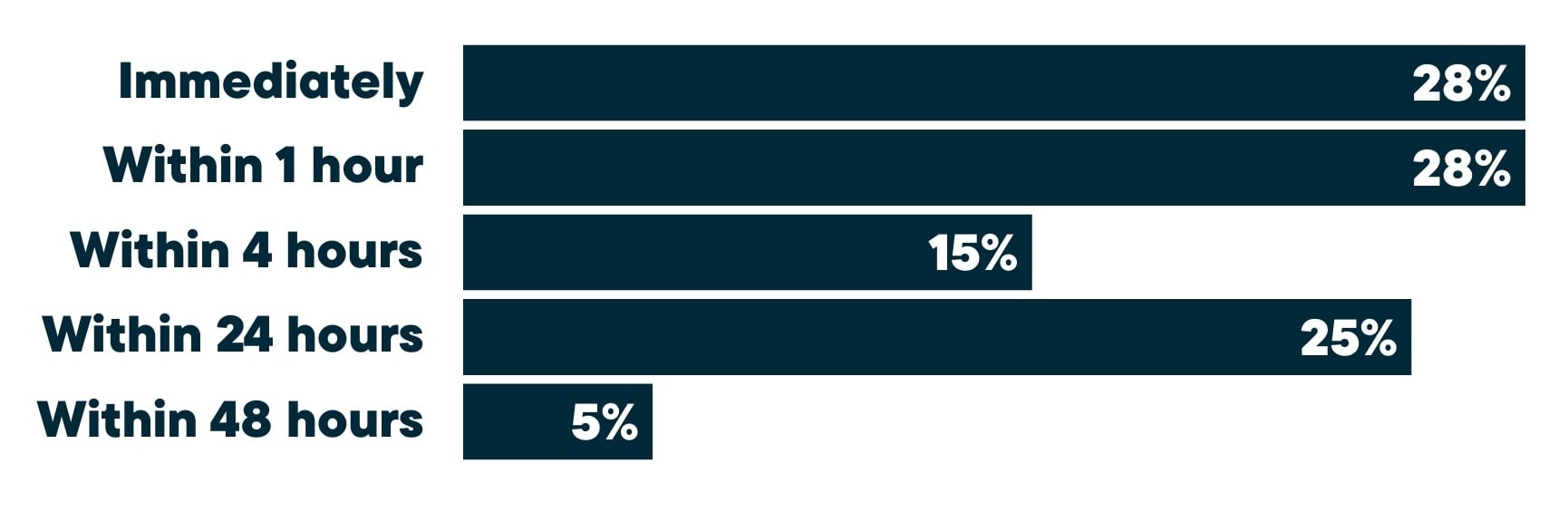
These expectations are even higher among customers working with younger, growth-focused businesses. Speed signals professionalism, and it’s now a deciding factor.
What customers care about when hiring
Price (62%) and reviews (51%) still matter most—but expectations are evolving fast.
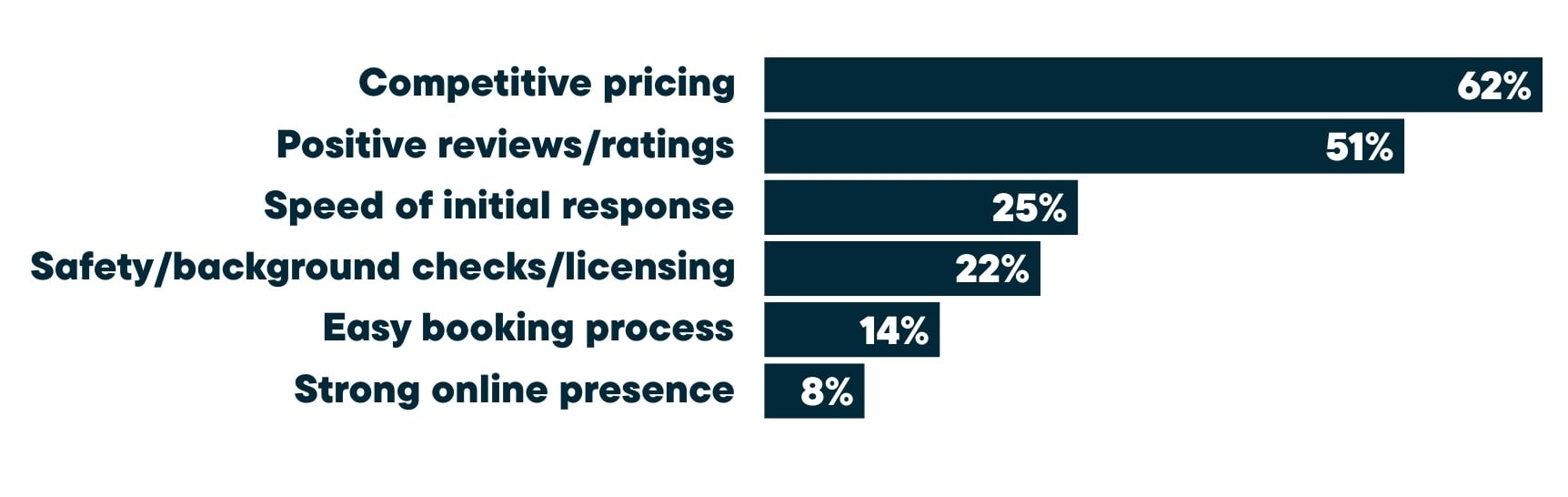
When choosing the right provider:
- 1 in 4 customers now cite response speed as a key decision factor
- 14% value online booking—a number that jumps significantly among younger and high-confidence operators
Customers working with under-30 business owners place even greater importance on digital-first trust signals, like fast replies, easy online scheduling, and a clear, modern presence.
Reviews still carry serious weight. Jobber’s top-performing customers maintain a Google rating of 4.5+ stars and have 50+ reviews. That social proof doesn’t just reflect past jobs, it sets expectations for the kind of experience customers can count on next.
Pro tip
If customers trust you, they’ll choose you, and reviews are how that trust shows up online. You need to build a repeatable review system that your team actually uses, turning great service into 5‑star proof that wins more jobs.
What customers value during the job
Once hired, workmanship still leads—but communication and professionalism are rising fast.
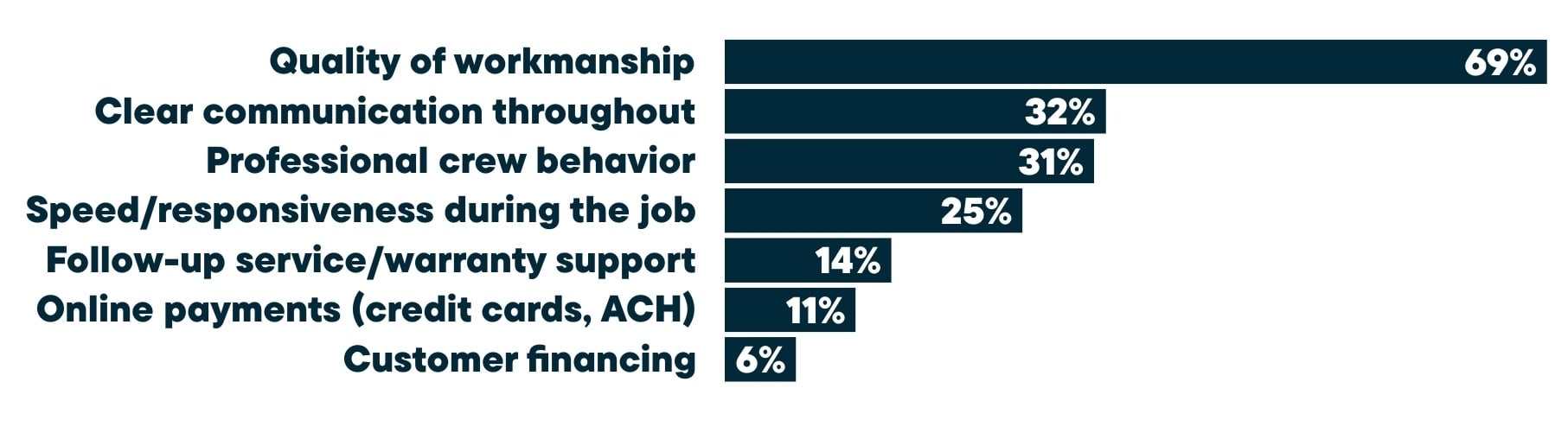
For customers of mature and higher-revenue businesses, expectations are even higher. They want:
- Fast replies
- Online payments
- Follow-up service
Younger pros are meeting those demands early, using tools that make them look more established, even as solo operators or small teams.
Customer expectations are only going one way—up. The businesses growing fastest are those that respond quickly, communicate clearly, and deliver consistently. A fast reply, a clean quote, and a follow-up message can be the difference between one job and a loyal customer.
Pro tip
Customers don’t just want fast replies. They want to feel taken care of. Nail the little moments, from the first message to the final invoice.
Industry Spotlights
Roofing
Roofing pros are growth-minded and results-driven. This segment leads nearly every major growth indicator: 28% saw significant demand increases, 20% saw large job size gains, and 32% expect significant revenue growth next year.
Over half earn $500K+, with many exceeding $1M. Most raised prices to invest in tools and boost margins, and 67% are already using AI to streamline quoting, dispatch, and follow-up. Roofers are also leaning into digital marketing—YouTube, LSAs, and Google are high-performing channels. As teams grow, hiring remains a challenge, especially for crew leads and installers. Systems that support scale will be key to staying ahead.
HVAC
Among the most established trades, HVAC pros are seasoned and serious about growth. With over 60% earning $500K or more—and 14% crossing the $2M mark—this is one of the highest-earning segments in the field. Nearly 40% expect significant revenue growth in 2026.
They’re also confident: 83% raised prices last year, and 71% feel they’re priced correctly. AI adoption is the highest of any trade (81.5%), with strong usage across quoting, invoicing, and communication. But there’s one major weakness: speed. Just 17% respond to leads within the hour—the slowest of any industry surveyed. HVAC businesses that tighten their lead flow and job response times will unlock even more scale.
Plumbing
Plumbing businesses are steady, confident, and consistently high-performing. They boast the highest pricing confidence of any trade (71.1%), strong AI usage (65%), and impressive quote win rates—over 45% say they close 70%+ of jobs.
74% raised prices last year, often to invest in better tools or protect profit margins. Lead flow is balanced, with strong performance across referrals, Google, and repeat work. Most plumbers are fully booked, and 14% are turning work away. The biggest opportunity here lies in team coordination—dispatch, scheduling, and labor utilization will make or break capacity.
Electrical
Electrical businesses are sharp operators with strong systems already in place. Over 60% of businesses feel very confident in their pricing, and 74% raised rates last year. 64% are using AI tools, especially for quoting, communication, and invoicing.
This segment is highly responsive—21% reply to new leads within the hour—and performs well across referrals and repeat work. Operational challenges show up in labor and permitting, but with solid fundamentals and an eye toward automation, Electrical pros are well-positioned to grow without adding stress.
Cleaning
Cleaning pros are fast, friendly, and deeply customer-focused, but often underpricing their value. Over 40% of businesses earn under $50K annually, and only 55% raised prices last year—the lowest of any trade. Less than half feel very confident in their pricing.
Most leads come through referrals, Facebook, and repeat business. Cleaning pros are also the fastest responders to leads, with 26% replying within an hour. Same-day payment is common (60%), reflecting high-volume, quick-turnaround work. Still, many rely on manual quoting and comms, and AI adoption remains low at 50%. With strong customer instincts already in place, this segment is primed to grow by upgrading pricing strategy and quoting systems.
General Contracting
GCs are the powerhouses of home service—handling the most complex, high-value jobs, often with teams and subcontractors. Many earn $500K+, and 15% saw significant job size increases last year.
Pricing confidence is solid at 58%, and 71.1% raised prices in the past 12 months. AI usage (57%) is growing steadily, especially for estimating and customer-facing comms. GCs report some of the highest time spent on jobsite management and team coordination. As demand continues, the best opportunities lie in simplifying field ops and reducing admin across quoting, scheduling, and payments.
Lawn Care and Landscaping
Lawn Care pros are hands-on and hardworking, but many are still early in their journey. Nearly half earn under $100K, and many report open availability. That means room to grow—but also signals gaps in lead flow and job scheduling.
Confidence is relatively strong (71%), but fewer pros are raising prices strategically. AI adoption is rising thanks to younger owners, with 58% using automation in some form. Referrals and Facebook lead the way for new work, while quoting and customer communication take up the most time. Systemizing sales and scheduling is the next big unlock for this group.
Tree Care
Tree Care pros deal with some of the most complex, variable work in home service. From quoting to scheduling, almost everything is custom—and that shows up in their data. Over 26% report significant increases in demand, and 23% saw job size gains—both among the highest across all trades.
Despite those gains, pricing confidence sits at 60%, and only 57% are using AI—mostly for quoting and communication. Fast lead replies (21% within an hour) and same-day payments (51%) reflect strong customer experience instincts. With better systems, this segment can turn complexity into a profitable lead.

It’s not just busy out there—it’s competitive
Blue collar businesses are driving the next chapter of economic growth.
They’re not just responding to demand—they’re raising the bar on what it means to run a professional service business in 2026. But not every business is sharing in that success.
The difference? Strategy. Confidence. Tools.
The businesses growing fastest are the ones that:
- Raise prices with purpose
- Quote and follow up like pros
- Respond faster than the competition
- Invest in automation, not just effort
There’s also a generational shift underway. Younger owners are scaling faster by embracing tech and showing up with polish. Meanwhile, established businesses are doubling down on systems to stay ahead and scale sustainably.
Whether you’re just getting started or managing a million-dollar operation, growth isn’t about doing more—it’s about doing it better.
Take the next step
Want to see how your business stacks up?
Take the Home Service Score quiz to get personalized insights on where you’re strong—and where you can grow next.
It only takes a few minutes, and it could unlock your biggest year yet.
Methodology
This report is based on a survey of 1,050 home service business owners across the United States, conducted through Conjointly in December 2025. It has a margin of error of ±3 percentage points at the 90% confidence level. Respondents represented a wide range of industries—including Cleaning, HVAC, Roofing, Plumbing, Electrical, Lawn Care, Tree Care, and General Contracting—as well as a mix of solo operators, growing teams, and established businesses.
To better understand differences in growth, behavior, and technology use, we analyzed responses by:
- Revenue tiers
- Business maturity
- Age group
- Pricing confidence
- Lead response time
- Quote conversion rates
We also segmented a high-confidence cohort—businesses that reported being fully booked and experiencing significant growth in customer demand, job size, and expected revenue for 2026. This group served as a leading indicator throughout the report, offering a forward-looking view of what high-performing businesses are doing differently. Conversely, the low-confidence cohort had declining expectations for demand, job size and expected revenue growth.
In addition to survey data, this report incorporates aggregated, anonymized platform data from Jobber, including proprietary benchmarks tied to quoting, payments, customer experience, and team operations. These benchmarks provided a real-world lens into how top-performing businesses run more efficiently—and grow faster.
Together, this data provides a detailed snapshot of where the industry is today and what leading businesses are doing to stay ahead.