 25 Minutes
5X Your ROI: How to Run a Niche Marketing Campaign
With Mike Gore-Hickman and Katie Donovan


-
Adam (00:09):
Welcome to Jobber’s Masters of Home Service, a podcast for home service pros by home service pros. We’re in Las Vegas, and today we’re talking about how to run a niche marketing campaign. I’m your host, Adams Adam Sylvester. Today’s guests are marketing experts. Mike Gore-Hickman and Katie Donovan. Welcome to the studio.
Mike (00:28):
Awesome. Thanks for having us.
Katie (00:29):
Yeah, thank you so much for having us. This is really a pleasure.
Adam (00:31):
Katie, why don’t you tell our listeners who you are and what you do?
Katie (00:34):
Katie Donovan. I’m the CEO of Camp Digital. We are a digital marketing company. We like to say we’re a technology company that does digital marketing exclusively for the trades.
Adam (00:43):
Mike, what about you?
Mike (00:44):
Michael Hickman, founder of paintergrowth.com. We do business coaching, training and mentorship for painting contractors of all sizes. So whether you’re just getting started or you’re trying to really scale up beyond a million, we got something for you to help you grow.
Adam (00:57):
Awesome. Well, let’s get started. So first of all, I got a very, very serious question for you guys. Is it niche or is it niche?
Mike (01:04):
I’ll let you take that first
Katie (01:05):
Well, it’s funny you were saying earlier, being from Canada, you pronounce it one way, but I’m from Minnesota, which is like little Canada somewhere, actually north of half of Canada, and where I’m from, so I don’t know, I say niche.
Mike (01:18):
I’m Canadian. My wife really wants me to call it niche, but because most of our clients are American, I got to say niche, I just got to do it.
Adam (01:25):
Well say whatever feels good in episode. There is a difference between running a marketing campaign that says we’re the best lawn care company in the country versus we are the best lawn care company that specializes in X, Y, Z. Give me an example, Mike, of what exactly is a niche marketing campaign.
Mike (01:44):
A niche marketing campaign is different than niching your whole business. So I’m going to go painting just because I’m a painting expert, and you can kind of extrapolate this whatever industry you’re in. So, if for painting, instead of just saying, Hey, we do interior, exterior, residential, commercial decks, fences, and we’ll also unclog your toilet, the water you spread your net doesn’t necessarily mean the more fish you’re going to catch. So you want to pick at least per marketing campaign, per marketing effort, one type of service. So, for example, just interior or just stucco or just a hundred-year-old homes or something like that, because the people who are trying to get that work done are going to want to see that you know how to do that type of work
Adam (02:23):
To boil it down. It’s like very specific keywords. Is that what we’re talking about, or is it more than that?
Katie (02:28):
Yeah, and I’d add on to what Mike said there, too. I think when you do that, you’ve got a lot more control. It almost becomes a quality versus quantity thing as well, and there are times for both. There are times I think that quantity can be a good thing, especially in slow times, slow seasons, but there’s also the quality. A great example I like to use for plumbers is hydro jetting. No one knows what hydrojetting is. No one knows what a mainline failure is unless you’ve had a mainline failure or you’ve had a plumber in your house who told you you need these things done. So when you get really, really low, your quantity gets very small, but the quality gets very, very good, and it does to your point about keywords, give you some ability to also add negative keywords that you might not want other places. So it gives you, to use the net analogy, a really small net to catch the exact fish you want. You’re not going to get huge volumes, but particularly if your budget’s limited, you might not want to waste all your money on those huge volumes. You might want to get really, really narrow and specific to try and catch some of those bigger fish.
Adam (03:28):
We’re talking about using a very small net to catch a very heavy fish.
Katie (03:32):
Oh, wow.
Adam (03:32):
That’s really what comes down to is those people who have the exact problem, they’re very qualified leads.
Mike (03:40):
It’s more like using a harpoon instead of skimming the bottom.
Katie (03:44):
Yeah. Okay, great. I don’t fish, so I’m just going to have to go with what you guys say.
Adam (03:48):
That sounds great. The metaphor is going, yeah, so is it just digital? We talking about just digital stuff here?
Mike (03:53):
Absolutely not. Especially for smaller contractors. I would almost urge them away from focusing only entirely on digital, especially early on when budgets are really limited, get your boots on the ground, get flyer campaigns, get door hanger campaigns, get out in front of people telling them what you specialize in because you’re going to be able to pick out specific types of jobs that you want that are high margin that your crews can absolutely demolish. If you know your guys are really good at stucco paint jobs and you have a really high average job size and a great gross margin and you would love two more stucco jobs every month, wel, let’s put together a stucco postcard mailer. Let’s get that out to 10,000 stucco homes, and let’s go knock those doors after talking about our stucco paint jobs. That is a surefire way to get the type of job that you want and not kind of go outside of your specialty.
Katie (04:38):
Especially in using that analogy. If this house is stucco, the odds are pretty good. There’s three or four more on the block, your truck sitting outside, which is your best branding, it’s sitting there. The odds are good. Those houses were built around the same time. They probably could use the same touchups, the same work. I love that. There’s nothing beats, I think boots on the ground.
Mike (04:55):
I also like layering it in with a niche. I call it hyper-targeted Facebook ad. So if you do that flyer campaign around 10,000 homes, you hit those door to door, you have your lawn signs, and then you just hit one zip code with those really specific Facebook ads with the before and after pictures or with whatever service you’re advertising on that specific niche, it’s just going to make everything just that much better.
Adam (05:16):
I agree, and I think most of our listeners, if they really think about it, they agree that the riches are in the niches, right, so I’m glad we’re talking about this. Are you saying that the mailers should say we paint kitchens? I that too specific, or would you just say we paint interiors and just hammer that? How specific do you get before you just completely isolate everyone, essentially?
Mike (05:37):
I don’t think it’s about isolating. It’s about you can do multiple things, and I’ll use an HVAC example. If you send out a mailer saying how you specialize in water heaters, right? All day you do. It’s just like you got water heater special, one message, one offer. We do water heaters, we have the special offer, and then the next week you do furnaces, furnace, tuneup one, offer, one message. The customer, the average client, is not going to remember that you also sent out the water heater thing last week, but the people who had a water heater problem are going to call you and then when you send out the furnace thing, the people with the furnace problem are going to call you. But if you sent out a generic thing, Hey, we do furnaces, water heaters, new plumbing renovations, this, that, another thing, it just dilutes the message so it doesn’t pigeonhole you as a company, but I think that you can really increase the ROI essentially from the campaign. When you pick that, if you’re interested in your opinion on that,
Katie (06:26):
I feel like riches are in the niches was something like the whole episode was decided, so you could use that line. I feel like you had that in your pocket the whole time, and that solves the ‘how you pronounce’ it scenario
Mike (06:37):
Riches are the niches.
Katie (06:40):
Yes. I love it. One of the things we have to acknowledge in our space is it’s one of the lowest interest categories. You can put out a new pair of Nikes, and suddenly I need it. You can put out different, you can create demand in a lot of our services, even in things like painting, I think most people try and put those things off very very low interest in most of our categories, using your water heater. One of my favorite things to ask people all the time, What kind of water heater do you have? And instantly their face goes blank. I don’t know about you, but I’ve never been to a party where someone’s like, Hey, come back and check out my brand new HVAC equipment. It’s beautiful. Like this electrical box I just had redone. I got the tankless one. That’s right. Yeah. It’s amazing how very little interest there is in most of the category, so I think that the really kind of hyper-focusing is going to help you target the people that know and are aware that are looking. So even going back to the painting in our experience, yeah, saying we do kitchens, right? If I’m thinking about kitchens, that’s what I’m thinking about. I’m very self-absorbed in my journey
Mike (07:37):
And on kitchen cabinets too, specifically, we would want to say something like, we are kitchen cabinet painting specialists, and here’s some before and after pictures for some kitchen cabinets, maybe a couple of testimonials. Here’s how our process works. Here’s a special offer, and here’s how to get ahold of us.
Katie (07:52):
You want somebody who can do kitchen cabinets and that paint’s not going to peel off when they walk out of there.
Mike (07:55):
You’re not going to call the fence painter Joe, the neighbor who just paints fences to come spray a candy coat on your cabinets, and that’s a pretty big decision.
Katie (08:03):
I also think it really helps preserve your spend. If you’re a bigger company and you can do some of these big things, we work well up into the hundreds of million dollar shops. Those guys can spend a lot on plumber and painter and catch some of those things that fall up there, but if you really want to preserve your spend, the volume is low, but you’re going to get the higher quality conversions that your team can really take and take all the way to the bank.
Mike (08:25):
Google ads, too, right? Yeah. Specifically for keywords
Adam (08:29):
I think that we’ve all had this experience, our listeners too, where we are trying to find the solution to this really obscure thing. We go to Google, we’re not even sure if Google is going to have the thing we want, and as soon as we type it in, it guesses it, and you hit enter, in all these people and all these have been talking about this problem for years. You feel so relieved that you’re not the only person who has this problem. Those solutions aren’t these broad answers. They’re very specific there, people out there who will teach you to do that very thing. Same thing with our listeners. People are becoming less and less satisfied with hiring just a jack of all trades. I want a kitchen specialist, and so I think a lot of our listeners need to actually reevaluate their service offerings and stop saying, Oh, I can do that.
(09:10):
Yeah, sure, I’ll do that for you. Sure. I’ve never really done ones, but you sure? No, no, no, no. You should really just focus on what you’re really, really good at because then people will actually trust you instead of being like, well, no, I didn’t hire you because this other guy said he’s actually a specialist and he’s in 30 kitchens and you didn’t really seem very confident. So I think our economy is going that way, and it’s very, very important for our listeners to adapt to the times. How do we track the effectiveness of these campaigns? Digital is a little bit easier to track, but how do we track these things? How do we know that they’re working?
Katie (09:43):
When you’re looking at really getting into this market and really getting into these specific campaigns, it almost makes it easier to track. I love your analogy of you’re going into a neighborhood, there’s stucco homes, you’re painting there, there’s a bunch of stucco homes. You put a hyperlocal Facebook campaign going, which is very inexpensive, and return on investments are awesome on those Facebook campaigns. You drop a mailer to that neighborhood, you should be able to see pretty clearly what the return of that investment is based off of the conversions you’re getting in that neighborhood. Facebook is phenomenal with how they’re tracking their conversions. Even when there’s multiple clicks throughout that journey to get them there and getting ’em to your website, you should be able to track. So I think when you really do focus on those really local small niche campaigns, it gives you the ability to actually track your conversions a lot easier than if you are doing a spray and pray. If I drop 10,000 mail pieces and someone calls me, did they call me because they got the mail piece, or did they call me because they just happened to find me in the yellow pages or on Google?
Mike (10:40):
So these days, with the advent and the adoption of QR codes, you can actually get really smart with tracking. You could just set up a custom QR code for every different type of marketing campaign that you do. I’m not going to go on exactly how to do that right now. You can go on a YouTube tutorial, but basically if you put out a flyer about kitchen cabinets, you’ll just have a QR code that will go to your kitchen cabinet landing page or just even call you now and that will register a lead from that source, and then as long as you go and inspect the data afterwards, you can see which campaigns, which flyers, which efforts ended up bringing in which leads, and get really granular with the data.
Adam (11:19):
Do you need to use a promo, a discount, an offer in this, or can you just advertise that you’re a niche and move on?
Katie (11:27):
I think people are looking for three things when they’re coming to these things. One of ’em is, can I trust you if you’re not leading with a can I trust you statement, your Google reviews, we’ve done 30 jobs in your neighborhood.
Adam (11:36):
Testimonials,
Katie (11:37):
Customer testimonials, right? I think the second thing they’re looking for is how much? I don’t think we can answer that question. A lot of times. I don’t know how many kitchen cabinets you have. I don’t know if it’s a tankless water heater or a tanked water heater. I don’t know if your HVAC is in the attic or if your HVAC is out back. I can’t answer a lot of those questions until I get there, but you can give them a closed-end transaction like, Hey, it’s a complimentary proposal if you’re doing that right or a $79 dispatch fee to come to your house and answer your questions. You can give them those kinds of things. I don’t think you need to run to discounts necessarily all the time. The third thing I always think people are looking for is when it’s got to fit my schedule. If you can get those three things into that messaging, I think it gives you a really clear and concise message. Easily measurable customers are looking for those three things. You’re answering their questions, and then I think you hit the different types of buyers. I’m a buyer who’s going to care more. I have two young kids, and I care more about whether I can trust you than I care about a $50 discount.
(12:30):
Right? I care more about can you accommodate my schedule than I care about the complimentary inspection? I want those things more than others. So if you hit those three things, you cover a gamut and you don’t always have to run a discount.
Mike (12:41):
Yeah, yeah, I agree. Discounts can help, right? But they’re not necessary all the time. I like to do value add offers. Things like if you book before December 31st, we’re going to do a free in-home color consultation or something like that, or free paint upgrade where you just get the premium paint or the premium thing for the same cost.
Katie (12:59):
Google just released their customer lifecycle journey. They update every year in the home services, and you nailed it when you talked about they’re looking for the value adds right now. Last year they started to notice a huge increase in the amount of customers that were searching for things plus like discounts or plus value adds. They’re really trying to bundle best and cheapest, but they’re not necessarily looking for cheapest. They’re looking for that value add. So we’ve started adding a ton of those value-added offers. You buy two rooms, get one free, or if you’re an HVAC, come and get the fall tuneup and we’ll give you the spring tuneup at half price. Not only are you helping the customer choose you, you’re also helping promote business further down the line because now I’ve got another swing to get back in the house or another room I can do.
Mike (13:44):
It actually brings up a point that I talk about a lot with my clients is that homeowners are not looking for the cheapest option. They’re looking for the most value. So you need to create what I call a price to value discrepancy, and so if you go in and you are the lowest price and you just give a price on a napkin, you might get that job, but if you go in, you explain the full process, detailed proposal, insured, bonded, guaranteed, all of this explanation and resources, you’re going to be able to get commend a lot higher of a price
Katie (14:13):
And we see that in search all the time. People are looking for those terms since COVID, since the dawn of working from home, and since mortgage rates are so high, people are looking at their homes differently. They’re their homes, they’re their entertainment space. They’re willing to do a lot more investment in the home, and that’s why I think people aren’t necessarily always looking for and running to the discount. They’re looking for that value add, and again, you can see it in search. We do a lot of digital marketing. We can see those trends people searching for. I’m looking for an insured contractor. I’m looking for a locally owned business. We see that a ton. Adding those little things can make a huge difference in some cases, much more significant than somebody who says $200 off or a thousand dollars off a new HVAC system, a thousand dollars off what? $200 off? What? Aren’t you just going to mark me up 200? I’d rather care about these other things.
Mike (15:00):
You actually had a client speaking on that, running a very small business at the start, and she showed me her marketing material, and it just showed her brand, her logos from before and after pictures. I’m like, talk about you. You are awesome. She got purple hair, and she’s tattooed up and just a really cool person. I’m like, put your name on there, female-owned, your picture. And she did that, and she made that shift in her marketing, and she went from doing five to $8,000 per month, to now she’s got three crews full time, like 50k plus per month. I’m not entirely from that, but a lot because of that
Katie (15:32):
It’s authenticity which builds trust, which is that first piece. I think people look for that and crave that in what we’ve got going on right now.
Adam (15:38):
It reminds me of a little piece of advice I got from last season, Katie Pierce. Her suggestion is instead of giving time constraints, which can work, also say the first 15 clients who respond get so-and-so offer. So then it creates an act of urgency. Instead of people just waiting until the last minute, it makes them pick up the phone immediately and call because they want to be the first one. Thought that was really genius. I’ve been using that the last six months, guys, this is great.
(16:02):
I want to pause for a minute to talk about Jobber and specifically Jobber’s email marketing campaigns. Jobber has a whole marketing suite now that allows you to email your clients whenever you want to and automated it shows. You sent an email on the fifth, and it shows you how much money you book from jobs thereafter. It’s really awesome. I love email marketing through Jobber. What do you guys do about email marketing?
Katie (16:22):
I love email marketing. Google just released a study where they just for the home services, so just the trades, 30% of the people that make a conversion actually convert day one, 29% convert day two to day seven. Another 19% will convert in that 30-day timeframe. So getting an email campaign set up that follows up with everybody has a quick follow-up right after you’ve made first contact and stays with them for at least 30 days. You will be seeing so much. Probably one of the top ROIs, I think you’ll see, because otherwise you’re just leaving all that money on the table.
Mike (16:56):
I would break it down into two categories. We have confirmations and reminders, so that immediate nurture within those first seven to 14 days, but then the long-term nurture, where we’re sending them an email or two every month, and you’re not going to remember to do it on your own. You will not, and it’s going to get busy, so you need a tool to automate it. If you’re not using a CRM or your CRM doesn’t do that, you got to check out Jobber.
Adam (17:19):
If you’re not emailing your clients regularly, you’re losing money, and Jobber makes it easy. So new users get an exclusive discount at Jobber.com/podcastdeal. Go sign up and start emailing your clients today.
(17:32):
What I’m hearing from you guys is repetition matters a lot, so you don’t just send out the flyer once, you send the flyer, and then you door knock on that house, and then you do a Facebook marketing campaign in that same neighborhood. When you’re marketing to the niches, you have to do it a lot. Low volume of people over and over and over and over again. Would you guys agree with that?
Mike (17:52):
I think that’s just good marketing principle in general to pick a smaller area to market and to advertise and just to be. I think we talked about it on the other episode, is just to be the big fish in the small pond. Pick your 10,000 home area and just hit that area over and over. If you know those 10,000 people or your ideal clients, you don’t need to service a lot of them to grow a big business. And then once you do reach that market saturation, then expand.
Katie (18:16):
I think a lot of that depends on the trade and the need. Sometimes there’s a frequency and a life cycle that you have to be aware of as well,
(18:24):
And then also where you’re targeting and what you’re targeting. I wouldn’t target water heaters to a new neighborhood, but if you know you’re in a neighborhood that’s built 10 or so years ago, I would be hitting that neighborhood as often as I can within my budget because that’s when the lifecycle of those water heaters are going to start to die, so let’s get after that. So I think a lot of it depends on what you’re targeting and knowing that niche. That’s where I think it’s really awesome that you do painting. There’s no one who’s going to know more about painting and that niche than you and your business, because there’s all those little idiosyncrasies you learn and really understand.
Mike (18:57):
That’s an example of a good niche. If I was just a generalist business coach, I wouldn’t have one 10th of the clients that we do have because we are actually painting specific. We say no to every other trade. We have free resources for other people, but if you want to work with us, you have to be in the painting industry because everything is just designed for painters and people love that. People really want that really niche service just for them.
Adam (19:21):
Mike, do you have any specific stories of this working for you or your clients that we gained some insight from?
Mike (19:28):
Probably the coolest marketing campaign that I ever ran myself for my painting business is that. So I live in a city in Canada. The city is about 300,000 people, but there are a lot of rural communities around it, specifically farms. And I decided, I painted one barn one time, and it was like that was an awesome job, super high margin. My guys went out there and crushed it out. They really liked it. They could blast their music and all this stuff. So I put together a flyer specifically targeted to farmers about painting their barns, their stables, their quonsets. Anyone know what a Quonset is?
(20:03):
Anyway, it’s like one of those half-circle, half-cylinder buildings you can put your tractors in. Anyway, basically farmhouses, barns, and quonsets, and I added a few features and benefits that only a farmer would really care about, or only this target market. So we don’t charge for estimates, no travel charges, we’re fully insured, tax write off, things like that, and a before and after of a couple of barns, and I sent that out to maybe 300 barns or something like that, and then I sent it out again like four weeks later, and I’m not kidding you, for less than I think it was $600 of investment, we booked over $150,000 of barns.
Adam (20:40):
Wow,
Katie (20:40):
That’s crazy.
Mike (20:41):
It was crazy. It was awesome.
Katie (20:42):
We use one that’s like what you talk about with door knocking. In certain cities, they did party sewer lines. So one main sewer would go to serve three or four houses, which they’ve made illegal in a lot of cities, and when one fails, sure enough, they’re all going to, oh, poop, poop. I shouldn’t have said that about main lines, but they all fail pretty quickly. So a lot of times we just say, Hey, listen, when someone’s house fails, we’ll hit ’em with as many campaigns because that whole neighborhood’s probably built that way.
(21:08):
But go door knock on the next few neighbors, show ’em a picture, take in there, say, Hey, this is what we’re fixing for your neighbor. This is what’s going on. You’re on the same line. Have you noticed any of these symptoms? Would you like us to put a camera down for free? And they put the camera in, do the inspection, and sure enough, you’re seeing all kinds of backup.
Mike (21:25):
And I think that brings up an important point about creating a niche or finding a niche isn’t just about location, but it’s also about timing, right? Are you finding a right time, a realtor, for example, will or a moving company, you list your house, you immediately get flyers for movers.
Katie (21:41):
Yes,
Mike (21:41):
Right? How do they do that? But that’s an example of finding a niche right time, right offer.
Katie (21:46):
Yeah. And again, I think we’re talking about a lot of ideas, and it might sound overwhelming to a lot of folks, but if you just stop for a minute and think like you did, boy, this was a great job. My guys really liked it. How do I get more like this? And then it doesn’t have to be huge. It can be $600 in a postcard mailer. It could be a Facebook campaign, it could be a small Google Ads campaign. It could even be something you put on your website and promote, or your Google Business Profile and promote. You don’t have to get crazy. And a lot of the things you can do at relatively low investment,
Adam (22:14):
Something you guys mentioned was the seasonality, changing it, and shifting it around. It may be an example of that, of changing it from a seasonality standpoint.
Mike (22:23):
In the start of summer, spring, you can advertise exterior painting, these stucco, wood siding, decks, fences, these types of exterior projects. But then, as we get towards the fall, you want to start thinking about booking up your winter production schedule. So now we’re focused on kitchen cabinets in interiors.
Katie (22:39):
In Arizona, particularly, there’s a certain time of year when slab leaks start to show themselves, and the slab leak can be a huge problem, but no one knows what a slab leak is, right? Unless you’re in the business, but they know the symptoms of it. So knowing the time of year they generally occur, and then knowing the symptoms and symptom advertising, getting those kind of marketing campaigns out just a little bit ahead of time, to, Hey, watch out for these symptoms. And then knowing the areas in the neighborhoods that were built in such a way can really make a huge difference.
Adam (23:09):
Guys, this is great. I’m going to boil it down and through your actual takeaways here. Number one is be specific. You need to niche. You need to find something that you’re really good at and start to market those specific things because the more specific you are, the better the leads become. Number two is you want to stack your homes. You want to hit your homes first, maybe send a mailer out, and then you do a Facebook campaign, maybe, then you door knock. You want to hit ’em from different angles and hyper-pressurize your marketing campaign so that you hit people multiple times, not just one big mass mailer, for example. And number three is value added is much better than discounts. Instead of just saying $20 off, say free consultation or free upgrade, that kind of stuff is way more compelling, and it doesn’t just slash your prices. Guys, this is great. So let’s close out with what are the most profitable niches that you guys are seeing in your world?
Katie (23:58):
Well, we work with a lot of plumbers. Anything that’s specific, actual drain clearing, flushing of the water heaters, going into making sure that you’re looking at slab leaks, those really specific things. There’s no better expert than you on finding and identifying what jobs make you the most money and that you’d like to get more of.
Mike (24:17):
You stole my answer specifically ones that I’ve seen just out of while we’re talking about specifics, stucco, huge opportunity. And then especially if you’re going into interior, it’s simply saying you’re interior painting specialists. That can be enough of a differentiator to get some calls.
Adam (24:33):
This is great. I really appreciate y’all’s insight. How do people find out more about you guys?
Mike (24:36):
So, if you go to paintergrowth.com/Jobber, I put together a toolkit. It’s got a whole bunch of resources, including the top five profitable flyers that we’ve seen with my business and our clients.
Katie (24:47):
And for me, Katie Donovan, CAMP Digital. You can reach us at campdigital.com, or you can email me directly at [email protected].
Adam (24:55):
Great. Well, this has been a great conversation. I really appreciate you guys coming in today. Katie, you’re having a big impact on your plumbing clients. Mike, you’re having a huge impact on your painters, so keep it up, and thank you for listening. I hope you hear me today, it will help you niche down and make better decisions with your marketing. I’m your host, Adam Sylvester. You can find [email protected]. Your team and your clients deserve your very best. Go give it to ’em.
About the speakers

Adam Sylvester
CHARLOTTESVILLE GUTTER PROS AND CHARLOTTESVILLE LAWN CARE
Website: adamsylvester.com
Adam started Charlottesville Lawn Care in 2013 and Charlottesville Gutter Pros in the fall of 2020, in Charlottesville, VA. He likes to say, “I do gutters and grass! When it rains the grass grows and the gutters leak!” He got into owning his own business because he saw it as a huge opportunity to generate great income while living a life that suited him. He believes that small companies can make a serious impact on their communities and on every individual they touch, and he wanted to build a company that could make a big difference. His sweet spot talent is sales and marketing with a strong passion for building a place his team wants to work. Adam values his employees and loves leading people. While operations and efficiency is not something that comes naturally to him, he is constantly working to improve himself and his business in these areas.

Mike Gore-Hickman
Painter Growth
Website: paintergrowth.com
Mike Gore-Hickman is the visionary founder and CEO of Painter Growth. He and his team specialize in helping painting contractors implement proven systems in their businesses so they can get off the tools, and build profitable businesses they can be proud of.
Katie Donovan
Camp Digital
Website: campdigital.com
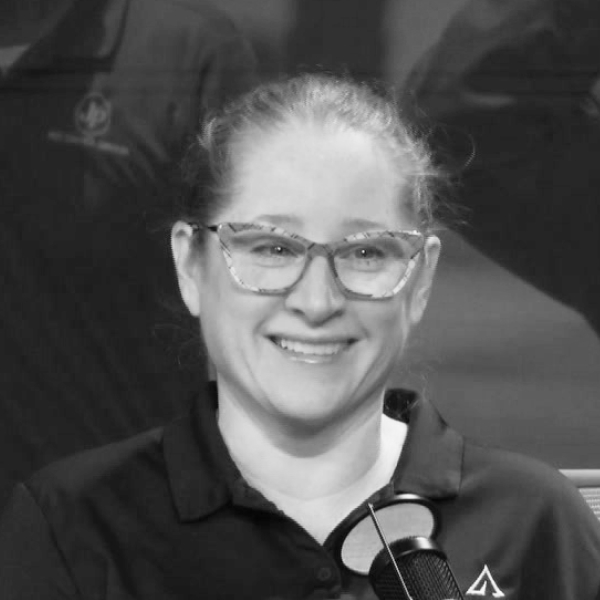
Katie Donovan is Co-Founder and current CEO of CAMP Digital. She works exclusively in the $657b home service industry and is an industry leader in digital marketing. Katie has been a member and leader of several successful startups that created an attractive growth curve, resulting in profitable acquisitions.
Katie’s passion and ability to challenge herself continuously drive her leadership and create a unique blend of customer focus, analytics, and marketing experience. She is a bootstrap leader who is passionate about the voice of the customer and customer-driven outcomes. She has an earned reputation for superior customer management and focus, as well as a vast knowledge of Business Intelligence, Marketing Analytics and Attribution. Katie shares her Google and Bing Certified knowledge as an industry leader as a speaker across many industry events and via partnerships.

SIGN UP FOR PODCAST UPDATES
Get email updates on new episodes and podcast news.
You don’t want to miss out!
Interested in being a guest on the show?
Are you a home service professional eager to share your insights and experiences? Apply to be a guest on the Masters of Home Service Podcast, and join a community of experts committed to helping others level up through knowledge.
Other Podcasts We Love