 26 Minutes
Save 20+ Hours/Week with These Automations
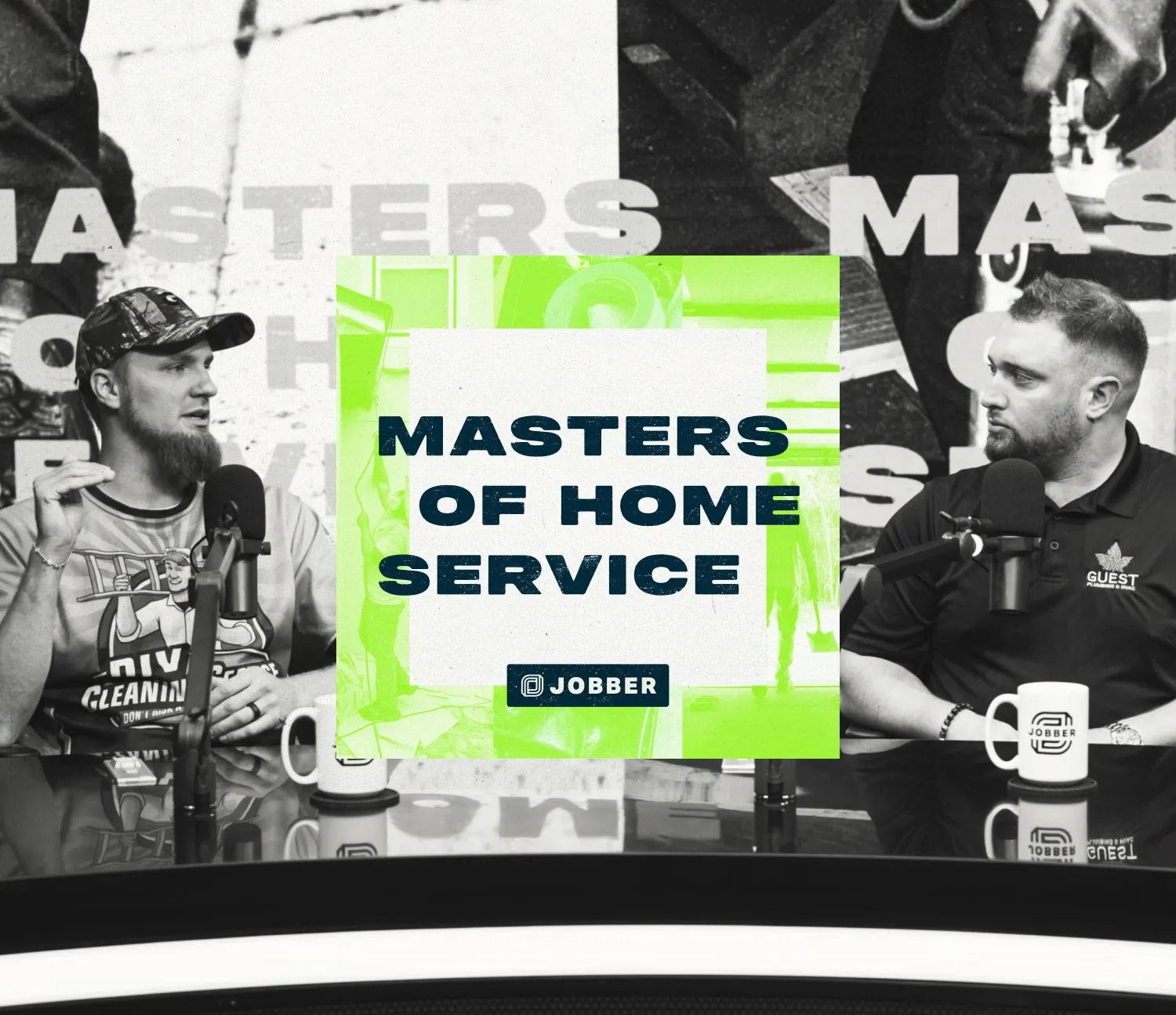
With Cory Byron and Phil Risher


-
Adam (00:18):
Welcome to Masters of Home Service, the best podcast for home service pros like us. I’m your host, Adam Sylvester, and I want you to crush it in business. Your success as a business owner rises and falls on how well you manage your time and your people’s time. And automation save you and your people. Time. I’ve got kings of automations here with me, Phil Risher and Cory Byron. They are the best at automations. We’re going to give you tons of examples of how automations can expedite things in your business, reduce clutter, and make your business more efficient and more profitable and more enjoyable. So guys, welcome to the studio. Thanks for being here. Cory, Phil. You guys are the best. Cory, why don’t you introduce yourself? Tell us who you are, what you do.
Cory (01:01):
Yep. I’m Cory from Vancity Electric. Obviously electrical company in the Vancouver area of Canada.
Phil (01:06):
I’m Phil Risher, owner of Phlash Consulting. We work with home service businesses and we help them do automations, digital marketing conversions. I love this stuff.
Adam (01:15):
Bingo. I know you do. We all do. I would say I’m a weenian steakhouse when it comes to this kind of stuff with you guys. You guys think and live and breathe this stuff. So our brands get cluttered throughout the day, throughout the week, throughout the month. And automations reduce clutter, don’t they?
Phil (01:30):
Yeah, definitely. I would say with automations, especially right now, you can pretty much think about what you’re currently doing that’s a manual process and build some type of automation off of it. The big ones that we see in the sales side of things is a lot of times people have to go into their CRM and dig up all this information and then try to figure out what to talk to people about. When you can actually build an audience and then have it automated to send them things out, which is a really big opportunity for most people, especially when you’re trying to grow your business.
Adam (01:56):
Because our brains get so cluttered throughout the day, but automations can just let the pressure off our brains, can’t they?
Cory (02:02):
Yeah. Less chaos in the business for sure. And less for us to do. I think client communications is just something we don’t have to do every step of the way. Technology can take care of that.
Adam (02:15):
Yeah, I agree. What are the two kinds of automations when it comes to marketing, Phil?
Phil (02:20):
Well, inside of the conversion funnel in particular, when someone reaches out to your business and they want to work with you, there’s two big ones. There’s a lead-nurture automation. So a lead comes in, you call it, they don’t answer. You need to have a process to automate your lead follow up. Because a lot of times when you’re busy, your customer service rep is busy, they’re not going to be following up on your lead. So you have to have a lead automation set up. And then the second one is to have an estimate automation process. When you send out estimates, they might not get accepted every single time and your CSR rehash person is supposed to be rehashing them. And usually that doesn’t happen. This is why you need an estimate nurture sequence. We have a company that they were getting 847 leads and in the first four months, they didn’t increase their lead flow. All we did was set up a 14-day lead nurture sequence and they went from 40% conversion rate to 61% conversion rate. And they were quoting over the phone, so it was just like a one and done opportunity. So these lead nurture sequences, it’s literally you don’t need to spend any more money on marketing, just fix these holes in your bucket and you’re going to grow your business.
Adam (03:14):
Totally. Do you guys have anything like that in your business, Cory?
Cory (03:17):
Lots of automated messages on the sales side for sure, as well as in production.
Adam (03:22):
Yeah, because it’s a whole continuum, right? When the lead comes in, there’s a period of time that it’s a lead. And then hopefully there’s a period of time where they become a prospect, and you can follow up automatically in both of those segments, if you will. How do you set that up?
Phil (03:37):
Yeah. So this is something that a lot of people have trouble with because traditional CRMs, client relationship managers, they’re not built for specifically lead nurture. They’re built for bringing a customer and then try to nurture them through a system. So you could build out something that was manual. This is what I did. I had four CSRs and we had it built out where we printed it out. We put check marks next to it. We printed something out.
Adam (03:57):
Oh my God.
Phil (03:58):
Literally we printed out the leads because there was no systems in place. So this is the first step was like print out your leads, put them in the stack and then check them, move them to the next pile, and then your CSRs know what to do. There’s a way to automate this now. You can use tools like Go HighLevel, you can use like CHIIRP, Hatch. There’s a bunch of these automation tools where you can set up audiences and tags and then run them through different automations based off of what stage that they’re at in your flow.
Adam (04:21):
Okay. So if someone wanted to start, could they do that out of the box or does it take a lot of know- how to do all this?
Phil (04:28):
Yeah. My recommendation would be to use a tool like CHIIRP or Hatch that’s like out of the box and it can integrate with your Jobber. And then this will allow you to move people into different buckets based off of tags or things. And it’s very low-friction of trying to build something out custom. And you can set it up like a seven-day nurture sequence, 14-day nurture sequence.
Cory (04:43):
I’d also say, let’s use Jobber. It already has a lot of follow-ups in there. It follows up on a quote two times. You could set up a third and a fourth if you want. There’s all kinds of little templates. Hey, we’re coming Thursday. Would you like us to bring batteries for your smoke detector? There’s all kinds of little things you can build straight into Jobber. And then whatever Jobber doesn’t do, you can bolt on either end.
Phil (05:07):
Yeah. Jobber, they actually just redid their project section. So you can move your estimates to different stages.
Adam (05:14):
Pipeline. Yeah.
Phil (05:15):
Through the pipeline. And then that’s a really good place to even just start, go to your pipeline and move things to different stages. A lot of people don’t even know what stage any of their estimates are in, and that’s why they don’t have a good close rate.
Cory (05:23):
Adam, there’s one I feel like people don’t take advantage of. And it is the scheduled assessment. We schedule our assessments even if we’re going to someone’s house or if I’m just working on your quote in the office, but the client is still getting a notification and sometimes they’re like, Hey, what is this? And I’m like, oh, I’m working on your quote right now. And that’s all built in. That’s nothing special. It’s just people don’t use it sometimes.
Phil (05:47):
That’s pretty cool.
Cory (05:48):
Yeah.
Phil (05:48):
I’ll give you another really, really cool one that we did. This is a carpet cleaning company and they do rug cleaning. So they had jobs scheduled for rug cleanings. So we went and picked up the rugs, but before we did that, three days before we pick up the rugs, we send them a text that says, Hey, while we’re going to be picking up your rugs, do you want us to come in and clean your hardwood floors? So basically we’re creating another opportunity while we’re at the home.
Adam (06:11):
It’s an upsell opportunity, cross-sell.
Phil (06:12):
It’s an upsell.
Cory (06:13):
Yeah, it’s working. So increase your average ticket size too. That’s what I’m doing.
Adam (06:17):
I’m always so surprised when I see someone approve their quote three weeks later. It’s predictable. Not everyone’s ready to buy today or even tomorrow, but if we just hope they remember our quote and go dig it up out of their inbox or filter through their iMessage on their phone till they get back to it, we’re living in a dream world. We have to be reminding these people that we exist. We have to send them, Hey, here’s your link through Jobber. Here’s your link. Hey, have you seen that quote yet? And all those forces dramatically increase your close rate. When I started doing a year and a half ago, I just couldnt believe how big of a difference I made. I just couldn’t leave it.
Phil (06:52):
Yeah. I would say there’s three ways that you should follow up. There’s texts, emails, and calls. And a lot of people just rely on the call rehashing and my CSR will call or I’ll call and you’re going to be busy. But the text and email is clutch because a lot of times people are texting people. They don’t want to talk on the phone. They want to give you the objection via text or email and you have to open up that line of communication. And if you just rely on one channel, you’re not going to close as many deals. We had another electrical contractor, and they were closing like 48%, so pretty good. We set up a 14-day estimate nurture sequence and they went up to 56%.
Adam (07:24):
Wow.
Phil (07:25):
But again, that’s 8%, and you don’t need any more leads, and you grow your business. It’s a home run. Yeah. So we talked about the conversion funnel when leads come through your sales pipeline, but there’s a huge opportunity. It’s literally a gold mine for most businesses. Everyone just sitting in your CRM and you need to retarget them and bring them back into the funnel. And every time I talk about this, people say, Oh yeah, I should be doing that. I should be doing that. Well, you can automate it. So we have a gutter cleaning company and we set up, after an invoice happens, we set up a six-month check-in. Says, Hey, Adam, Phil here with Phlash Consulting. Just want to check in and see how everything’s holding up with the work we did last six months ago. Literally, a woman replies, she says, Oh my gosh, how ironic a tree just fell over on my gutter. Do you all repair gutters? I was looking for a company to help with this. Do you do this? Yes, we do this. Can we come out? Why did you think of us? Because people don’t think that way. And especially if you can automate this happening inside of your business, imagine how much time that’s going to save you. You know you should be doing it. You know someone should be following up every six months, but no one’s doing it.
Adam (08:24):
Yeah. And the peace of mind that this gives the business owner is tremendous because if you don’t have any of this in place, then you’re constantly just deep down thinking, I know I should be following up. I know I should be doing this. I know I should have trained my people to follow up on this and follow up on that and ask for the review and all this kind of stuff. And you’re constantly just getting down on yourself because you’re not doing it all when it can all just be automated pretty easily. So now instead of getting down on yourself, you’re not thinking about that at all. You’re thinking about the next thing, the next bigger thing in your business, not the little things.
Phil (08:55):
It’s literally building a system and a funnel in your business that all you have to do is just focus on getting inputs coming in and then it runs through these different automations, and then it turns profit on the other side. And you just keep putting these dials on.
Cory (09:07):
Build it one time.
Phil (09:08):
Exactly.
Cory (09:09):
It’s going to work forever. And that work is going to continue to come in forever too from that automation.
Adam (09:15):
Yeah. I also think that it builds confidence with our clients. When they see that we’re following up in a professional manner and they’re getting these well-timed texts, and we’re not berating them with messages constantly or phone calls constantly. When they’re well-timed, they’re professional. I think it adds a touch of confidence. With this company’s legit, some might even say, Wow, they have the resources to actually put this kind of stuff in place. Maybe they’re thinking that. But it just gives the extra touch that we all want to give our clients.
Cory (09:43):
Yeah. They’re thinking like, Wow, these guys are really on top of it. When really we’re doing something else.
Adam (09:49):
We’re golfing and they’re getting the text.
Cory (09:51):
Absolutely. And I am going to over communicate before they’re even my client all the way till a year after we’re done the job.
Adam (09:58):
What do you mean? Okay. What do you mean by year?
Cory (10:00):
So we have the six-month follow up for sure. Hey, how’s our electrical holding up? Six months. And then at one year, Hey, your one-year warranty is coming due. How is our work holding up? Does anything need fixed?
Adam (10:11):
Yeah, that’s great.
Cory (10:12):
It’s just adding little touchpoints anywhere possible. That little touchpoint is just a reminder to maybe give you some more work.
Adam (10:19):
Guys, this is great. I want to pause for just a minute to talk about why we love Jobber so much because we all love Jobber. How has Jobber helped you automate your business?
Cory (10:28):
When I look at a new software, I go straight to the integrations page. And so although Jobber is very powerful, it’s the hub of our business. Sometimes I want it to do more. And so I’m going to check out integrations page. And one of those integrations is Zapier and that opens up even more options for automations I can build.
Phil (10:47):
When I talk to business owners, they always say, Oh, well, that’s a great idea, but how do I find those people in my CRM? And this is why Jobber has the cool feature. You can just literally tell it what you want. Hey, I want these people that have this thing that did this and I want to send them an email that sounds like this and it will do it. And you can literally just talk to it and tell it what you want. I think it’s an amazing feature that a lot of people are sleeping on and that they want to do this stuff in their business. They don’t know how to do it. Now all you have to do is just talk it out and then we’ll do it for you.
Adam (11:10):
Yeah. And I think that Jobber’s dashboard like insights and all that, we want to make data-driven decisions in our business, and that the dashboard is full of data that we can use to make data-driven decisions. So if you aren’t doing anything with automations, if you’re not running your business on Jobber, if you’re not following with people and nurturing your leads and all this stuff that we’re talking about, then you need Jobber. Go to jobber.com/podcastdeal, get an exclusive discount and get started using Jobber today.
(11:39)
Are you seeing a lot of results with that with your clients, Phil, like the six-month and the year follow-up?
Phil (11:44):
Absolutely. And especially with text message, it’s so important because text gets 95% open rate. You could send emails all day long, but people are not going to see your email. But when you send the text and it’s a personal one like, Hey, this is Phil with Phlash consulting. It sounds so real and natural and they also want to interact with that and they’re going to see it.
Cory (12:00):
That’s a free job. That’s a lead you never paid for.
Adam (12:04):
Yeah. You paid for it a year ago. Now it just keeps producing, you just keep squeezing more juice out of that sucker. It’s great.
Phil (12:13):
I’ll give you another automation that most people sleep on. If you are quoting over the phone and your CSR is trying to give estimates, you need to automate this process. And the way you do that is you need an estimate calculator. I came from the duct cleaning space. So every single call that we got was, How much does it cost to clean my ducts? Over and over again. And then you left it on your CSRs to try to fight the objection. So what we did was we built an estimate calculator on the website. So then people don’t even have to call in. They fill out the calculator with an automation. It just says, How many systems do you have? What type of home do you have? That automation would spit out a number to them via text and email. And now you have a lead that you can work without the back and forth of calls every single time. We had a company, we turned this on, they didn’t get any more website traffic. They went from 14 leads to 147 leads in one month. They were duct cleaning because everyone wants to know how much does it cost to clean my ducts.
Adam (13:07):
Before we move into, because I want to talk about automations internally within the company and all that kind of stuff, not just customer facing, but before we do, any other final hacks on these external automations.
Phil (13:19):
Yeah. I’m going to give you one other one. This is like if you’re like a super pro and you’re like, oh my gosh, you need to do this. Okay. The high level stuff here. This is high-level stuff.
Adam (13:26):
Give it to us. Come on. Let’s hear it.
Phil (13:27):
Okay. So we work with this HVAC contractor. They’re a 11 million HVAC contractor. So when they go into do equipment, they look at when the equipment was installed, so the age of the equipment. So think about an electrical, it’s like you have a generator, when was it installed? Then they go in their CRM and they mark the year that it was installed. Then when it hits 10 years time, they have an automation that says, Hey, your stuff’s about to break down. Let’s come out and do a complimentary inspection because you’re about to go over 10 years. And it’s an instant way to create these upsell opportunities. So the first month, they already had this data in their CRM. The first month we set it up, they closed three new sales.
Adam (14:01):
Holy cow.
Phil (14:02):
Just by having this automation set up for these, they’re called aging unit reports. Aging unit automation. It’s a goldmine. If you do any of these big ticket things, what you should do is when you go on the job site, look at the age of the units and the age of the different stuff and then put it in your CRM, and then you just run an automation off of it. It’s so good.
Adam (14:19):
I could see that being applicable for EV chargers and anything that has a shelf life of, well, any shelf life, I suppose. That’s great. I love that.
Phil (14:27):
To be honest, a lot of people, when they hear me say that, they’re like, Okay, well, how do I figure this stuff out? What’s nice is you can create audiences and Jobber just came out with this feature where you can create audiences in Jobber. You can literally talk to Jobber and say, Can you find everyone in my database that has da da da da da da da da. I want to send them an email for da da da da da. And you just talk to it and tell it what you want it to do.
Adam (14:47):
Yeah, it’s pretty awesome. I’ve used the feature several times and it makes segmenting your list so much easier.
Phil (14:54):
Exactly.
Adam (14:54):
Okay. So any other automations geared more internally? Things to make just our office staff lives easier, more streamlined. Anything that comes to mind on that front?
Cory (15:05):
We have a few that we’ve built into Asana where it’s like, if I put a card into this category and it says this job needs a permit, it will automatically assign that task to someone with a due date. And each column you move those cards will have their own person assigned and their own due date. So that’s a little internal automation that really helps.
Adam (15:29):
So Asana is a project management tool that you have integrated with Jobber and it pushes a lot of data from Jobber into Asana and then just it displays it in a different way and allows you to manage what, big projects?
Cory (15:39):
Yep. A lot of our larger projects are in Asana.
Adam (15:41):
Okay, awesome.
Phil (15:43):
Another big one that we’ve seen, we’ve been building this out a lot is on the career side of things because it’s more of an internal frustration of like, when do I get resumes and then how do I follow up with them and how do I. A lot of the things that we mentioned before, you can apply similarly to applicants coming in, send them a text message and email, you call them, they don’t answer, have some type of an applicant nurture sequence, ask them for a video. A lot of those automations for business owners, as you continue to scale, it’s just like, how do I hire people and have a system for it? And this is a really good way to take what you do for customers and leverage it internally.
Cory (16:15):
I treat those people like leads.
Phil (16:17):
Exactly.
Cory (16:18):
They go into a dashboard, I follow up with them.
Adam (16:21):
Right. A nurture sequence. A whole nine yards.
Cory (16:24):
And when I go to hire, I go straight to the dashboard and I go, Okay, I’m going to call this guy.
Adam (16:29):
I love that.
Phil (16:30):
Yes. So what we do is we’ll build a careers page on a website, have a form, like a landing page that you would normally have in a marketing tie. Someone fills out that form, then you have them go into the automation sequence and usually in there you want to educate them about your business, but also ask them questions to get stuff back. We would recommend ask them for a video, give them some ideas of things. And then if they send a video back, they answer the question, they do the stuff. I mean, they’re ready to roll and you can have a bench sitting there for your business.
Adam (16:56):
Yeah, because you might have a hundred candidates, but only five of them are good. But you’re saying automatically weed out the 95.
Phil (17:02):
And what I’m saying is, if you don’t have this automated, your CSR or you or your admin or someone is trying to do this process. AndyYou’re wasting your time when you could automate it.
Adam (17:11):
How many hours are we saving here guys with all these tasks? You guys have any idea?
Cory (17:15):
I’m thinking we do a hundred jobs a month, right? And so that’s 25 a week and all those automations for the whole customer journey start to end, let’s call it an hour per client. So 25 hours a week, save time.
Adam (17:30):
Wow. Yeah, bingo. How can automations improve our billing and our invoicing? Any tips on that?
Cory (17:38):
For sure. On the estimating side of things, we definitely have a pre-sent thing before we do the job. With upsells, we’re trying to make our average ticket size larger. Also, I use quote templates. So when I make a new quote every time, already it’s got a line item there for upsells, right? Panel directory, smoke detector batteries, search protector. So that goes out on every single quote. Also on the follow-up, we do have one where a month later it follows up and just says, Hey, if we paid the tax, could we do this job? And people will take advantage of that.
Adam (18:15):
What? Say that again.
Cory (18:16):
Yeah. So a month later, an email goes out from Jobber and it just says, “Hey, we’d really love to do this job. What if we paid the tax on the job?” Would that get it over the finish line? And I’ve had a bunch of people take advantage. And look, I don’t like giving a discount, but.
Adam (18:31):
That’s awesome.
Cory (18:32):
But you want the work.
Adam (18:33):
That’s sweet. I like that.
Cory (18:34):
Yeah.
Adam (18:34):
One of my favorites is an automated text that goes out either before they ever approve their quote or after, like a video from the owner where it says, I’m so happy that you went with our company. We’re going to take really good care of you. By the way, be sure to ask our technicians about X, Y, and Z as an upsell, cross-sell opportunity.
Cory (18:54):
We have a really good sales-to-hand-off email. We don’t use the Jobber one. I use one that I built through Airtable and Zapier, but it will essentially put the owner, me, and my production coordinator all in an email and it just says, Hey, thanks for approving that estimate. That goes out instantly, by the way. So when they’re paying a large deposit at night, you’re never going to actually follow up that quick. So I like that quick instant, Thank you for the deposit. We really appreciate it. Jeff is going to take this job from now until the end, here’s all his information.
Adam (19:28):
That’s so key for confidence.
Cory (19:30):
Huge.
Adam (19:30):
Otherwise, they just think their deposit just went into the black hole. Yeah. Some are big for large
Cory (19:34):
Deposits.
Phil (19:36):
What I would say, so I was working at a $3 million home service business and they were doing literally writing people’s credit cards down on the. And this was six or seven years ago. It wasn’t that long ago. And they were literally writing it down. And I’m like, Guys, can we at least use QuickBooks and send out the invoice before we go out so they can pay online or something? But there are ways to automate the billing process, literally from start to finish, so that way you don’t even have to touch it. So if you have an AR’s problem, you need to figure out how to automate that because it’s going to save you time and make you a lot more money.
Adam (20:05):
Okay. I’m not super keen on what you’re talking about. How can we automate the billing process? Can you be more specific?
Phil (20:10):
Okay. Well, when someone schedules a job, get their credit card on file. So then you automatic payment.
Adam (20:17):
Yeah, I see what you’re saying.
Phil (20:17):
If someone doesn’t pay, have an automation to follow up like, Hey, this credit card didn’t go through or we don’t have your card on file. Something like that, because it’s going to save you a lot of time. And usually your CSR is going to be your AR’s person. They’re not going to be hounding people down from that.
Adam (20:30):
It’s my good job for them. Yeah. And in Jobber where there’s automated, there’s reminders if an invoice not paid yet, you can follow up with them that way.
Cory (20:35):
Absolutely. We have credit cards on file for everyone, and my clients will actually get annoyed if I ask for the money. Sometimes they’ll say, Don’t you have my credit card input? Can you just run it? And so obviously we love that.
Adam (20:47):
Yeah. And that’s what I would say if someone. I would say, You have my card, don’t ask. Don’t bother me with that question. I gave you my card for a reason. Use that sucker.
Phil (20:58):
Exactly.
Adam (20:59):
Another way we can use automations is to use for data, viewing your data in a certain way that’s actually readable and not just numbers. And Jobber does this, great dashboard and Jobber for certain things. You guys have any other tips for automating a dashboard or something?
Cory (21:14):
I’m a big believer in having the data you want to see automatically in a dashboard so you can check it weekly, monthly. I don’t want to be waiting for the bookkeeper and the accountant at the end of the year to tell me how my year went. I want to know in real time what’s going on.
Adam (21:31):
It’s like playing game and finding out the score at the end. You know what the score is every second of the game?
Phil (21:36):
We have an automated dashboard that we built out that runs every single morning for our consultants and it looks at five numbers. It looks at the leads year over year. It looks at the jobs run year over year. It looks at the quotes created, the quotes closed and then the total revenue. And the whole goal is that every single day, those are the numbers that’s going to grow your business. So you need to know how you benchmark year over year. Now, you can build this thing out or do this thing and there are CRMs out there like Jobber, for example, that has a dashboard. It pulls in the data for you and you can look right at it and you can see the data and say, Okay, well, clearly I’m down year over year, so what can I do to fix this? And Jobber has a feature where you can actually ask it and it will tell you what to do like, Hey, you need to go in and work these lost estimates or do this.
Cory (22:18):
Right. Jobber also has a really good dashboard now. So slowly I’m starting to not use my dashboard so much. And now I am looking at the new insights dashboard quite a bit.
Adam (22:28):
Yeah. I’ve used BonusUP for years. I’ve used HourlyIQ for my dashboards and stuff. But like you said, slowly but surely some of the data that I was using in those other platforms are starting to pop up in the insights in the Jobber platform. So I imagine it’s just more and more is coming in from data. You need to be able to see your data and make decisions based on lead flow, quote approvals, conversion rates, all that good stuff.
Cory (22:52):
The other one we don’t want to forget about is Jobber AI, right? It’s up there in the top right corner. I saw a scary little thing it told me the other day, it was like 3% of my quotes hadn’t been seen or something.
Adam (23:04):
Yes. I see that too.
Cory (23:05):
I was like, Uh-oh, I better look into that.
Adam (23:07):
Yeah.
Cory (23:07):
And a phone call would probably help with that.
Adam (23:09):
Yeah, a phone call to the client. Yeah, for sure. Yeah. The AI insights, it tells you all about it because it knows all the data in your business and then it basically uses AI to give you a response and say, Hey, actually you’re missing the boat over here. Check this out. Fellas, that was great. Lots of takeaways here. I’m going to boil it down to three even though there’s millions of them, so many good things, just so many wonderful ideas. Number one is you should always be following up and nurturing your leads and your quotes automatically. Want to make sure that people know that you got their submission and the request, and you’re working on it. Once they approve their quote, you want to follow up and say, Hey, we got your deposit. Can’t wait to work with you. We will be contacting you tomorrow to book your job. Make sure you build confidence every step of the way. Number two is re-target your leads. You want to text people six months from now, 12 months from now, fill this idea, put in the date of the HVAC unit, and text them 10 years after that date. Whatever it is for your business, you want to be retargeting your leads because you just never know when someone will just come up and be like, Yeah, I’m ready to buy from you again. It’s like, Oh, that was awesome. That was easy. So much easier with automations. And number three is you should have a credit card stored on file all the time. It should be mandatory for your company to have a credit card to store on file in order to do business with you because you get their deposit, they store it on the file, and then when it’s time to get paid, you click the button, and you’re done. There’s no more chasing invoices, none of that. You just get paid. No nonsense. It’s just good business practice. Phil, how do people find out more about you?
Phil (24:38):
Yeah. So we talked to over a thousand home service business owners at this point, and we’ve figured out that there’s seven pillars that they need to fix in their business to grow. Two of them being lead nurture sequence and estimate nurture sequence. With the other five, if you are curious on what that looks like for your business, you can go to phlashconsulting.com. It’s P-H-L-A-S-H consulting dot com and we’ll show you how to fix them in your business.
Cory (24:58):
Awesome. I’m Cory from Vancity Electric. You’ll find me on LinkedIn and Instagram.
Adam (25:03):
Well, you guys are questioning it. Thanks for always being here. Always a pleasure. Guys, take care. We’ll see you next time. On the next episode, we’re talking to a young business owner who’s redefined what it means to build a blue collar career. He didn’t need a degree, just hard work, confidence, and consistency. We’ll get into what he’s learned along the way, how he earned respect in the industry, and what it really takes to build something from the ground up. Follow or subscribe today so you don’t miss out. And thank you for listening. I hope that you heard something today that will make your business more automated, saving you time, manage your time efficiently. I’m Adam Sylvester, your host. You can find me at adamsylvester.com. Your team and your clients, and your family deserve your very best. So go give it to them.
About the speakers

Adam Sylvester
CHARLOTTESVILLE GUTTER PROS AND CHARLOTTESVILLE LAWN CARE
Website: adamsylvester.com
Adam started Charlottesville Lawn Care in 2013 and Charlottesville Gutter Pros in the fall of 2020, in Charlottesville, VA. He likes to say, “I do gutters and grass! When it rains the grass grows and the gutters leak!” He got into owning his own business because he saw it as a huge opportunity to generate great income while living a life that suited him. He believes that small companies can make a serious impact on their communities and on every individual they touch, and he wanted to build a company that could make a big difference. His sweet spot talent is sales and marketing with a strong passion for building a place his team wants to work. Adam values his employees and loves leading people. While operations and efficiency is not something that comes naturally to him, he is constantly working to improve himself and his business in these areas.
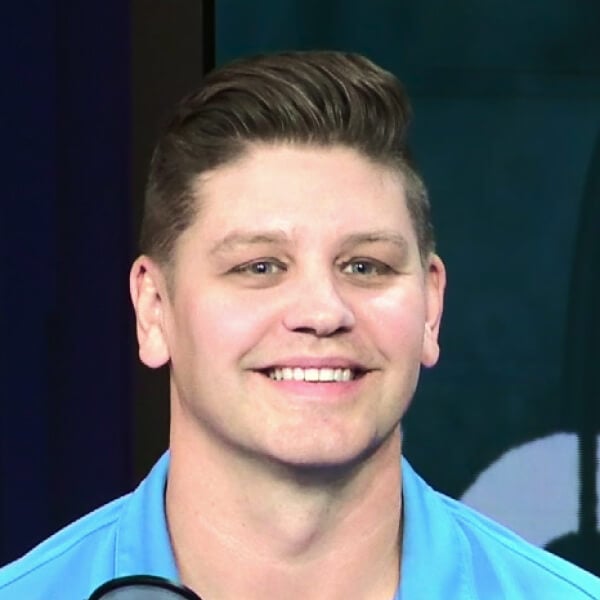
Cory Byron
Vancity Electric
Website: vancityelectric.ca
Instagram: @vancityelectric
LinkedIn: Cory Byron
Cory Byron is the owner of Vancity Electric, an award-winning residential and commercial electrical company based in Vancouver, Canada. With over 20 years in the trades, Cory has built a reputation for pairing customer service with strong tech stacks and operational systems. He’s also the founder of Next Step Systems, a consulting and coaching company helping small trades businesses streamline their operations through modern tech stacks, automation, and data-driven decision-making. Passionate about elevating the trades, Cory speaks on topics such as scaling service businesses, client experience, and using technology to unlock freedom for owners and teams alike.

Phil Risher
Phlash Consulting
LinkedIn: Phil Risher
YouTube: @phlashconsulting
Website: phlashconsulting.com
Phil Risher founded Phlash Consulting in the Washington, D.C. Metro Area in 2019. He’s a local marketing expert, who specializes in helping businesses scale. His company helps local service businesses boost sales and fill their schedules using the unique “Phlash Customer Journey” framework to create a professional marketing system. This approach has helped clients grow their revenue by over 20% annually. Before founding Phlash Consulting, Phil was a director of business development at a major air duct cleaning company. He was tired of working with generic marketing firms that didn’t understand his industry, so he decided to start his own. Phil’s company combines digital marketing and business development strategies, and works directly with staff and business owners to help them grow. He builds strong partnerships with his clients, and most have stayed with him for over two years.


SIGN UP FOR the masters of home service newsletter
Get monthly updates with news, tips, and advice on how to run a 5-star business. You don’t want to miss out!
Interested in being a guest on the show?
Are you a home service professional eager to share your insights and experiences? Apply to be a guest on the Masters of Home Service Podcast, and join a community of experts committed to helping others level up through knowledge.
Other Podcasts We Love