 30 Minutes
How to Deliver Luxury-Level Service (Without Luxury Prices)
With Kelly Guerrero


-
Adam (00:08):
Yeah. Welcome to Masters of Home Service, the best podcast for home service pros like us. I’m your host, Adam Sylvester, and I want you to crush it in business. I know something about you as the listener. You want to give your customer the very best experience possible. I know that because it’s in our blood. Every home service business owner wants to give their client the very best a wow experience, a luxury experience. Today we’re talking about how to do that without necessarily charging luxury prices. My guest today is Kelly Guerrero. She’s an expert at this and it’s in her wheelhouse, and so Kelly, welcome back to the show. Glad you’re here.
Kelly (00:46):
Thanks. Thanks so much for having me.
Adam (00:47):
What are you up to these days? Tell our audience what you’re up to.
Kelly (00:49):
I am doing HomePro Coaching. I am coaching home service pros to become their best selves and to crush it.
Adam (00:56):
Awesome. Well, glad you’re here.
Kelly (00:57):
Thank you.
Adam (00:58):
So, something that you and I are both very passionate about, and I think all of our listeners are. I think if you go into the home service space to go to someone’s house, to clean their house, to do their landscaping, it’s in your blood to be passionate about delivering this amazing experience.
Kelly (01:11):
Absolutely.
Adam (01:12):
I think it’s a little bit easy for us to take our eye off the ball. We get so caught up with invoicing and quoting and sales and management and marketing that sometimes it’s easier for the customer to fall a couple rungs on our mental ladder. I want this episode to bring that back up to the fore of our listeners and say, you know what? Yeah, I do want to deliver an awesome experience. How do I do that? What are some fresh things? And so I want to inspire listeners and also give them a lot of practical takeaways for how to do that. What are some things that you do to make sure that your client just feels like, wow, that was a luxury experience?
Kelly (01:44):
Well, let’s first define what’s a luxury experience? So luxury is not necessarily that we’re just using super expensive products or super expensive services. We are making their lives easier, so everything and anything that you’re doing that’s making their lives easier is 1000% going to give them a luxury experience. Simple things like a text when you’re on your way, following up afterwards with a thank you, it can be a thank you email, an automatic text. However you can do that, right? That’s going to make their life easier and their whole experience just an easier experience and a pleasant one. Especially if you’re going to run late or something like that. It’s better to go ahead and reach out to them and let them know that you’re running behind because if people are just left to think on their own, what’s going on? They’re going to think they’re just not showing up. I can’t count on them. And, unfortunately that’s a bad rap that we have I think in the home service industry where we say we’re going to be there at a certain time and then not really get there at that certain time.
Adam (02:45):
No one shows up.
Kelly (02:46):
And and then you just think, Oh, the customer will wait. And I cannot tell you enough. Do not do that. It’s so important to just communicate with the client. I think that’s the crux of it, of what makes it a luxury service.
Adam (02:59):
Yeah, I think all that starts in the very beginning. I think people are making those micro judgments on us from the very, very beginning, even from just scrolling through our website. Is our website crummy? Is it hard to read? Those kinds of things subtly tell the person this is going to be a difficult interaction. When they call, and maybe no one answers when we call them back. All these little friction points, tell them, this is going to be a tough company to work with, but if we make it so easy.
Kelly (03:24):
Simplify as much as possible. Make your website as clear and concise. You don’t need to list every possible option on your website. Make it clear and concise and simple so people know exactly what the services are. Answer the phone or use Jobber Receptionist if you are not able to physically answer the phone. Those types of adjustments, those types of things are so, so important.
Adam (03:47):
And I think taking a step back for a minute and just putting yourself in the shoes of a buyer. We’ve all been the buyer at some point.
Kelly (03:53):
Sure.
Adam (03:53):
We’ve all hired. What mattered to you at the time? Those same things probably matter to your clients. They’re not much bigger than us.
Kelly (04:00):
That you show up. That you show up, that you keep their property clean, that you respect them as the customer. I think those are the key things.
Adam (04:09):
Yeah, I think specificity matters a lot too. There’s a difference between saying, yeah, We’ll be there on Thursday. What time will you be here? I’m not sure. Who needs schedules? We’ll just call you on the way versus, Oh, we’ll be there 8:00 am. Oh, really? Yeah, you’ll be the first top of the day. I think that the more specific you are, the greater the promise is, but then if you deliver on that promise, that creates a wow experience.
Kelly (04:33):
Right, exactly. Just showing up when you say you will and giving ’em that wow experience. That’s also then what’s going to get you reviews in the end. Then it just becomes a cycle, and you’re able to incorporate those types of things into every different level of your business. You’re able to just have a luxury brand.
Adam (04:52):
Do gifts play a role in all this? Do you have to give clients gifts or maybe big clients get gifts? Thank you cards?
Kelly (04:59):
I think it depends on the spend. I would give an example like for a cleaning service. Maybe leave a candle, and what does a candle cost? I’m not saying a Bath and Body Works, three-wick candle. No, no, no. Like a small little Glade, something that smells nice. Leave it there for them with a little thank-you note. Or just handwrite some thank-you notes. Thank you so much for your service. It was our pleasure to serve you today. As a customer receiving something like that, that’s a wow experience that, Wow, they took the time to leave me a little note when they left my home. Or send them a card in the mail. These aren’t very expensive things. We’re talking less than a dollar in a lot of cases where you can do that, and it adds just so much care and communication again to that whole experience and gives the customer a wow experience.
Adam (05:48):
Yeah. I also think that it’s undervalued, using people’s names. Something I tell my technicians a lot is, you must know, memorize the client’s name before we knock on the door because it’s so easy just get in the flow of things. The address, that job, and you don’t even know the client’s name, and you knock on the door and you’re like, Hey, Mr. Client… And they notice that, Hey, what can I do for you? But hey, John, Hey Mr. Jones. That kind of stuff helps.
Kelly (06:15):
Right, right. You just brought something else to mind. Before you leave a job, every single time, you need to make this part of your team’s responsibility. What they do, they knock on the door and say, Hey, is there anything else we can do for you before we leave Mr. Jones/Ms. Janice? Whatever the name is. And wait for them to respond and make sure that they’re happy with the work. Don’t leave the work half done, or, Oh, we’ll have to come back tomorrow and get that fixed. Get as much done, and if you do have to go back for any reason, ’cause maybe you had the wrong part or something like that happened, let them know that and communicate that to them first before they have to ask you for it.
Adam (06:52):
Something I’ve heard a lot from clients who had a multi-day job with us and being in landscaping, I’m sure you’ve had this happen before. The tendency is just kind of leave crap laying around. We’ll be back tomorrow morning, 8:00 am. Who cares? Right? But clients notice that, and if you tidy up the job site in a way that doesn’t seem necessary but tidy up, maybe put a tarp over the ugly piles or clean up the trash, obviously. There’s a certain level of cleanup that the clients will notice even if you’re coming right back tomorrow morning, that really makes a difference in the client’s mind.
Kelly (07:21):
It shows that you care about their property and that you respect them as the homeowner. It is also important, before you even start the job to go through it with them, take five minutes and say, Okay, today we’re going to be clearing everything out of the beds and relining the new beds with landscape fabric. Tomorrow we’re going to be here to add mulch, or add the plants, whatever that looks like for your job. But just that little bit of time to communicate so they know from the jump what the expectation is and what their experience is going to be like.
Adam (07:53):
Yeah, I’m a big fan of happy calls the next day. The reason for that is I’ve noticed over the years that if a client’s unhappy, but they love your technician, they may not be truthful with your tech. They may love you or maybe the office messed up or who knows what. Maybe you didn’t clean the house the way they expected, and they’re sort of happy, but they still have kind of gripe. They will tell you, Oh yeah, you do great. Thanks for coming. And then the next day when the office calls and says, Hey, how’d it go yesterday? Well, the technician was great, but… It’s hard for a lot of people with their personalities to be totally honest with the technician. Well, Actually I don’t think it looks good. I don’t think it looks that good. And so I like doing a happy call just to collect those few people who feel like they’re not really, they’re just not going to be, because of their personalities, they’re just not going to be that honest with people upfront with a worker because they like them. I like having that follow-up call.
Kelly (08:45):
No, that’s super important. It’s super important to follow up with them, and that’s another thing you can do. We were just talking about a gift, so not necessarily a gift, but those types of follow-up calls show that you care and that’s going to give them that overall wow experience, which is going to then result in them wanting to recommend you to their friends and their family and people that they know.
Adam (09:06):
Yeah. A couple weeks ago, my technicians were at a house. It was a big job. It was an all-day job. I think there were four or five in them on the job site. Really nice client. The client was in his mid to late fifties at matters. And at the end they were all done. Great experience. Everything was perfect. It was one of the best jobs ever, and one of my technicians just casually said, Hey, you’ve got five strong young men here. Do you have anything that you want us to move? Piece of furniture, just anything. And the guy was like, You know what? Yeah, I do. And then he took ’em upstairs. I forget what they moved, but the guy even said, I’m at that age where I feel like I should have done it myself, but I’d rather have you guys do it. So it was a little bit of humility for him, but like because we asked, it was easy. He would never have said, Hey guys, can you do this for me? But because we asked him, he was like, you know what? I will take you up on that.
Kelly (09:54):
That’s a great example of just providing a luxury experience for someone. Exactly. They’re not going to ask you because that’s not in the scope of the work that they were hired to do. But they take the time to say, Hey, is there anything else we can do for you? We’ve got five strong guys. Can we move this for you? That elevates your company from just an average landscaping company coming and doing a job to this is a luxury company that they go the extra mile, and it creates that wow factor.
Adam (10:21):
What’s your opinion, Kelly, on the difference or maybe the relationship between professionalism and being casual and being human? You want to be professional, but you also, you don’t want to be stiff. How do you make that balance?
Kelly (10:35):
Well, I think it’s a skill set that needs to be learned where you learn how to read the room. So absolutely, you want to be professional, but you still want to make those connections with people where you’re able to relate to them empathetically and kind of build that rapport with the clients. I think that’s incredibly crucial to giving a good experience.
Adam (10:57):
Nothing drives me crazy more than listening to phone calls from our company and hearing call center language and the kind of things that you hear when you call Verizon or AT&T. It’s like, this is small local business. I’m a human being. Just talk to ’em like they’re your sister or your mom or your brother. You don’t have to be so formal and so stiff. But I want to be professional. I really do. There’s a difference.
Kelly (11:22):
I think that comes down to your culture too, right? How you build that culture of your company and say, we want to be professional, but we also want to be relatable because there’s definitely a difference there between just using that, like you said, the call center language and then being a relatable, relatable kind of fun person. This is home service. We’re there to fix your stuff and make your life a little bit better. We’re not here to see if you need a payment done on the 15th before close of business or something like that.
Adam (11:54):
Right. Yeah. We need to talk about how clients feel because how they feel matters so much more than anything else. We can do a job and then if we do a great job like our technician say, Yeah, we nailed it. If the client doesn’t feel like it was great, then we failed. Even if we did a great job. And there are certain things that our technicians, our field staff can do to really mess that up, that last feeling. I think about at your restaurants and you’re checking out, they leave a little mint because that’s the last thing that you think of before you tip and you tip a little bit more or less than what the stats say, and so what are some things that you can do at the end of a job to make sure to persuade your client to feel like it was really a home run? Anything that comes to mind on that. One thing that we tend to do sometimes that’s wrong is if our van is parked in the driveway, we won’t blow clean under the van. We’ll blow off the driveway, but we won’t blow under the van, so then we drive away. There’s a big square of grass all over the place.
Kelly (12:50):
Right, right. No things like that. Making sure that the workspace is completely cleaned up, that their home is better than you found it. So if you’re doing outside work, you want to make sure that all those walkways are clean, all the driveways are clean. If you’re doing work inside the house, it’s the little things, like just going back over where you worked. I think of a plumber or a cleaning service, make sure you didn’t track anything in by mistake that you may have been so focused on the job that you didn’t really notice that you got mud on their floor. Right? But just take that extra couple of minutes and make that part of your process so that you’re giving them a good experience because people aren’t going to remember the price, and they’re not going to remember really the little things that may have gone not perfectly in a job. They’re going to remember how you made them feel. Treating them with respect, addressing them by their name, making sure everything’s cleaned up at the end. Those are the types of things that stick with someone, and they’ll remember that job as a home run.
Adam (13:49):
Yeah. I think that when clients have us do their house, they have an innate fear. Is this going to be another company that comes to my house and does an okay job? Maybe I feel good about it, maybe I don’t. Are they going to be cussing a lot around my kids? Are they going to look unpresentable? All these kinds of things are fears in their mind, and I think that every step along the way, we have an opportunity to put those fears to rest. I think the first fear is like, Are they even going to answer the phone? Okay, great. They answer that phone. Is the person going to sound competent? Oh, this person sounds really competent, and you go down the list. Are they going to show up on time on next Tuesday when they said they would? And so I think that you have to create a culture where each person takes responsibility for those touch points.
Kelly (14:33):
Sure, sure. Where they’re owning their good things, and they’re bad things. They’re owning their mistakes and their successes. And then it’s important to share with your team. When you’re building that culture, it’s important to share with your team those types of wins. So they know what the expectations are. They know that Mrs. Jones, her job went well, and this is why it went well. So when you have team meetings, you want to make sure you share some of those details of the job, give the attaboys to the ones who made that happen, and maybe read some reviews that you got in that week with your team, things like that to just kind of build that culture where everyone takes responsibility for their actions and everyone’s committed to creating those types of experiences for the customer.
Adam (15:18):
Who do you hold accountable to that? If a client calls the next day and says, I had a couple of things that didn’t really go well. Do you have crew leaders that are responsible? Do they get dinged as a team? Let’s talk about just the management side of this for a minute in terms of if something goes wrong. Who gets blamed, so to speak? How do you handle that?
Kelly (15:38):
Well, that’s a tough one. That’s a good question. It would probably be the crew leader in most cases. Not all companies though, are a landscaping company, and they’re not all going to work with a crew leader. Sometimes it’s just one technician that goes out. So it’s going to depend on that, and it’s going to be whoever the person was in charge of that job was. We would also have in our landscaping side, an estimator. And he would go out and make sure, be the job liaison and make sure that everything he had promised that client was actually delivered to that client. So for us, ultimately we would hold him responsible because he was that onsite person that had to make sure expectations were clearly communicated, make sure the team knew what was happening, and make sure that they actually executed on that.
Adam (16:26):
So there’s a balance here between culture and checklists because I think that you have to have both. I think that when you go into a nice hotel and you’re walking by someone who works at a hotel and they say, Hello. It’s like, oh, they didn’t have to say hello, but they said hello, and you turn a corner, and the next person says hello, and there’s just a culture of saying hi to anybody who walks by you. But then when your room is clean, there’s a checklist. They’re not just sending people up there to clean it, just do a good job. Oh, our culture is so good that you’ll just do a good job. There’s a checklist. And so how have you balanced baking this into the culture of your company while also relying on there’s actual things that we have to hit on every single job, and there’s a checklist for that too.
Kelly (17:10):
Well, basically it is like you said, you have to have a checklist and these are the expectations and these are the things, and, communication. I’ll go back to that. Communication is the way that we do it. Communicating with our team in the same way that we’re going to communicate with those clients where they are absolutely clear what the expectations are. They know what they have to do to perform well, and then they’re also given the tools to perform well. That’s another thing too. If you want your team to be able to do excellent work, you have to make sure they have the right tools for the job. All the checklists in the world aren’t going to help if they’re there to do a mulching job and they don’t have the right type of wheelbarrows or the right type of whatever that may be.
Adam (17:50):
Yeah, yeah. Got to take care of your people. They take care of your client.
Kelly (17:53):
Of course.
Adam (17:53):
Kelly, you and I both love Jobber. I’m going to pause for a minute. Talk about why we love Jobber so much. How does Jobber help you deliver a world-class luxurious experience for your clients?
Kelly (18:01):
Well, two things. Basically, it’s got to be the communication because I believe anything I can do to make my relationship with that client easy is a win in my book. So all of the automated calls, the texts, I’m on my way, emails. Things like that, that are doing the follow-up work for me, is something I just love about Jobber.
Adam (18:21):
Yeah, yeah, I do too. I also love that a client can just in their PJs right before bed, pay an invoice. Online, super easy, their card stored on file so they literally just click one button and it charges their card. So simple, and no one wants to send me a check. No one wants to write it, give me cash. They just want to pay online, and it’s so simple, and I think that goes a long way. If you’re not using Jobber to raise the level of your customer experience to luxury level, then you are missing out. Go to jobber.com/podcastdeal, hit the exclusive discount, and start using Jobber today.
(18:55)
If you give someone just a luxury experience and they just feel like, Wow, that was awesome. That becomes in itself like a marketing opportunity. Wouldn’t you say?
Kelly (19:04):
It does, because then as long as you’ve got baked into your process as well where you’re asking them for a review, then they’re going to give that glowing five-star review, and then you can use that in marketing pieces. Feature on your website, on your social media channels. All of that, and it just becomes a process that just keeps on moving along, moving along where you’re giving great work, you’re getting great reviews, you’re giving great work, you’re getting great reviews. And as a result, then you can continue to raise your prices a little bit. I mean, obviously you don’t want to take advantage of people, but you need to charge correctly and well for the job. And people care more about that great experience then maybe spending $20 more, a hundred dollars more with your business over the competitor’s business that probably doesn’t have any reviews.
Adam (19:54):
Yeah.
Kelly (19:54):
Does that make sense?
Adam (19:54):
I agree with that. I heard someone say one time that it doesn’t matter how good your marketing is, if your restaurant’s food is bad, it doesn’t work.
Kelly (20:03):
No.
Adam (20:03):
Your food has to be good. And I think the same thing is true for us. I think it’s true for any business, not just restaurants. If our service at the end of the day is amazing, then our marketing, it’s like fuel on the fire. But if we market, market, market and we don’t have good service, then it doesn’t matter how much you market, it’s a waste of time. And so I think that thinking about every single job your team does as a marketing opportunity, Hey, this is potentially a future five-star review. It’s a future referral. It’s a future Facebook post where they just say, This company was awesome, you should use them. It starts with awesome service.
Kelly (20:38):
That’s 1000%. And it becomes just the whole machine working altogether, right? Where it is part of the way that you do. It’s your business model, where we’re going to give excellent service, we’re going to get five-star reviews, we’re going to give more excellent service, and it just continues to flow like that.
Adam (20:57):
So there’s some listeners out there, Kelly, who are listening, and they just hired their first employee, and they’ve been just crushing it. Every single client loves them ’cause they’re the owner, they’re on the job site, and their name spreads like wildfire because they are the owner, they’re in front of the client, they smile, the client loves them. And now they’re starting to realize that their employee isn’t them and that they’re not getting the same level of like, Wow, you’re amazing, kind of response to their client because they hired someone. And they’re feeling a little bit like, Oh man, how am I going to maintain this high level that I’ve had all these years as I scale my business? That’s a really common thing. It’s so easy to hit it out of the park as the owner when you’re on job site, but then you hire people.
Kelly (21:41):
That’s tough.
Adam (21:41):
Yeah.
Kelly (21:42):
That’s tough because they’re never going to do it as well as you do as the business owner because you care so much because it’s your own business. So the key is starting with that very first employee, making sure you instill in them, this is who we are. This is my vision of who we’re going to be as a company, and I need you to come alongside with me here, and we’re going to make this happen together. So if you approach from the first employee on your team collaboratively, this is what we’re growing to build and sell that employee your dream, they’re going to buy in, and they’re going to want to be part of that as well. And I think it provides them more of a motivation to be better, to be like you.
Adam (22:22):
Yeah, I don’t want to spook our listeners, but I think that first hire is a huge difference. That first hire matters so much because they ultimately will decide what the next hire is and the next hire is and what their actions and attitudes are. If you are able to hire that first person and just pour into them and just tell them over and over and over again how much customer experience matters. ‘Cause then that will trickle down to the next. But if you get someone and you don’t do that, you’re going to be making a copy of a copy of a copy, and soon you’re going to have a company that doesn’t really look like the original company because you just didn’t really do a good enough job training that very first person.
Kelly (22:57):
Unfortunately, it becomes like a cancer when they just really don’t care that much. That just passes on from one employee to the next, to the next, to the next to the next. And you’re absolutely right. You need to pour into those employees from the first one, show them how important it is that customer service and the customer experience is what we do.
Adam (23:17):
And there’s moments in your business that you have to decide, am I going to do the thing that’s fiscally responsible or makes sense monetarily, or am I going to do the thing that’s going to wow the customer? Because it’s going to cost me to wow the customer. I had an experience in the very earliest, my gutter business, Todd called me and he was like, This client is really nice. He’s asked me to do something that definitely isn’t within the scope of the job, but I feel like we should do it. But he was kind testing me ’cause he was new, and I said, I told you that I want you to wow our customer every single time. And I meant it. He was like, Heard. He hung up and called me two hours later and he was like, this guy’s super happy. And later he told me that it was kind of a test. He was testing me to see if when I said, Hey, I don’t really care how much it costs. I want us to treat our customer so, so well the best we possibly can. If you really meant it or if you were just saying that, but then when it came down to when it’s going to actually cost you money if you’re no, no, no, we don’t want to do that, just save us money. And that became a linchpin in our relationship because he knew at that moment, I really meant that giving our client a luxury experience was the most important thing, not just the money.
Kelly (24:26):
Well, that shows too your integrity as a boss, as a business owner. And integrity then is something that’s respected by those employees. And so if you say what you mean and mean what you say as a business owner, it translates into more loyal employees and more loyal customers as well. They know that when you say, I’m going to come and do X, Y, and Z for you, that you’re going to do it and you’re going to make sure it’s done correctly and that they have a phenomenal experience in the process.
Adam (24:55):
Any tips for identifying, besides obviously the thing we’ve talked about so far, like being on time and answering the phone, anything else or any other tips on how to determine what really matters to clients in your specific industry? I think there are some baseline things that everyone as human beings care about, and then there’s industry-specific things. Any tips on how to identify what those things are so our listeners can actually start doing those specific things?
Kelly (25:20):
Well, it’s going to depend on the industry, obviously, but you’re going to want to ask some customers, maybe go onto a Facebook group and say, Hey, I’m doing some market research. What’s the most important thing for you as the buyer? As the customer? What is it that you look for? And just kind of be open to getting some of that information. Look for those types of resources to get an idea of what customers care about and maybe what they don’t, because sometimes, as the technician, because that’s where most business owners start, they start as a tech. You’re used to giving very tech-specific services, and that’s what you focus on. That’s what you do. It’s what you love, it’s your passion, but maybe that’s not what the customer cares as much about. And so that can be very illuminating in a lot of situations.
Adam (26:08):
I think that’s great. I also think you can do the opposite. I think you can ask people ’cause some people, they won’t be able to articulate all the things they care about when they hire a home service company, but what they can do is articulate all the things they hate. So, Tell me about a bad experience. Oh my gosh, I hate… and then they just go on.
Kelly (26:24):
That’s actually, I think probably the best way to do it is because you’re going to get, people are quick to tell you everything that has gone wrong.
Adam (26:30):
The negative, bad experience.
Kelly (26:31):
Yes, and then you can take that, invert it, and know how to give great service.
Adam (26:35):
Yeah, people will say, I just hate when someone shows up, and they don’t know what they’re talking about. They just seem incompetent, or they’re messy, or well, I have a dog and they didn’t give him any treats. Whatever the case might be. Some people expect that, and so I think by asking the negative can really help. You can also, there’s some app free apps you can use that will tie into all your reviews sites, Google mostly, and pick out keywords. On time, friendly, professional, and you’ll see all these common keywords popping up over and over again. And here’s a little power tip. You can go read the negative reviews of your competitors and see what they got burned, by and then just avoid those things.
Kelly (27:16):
Right. Going back to what you’re saying about, They didn’t give my dog treats. That’s another great idea that people who are cleaning houses, going in to do electric work, or plumbing work. Going into a customer’s home, carry some treats with you. That’s a great idea. It’s a low-cost way, but it’s going to absolutely wow the customer.
Adam (27:33):
I bring a treat for Spot the dog.
Kelly (27:34):
Absolutely. And know their dog’s names.
Adam (27:37):
Yeah, that’s good.
Kelly (27:37):
Put it in the little file. So if you’re going back and doing repeat business with those clients. Then you’re not just knowing the customer’s name, which is super important. Hi, Mr. Jones. Hi, Spot. How are you? And they’re like, Wow. Yeah. So I feel like it’s those types of things that elevate your business into a luxury brand.
Adam (27:56):
Kelly, this is great. I love that. I’m going to break it down to three actionable things you can do right now to improve their business. Number one is realize that giving luxury service is all about stripping away all the friction points, all the things that clients don’t like about customer service or just any interaction with your company, taking all the hard parts away so that only the easy luxurious steps are left. Number two is recognize that when you hire that first person, you have to transfer your passion for customer service over to them. Otherwise, it’s just you’re going to look up a year from now and have a couple of hires, and things will be a lot different in terms of customer service. They have to realize that customer service is the most important thing to your business when it comes to related to the client. And they have to share that same passion that you have. And number three, nothing replaces doing an amazing job. At the end of the day, we have to do a great job at a client’s house. If we do, that will become a five-star review. That will become a referral. That might become a social media post that the client makes on your behalf, and it all starts by doing an amazing job. Nothing replaces that. Kelly, that was great. Thanks for being here.
Kelly (29:04):
No, thanks for having me.
Adam (29:06):
How do people find out more about you?
Kelly (29:06):
I am on all of the social networks. HomePro Coaching is my handle, and you can also see me at homepercoaching.com.
Adam (29:15):
Awesome. Well, thanks for being here. I really appreciate it.
Kelly (29:16):
Thanks so much.
Adam (29:17):
And thank you for listening. I hope that you heard something today that will make your business more luxurious. On the next episode, we’re tackling one of the biggest pain points for business owners, pricing. If you’ve ever googled, What should I charge? Or copied your competitors just to stay in the game, this one’s for you. We’ll break down a simple formulative price with confidence, protect your profits, and finally, stop guessing. Follow or subscribe today so you don’t miss out. I’m your host, Adam Sylvester. You can find me, interact with me at adamsylvester.com. Your team, your clients, and your family deserve your very best. So go give it to ’em.
About the speakers
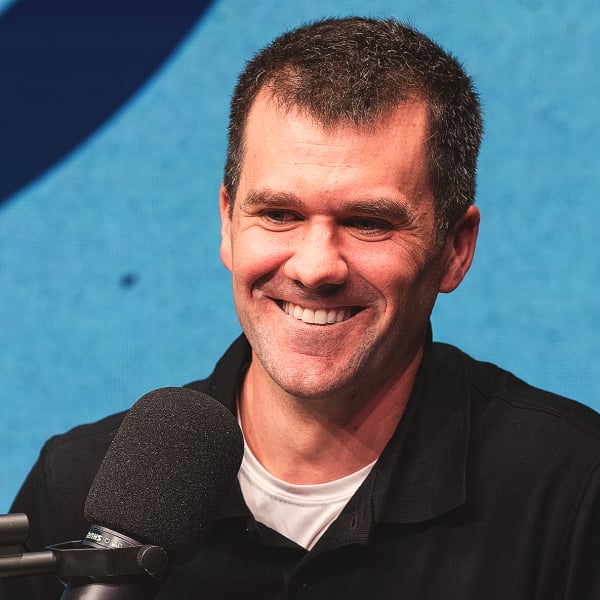
Adam Sylvester
CHARLOTTESVILLE GUTTER PROS AND CHARLOTTESVILLE LAWN CARE
Website: adamsylvester.com
Adam started Charlottesville Lawn Care in 2013 and Charlottesville Gutter Pros in the fall of 2020, in Charlottesville, VA. He likes to say, “I do gutters and grass! When it rains the grass grows and the gutters leak!” He got into owning his own business because he saw it as a huge opportunity to generate great income while living a life that suited him. He believes that small companies can make a serious impact on their communities and on every individual they touch, and he wanted to build a company that could make a big difference. His sweet spot talent is sales and marketing with a strong passion for building a place his team wants to work. Adam values his employees and loves leading people. While operations and efficiency is not something that comes naturally to him, he is constantly working to improve himself and his business in these areas.
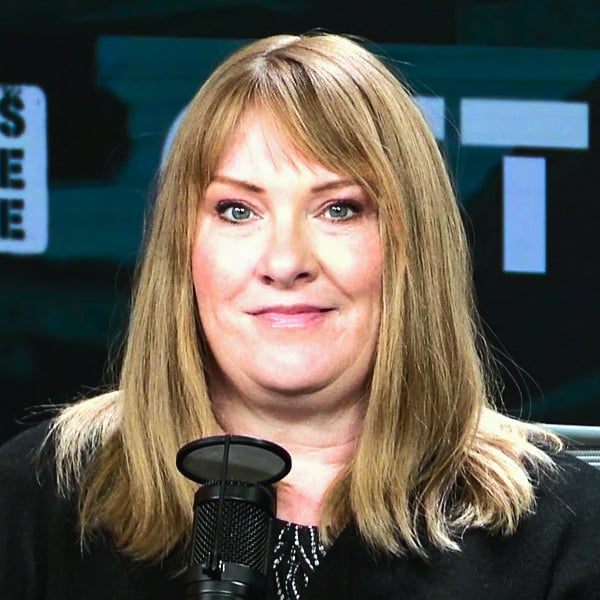
Kelly Guerrero
HomePro Coaching
Website: homeprocoaching.com
Kelly Uhler Guerrero is the owner of HomePro Coaching. After over two decades in service businesses, she now helps small business owners streamline operations and achieve sustainable growth. Kelly’s approach to coaching focuses on the power of automation and effective business systems, drawing from her hands-on experience scaling Fast Lawnscapes into a seven-figure company before it was sold. Whether she’s coaching, speaking, or sharing insights online, Kelly is passionate about empowering entrepreneurs to transform their ideas into reality.
SIGN UP FOR PODCAST UPDATES
Get email updates on new episodes and podcast news.
You don’t want to miss out!
Interested in being a guest on the show?
Are you a home service professional eager to share your insights and experiences? Apply to be a guest on the Masters of Home Service Podcast, and join a community of experts committed to helping others level up through knowledge.
Other Podcasts We Love