
Key takeaways:
If you’re looking for the best app for contractors, Jobber is the top all-in-one choice for managing quotes, scheduling, CRM, invoicing, and payments. For specialized needs:
- Construction Master Pro is best for field calculations and estimating.
- CompanyCam excels at construction site photos and documentation.
- QuickBooks Online is the leading accounting software for contractors.
- Thumbtack is the best platform for finding new customers and generating leads.
Run a smoother contractor business with Jobber. Quoting, scheduling, invoicing, and payments—all in one place. Start your free trial.
In the world of contracting, every second counts—and so does every screw, schedule, and spreadsheet. Staying organized and efficient is key to staying competitive. Luckily, your smartphone can now pack as much power as your toolbox.
To help you out, we’ve nailed down the best apps for contractors. These tools will help you manage projects, track time, and crush estimates faster to help you get home before dinner.
Best construction company apps:
-
Jobber: Best overall contractor app
-
Construction Master Pro: Best for calculations
-
Fieldwire: Best for task management
-
GasBuddy: Best for gas savings
-
QuickBooks Online: Best for accounting
-
Slack: Best for team communication
-
CompanyCam: Best for documenting jobs
-
Jobber Campaigns: Best for marketing your contractor business
-
Thumbtack: Best app for finding new jobs
-
Contractor+: Best for small contractors and startups
-
Connecteam: Best for managing field crews
-
ServiceTitan: Best for large service contractors
Best contractor apps at a glance
| Disclaimer: Software prices are subject to change after the publication of this article. |
| App | Best for | Key features | Pricing model | Free trial | Popular integrations |
|---|---|---|---|---|---|
| Jobber | All-in-one contractor app | • Progress invoicing • GPS and time tracking • Online client portal | Tiered pricing starting at $29 per user per month | Yes | Quickbooks Online Xero CompanyCam Docusign Zapier |
| Construction Master Pro | Performing calculations | • Multiple estimating functions • Full trigonometric functions • “Paperless” tape function for previous 20 entries | Free | No | None |
| Fieldwire | Task management | • Project plan • Real-time push notifications • Document management | Free plan available, then tiered pricing starting at $39 per user per month | Yes | Docusign Google Calendar Box Dropbox |
| GasBuddy | Gas savings | • Smart driving tips • Gas price maps • Fuel insights | Free | No | None |
| QuickBooks Online | Accounting workflows | • Expense tracking & receipt capture • Payroll management • Custom invoicing | Starting at $38 per user per month | Yes | Jobber Shopify PayPal Stripe |
| Slack | Team communication | • Team channels • Instant messaging & file sharing • Audio and video huddles | Free plan available, then tiered pricing starting at $8.75 per user per month | No (free plan available) | Google Drive Microsoft 365 Zoom Asana |
| CompanyCam | Documenting jobs | • Time and GPS-stamped photos • Photo annotations & voice notes • Project photo organization | Tiered pricing starting at $63 per user per month | Yes | Jobber QuickBooks Online Hover |
| Jobber Campaigns | Marketing your contractor business | • Branded email templates • Customer segmentation • Campaign performance tracking | Marketing add-on | No | Jobber add-on |
| Thumbtack | Finding new jobs | • Lead generation marketplace • Customer reviews & profiles • Quote requests | Pay-per-lead | N/A | None |
| Contractor+ | Small contractors and startups | • Estimating and invoicing • Scheduling and CRM • Expense tracking | Free plan available, then tiered pricing starting at $29 per user per month | Yes | QuickBooks Thumbtack Eagleview |
| Connecteam | Managing field crews | • Employee scheduling • Time tracking with GPS • Team chat and task management | Free plan available, then tiered pricing starting at $29 per month for 30 users | No (free plan available) | QuickBooks Online Gusto Xero Zapier |
| ServiceTitan | Large service contractors | • Advanced dispatching and scheduling • Reporting and business analytics • Inventory management | Must contact | No | QuickBooks BirdEye PulseM |
How we chose the best apps for contractors
There are hundreds of apps that promise to make contractors’ lives easier. We went through the list and found the best apps for contractors by:
- Reviewing contractor Reddit threads to understand the construction industry’s biggest challenges and see which tools construction professionals consistently recommend
- Evaluating each app’s field usability, mobile app quality, and integrations with the other software contractors rely on every day, including estimating, accounting, project scheduling, and CRM tools
- Analyzing user reviews on sites like Capterra to pick out the best of the best
- Watching product demos and tutorials to see these solutions in action
The result is our list of the 12 best apps that will help boost your construction business’s success.
READ MORE: AI for contractors: choose the right tools for your business
Types of apps contractors need (and when to use each)
No single app does everything. The best software for your business depends on the type of work you do and the size of your team. Your choice will also depend on whether you’re trying to win more contracting jobs, improve productivity, or simplify back-office tasks.
Here are the main categories of contractor apps and when each one makes the biggest impact.
All-in-one contractor business software
If you’re juggling multiple apps for scheduling, quoting, invoicing, customer management, and payments, it may be time to consolidate. An all-in-one platform brings your daily operations together so you spend less time switching between tools and more time running jobs.
This is where Jobber’s contractor management software stands out. It combines your scheduling, quoting, invoicing, CRM, online payments, and customer communication in one platform, making it a strong choice to streamline field work and office admin.
Field calculation and estimating tools
Accurate estimates start with accurate measurements. Construction estimating apps help you perform complex calculations on-site. They also help you create material takeoffs and build precise bids without carrying around spreadsheets or calculators.
Construction Master Pro is a popular choice for contractors who regularly work with dimensions, stair layouts, roofing calculations, concrete volumes, and other construction-specific measurements.
READ MORE: Top construction apps to boost efficiency
Project and task management
Once a job is in progress, project management apps help keep everyone aligned. They’re designed for tracking tasks, sharing plans, managing punch lists, and giving crews access to the latest drawings from anywhere.
Fieldwire excels at coordinating field teams and keeping projects organized. It’s especially useful for larger jobs involving multiple subcontractors or stakeholders.
However, Fieldwire isn’t designed to replace your business management software. It doesn’t include features like job costing, customer management, invoicing, or GPS fleet tracking.
READ MORE: Jobber vs. Fieldwire
Job site documentation and photos
Photos protect your business, improve communication, and create a clear record of work completed. A dedicated documentation app makes it easy to organize photos by project instead of leaving them scattered across employees’ phones.
CompanyCam automatically organizes job site photos and videos while making them easy to share with customers and office staff. When integrated with Jobber, you can attach photos directly to customer jobs, giving your team a complete project record in one place.
Accounting and bookkeeping
Accounting apps help you track income, expenses, payroll, and taxes while keeping your books organized throughout the year. QuickBooks Online is one of the most popular accounting solutions for contractors.
When connected with Jobber, invoices, payments, and customer information sync automatically between both platforms. This reduces manual data entry and keeps your financial records accurate.
Team communication
Fast communication keeps projects moving. Messaging apps help office staff and field crews share updates, ask questions, and resolve issues without relying on phone calls.
Slack is a great choice for internal team communication, especially for larger companies with multiple crews or departments. However, it’s best used alongside—not instead of—customer communication tools.
While Slack keeps your team connected internally, Jobber centralizes customer conversations, appointment reminders, quote approvals, and job updates in one place.
Marketing and lead generation
Even the best contractors need a steady pipeline of new work. Contractor marketing apps help you attract leads, while customer management tools help you convert them into paying jobs.
Jobber Campaigns makes it easy to stay in touch with past customers through automated email marketing, helping generate repeat business and referrals.
To attract brand-new customers, platforms like Thumbtack can help contractors connect with homeowners actively searching for local services. And that’s just one of several ways you can get more contracting jobs.
Cost-saving utility apps
Not every useful app runs your business. Some simply help reduce your operating budget. GasBuddy helps contractors find lower fuel prices while traveling between jobs, making it a helpful option for businesses with crews that drive frequently.
While GasBuddy is not essential to day-to-day operations like scheduling or invoicing software, it can help reduce fuel expenses over time—especially for companies managing multiple vehicles.
1. Jobber: Best overall contractor app

Jobber’s general contractor business software helps you stay organized from anywhere. Instead of juggling separate apps for scheduling, quoting, invoicing, customer management, and payments, you can run your day-to-day operations from a single platform.
With Jobber, you can create customizable quotes with optional line items and images in minutes. For larger proposals, include photos of the job site, work to be completed, different material options, and Google Reviews to help persuade the customer.
For large, multi-phased projects, progress invoicing makes it easy to collect payments at major milestones. That way, you can maintain steady cash flow as you work.
To schedule jobs, simply create a new task and assign it to the right construction worker with a few clicks. Once the work is done, generate your final invoice and offer multiple payment options—online, in person, or even automatic payments using stored cards—all from one place.
Jobber’s construction mobile app also lets you:
- Track your crew in real time using GPS waypoints and time tracking.
- Track job costs in real time—including labor, material, and profit margins—so you always know where your money is going.
- Manage job and client info like communication history and project specs with a built-in CRM.
- Accept payments quickly and securely, in person, online, or automatically.
- Automate follow-ups on overdue invoices with customizable emails or text messages.
- Offer an online client hub where customers can view quotes, approve work, pay invoices, and request additional services.
- Allow new customers to request work directly from your website or Google Business Profile using online booking.
- Use Jobber’s AI Receptionist to answer calls when you’re unavailable, capture lead information, and ensure you never miss a potential customer while you’re on the job.
When Jobber is the right fit
Jobber is a strong choice for residential and commercial contractors who want to replace their disconnected software with one platform. It’s especially well suited for businesses with one to five crews that need to simplify scheduling, customer communication, invoicing, and payments.
As your company grows to 20 or more employees, Jobber continues to scale with advanced reporting, automation, team management, and integrations that support more complex operations.
Jobber integrations contractors use most
Jobber integrates with many of the tools contractors already rely on. Three of the most popular are:
- QuickBooks Online: Automatically sync customers, invoices, payments, and accounting data to reduce manual bookkeeping.
- CompanyCam: Attach job site photos directly to customer records and jobs, making it easy for office staff and field crews to stay on the same page throughout every project.
- Nicejob: Automate your reviews and build your reputation by turning happy customer stories into new sales.
With Jobber, everything is in one place—scheduling, invoicing, estimates, request systems… it’s really awesome.
2. Construction Master Pro: Best for calculations

Construction Master Pro offers advanced construction math in a mobile app.
This contractor app handles feet-inch-fraction math, decimal feet-inches, yards, and metric units, allowing you to calculate any aspect of your construction project on site.
Construction Master Pro’s top features include:
- Functions for stair layouts, roof framing, and material estimations
- Full trigonometric functions
- “Paperless” tape function that lets users review the previous 20 entries
3. Fieldwire: Best for task management

Fieldwire offers solutions for both general contractors and specialty contractors to manage construction tasks remotely.
Fieldwire’s top features include:
- Project plan to keep tasks organized
- Real-time push notifications
- Document management with up-to-date project drawings online and offline
Fieldwire is best suited for general contractors and commercial construction teams managing larger projects with multiple subcontractors and collaboration between field and office staff. It’s ideal for project coordination rather than the day-to-day operations of a service business.
For residential service contractors—such as remodelers, electricians, plumbers, HVAC technicians, landscapers, and other home service businesses—an all-in-one platform like Jobber is often a better fit.
READ MORE: Jobber vs. Fieldwire
4. GasBuddy: Best for gas savings
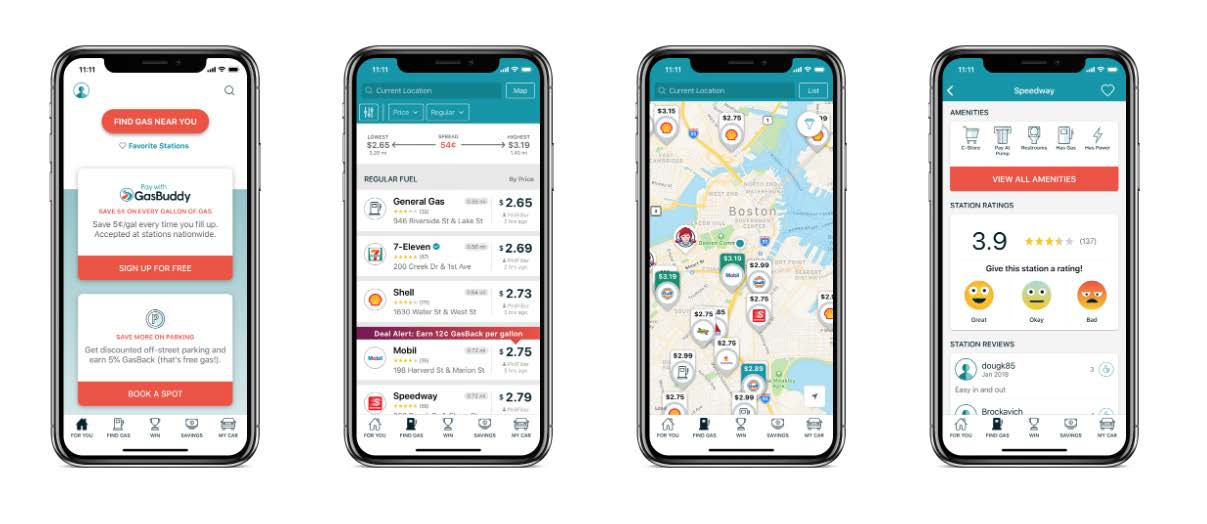
GasBuddy helps you manage your transportation costs, making it a great app for contractors on the go. It’s a simple, effective way to cut costs and stay on top of fuel spending to ensure your business thrives.
Use GasBuddy to locate the cheapest gas prices, track fuel expenses, and improve efficiency with smart driving tips.
GasBuddy’s top features include:
- Gas price charts for historical gas information
- Gas station price heat map for an overview of gas prices in your area
- Fuel insights for specified regions
5. QuickBooks Online: Best for accounting
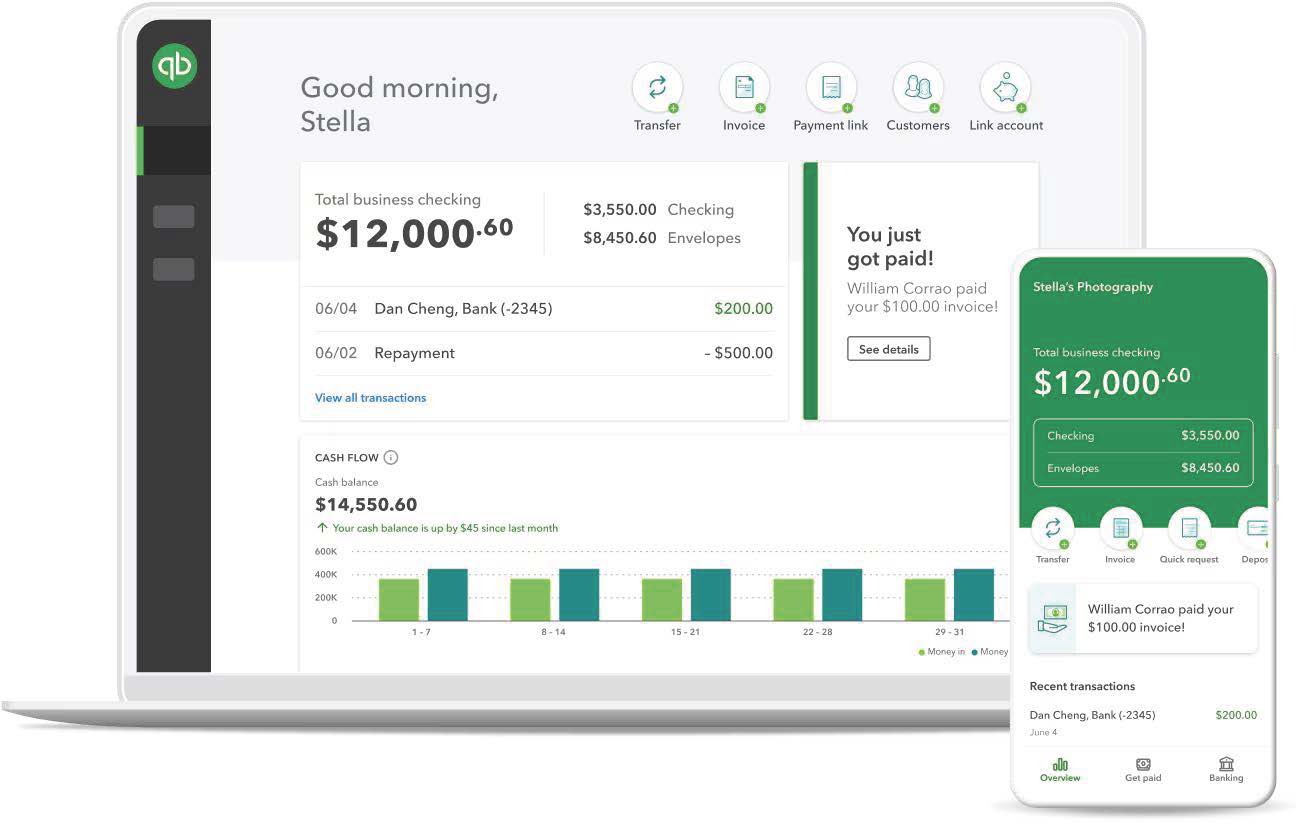
QuickBooks Online is one of the best apps for contractors looking to better manage their finances.
QuickBooks simplifies how you track your business expenses, payment, payroll, and more. Track payments from clients alongside payments to independent contractors or employees, all in one place.
Accounting software and operations software serve different purposes. Your accounting system acts as the financial source of truth while your operations software manages the day-to-day work of running jobs. Keeping these functions separate lets each platform do what it does best.
That said, while QuickBooks excels at accounting, it’s not designed to manage day-to-day field operations like scheduling jobs, dispatching crews, creating quotes, or communicating with customers.
That’s why many contractors pair it with an operations platform like Jobber, which handles customer and job management, while QuickBooks manages your books.
With Jobber’s QuickBooks Online integration, customer information, invoices, payments, and other financial data automatically sync between both platforms. This eliminates duplicate data entry and helps keep your records accurate.
QuickBooks Online offers features that help you:
- Create custom professional invoices quickly.
- Track expenses in one place and digitally store receipts.
- Simplify payroll by tracking wages, hours, and tax deductions.
6. Slack: Best for team communication
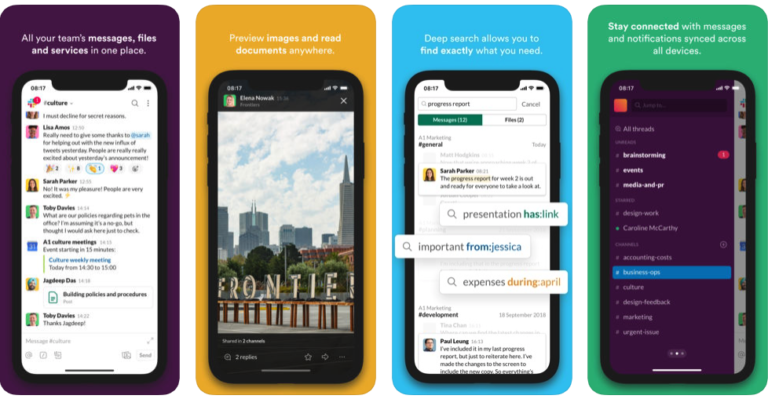
Stay in touch with your team while they’re on the job using Slack to communicate via text, audio, or video. You can organize your conversations by creating different channels with different employees, or for different clients and projects.
Slack provides features that let you:
- Create dedicated spaces for specific projects, crews, clients, or topics to keep important information easy to find.
- Send quick updates, share documents and images, and collaborate with your team without relying on email or phone calls.
- Start quick voice or video conversations with team members to resolve issues without scheduling a formal meeting.
7. CompanyCam: Best for documenting jobs
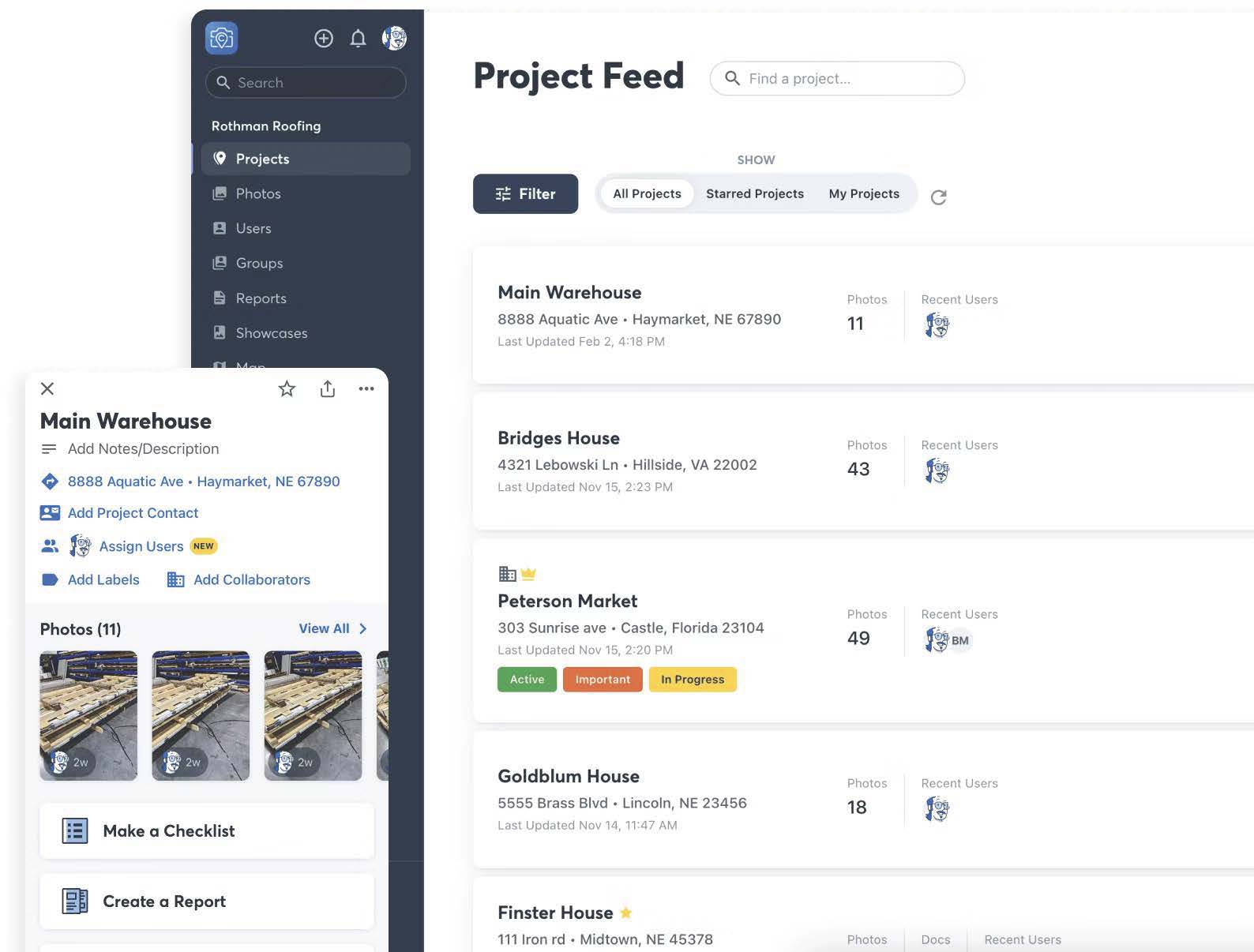
CompanyCam lets you take, organize, and annotate job photos that you can share with your clients to keep them in the loop.
Take photos throughout the job to show project progress. You can also take before-and-after photos and add them to your invoices to showcase your work.
For your team, add comments, tags, or voice notes to images to show your construction crew what work needs to be done. All photos taken in CompanyCam are instantly time-stamped, saved by location, and visible to the whole team.
Use Jobber’s CompanyCam integration to share photos on jobs and invoices directly in Jobber. For example, your field worker can take a photo of a completed repair, damage found on-site, or a project milestone in CompanyCam.
That photo is then linked to the corresponding Jobber job, where your office team can view it alongside customer details. This makes it easier to keep customers updated, create accurate estimates, and maintain a complete project history without manually uploading photos.
8. Jobber Campaigns: Best for marketing your contractor business
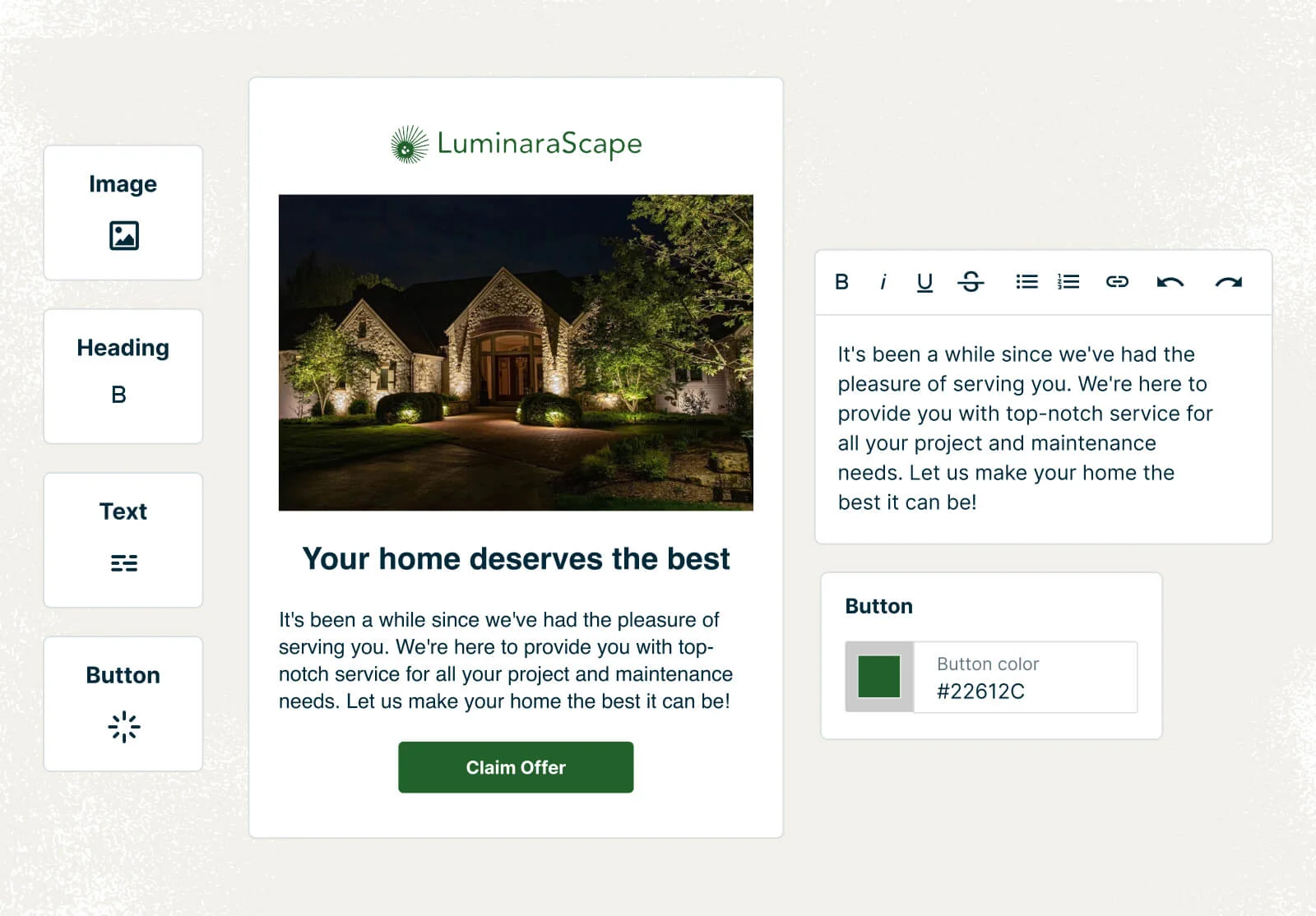
Email campaigns are one of the best ways to stay connected to clients and get more contracting jobs. Jobber Campaigns helps you promote your business by creating and sending professional email campaigns to your current and potential clients.
Choose from several pre-made templates and customize them with your construction company’s name and branding.
After editing your email with details about your services or promotions, you can segment your customer list to send targeted messages to the right audience. For example, you can:
- Automatically send seasonal maintenance reminders to customers.
- Send review request emails after completed jobs to generate more online reviews.
- Use reactivation campaigns to reconnect with customers who haven’t booked your services in a year or more.
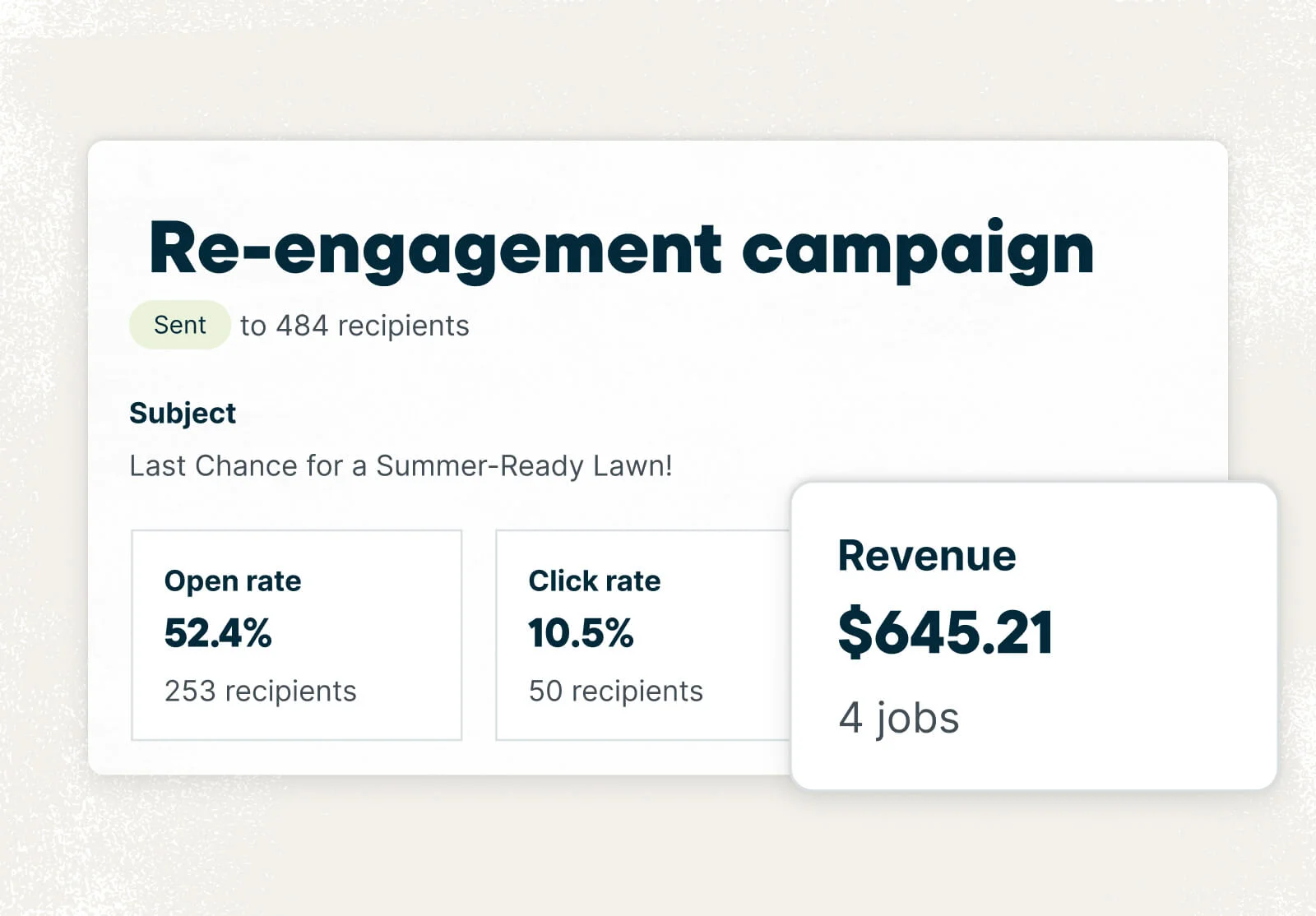
Finally, track your success from a simple dashboard. For every campaign you send in Jobber, you’ll see how many customers opened the email, clicked on a link, and converted into booked work. This makes it easy to measure your success and refine future campaigns.
9. Thumbtack: Best app for finding new jobs
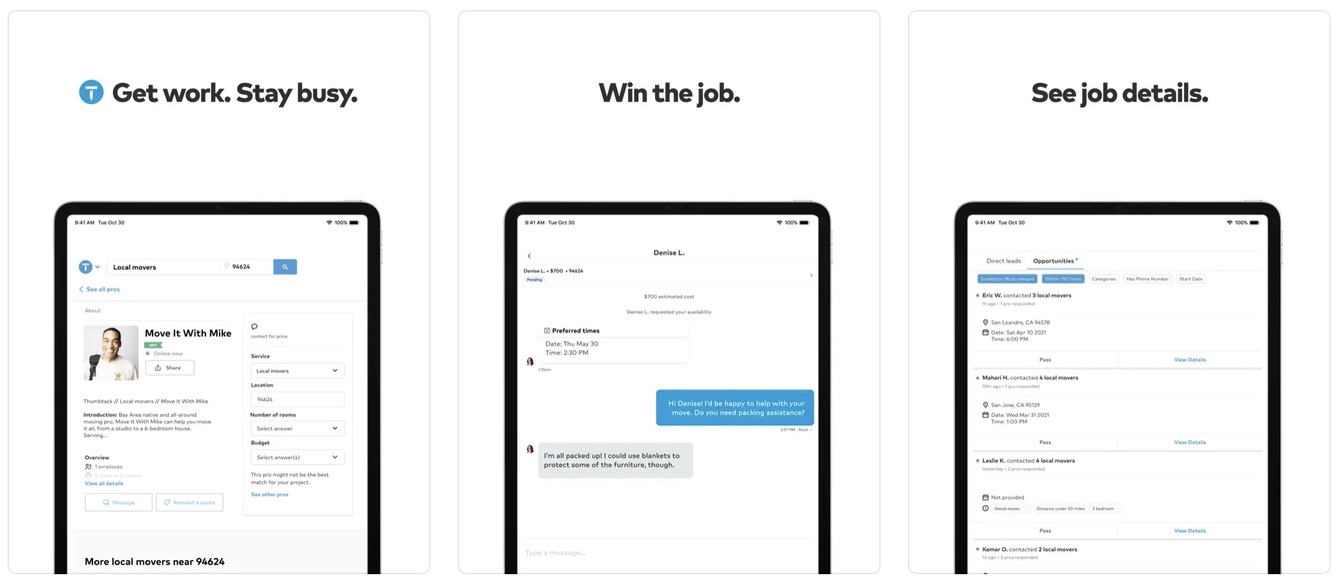
Thumbtack is one of the best apps for contractors to find work. This lead generation app matches contractors with homeowners looking for a range of services, from small handyman tasks to full-scale renovations.
READ MORE: Thumbtack competitors for service providers
To use Thumbtack, you need to create a profile so customers can find you. Customers enter information in the app about what type of work they need done, review contractor’s ratings, then request a quote from their desired company.
Once you and the client agree on a job price, you’re free to start the job and handle it from there.
Thumbtack for contractors can be an effective way to fill gaps in your schedule, especially if you’re a newer business looking to build a customer base or expand into a new service area. However, it’s important to weigh the costs and competition.
Depending on your market and location, lead fees can add up quickly, and homeowners often request quotes from multiple contractors. This makes low response time and strong customer reviews essential to winning work.
Other contractor software worth considering
Not every contractor needs the same software. Depending on your business size, trade, and workflow, one of these honorable mentions may be a better fit for your specific needs.
Contractor+: Best for small contractors and startups
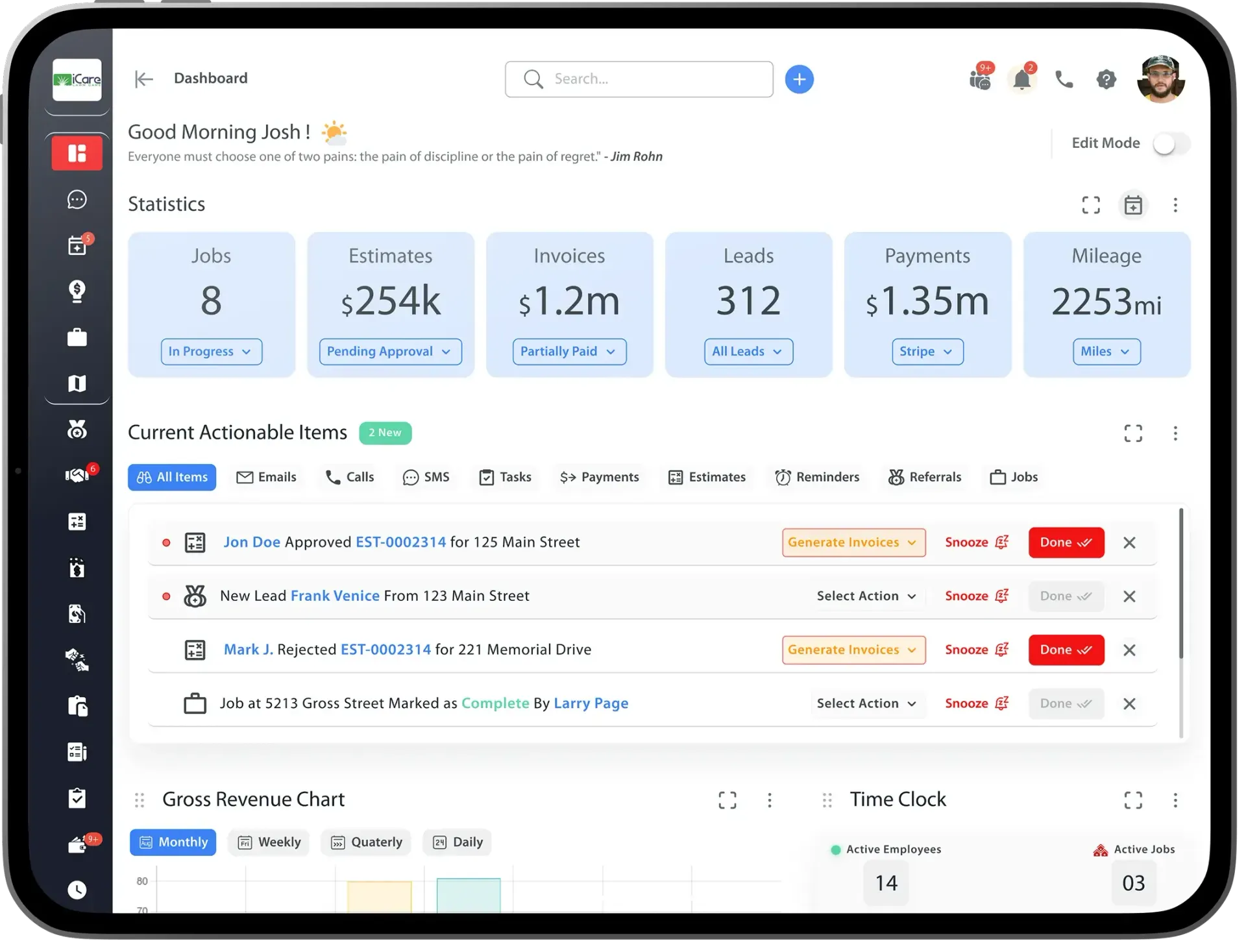
Contractor+ is an affordable all-in-one app designed for independent contractors and small businesses.
It includes estimating, invoicing, scheduling, expense tracking, and customer management. These features make it a good option for owner-operators or construction companies that are just getting started.
Connecteam: Best for managing field crews
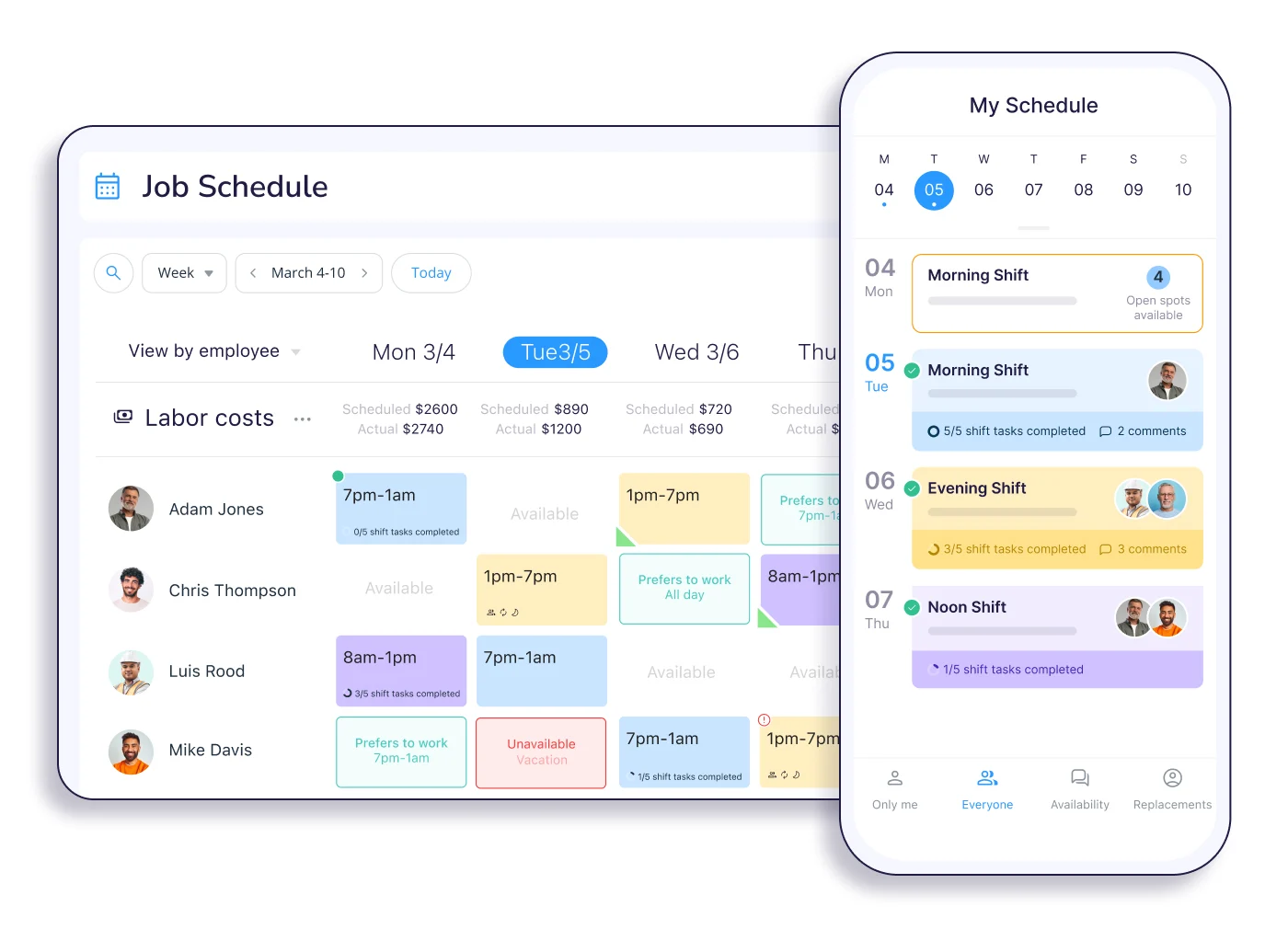
Connecteam focuses on workforce management rather than customer or job management. It helps contractors schedule employees, track time, communicate with crews, assign tasks, and manage training from a mobile app.
It’s a good choice for businesses with large field teams. That said, you’ll likely still need separate software for quoting, invoicing, CRM, and customer communication.
ServiceTitan: Best for large service contractors
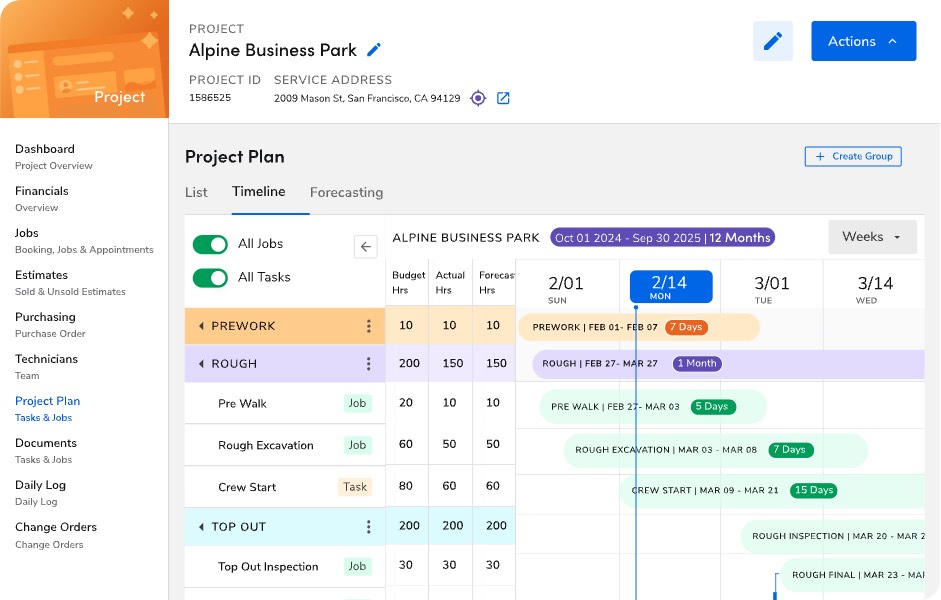
ServiceTitan is an enterprise-grade platform built for larger residential and commercial service businesses with multiple crews and high job volume. It offers advanced dispatching, reporting, call tracking, sales tools, inventory management, and business analytics.
While it’s one of the most comprehensive contractor platforms available, its higher cost and implementation requirements can be more than smaller businesses need.
How to choose the best construction app for your business
The best apps for general contractors are apps that make your job easier. When picking a construction app, start by identifying your biggest challenges to help guide what you are looking for:
- Do you want to attract more clients?
- Are you looking for the best contractor estimate app?
- Do you need an app to strengthen team communication?
READ MORE: What does a general contractor do?
No matter what your biggest challenges are, look for an app that solves those problems without adding complexity. Consider the following:
- Business size: Consider whether your construction company manages only one major job at a time, or whether you are juggling multiple projects. You should also factor in the number of construction workers on payroll.
- Job types: Consider whether your construction crew is busy building new homes, renovating old ones, or anything in between. From there, figure out what tools you need to simplify project management.
- Ease of use: To get up and running quicker, choose construction apps that are easy to use and have good customer service to support your transition.
- Your other software: To create a smooth system, you’ll want to choose tools that integrate with the apps that you already use.
Read reviews from other contractors in your trade and test out free trials when available. Throughout the process, keep in mind that the best apps for contractors should save you time, reduce errors, and help your business run more smoothly on and off the job site.
Free trial checklist
Many contractor software companies offer a free 14-day trial, so use that time to test your actual workflow instead of just clicking through features. During the trial, try completing an entire job from start to finish:
- Create and send a quote.
- Convert the approved quote into a scheduled job.
- Assign work to a crew member and test the mobile app in the field.
- Track time, job notes, or photos while work is in progress.
- Generate an invoice and collect a payment.
- If available, test integrations with tools like QuickBooks or CompanyCam to make sure data syncs correctly.
Red flags when evaluating contractor apps
When testing apps, watch for warning signs that could create headaches as your business grows, including:
- No mobile app or a poor field experience, making it difficult for crews to access job information on-site
- No QuickBooks integration, which can lead to duplicate data entry and more accounting work
- Unexpected per-user pricing, where costs increase significantly as you add office staff or field employees
- Limited integrations that force you to rely on manual processes
- Missing core contractor features like scheduling, quoting, invoicing, CRM, or job costing
Find the right contractor app for your business
The right contractor app can make your team more efficient, your workday smoother, and your business more profitable. Starting your search for the best apps is simple: try a few options, see what fits your workflow, and build from there.
Originally published in May 2025. Last updated on August 3, 2026.
Frequently Asked Questions
-
For a construction business, you’ll want to use a mix of apps that cover key areas like:
• Project management
• Scheduling
• Estimating
• Accounting
• Communication
Look for tools that help you manage tasks and teams in real time, keep track of job costs and invoices, and store important documents like blueprints and contracts. -
The best apps for independent contractors offer features that save time and reduce errors, such as:
• Real-time communication so you can keep clients up to date on their project’s status
• Easy scheduling to assign jobs, dispatch crews, and avoid double bookings
• Job costing that lets you track labor and materials to boost profitability
• Document management to store contracts, plans, photos, and permits in one place
• GPS tracking to monitor crew locations and improve dispatching
• An app so you can that manage jobs from anywhere using your mobile device
• Offline capabilities so you can access job information without an internet connection
• Integrations to create a smooth system and reduce manual data entry -
Yes! The best apps for contractors integrate with common tools such as accounting software and lead generation apps. For example, Jobber integrates with several apps you may already use, including:
• QuickBooks Online
• Docusign
• Thumbtack
• Mailchimp
• Zapier
READ MORE: Popular Jobber + Zapier integrations to save hours of work
With these integrations, you can turn Jobber into an all-in-one platform that serves as your home base for business operations. -
Jobber is the best all-in-one app for contractors because it combines quoting, scheduling, CRM, invoicing, payments, and customer communication in a single contractor scheduling app.
However, if you primarily manage large commercial construction projects with complex drawings and subcontractor coordination, you may need specialized project management software alongside it. -
Free contractor apps can work for solo operators or businesses with basic needs. Free tiers and tools like estimate templates and invoice generators can help you stay organized without a large upfront investment.
However, as your contractor business grows, you’ll eventually need a dedicated contractor invoice app and operations platform that includes scheduling, CRM, payments, and automation. -
Many contractors use lead generation platforms like Thumbtack to connect with new customers while also investing in platforms like Jobber Campaigns for email marketing.
You might also want to consider apps to expand your business’s reach, such as:
• SEO (search engine optimization) to help your website to appear higher on search engines
• Referral programs to gain more business through word of mouth
• Online reviews to highlight customers who loved your work and give new visitors confidence before they book -
Construction apps typically focus on project management features like plans, punch lists, and document sharing for large construction projects. Contractor apps, on the other hand, are designed to help service businesses manage customers, scheduling, and billing.
Many contractors use an invoice app and business management platform alongside construction-specific software to cover both operational and project needs.
However, to boost efficiency, you might want to consider an all-in-one platform like Jobber. It easily integrates with your other tools to create one platform where you can manage your business.