 25 Minutes
Stop Promoting Your Best Tech: How to Build Real Leaders
With Sadi Ingallina and Rich Camacho


-
Rich (00:00):
They don’t need to learn everything at once. Our company, we have quarterly board meetings. You’re going to need to know that in three months from now. It’s not going to be something we’re going to handle day one. These are the baby steps and I think it’s too easy to forget that that move to the office is just like that move in the field. And so it just slow things down a little bit.
Adam (00:21):
We’re talking about one of the biggest mistakes that small business, especially in the home service industry make, which is promoting a great technician into middle management. There’s a lot of issues there. Sometimes it works. A lot of times it doesn’t work. We’re going to get into all that today. Sadi, Rich, thanks for being here.
Sadi (00:40):
Yeah, of course.
Rich (00:41):
Thanks so much for having us.
Adam (00:42):
We all know that a lot of times this fails. We have a great technician. He’s bought in and he does his job so well. He’s reliable. He’s friendly. The clients love him. Everybody loves him. And well, I guess the next track is management. And then we wonder what happens six months later. Have you guys ever experienced this before?
Sadi (01:00):
I have obviously gone through a lot of people and had a lot of challenges in order to find the right fits. It’s not one for one. It’s definitely trial and error and you’ll get one golden goose out of maybe 10, but it’s how I’ve built essentially my whole business. My operations manager started as a groundsman and in seven years he’s in large part due to his own work ethic and integrity has built up quite a staff under him. But it did come with some training on the management side and me helping him kind of learn how to best do that.
Rich (01:33):
And I failed at it miserably in the beginning. So I can give you all the things of what not to do.
Adam (01:38):
This is perfect. We have an expert. We have two boat heads over here.
Sadi (01:42):
When we walked in, he’s like, what are we talking about?
Adam (01:44):
Switch seat for a second. You tell us how to.
Sadi (01:46):
I was like promoting our techs. He’s like, That never works.
Adam (01:51):
So Sadi, you’ve done it a lot of times, this one guy you mentioned, you started out. Give us some pointers. How did you make that transition happen well?
Sadi (01:58):
Trial and error, like I said. We at first promoted the wrong guy and that led to crew members working against each other and eventually working against management. And that was a tough lesson to learn because we’d already invested a couple of years into this guy and I didn’t realize the effect of having a toxic environment. It’s just a little bit too much ego, no responsibility for a mistake being made. So those are the things that I’ve started to look for in people and how they respond to a long day or a hard week or a hard winter. The way people react to that will show their true character. You don’t see it in a week. You don’t see it in even a few months. It takes time to be able to see that.
Rich (02:45):
Yeah. One of the biggest mistakes I made was assuming that everyone wants to just climb that ladder. Some people are perfectly happy, perfectly content. I love the role that I’m in. I love interacting with people. I don’t want to be a manager. And I think that is completely early kind of negligence of my company leadership is not realizing, hey, not everyone wants to do those things. Some people, hey, I want to become an HVAC tech because I want to be an HVAC tech to the day I retire. Awesome. You’re going to be a really, really good HVAC tech one day. I don’t want to decide what the sales quota for this quarter is.
Adam (03:22):
I don’t want to track KPIs. So then how does it start? You just ask the person if they want it or not? I mean, is it that simple?
Rich (03:28):
Yeah. One-on-ones. Yeah, one-on-ones. Early Rich Camacho CEO was really, really bad at one-on-ones.
Sadi (03:34):
I have just found when you invest in a good person, when you find a good person and you start providing them the guidance or giving them the possibility of, Hey, look, there’s expansion here. If you want it, it’s here. Just have to let me know where you’re at. And it’s touch and go. Sometimes you get people that really respond well to that and they are ambitious and they’ll take on the extra work to show you. And then you have people like, I just want to climb trees.”
Rich (04:02):
I think one of the big areas is knowing what motivates them because in a lot of times, I think we’ve all heard the whole never promote your best salesperson into your sales manager because way too often,
Adam (04:12):
I’ve heard that, yeah.
Rich (04:13):
Whoa, what happened to the sales numbers? They look terrible. Oh, it’s because Sally was out there with customers and she was doing an awesome job. Sally’s no longer with customers and she’s not motivated at all whatsoever.
Adam (04:24):
She’s miserable.
Rich (04:26):
She just doesn’t care anymore. One of the issues where I saw was some people are motivated by money and oftentimes going into a management role is actually an initial decline in compensation. People have to understand that this is all part of growing that ladder and not all steps are forward. I found that that was a huge in that 30, 60, 90 kind of buildup window like, Whoa, my paycheck is smaller this month than it was last month. But you say I got promoted and boom, that just destroys the person.
Adam (04:57):
How do we build that relationship with our people? I mean, I think it’s through conversations with them and building a relationship. So how do you do that? Let’s get into that little more nitty gritty.
Sadi (05:06):
For us, it is just multiple conversations around the topic and planting the seed. That gets them thinking with things that they’re not normally thinking with. Then when you go to address it, because you’ll read their response, you’ll see they’re like, Oh, hell no, I’m not doing that. Or they’ll be like, Tell me a little more.
Rich (05:25):
Go on.
Sadi (05:26):
Yeah, exactly. You will be able to just tell, even just off of body reactions or eye rolls or a slight smile, you’ll be able to see if you’re headed in the right direction. Trying to fit someone into a role that they have no interest in or don’t want to do long term, it doesn’t help small businesses because you want to invest in somebody that’s going to be with you long term.
Rich (05:47):
Casual conversation, that’s part of being human. If you can’t have conversations constantly like that with your employees, you’re not really a team. But what I found was that that was actually failing to really bring out the true long term goals that employees had. And so what I eventually, after screwing up multiple times at this, eventually did was like, Hey, I’d already been doing this in the military and I just stole something from the military where with your junior folks, you have them come to an official one-on-one and you say, Hey, what are your three goals that you have in the next quarter, year, five years? And they have to jot those down. And then you also ask them, What are your three biggest accomplishments since the last time we met for one-on-one? And it’s really telling sometimes. When you’re like, Wow, that’s what you think your three biggest because these are my three biggest and these two are actually hurting the company who are detrimental.
Adam (06:42):
So true.
Rich (06:43):
We really got to focus in on this. And that is what I have found that since failing, I was like, Wait, why did I try to build something new? Just take what has been tried and true. And it’s really, really eye-opening, especially when it’s like you’re completely on two different pages. And at the end of the day it’s like, okay, clearly I’m screwing up because those casual conversations are not getting through enough.
Adam (07:05):
What about the people who God help them? They just don’t know. The people that are in the middle, the gray area, the ones that want to test the waters, but they’re not really genuinely sure. This is more common in harder laborious jobs. The harder the job is physically, I think that a lot of them are thinking, well, long term, how long can I do this and be happy about it? Which is a very realistic thing people think about in our world. I guess I have to do management because I have to become a manager. How do you work with those people?
Sadi (07:37):
Depending on the scenario, I’ll test it a little bit, give them a smaller job to lead, give them a little bit more responsibility, something that’s low risk on my end, but also you need to be able to lead and manage in order to accomplish the task. Seeing how they do on that, if they do well, give them a few more. If they don’t, you kind of have your answer. If it’s low level and they’re not making it, then that’s probably it.
Adam (08:01):
In the tree world, what could that be?
Sadi (08:03):
Yeah. I mean, that would just look like a small, a quick job that requires no climbing, maybe a few pull clips, and all you have to do is engage with the customer, collect payment and not hit anything on the way out.
Adam (08:15):
A little admin, a little customer interaction.
Sadi (08:17):
Yeah, but very little on the admin.
Adam (08:20):
Any leadership in there, telling guys what to do or?
Sadi (08:22):
Very minor. They’ll have one guy with them at most. I really look for communication with the clients. That’s a big, big deal. You need to be able to have the awkward conversations, like if the scope of the job is going to change or if they’re giving you a little bit of crap for payment or whatever, you have to be able to handle that or at least refer them in the right direction. And sometimes people will completely not even check with the customer for payment because there’s no ability to have that conversation, which that stuff can be drilled and it can be,
Adam (08:56):
It can be taught.
Sadi (08:56):
It can be taught.
Adam (08:57):
For most people.
Sadi (08:58):
Yeah. But you do have some extremely reclusive people that just don’t want to have any engagement with customers and that is a lot harder to grow with.
Adam (09:06):
Alright, this is great. We’re going to keep talking about management in a second, but let’s come back to that. I want to talk about Jobber and why you guys and why I like Jobber so much. Sadi, what about scheduling and all the things that Jobber offers with scheduling? How has that changed your business?
Sadi (09:19):
It makes it a hundred percent easier with all the call-outs that we have or last minute changes on the schedule. I have a couple quick clicks on the mouse or pad and everybody can see the updated schedule. So without that, without that flexibility, I do not know what I would be doing.
Adam (09:35):
What about you, Rich?
Rich (09:36):
One thing I really love is if you’re going to do an awesome hiring strategy like Sadi’s doing at her company, go to the Jobber Marketplace. You’ll see BlueRecruit there, click on it and you can use us completely for free for up to a month. Go follow Sadi’s path and go hire some great techs.
Adam (09:50):
Nice. Yeah. If you’re not using Jobber, you need to. Go to jobber.com/podcastdeal. Get the exclusive discount, start your trial, and start building your business on a platform that works. Get Jobber today.
(10:04)
One of the characteristics I look for among my technicians is, do people like them? I mean, if you’re a manager, you have to be liked. Now, it’s not all about being liked, everything, respect. But if you’re well respected among your peers, because remember, we’re going from technician to management, managing the technicians that you were just working side by side, that you were peers, now you’re their boss. You have to command the room, so to speak, or at least have some flare with that that can be developed in true respect. Do you agree with that, Rich?
Rich (10:34):
I think Michael Scott nailed it. He wants to be afraid of how much his employees love him. I mean, boom. The Office taught us all, forget this episode. Just watch all nine seasons office.
Adam (10:45):
Michael Scott’s all you need.
Rich (10:46):
You get it. We started doing this about five years ago, was it didn’t matter what your role was in the company, at least one time per year, everyone was going to go to a trade show in our industry. And we found that that really helps open people up. And one, they meet all kinds of customers, potential customers, other people in the industry. They learn new things. You’re interacting in obviously a much different setting than the office or the field. And we really found that that was super motivational, especially for the more younger people to just learn the industry. And the cool thing about our industry is that there’s trade shows and organizations now for everything.
Adam (11:24):
Sure.
Rich (11:24):
You can send your lawn crew out there. There’s arborist shows. It’s unbelievable how much is out there. We really found that that was a really good way of just kind of opening up the amount of knowledge that people were being exposed to. And then also just seeing their interactions with especially potential customers, that really gave us an insight as to, oh, this person might actually have some potential down the road for a higher level position.
Adam (11:48):
I did that. I sent one of my team members to a training, like a two-day training for something, and the organizers of the event were like, Man, that guy you sent was sharp. That’s a good sign.
Sadi (12:02):
Oh yeah, absolutely.
Adam (12:03):
Getting that feedback from the organizers told me, that was a symbol, a sign that this guy could go far with us if we continue to develop and all that. One thing I’m routinely surprised by is just the gap of technical skill when it comes to computers. You take someone out of the field from trees or gutters or wherever, and they may not have any idea how to use a computer. And us office dwellers, we can become completely oblivious and naive to that. If you don’t check that box of training and of getting them up to speed on that, they will flop and they will feel like failures and they shouldn’t feel like failures.
Sadi (12:44):
Yes, I agree with that. I mean, our operations manager, incredible, incredible guy, one of my favorite humans on the planet, but I did have to teach him how to use a copier last week.
Adam (12:55):
Right.
Sadi (12:56):
I thought he was joking when he asked me and maybe part of him was and part of him wasn’t, but it’s one of those things you do have to make sure he’s checking his email and I’ll be like, Hey, did you get that email? And he’d be like, Oh no, shoot. Let me open my phone. I’m like, Hey, we got a computer right over there if you wanted to open it. And he doesn’t even look at the computer. He’s got it down on his phone, which to me is okay. His job is made easier significantly with Jobber for sure. And so he can operate it from his phone and there’s not a whole lot of sitting at your desk, which is great.
Adam (13:28):
Which is good for a lot.
Sadi (13:29):
Which is really great. I can help him with any of the other admin stuff because yeah, it’s just a super hard conversion to go from field to office and it’s a very real situation.
Rich (13:39):
They don’t need to learn everything at once. Our company, we have quarterly board meetings. You’re going to need to know that in three months from now. It’s not going to be something we’re going to handle day one. These are the baby steps. And I think it’s too easy to forget that move to the office is just like that move in the field that you didn’t have that brand new person climbing. You said, Hey, we’re going to go out there and just do some clips. And so it just slow things down a little bit.
Adam (14:04):
There’s someone listening right now that has someone in this position that they have started the transition, so to speak, from in the field to management, and it’s not going the way they thought it would. Is starting the transition a commitment to doing the actual promotion? Or is there like, Hey, this isn’t a stone yet, man. We’re just going to try it out and see. How do you balance that? When you get engaged, it can feel like, Well, now we got to get married. No one ever really calls that off, right? When you commit to someone to start training them for management, it’s hard to pull back and be like, Nevermind.
Sadi (14:41):
But I feel like that other person receiving the training or whatever, if it really isn’t going well, will know. They probably know at the same time. They’re not going to feel good about their work. They’re not going to enjoy it. But I have seen a lot of times when I try to bring on somebody new in the office, if you don’t give them your time or somebody who knows what they’re doing, their time to train and to hat and to walk them through all the nuances and the platform, then you’re not giving them the fair opportunity for the job. So it really depends on how long you’ve been trying to train them, what extent of training you’ve gone through. And then I think you can be able to know, is this person really just not cut out for it or can I improve my training process so that they can succeed?
Adam (15:24):
Is the transition training process secret from everyone else or does everyone know that John’s going through this training?
Rich (15:31):
I like to be open about it. I like to treat it the same comparatively to youth athletics. My son two years ago was like, Hey, I want to try baseball. I was like, Cool. My son will never be in the MLB. That is a fact. A couple weeks in, he’s like, Dad, I’m not good at this. I was like, I’m not going to lie to you. No, you’re not. You’re not good at this. However, we signed you up for a season, you owe it to your teammates to go through that. And who knows, maybe six weeks in he would’ve gotten better. He didn’t. But at the end of the season, he’s like, Hey, I’m not going to play baseball again. Totally agree with you. Totally fine. But at least he went through that phase, through that training. And I think it’s the same as that kind of initial training into management. I think at the end of the day, it’s a healthier kind of breakup from management because that technician’s going to stay with your company. They realize that’s not for them. Maybe down the road there’s going to be another role. Thankfully for my son, it’s MMA and not baseball. But same for that tech. Hey, you know what? You’re not going to be that manager, but now for all the big jobs, you’re actually our guy or our gal that’s going to do those significant jobs because you are the best.
Adam (16:37):
Make sure to grab our team readiness checklist download to put everything we’ve talked about today into practice and into action. Scan the QR code on the screen or just download it from below to start getting these things put into practice, get your copy today.
(16:53)
What about the cynical person out there who says something like, I don’t want to spend all this time training them up and they’ll just jump ship, go somewhere else. I hear that a lot. I hate to say it, but the cliche is like, well, you can’t afford not to, you got to train it. You just got to, which that’s how I feel. But do you guys have any other nuanced ways of looking at that?
Sadi (17:15):
So when I hire, we primarily hire at the most basic level for groundsmen. Preferably they know nothing and then they’ve never worked for another tree company in their life.
Adam (17:25):
Preferably, yeah.
Sadi (17:26):
Preferably. So when I bring somebody in, they go onto a career path. Anybody, no matter what they start at or where they start, they’re going to be on this career path. The whole checklist is built around building them into a certified arborist and building them into being able to be in sales or in management, but there’s so much criteria that they have to meet in the lower level that they will fall off before. You won’t have to ask yourself, is this person going to make it or not because they won’t make it to level two or level three.
Adam (17:56):
They’ll filter themselves out more or less.
Sadi (17:58):
Yeah. Yeah. And it kind of happens naturally without taking too much executive time because some of it is really basic and some of it doesn’t need your time. It just needs time spent on the crew or time spent on the job. And you’ll see, are they showing up on time? If you have somebody that’s consistently late, unless they make a massive change, they’re not going anywhere.
Adam (18:18):
That ain’t changing time soon. No. Okay. So punctual, what else? What are some of the low hanging fruits that you’re looking for?
Sadi (18:23):
How they respond to a long day.
Adam (18:26):
Okay. You mentioned long winters too.
Sadi (18:28):
Long winters, yeah. Because winters are not fun for any tree service that I know. When people call out, it’s not a good indicator. How am I supposed to rely on you? It’s not like we are this corporate company where the work can just get pushed off tomorrow. No, we’ve got other clients tomorrow. This person needed service today.
Adam (18:47):
I also think on the flip side, how someone else responds when someone else calls out. If Jake calls out and John’s like, we got this though, positive, pulling the crew along, that’s a good sign.
Sadi (19:00):
Huge.
Adam (19:00):
Versus like,
Sadi (19:00):
Can’t be done.
Adam (19:02):
Now we can’t do it at all. We don’t want to hear that, please. It’s probably not even true.
Sadi (19:06):
No, and it’s not. And that’s the exact reason Luke, my operations manager, has gotten to the point where he is because that happens all the time. It’s a weekly thing and it’s always like, how can this be done? What can we do? And him and I will brainstorm and rearrange the schedule to make everything work with the equipment that we have. But then if you have that one guy that’s just sitting there, can’t be done. There’s no way. Even if they go to the job and they start saying that out loud, it infects the entire crew and then they don’t get it done. But somebody who starts off saying, Oh yeah, this might suck a lot, but we’ll make it work. It’s night and day, the difference in that mentality.
Rich (19:44):
Sadi, I absolutely love the way you’re doing your hiring because that is exactly how, especially a small business needs to be doing it. If you’re not hiring those basically complete green junior folks and developing them up internally, the answer to the cynic is your company’s not going to exist in five years. I’m 41 and my left shoulder just hurts. I don’t even know why. It just hurts. And yeah, my climbing days are over. One day that owner, you’re not going to be able to do it either. And if you’re not hiring young, developing, they’re not going to exist. It’s on the owners, those senior managers to do exactly what you’re doing and developing folks because yeah, cool, you can hire somebody who has been working at three different tree companies in the last three years. You know the end of that story.
Sadi (20:28):
Yeah.
Rich (20:28):
It’s going to be the fourth tree company in four years.
Sadi (20:32):
Another one on the resume.
Rich (20:34):
There’s no point to it. You have to develop. You have to hire junior and develop internally or you’re not going to exist in five years.
Adam (20:42):
The biggest shift I think for a person going from technician to management is the shift from I get results to my people get results. As we close, how do we teach that? Because that is not an easy transition. We have to teach them a bigger mindset. Hey, now it’s different now. You’re not swinging the hammer anymore.
Sadi (21:00):
For me, I physically remove the person from the job and force them to handle it from the office.
Adam (21:06):
You take the hammer out of their hands.
Sadi (21:07):
Yeah. I take it out and I move it. No, I mean, because that’s the simplest thing is removing them from the space because then they’re forced to think and figure out how to get somebody else to do it. And then when they don’t do it, reiterate and then check in to make sure that it got done and then check in again. And that’s how you learn.
Adam (21:26):
Yeah. My buddy Cory, he’s an electrician and he’s got a good staff. He let his license go so that he wouldn’t be tempted to ever get back on the tools. That’s legit, right?
Rich (21:37):
That’s burning the ships.
Adam (21:38):
That’s burning the ships. And we have to teach some degree of that to our team as we develop them.
Rich (21:44):
For me, it’s kind of like we have them at church too. We transitioned it. I have an accountability partner and I’m lucky enough that in our company, my CEO is also my wife. And obviously we have the relationship which she’ll tell me, you have to effing stop doing that. There’s no other way because we’re never going to see it in ourselves because it’s always easier. Yeah, I could have jumped out there and hit the ball for my son, but no, I have to just watch him as the ball’s just passing him. And it’s the same thing at work. It’s, Hey, you need to stop. That’s not your job. And having that trust with somebody else in the company that they’re going to be able to call you out because we just can’t see it in ourselves.
Sadi (22:23):
Sometimes I’ll ask really dumb questions too, just to be like, Oh, well, why did you do it that way? What else could have been done? I’ll play dumb to get them to think so then they can realize, Oh yeah, that was probably not the smartest decision. And I find that to be most effective because yeah, I can tell somebody all day what to do, what to do, but then I’m thinking for them and I did that. It’s exhausting because then you have to think, wait, did I tell them to do that? So I prefer to just encourage, play dumb, encourage them to think for themselves and then eventually come to their own conclusions.
Adam (22:55):
Alright guys, rapid fire round here. I’m going to ask you questions. Just give me your best answer. Rich, what is the number one technical skill an owner should look for in an employee that you might promote into a management role?
Rich (23:07):
Nowadays, the answer has definitely changed in the last year is the ability to utilize technology like AI to give them in the field answers to questions that we just don’t know.
Adam (23:18):
Sadi, what’s the number one thing you look for in an employee that wants to go into management?
Sadi (23:22):
Honestly, it’s how they treat their fellow crew members. I once was giving one of our guys a bonus for getting a job done quickly because he was the lead and he asked me if he could split it with his crew. That just right there, I knew.
Adam (23:38):
What’s a red flag that you might see in a manager who isn’t doing a very good job as a manager?
Sadi (23:44):
People don’t respect them. People don’t listen to them. When you ask something to get done, you have to follow back several times and it’s usually still not done.
Adam (23:51):
Rich, what’s the best question to ask in a one-on-one?
Sadi (23:53):
I always like to just ensure that everything is good at home because if things are happening at home, whether I can assist or not, that’s going to just. No one can do their best if something’s going on at home.
Adam (24:07):
Alright, last question for both of you guys. What time do you wake up in the morning and what do you do first?
Sadi (24:12):
5:30 AM, I get coffee.
Adam (24:14):
Coffee.
Rich (24:15):
5:31, just in case I hit snooze because I know I’ll be up by 5:40 and because I’m getting older and my shoulder just hurts, mushroom coffee.
Adam (24:24):
Well, let’s close on that. Rich, how do people find out about you, BlueRecruit, on everything you’re doing?
Rich (24:28):
Yeah. Google Blue Recruit, bluerecruit.com and run all the socials.
Adam (24:32):
Sadi?
Sadi (24:33):
You can find me on Facebook and Instagram @growyourtreeco.
Adam (24:36):
Awesome. Well, you guys are crushing it. Thanks for being here and continue leading, continue building your companies. You’re doing a great job.
Sadi (24:43):
Thank you so much.
Rich (24:44):
Thanks, bud.
Adam (24:44):
Next week, you’ll hear the story of a young entrepreneur who turned a borrowed lawnmower into a company with 55 employees. It’s a conversation packed with lessons on growth, leadership, and scaling fast. And thank you for listening. I hope that you heard something that will help you manage and grow your team. We need to grow our team members as high as they want to go. I’m your host, Adam Sylvester. You can find me at adamsylvester.com. Your team and your clients and your family deserve your very best, so go give it to them.
About the speakers
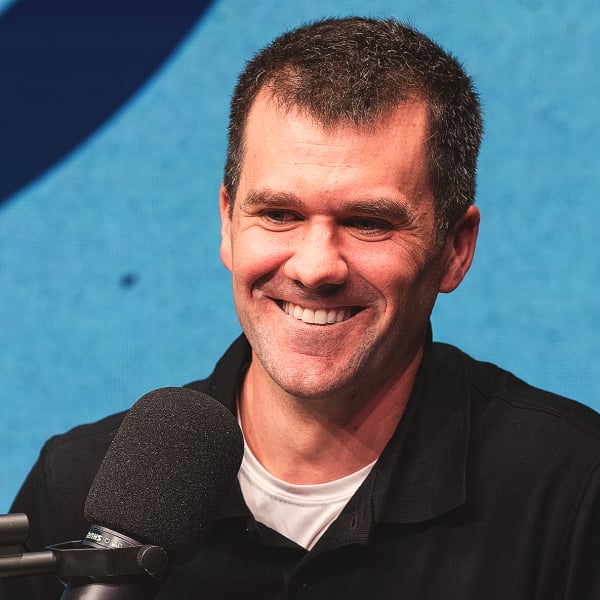
Adam Sylvester
CHARLOTTESVILLE GUTTER PROS AND CHARLOTTESVILLE LAWN CARE
Website: adamsylvester.com
Adam started Charlottesville Lawn Care in 2013 and Charlottesville Gutter Pros in the fall of 2020, in Charlottesville, VA. He likes to say, “I do gutters and grass! When it rains the grass grows and the gutters leak!” He got into owning his own business because he saw it as a huge opportunity to generate great income while living a life that suited him. He believes that small companies can make a serious impact on their communities and on every individual they touch, and he wanted to build a company that could make a big difference. His sweet spot talent is sales and marketing with a strong passion for building a place his team wants to work. Adam values his employees and loves leading people. While operations and efficiency is not something that comes naturally to him, he is constantly working to improve himself and his business in these areas.

Sadi Ingallina
Ash Tree Enterprises & Grow Your Tree Co.
Instagram: @growyourtreeco
Sadi Ingallina is the owner of Ash Tree Enterprises, an Oregon-based tree service company doing over $2 million annually. She has spent the last 8 years building it into a systems-driven operation focused on efficiency, consistency, and long-term growth.
Known for taking a different approach in the industry, Sadi built much of her company through in-house marketing, direct mail, and strong operational systems rather than relying heavily on digital ads. Today, she runs the business without being in production and helps other tree service owners do the same through her coaching platform, Grow Your Tree Co.
Her focus is simple: build businesses that don’t depend on the owner for everything.
Rich Camacho
BlueRecruit
Website: bluerecruit.us
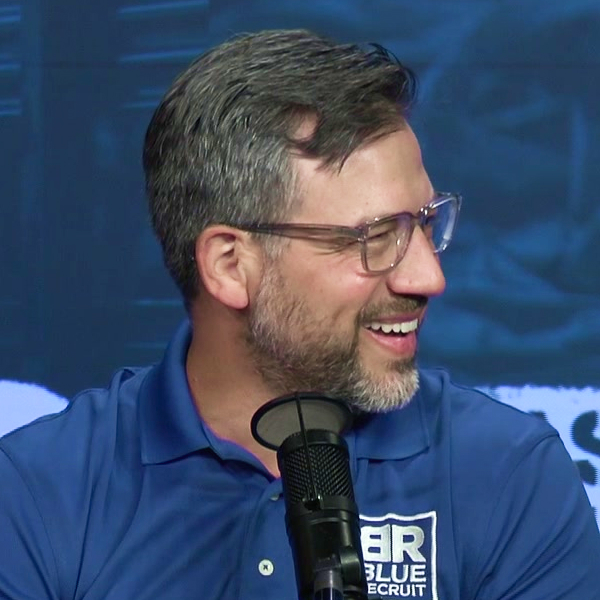
BlueRecruit is a direct hire software platform built for the skilled trades industry co-founded by Rich Camacho in 2019. BlueRecruit operates across all the US and Canada, and to date has helped nearly 100,000 Job Seekers build their careers with exceptional employers across North America.
BlueRecruit was born when Rich’s father-in-law tried hiring an autobody painter for his garage, but instead of skilled auto painters he received countless resumes for house painters. Rich knew there had to be a better way, which is why BlueRecruit connects talent without resumes or job posts.
SIGN UP FOR the masters of home service newsletter
Get monthly updates with news, tips, and advice on how to run a 5-star business. You don’t want to miss out!
Interested in being a guest on the show?
Are you a home service professional eager to share your insights and experiences? Apply to be a guest on the Masters of Home Service Podcast, and join a community of experts committed to helping others level up through knowledge.
Other Podcasts We Love