 29 Minutes
Why Franchise Partnerships Fail
With Brandon Downer and Kevin Valle


-
Brandon (00:00):
And I think it’s just open communication. It’s really special just to hear ideas, but then every single week we always end the call with, “Hey, if you need anything, hit us up.” The open communication is so helpful just to avoid any bitters. I mean, it’s like a marriage. If husband and wife,
Kevin (00:15):
Communication’s everything.
Brandon (00:15):
If we aren’t talking, then it’s not going to go very well.
Adam (00:21):
Starting and scaling a business is hard, especially in the beginning. That’s why a franchise is a really good option for a lot of people because it takes a lot of that complexity and difficulty out of the equation in the beginning. So you can have a much stronger start and get off to the races right away. My guests today are franchisee and franchisor Brandon Downer and Kevin Valle. They are both with Pink’s Window Cleaning. Guys, welcome to the show.
Kevin (00:46):
What’s up, brother?
Brandon (00:47):
Let’s go.
Adam (00:47):
Glad you’re here. So here’s the deal. I have a friend who’s a franchisee and he’s always grumbling about, “Oh, I’ve been here for 11 years and what do they do for me now? They don’t do anything for me. Oh, franchise.” That old man said.
Kevin (01:02):
Cheers to that guy. Cheers to that guy.
Adam (01:04):
This is a real dynamic, is it not? In the franchisee relationship. Tell me about that.
Kevin (01:09):
I don’t know any different. So when people are like, “Do you love being a franchisee?” It’s like, “Well, I know Pinks. I love who I’m with. I really do.” There’s certain things I feel like I’ve done within Pinks that I tell people that I’m like, “I only do this because I love our people so much. I’ve genuinely enjoyed it. I’m not saying it’s perfect. We do have opposing sides of the spectrum, so I think it’ll be fun to talk about, but not too much animosity.
Brandon (01:35):
I’ve enjoyed it too. And I’ll say Kevin’s a model franchisee. Kevin won franchisee two years in a row, I believe, and just exemplifies what it means to care about people, care about his employees and care about his community, which just happens to be what Pinks is all about. Having a guy like Kevin who’s unafraid to tell you the truth, that’s so helpful as a franchisor because I think a lot of times in business and just in life, people are really good at telling you what you want to hear, but you have very few people who actually give you a hard word, but that you need to hear. And so it’s been awesome to have Kevin, for both of us to give each other those hard words or,” Hey Brandon, I think Pink’s corporate can do better here. Hey Kevin, I think you as a franchisee can do better there.
Adam (02:22):
How do you guys balance that? Because the franchise is supposed to be perfect. The franchise system, there’s no flaws, there’s no gaps. It’s been all thought out and now it’s ready. How do you respectfully and effectively give feedback and say,” Hey, this really isn’t working. Let’s get into that a little bit.
Kevin (02:37):
And I think one thing too that I want people to understand as well, you started franchising middle, late 2023. I heard about them probably months after. So I’ve told people I got into the system, maybe I wasn’t launched cleaning windows, but I got into the system very early on.
Brandon (02:57):
He was kind of the guinea pig.
Kevin (02:59):
And I will tell you, I was exactly the guinea pig. But I think from the beginning I saw a commitment to getting better. I mean, we’re going to talk about it. Jobber is one of those examples. I don’t want to call anyone else out, but we did not have a great partner in the beginning. In the beginning, it was rough. It was rough.
Adam (03:14):
You saw it when it was in its infant stage.
Kevin (03:17):
Oh my gosh.
Adam (03:18):
Yeah. Maybe.
Kevin (03:19):
That feedback loop was really quick because I’m spending real dollars expecting a high outcome. Yeah, that’s right. And it’s like, this isn’t working. So I think early on that was a helpful where I’m not afraid to speak my mind because also it’s our money. We need this to work. Yeah. It matters. I think that’s what forged in the beginning and that’s just kind of stayed throughout and that builds trust. I mean, we’ve been together for two and a half, I mean almost three years.
Brandon (03:45):
Pretty amazing. Yeah. And I think on our side too, when we first started franchising, you think your business is ready to scale until you start scaling it. And then you’re like, “Oh my gosh, selling business is challenging and it’s hard.” And I will say Kevin in his first class, the first class of trainees that came through franchise training,
Kevin (04:07):
The best ever.
Brandon (04:08):
It couldn’t have been a better group of guys to start off franchising because these guys were nimble, they were flexible, they were open to change. They were okay with, “Hey, we’re using this vendor and now you know what? They kind of screwed it up. We’re going to use this vendor now.” And so it’s been really interesting and fun, especially for this first class. I feel like our relationship is, it’s different than every other class of franchise trainings we’ve had because we’ve kind of gotten to get bruised up together a little bit.
Kevin (04:36):
It was like a trial by fire. And I think too, and I have four kids, so as a dad, I don’t get it right every time. But I feel like what I hope to model is will I own when dad’s wrong? And I want my kids, even though they’re really young, and it’s maybe a weird analogy, but that is something I want to credit them from the beginning is they would own when something was wrong. And so I think that was helpful too in like, “Hey guys, we tried this thing that was bad.” And you’re like, “Okay, good. We though so too.” And maybe we didn’t know how to articulate it either because also my background, I don’t have an MBA. I didn’t start my own business. My family aren’t business owners. And so you also are never made a franchise. I mean, there’s so many things you don’t know. They’re like, “Well, maybe this is just how it is.”
Adam (05:22):
Sure. Yeah.
Kevin (05:23):
And so I want to credit them too in those ways that they could own when they were wrong and that’s going to help someone like me at least go, okay, they’re not perfect. I know that, but they know when to say they’re wrong.
Adam (05:34):
The economy works, business works, marketplace works when an employer, an employee have mutual beneficial… They want the best for the other person. If you both want the best for each other, you guys can get through anything.
Brandon (05:49):
That’s right.
Adam (05:49):
It breaks down as soon as one of the parties doesn’t want the best for the other person and they become more selfish.
Brandon (05:55):
Totally.
Adam (05:55):
But when the dance is happening, it’s a beautiful dance. It sounds very similar to franchisee franchisor model. As long as you each know you have each other’s back and you want the best thing for the other person, you can get a lot done.
Brandon (06:06):
Oh yeah. And what I love about the franchising model is if he doesn’t win, I don’t win. And I think it’s a beautiful kind of relationship in that way. And me as a franchisor, if he’s not winning, then I don’t have a business.
Adam (06:23):
It doesn’t benefit you to have a bunch of failing franchises.
Brandon (06:25):
That’s right. That’s right. And so I need Kevin, I need Chris, I need all these other guys to do well and I’m going to do whatever I can in my power to give them the best processes, the best system, the best brand possible so that they have the best chance to succeed in their market.
Adam (06:42):
What are those things? What is your job and what’s his job?
Brandon (06:46):
Our job is we’re the playbook. Come to us for the operation, and I’ll say the base layer of operations. A lot of franchisees will build another kind of operating layer on top of our base structure for what works for them. So if you have three or four locations, you might need an additional piece of technology that’s unique to your franchise or group of franchises that a single location owner may or may not have. But we give you a base operating layer. We give you brand, we give you social media ads, we give you the journey, the customer journey, all of that in one. And coaching, support, P&Ls, vendors, as in the hat Kevin’s wearing and I’m wearing, the shirt he’s wearing, he didn’t have to go source that himself. That was pre-downloaded to him. And so there’s so many things where it’s like, I think about it like a baseball game. Instead of being born on home plate and you got to get all the right on the bases, maybe when you franchise, you’re born on first base or second base. And then two, I would say just a proven model is what you get. And that’s my job is I had a proven model at my location in Austin. And so now we’re going to copy and paste that proven model and really the proven brand across the board. When you start a business, there’s so many unknowns and starting a business is hard and there’s so many things to think about. I’m going to create a brand and I hope the brand resonates. I’m going to create a sales process and I hope the sales process actually works. I’m going to create a website and I hope the website is flowy and makes sense to customers. I’m going to have an Instagram and hopefully our voice is good and it resonates with customers. That’s what we provide.
Kevin (08:28):
And maybe this is where I’ll deviate a little.
Brandon (08:31):
Come on.
Kevin (08:31):
There’s maybe two variables I consider for me because I’m going to have my own personal experience. And I know they have a couple locations. Now it’s all in Austin. And so I think for a little while it’s like, okay, within the next, my first year of ownership began to expand, which that was very different. I started almost exactly how they started and then had to kind of pivot into a different model. We kind of call the owner operator the CEO model.
Brandon (08:57):
Because you have three locations now. Is that right?
Kevin (08:59):
Technically it’s like five territories, but it’s across three cities. So to me it feels just like three different or three separate markets, I guess. And so I think there was times that for me, when that transition started happening, now I feel like I had a different vantage point. So then it kind of felt like for me a couple times of, well, y’all got really good or are getting really good at scaling a brand and there’s some of us that are now trying to scale the business. And so I think there was just a couple moments there where again, maybe now I’m not asking many questions. Well, they’re scaling. I’m just trying to run a business and learn. Yes, they gave me the brand, which we’ll talk about more I’m sure, but it was like, I’m just going to go figure it out in my city. And so I think as I scaled into the expansion, it’s like, well, all they didn’t really know is scaling brand. I got to now figure out how to scale the business.
Adam (09:48):
Did that go well?
Kevin (09:49):
Well, going. We’re in the middle. I mean, the expansion really took place at the beginning of this year. So I launched 2024. My owner operator was just, I mean, it was just me and one guy. Now you fast-forward two years, at the beginning of this year is when we really got into the other markets. So now I have two managers, we have about 15 to 17 window technicians. I mean, it’s very different landscape when we started. And so I think there was just moments like that that was like,
Brandon (10:12):
Totally.
Kevin (10:13):
Hey, y’all are kind of busy doing the brand scaling franchise ownership side while some of us over here are trying to huddle up and say, “Hey, how do we do the nuts and bolts?” It was helpful though when Banner, or I just called you my son, when Brandon would call because he could tell maybe I’m pulling back some. And I think that’s where the history was built in where he’d be like, “Hey man, are you doing okay? How’s everything going?” And I’d kind of be like, “Yeah, I’m fine.” Just almost like leave me alone.
Brandon (10:38):
I’m looking at your job account and I see all these,
Kevin (10:40):
But literally.
Adam (10:41):
No money coming in.
Kevin (10:42):
Where’s my royalty?
Adam (10:44):
Is the franchise or franchisee relationship transactional or relational?
Brandon (10:50):
I think it’s relational. That’s why I got into the business is I didn’t just do it because I mean sure, money is great and then incentivize and want to pay the bills and take care of the family. I used to be an employee of a company. I got laid off and I started Pinks. And this is just my personal story, but when I was an employee, I just never felt like my mind and my giftings and skills were operating at full capacity. I felt like I was leaving a lot on the table and that was probably more my fault than my company’s fault that I was working for. I just didn’t know how to be an employee. I was bad at it. And whenever Carter and I started Pinks, it was this unbelievable unlock of, whoa, this is freedom, this is responsibility. I have to own my business and grab the bull by the horns and run this thing. The amount of, one, just joy, the amount of fun, the money we made, it was so fun and freeing. And now basically we started franchising because we want the experience we had to be experienced by other people.
Kevin (11:57):
Well, and I think what variable there that I know him and I have talked about, but I get to talk about with other owners is that the variable that no one really ever wants to talk about, which is time. You asked is it relational, transactional? Well, I see the transaction every week. So yes, there is a transaction that happens. There’s a line item on your P&L that’s going to happen.
Adam (12:19):
We get a franchise fee.
Kevin (12:20):
Yeah, your franchise fee. And the royalties and all that. But time will help you understand, is there a relationship there? Will there be a relationship? And I can say, at least for me, again, I don’t get anything if you buy a Pinks, but it’s like I’ve been in it now almost three years and I’ve seen that relationship grow. But it’s like, could you know that from just reading item 19 and looking at FDD? It’s like, no, you just can’t. Now those are important things. Get a lawyer, do the things that I didn’t do.
Brandon (12:49):
I agree with all that by the way.
Kevin (12:51):
But it’s like that, yes, it’s transactional. I think the variable of time, just like your business is going to take time. I mean, you’ve been running a business. I had to learn that. Hey, it takes time. I think that’s where we got to see over time is, oh yeah, there is opportunity for relationship here because it’s that give and take and you can’t manufacture that.
Adam (13:10):
Guys, this is a great conversation. I love this, but I want to pause for a minute, talk about why we love Jobber so much. Brandon, why has Jobber been such a difference maker for you as a franchisor?
Brandon (13:18):
Jobber Central, let me talk about it. Oh boy. It’s honestly amazing.
Adam (13:23):
You love Jobber Central. I’ve
Brandon (13:24):
Been smiling so big. Okay. So Jobber Central rolls up all the franchises locations and my own locations. And I have a view where I can see how many quotes I sent out by location, what the close rate is by location, all in one screen, revenue by location. I can see invoices paid, invoices issued all by location, all rolled up into one view. I can pick the time period. Yesterday, last week, last month, last 12 months, whatever it is. And I can just toggle however I want to visualize the data super clean and super well. On Jobber Central, I can see every campaign that went out and then I can sort it which Jobber campaign brought in.
Adam (14:02):
Which one’s killing it? Which one’s not?
Brandon (14:04):
And then we say, okay, let’s grab this language. Let’s apply it across the country. Love that. And so the amount of learning you can do with large data and all that and Jobber makes it so simple and so easy to do.
Kevin (14:14):
There really are a lot of things. I think one, just the UI, the basic UI. When I look at it, I can see a flow. I’m like, okay, great. I know where we’re at. But also I have three locations now, so I can maybe not using Jobber Central, but just be able to toggle through. I mean on the phone, on a desktop, that’s been beautiful. But then more recently I learned of the Jobber AI, which I know AI is the biggest talk of everything, but I was like, “Hey, I’m performing my first ever 90-day performance review. Help.” And it literally, it spit out, talk about sales and demand and growth and this and that, how many requests have gone out, how many invoices total. I mean, it just broke it down for the last 90 days. And I was like, “Wow, you are going to make me seem better than I probably was going to seem.” And so yeah, that was a great feature.
(14:56)
I’ve been loving it.
Adam (14:57):
If you’re not using Jobber for your business, if you’ve been on the fence, you’re not quite sure it’s time to take the cold plunge. You need to go to jobber.com/podcastdeal. You’ll get the exclusive discount and start using Jobber on your business today.
(15:09)
The dynamic of going from gratitude is a new franchisee to grumbling later. One of you explain how it works, the fee, the royalties. And then I want you guys to explain how do you personally make sure that your relationship stays healthy?
Brandon (15:27):
When you’re a franchisee, you pay a royalty, a percent of your revenue to the franchisor in exchange for the brand, the system.
Kevin (15:34):
Well, let’s say just to get into the room.
Brandon (15:37):
Oh yeah, there’s a franchise fee.
Adam (15:39):
A fee and royalties.
Brandon (15:41):
No, not an annual fee. It’s a one-time time. It’s a franchise fee.
Kevin (15:43):
That’s just to say, “Hey, come. You can put the shirt on.”
Brandon (15:46):
Yep. And then there’s ongoing royalties from there. So that’s relationship. So when Kevin’s saying, “Hey, there’s a weekly transaction,” that’s what he’s talking about. There’s a weekly pool. We pull royalties every week on not what’s invoiced, what’s been paid because that doesn’t seem right to me.
Adam (16:02):
Okay, nice. And that can sour over time because the franchisee over time is like, “What do I need them for? They’re not doing anything for me.”
Brandon (16:09):
I’m not seeing the value anymore. That’s right.
Kevin (16:12):
Well, and I think, and it’s so funny now. Again, I want to tell people, it’s like, I’ve been running a business for three years. It’s an infant, truly, just in the business world. I mean, most people are like, I don’t know what the stats are, but get past a year or three years and it’s like five years and then maybe you’ll make it. And so I don’t want to act like this is real time revelation is what I don’t want to act like, hey, this is law, this is a given.
Adam (16:35):
Have this all figured out.
Kevin (16:36):
Yeah, no, no, not at all.
Adam (16:38):
We all are.
Kevin (16:38):
I love when people now are, even in the beginning, but well, why don’t you just do Kev’s cleaners or just do your own thing? And again, for me, I feel like I’ve lived the adage of doing… Franchising, you say doing business for yourself, not by yourself. It’s not that I can’t talk to other business owners. That’s awesome. But you also know the brand. And so I think fostering that relationship has helped maybe lessen the delta of sour creeping in, at least for now, because hey, I can go to these guys. We can talk about things. They know what we’re going through. I’m going to see them at least once a year, which is fun and helpful. And so I would not have done this. I did not even know window cleaning was a service people paid for. People don’t believe me when I say that. Now pressure washing maybe, but with window cleaning…
(17:28)
And then on top of that, the brand. I mean, that is what most people would tell me why they love Pinks or why they knew of Pinks. That’s how I got one of my managers. I walked into a coffee shop wearing my hat and he’s like, “I’ve been following Pink since 2020, and I work for you.” Because he wanted to learn not just business, he wanted to learn branding and all that.
Adam (17:44):
That’s what you’re getting when you pay that fee or the royalty.
Kevin (17:47):
And so I felt like this is a brand and I am creative. I could not have… I mean, look at the jacket. There’s a brand to it I would not have done.
Brandon (17:55):
Fabulous. Carter Smith.
Adam (17:56):
Fabulous.
Brandon (17:56):
Thank you, Carter Smith.
Adam (17:57):
Come on, socks. Socks. But more than that, it’s like I’m not doing it alone. And I love the business networking groups and that’s awesome. We know pinks. We know what we’re pushing. Demographics, average clients will be different. It’s the same though. And that is something for me that’s like, I don’t have a business background, don’t have a family in entrepreneurship. I’ve never owned something like this. I don’t have to do it alone. And I think that again was what is enticing to someone as myself to say, “Now do I feel like I can own different businesses? Yeah, I do. I feel more confident in that because I’ve learned a form of a playbook. Now I don’t want to do that yet. I got to double down on this and get everything super profitable.” Come
Brandon (18:37):
On baby, let’s go.That’s
Kevin (18:38):
Where that relationship has really helped.
Adam (18:40):
If a franchise is failing, if there’s a location that’s not doing well at all, whose responsibility is that?
Brandon (18:47):
Probably both, I would say. I would also say that no one cares about it more than the owner. Whenever we’re interviewing franchisees, what we’re looking for is someone who’s bought in and who’s going to follow the playbook and who’s going to have a dog mentality basically. And really the number one thing we look for is a good leader because if you’re not a good leader, you’re not going to be able to lead a team. And if you’re not a good leader, you’re not going to be able to lead your customers to a purchasing decision. If you don’t have any customers, you don’t have a business. And so fortunately and unfortunately, leadership is the hardest thing to interview for. So when we first started to franchise the business, we had so many people that were interested in the brand, kind of went viral, all that. And people were like, “I want to bring Pinks to my city.” And we had the opportunity, and I think this is a good, we got to say no to some people. And I don’t say that pridefully because we like to just be the no guys. I’m actually a big yes man, but we got to say no to people where we just didn’t think it was a good fit because if you’re not a good leader, it doesn’t matter if it’s a franchise or your own thing, you’re not going to be able to have a good business. This is a John Maxwell quote, but he says, “Everything rises and falls on leadership.” And I couldn’t believe that more, whether that’s your business or your family or whatever. And so if a franchisee fails, I look at myself in the mirror and I go, “Man, what could I have done better?” I truly want to search my heart and analyze what could we have done better as a franchisor? And I hope that the franchisees also is asking the same question.
Kevin (20:15):
Well, and I think too, I’ve had the pleasure of the last couple of years to talk to other owners and for a while. Well, we have this thing called the Franchise Advisory Council.
Brandon (20:25):
I was about to talk about that.
Kevin (20:26):
And that was something that corporate instituted, which was, hey, all owners passed a year or something like that, vote for three people, three owners that you would want kind of a… I don’t know how else to say it other than kind of an elder board, that bridge the gap a little bit.
Brandon (20:43):
They represent the franchisees.
Kevin (20:45):
And so one, again, that’s one of those moments you’re like, okay, they’re doing something behind the scenes. So that’s helpful. But then also how I am, I don’t want to say this is for everyone, but for me, it’s like, well, if I’m going to be entrusted in a way or invited into a role, this is where again, I don’t think they though of everything, but how did I do it? I started scheduling weekly calls with owners across the system because if I get to a call… Well, they first were quarterly. So again, a little bit of attention. They were, “Hey, we’re going to do this thing, but we’re going to do it quarterly.” And I’m like, “That doesn’t make sense. If we’re going to be getting feedback and so much…”
Adam (21:19):
Adam (21:19):
It’s not frequent enough.
Kevin (21:21):
It wasn’t frequent enough. I expanded .
Adam (21:22):
Kevin wanted to talk to me more.
Kevin (21:24):
So I could gripe more. But I ended up going from a single owner operator to a multiterritory operator in less than three months. So it’s like a lot can happen in three months. So that was the first thing I said, “Hey, can we do this monthly?” So we switched it up.
Adam (21:38):
What we say? We said, “All right,
Kevin (21:39):
Let’s do it.” But again, that was back and forth. But even then it’s like we get to that first or two meetings and rightfully so, but the script’s kind of like, “Hey, how are people doing?” “I don’t know. I know how I’m doing. “And so that challenged me. And that’s where I’m like,” Oh, they didn’t ask me to do anything more. “Because I get that relationship. It’s like,” Well, I’m not going to ask them to do something. It’s not like this is a paid thing. So what did I do? Hey, I had my assistant start reaching out to all different owners across the different markets, set up a meeting once a week, and I have a system of three or four questions I want to ask so I can actually take back intel. And that was just something that for me was like, if I’m going to be asked, how are people doing? I got to know how people are doing. And the one testament I want to highlight, there was an owner who just was being vulnerable, like, “Hey, I want to talk about these things. Things are hard, this, this and that.” And as I heard him out, I said, “Well, look, I’m not a master at this. Let me tell you some things I’m doing, but you know what? Have you talked to Brandon yet?” “Oh, no. “And it was kind of that they’re too busy.
Adam (22:39):
He’s busy. He’s busy.
Kevin (22:40):
Which yes and amen, he’s busy, but I’m also like,” Who cares? “I said,” Just call him or email him, text him, try to get ahold of him. “I did not think about that guy. The other day he was like,”Hey, by the way, you remember such and such? “I was like,” No. “He’s like,” Well, you guys got to talk. “He reached out to me. I was like,” Oh, for what? “I didn’t know what he was talking about, but he was like,” No, you guys got to talk. “And so that guy listened to what I said and said,”Hey, I’m going to go reach out to Brandon. “And then they had a great conversation. And so that to me again was like, it shows the both sides. He was available enough, willing enough, but this guy was like,” Oh yeah, let me kind of sound an alarm. “And Brandon responded. And so I think that’s where I don’t know what franchise systems are like everywhere else, but I’m like,” If that’s not happening, I would be raising red flags.
Brandon (23:24):
I will just add onto that. And I think it’s just open communication. So we had the franchise advisory council. Kevin served his year. He rolled off. Now there’s five folks on it from all different sizes of Pink’s location. Some are massive, some are owner operator, single location kind of thing. It’s really special just to hear ideas, but then every single week we always end the call with, “Hey, if you need anything, hit us up. We’re going to respond to your emails. We’re going to respond to your texts. We’re going to respond to your chats within our internal chat system. And so if you need help, please let us know. We want to help if you need help.” And if you’re like, “Hey, I’m busy. It’s springtime. I’m cooking. Don’t bother me,” then we’ll stop bothering you. But the open communication is so helpful just to avoid any bitters. I mean, it’s like a marriage.
Kevin (24:12):
Communication’s everything.
Brandon (24:13):
If I aren’t talking, then it’s not going to go very well. But whenever you’re bringing your heart, what’s hard, what’s good, what’s bad to the table, it’s like, “All right, Kevin, you’re doing that good thing. Actually, Kevin, I want you to host a Wednesday franchise call and I want you to lead it because you’re doing this thing really well probably and you can explain it better than I can. Just have people you can talk to. But for us at Pinks, same brand, same system, same everything. It’s easier that way.
Kevin (24:39):
Well, and again, I think this is helpful, but I want to make an emphasis on another moment that happened with the franchise calls weekly. Again, it got to a point where, and I don’t blame it, but when you’re selling a bunch of locations and there’s now new batch of people every month, every month. Well, those people have the same questions I had two years ago. But then it got to a point where now these new people are only… All the new people want to just ask the OGs these same questions. And so it gets to the point where I’m like, if I’m going to hop on for an hour, not that my life is so important, but I’d much rather be doing anything else.
Adam (25:15):
This doesn’t scale very much. More more and more.
Kevin (25:18):
Very repetitive. Brandon and I start talking and I think you might have just asked, “Hey, how do you feel like calls are going?” I got to then be transparent or vulnerable, whatever, and say, “Hey, this feels very repetitive.” Again, that feels like kind of the coffee chat, the sideline chat, just, “Hey, this is what I’m feeling. This is what kind of I’m thinking.” I don’t say that in saying, “Brandon better change or fix it.” I’m just saying, this is how it kind of feels. That next call, he said, “Hey guys, we’re doing this, we’re doing this. And hey, by the way…” And it wasn’t about thanks, Kevin. No, no. It was just, “Hey, I need to share real quick why we do this real quick. Can I give us a vision again of why we’re doing this?” And it resonated with me. It wasn’t, “I knew it.” I said, “That’s the kind of people I want to be with that are reminding us, taking the feedback.” So again, it can feel like, “Golly, why does this guy love this guy so much?” No, no, it’s been hard. There’s been ups and downs. There’s good and hard times, but like marriage, that’s super helpful.
Adam (26:13):
The employees, all the employees that you hire, all the technicians, are there any benefits to them for being in a franchise? I’ve always wondered if there’s any unique benefits for the,
Kevin (26:22):
Yeah, that’s a great question.
Adam (26:23):
I’ll let you answer that first
Kevin (26:24):
Before I- I think the first thing I say yes. If guys need to want to move or change somewhere, I can call the guy in Nashville. That level of referral is, “Hey, I’ve had this guy for two years. I think he’s a manager material, but he wants to live in the West Coast or the East Coast.” Now, I don’t know if that’s happening yet, but in a way I can see how that starts to take shape.
Adam (26:44):
Brandon, do you hope that every window cleaner becomes a franchisee? Is that the hiring goal necessarily?
Brandon (26:49):
No,
(26:51)
Not the hiring goal at all. I would say we want to take employees as far as they want to go. And one of our core values, or I guess the four core values are we show up on time, we do what we say we’re going to do, we leave it better than we found it, and we own our work. The third one, leave it better than you found it. When we say that, we’re talking about properties, right? We’re going to leave your windows better than we found them, we’re going to leave your house better than we found it, whatever. But we also mean it for our employees. We understand for a lot of folks, window cleaning may not be the forever job, and that’s okay. But you know what? You’re going to come to Pinks, you’re going to learn to work hard, you’re going to learn to wear your uniform, you’re going to learn to work well with your team. And hopefully when you leave Pinks, we’re leaving you better than when you came in. That’s our goal, that’s our heart, and that’s the heart of our owners across the country.
Adam (27:39):
And hopefully they leave Pinks better than they found.
Brandon (27:41):
That’s right.
Kevin (27:41):
Alright.
Adam (27:42):
This is great. I’m going to ask you guys some rapid fire questions here. Just give me your best answer quick. Kevin, what is the number one thing you see when a franchisor has checked out?
Kevin (27:51):
Well, I’m like, “Are they doing an annual retreat or conference and do you have weekly calls?”
Adam (27:57):
Brandon, what’s the number one thing you look for for potential new franchisee?
Brandon (28:01):
Leadership. It’s everything.
Adam (28:03):
Kevin, what is your favorite app on your iPhone?
Kevin (28:06):
That’s not Jobber.
Adam (28:08):
Nice.
Kevin (28:11):
It’s actually called Brick. It locks my phone up so I can’t actually do a lot of other apps on my phone.
Adam (28:15):
Both of you, what is the single best purchase or investment you can make under $500?
Kevin (28:20):
My cold plunge or for my business?
Adam (28:23):
A cold plunge, like a bath.
Kevin (28:25):
Honestly though, helps in my… I mean, it probably makes me a better owner.
Adam (28:29):
That’s a good one. Yeah. Under 500 bucks.
Kevin (28:31):
Yeah, it was under five. Yay.
Brandon (28:32):
Can it be a SaaS? Can it be a subscription?
Adam (28:34):
Okay.
Brandon (28:34):
Jobber.
Adam (28:35):
Jobber. Bingo. How do people find out more about Pinks, you, your brand, all that stuff?
Brandon (28:40):
Pinkswindows.com. Hit us up on that. Pinks Windows on Instagram. It’s kind of fun, maybe. So hit us up on there and all the socials, Pinks Windows. See you there.
Adam (28:49):
Most people assume direct mail stopped working years ago. Next week, you’ll hear how one business owner uses it to generate leads, protect pricing, and keep crews busy. I’m your host, Adam Sylvester. You can find me at adamsylvester.com. Your team, your clients, and your family deserve your very best. So go give it to them.
About the speakers
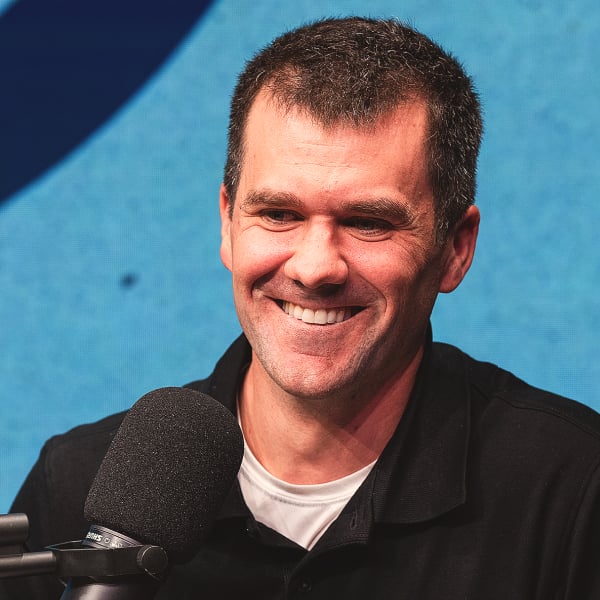
Adam Sylvester
CHARLOTTESVILLE GUTTER PROS AND CHARLOTTESVILLE LAWN CARE
Website: adamsylvester.com
Adam started Charlottesville Lawn Care in 2013 and Charlottesville Gutter Pros in the fall of 2020, in Charlottesville, VA. He likes to say, “I do gutters and grass! When it rains the grass grows and the gutters leak!” He got into owning his own business because he saw it as a huge opportunity to generate great income while living a life that suited him. He believes that small companies can make a serious impact on their communities and on every individual they touch, and he wanted to build a company that could make a big difference. His sweet spot talent is sales and marketing with a strong passion for building a place his team wants to work. Adam values his employees and loves leading people. While operations and efficiency is not something that comes naturally to him, he is constantly working to improve himself and his business in these areas.
Brandon Downer
Pink’s Windows
Website: pinkswindows.com
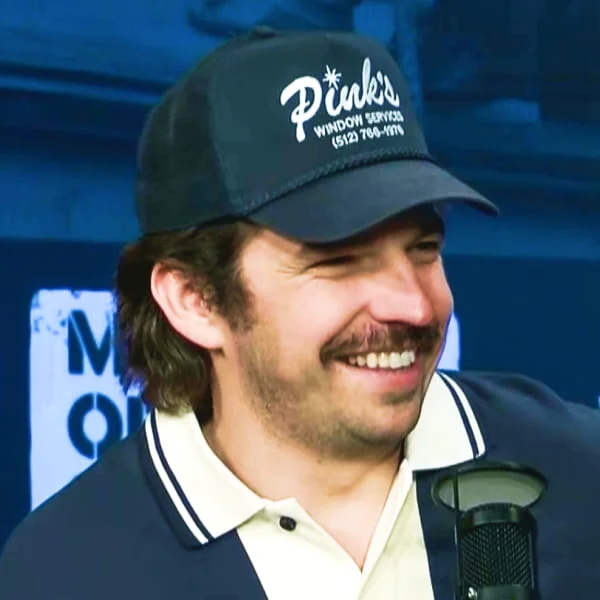
Brandon Downer is a Co-Founder and Co-Owner of Pink’s Windows. He plays a key role in supporting franchise growth, operational systems, marketing strategy, and brand development across the Pink’s network. Brandon is passionate about building Pink’s into one of the most trusted and recognizable home-service brands in the country by helping franchisees deliver an exceptional customer experience while running simple, profitable, and scalable businesses. Pink’s exists to “flip the script” on the traditional blue-collar service industry.
Kevin Valle
Pink’s Windows
Website: pinkswindows.com
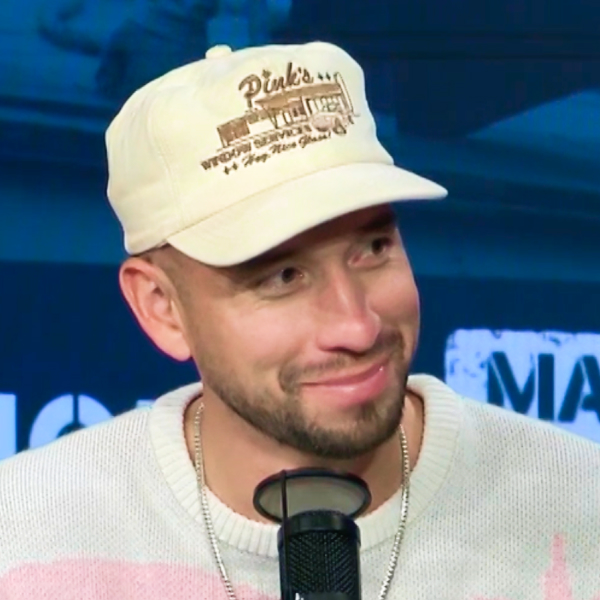
Kevin Valle is the Franchise Owner of Pink’s Window Services, serving Bryan–College Station, New Braunfels, and San Antonio TX. Before window cleaning, Kevin served in the U.S. Army, worked as a Paramedic/Firefighter— building a career on showing up when it counts. He’s brought that same discipline into home services, running his territories on a simple standard: show up on time, leave it better than you found it, and treat every customer like they’re the only one that matters. Kevin is driven by building a business that puts people first.
SIGN UP FOR the masters of home service newsletter
Get monthly updates with news, tips, and advice on how to run a 5-star business. You don’t want to miss out!
Interested in being a guest on the show?
Are you a home service professional eager to share your insights and experiences? Apply to be a guest on the Masters of Home Service Podcast, and join a community of experts committed to helping others level up through knowledge.
Other Podcasts We Love