 25 Minutes
Why 1 in 3 Trips Puts Your Business at Risk
With Sadi Ingallina, Kyle MacDonald, and Beau Batcheller


-
Sadi (00:00):
We have everybody sign driver agreements before they start that lay all of that out. If they get any type of ticket, that’s on them. These vehicles are so painfully expensive. When I first saw somebody even just vaping in it, I was like,
Adam (00:13):
Put that vape away.
Sadi (00:14):
Yeah. It’s like, what does the policy say here?
Adam (00:16):
I’ve been hosting this podcast for so long, I’ve never heard anyone say they have a driving agreement.
Sadi (00:22):
Driver’s agreement.
Adam (00:23):
I’ve never heard that before. That’s such a good idea.
Sadi (00:25):
Thank you.
Adam (00:28):
Have you ever had something really bad happen in your business? And you didn’t really know what happened. It was one of these he said, she said moments and there were more questions than answers. Whose fault was it? Who was driving? And it’s really annoying. I hate that kind of stuff. Well, that can all happen when you’re managing a large fleet of vehicles. Today’s episode is all about how to make sure you get the most out of your vehicles, keep them healthy, keep them running, and how to avoid potentially catastrophic liability with all these vehicles on the road and equipment. Today’s guests are Sadi Ingallina, Beau Batcheller and Kyle MacDonald. Guys, thanks for being here. Appreciate it. Welcome to the show.
Kyle (01:04):
Excited to be here.
Sadi (01:05):
Yeah, thank you.
Adam (01:06):
We all have a lot of vehicles.
Sadi (01:07):
Yes.
Adam (01:07):
And so I imagine some of us have some pretty crazy stories from the road, from actually operating a business and all this. So Sadi, do you have anything that you want to start with?
Sadi (01:16):
Well, the first one was kind of by an accident, but obviously we run chippers, which chip large logs. They put their shovel through the chipper as well. Yeah, because sometimes things get stuck and you want to shove it in there a little bit, but you don’t want to use a metal shovel for that. Wow. So the chipper took the shovel with it and it basically blew up the drum and that was about a $16,000 repair. Yeah. And not to mention when it comes out of rotation in your fleet, the income also stops with that.
Adam (01:46):
Downtime, opportunity cost. Yeah. Beau, what you got?
Beau (01:50):
How much time do we have?
Adam (01:52):
Only a couple minutes.
Beau (01:53):
So I mean, I’ve had the old beat up trucks where I’m begging for guys to jump my truck at the gas stations. I, in high school, couldn’t afford new tires, so I was driving on cables and it started to rain, so I slid into a concrete curb. We’ve done snow before, so wrecks happen a lot by then. People pass us because we drive real slow. They wreck into us, then we get blamed and our insurance is fighting it. I used to hire not so great people. I let them take the truck home because I didn’t have space for my truck.
Adam (02:21):
Yep, good point.
Beau (02:22):
Well, then it’s at the bar, then they back it into something.
Adam (02:25):
They drop it over to see their friends and go party.
Beau (02:28):
Just way too much liability that we just shouldn’t have had. Get the truck back and it’s all wrecked the next day. The rear end is completely open. I’ve had guys not put oil and mowers and they blew the same engine twice on the same exact mower. So every year you’re buying a $5,000 engine.
Adam (02:44):
That’s a real scary time. Do you have any examples here? Come on.
Beau (02:47):
Let me think. Let me think really hard.
Adam (02:49):
Kyle, do any of these sound familiar to you?
Kyle (02:51):
Oh my God. Well, in our business we tend to see. We’re looking at our platform in aggregate, so thousands and thousands of businesses across the US and the things that are happening to their vehicles on a regular basis. So we’re seeing literally hundreds of thousands of diagnostic trouble codes are going through our system. Some of those are catastrophic worst case scenario engine codes that you just don’t want to get. I think when it comes to the insurance side of things as well too, I have two stories, kind of different sides of the coin. We had one customer who came to us and signed up for dash cams and three vehicle fleet, custom cabinetry business. And I had the opportunity to talk to him before he signed up and he explained to me why he signed up and it was because he went through a more than nine month nightmare claims experience with his insurer and it was an absolute he said, she said experience. This was before he had any GPS tracking or dash cams installed. And the only way he got closure on the claim was they had managed somehow to subpoena a local business that had a security camera. So they finally got footage and he said it was so stressful. It was so distracting to his business.
Adam (04:02):
Yeah, he’s not a lawyer. He’s a business owner.
Kyle (04:03):
Exactly. And so he said, “You know what? I’m never going to run a fleet again without dash cams.” He said, “If I just had the video clip, I would’ve been done almost instantly.” Then on the other side of the coin, we have a customer who was running dash cams with GPS tracking in their fleet, regular day out on the road at an intersection, about to turn right, doing everything right as you would expect. And a truck, big truck, 18-wheeler that was in the middle lane obviously wasn’t paying attention, didn’t have the indicator lights on at all, which we later saw from the video clip and cut across, scraped and lifted the vehicle off the ground, really bad situation. Then you think, okay, well at least they’re able to solve it. Well, this truck decided to run and drove away and evaded the scene. Thankfully they had the video clip and they’re actually able to get a visual on the company name that was on the truck because of the video clip as well. So you can imagine that business owner, that’s a nightmare situation. You start worrying about, okay, is this vehicle roadworthy? Do I need a replacement? Do I need a rental? What about my guys? Are they okay? Is everybody safe? But yeah, thankfully they had the evidence.
Adam (05:08):
It just turns your world upside down.
Kyle (05:09):
Yeah.
Beau (05:10):
Oh, that was another company that hit and ran?
Kyle (05:12):
Yeah.
Beau (05:13):
Wow.
Kyle (05:13):
The trucking company. Yeah. The driver of the truck. Yeah. And I mean, you think your guys are always going to do the right thing, but people do crazy things and stressful scenarios. And maybe for some reason that driver thought that was the right thing to do for maybe him personally, but it wasn’t
Adam (05:27):
The right company. Maybe I’ll get away with this.
Kyle (05:28):
Yeah, maybe I’ll get away with it. But thankfully more and more dash cams are getting deployed. And there’s actually research out there that says, I think about 63% of the time dash cam footage exonerates the driver and the company. So it’s pretty powerful stuff.
Adam (05:41):
It’s a big relief to employees, I’m sure. I remember a while back between my family’s vehicles and my two businesses, I had over, I think 17 or 19 vehicles.
Sadi (05:50):
Wow.
Adam (05:50):
And I got the call, car wreck, everybody’s okay. Okay, great. We’ll just get the cop, your insurance card and move on. Well, there’s no insurance card in here. Well, okay, let me send it to you. I flipped through, send the policy and the cop’s like, there’s a lot of vehicles on here. This car’s not on there. And I was like, oh. Now granted, that could have been life changing. Praise God it wasn’t worse because everybody was fine, but it made me realize how tough it is to manage the entire fleet of vehicles. Constant renewals, constant insurance, constant this, constant maintenance, all these things. How do you guys keep up with it?
Beau (06:27):
It could be a full-time job on itself.
Sadi (06:29):
It is a full-time job. Yeah, absolutely.
Beau (06:31):
We use fleet tracking, that way we can keep all of our assets organized. I see the VIN, I see all the information on it. From there, I keep maintenance records on it. And then my office administrator also looks at all the vehicles. He’s in charge of all the title, taxes and registrations for those vehicles. And then I have an array of people on the mechanic side that keep those assets moving and that seems to never be ending, but it’s a huge team effort to make sure all that stuff is counted for.
Sadi (06:56):
All I have is a spreadsheet.
Beau (06:59):
I like it. I like it.
Adam (07:01):
So I don’t track my vehicles. Sadi doesn’t. You two do. And so maybe by the end of the episode you guys can convince us. I used to and I stopped. So maybe you can bring me back to the dark side. We’ll see how it goes. But yeah, so you use a spreadsheet?
Sadi (07:14):
I use a spreadsheet. It’s all manual. And I’ve now limited the amount of people, different people working on my machinery so that I’m not getting told one thing from one mechanic and one thing from another one. I built the spreadsheet with the help of my CEO at the time and it’s a constant, constant, constant upkeep. I’ll get an email, I have to keep the number of hours on my chipper, all three chippers noted in the spreadsheet. And then every 250 hours I’m supposed to get them looked at and serviced, but they’re also supposed to be inspecting the chippers daily between three chippers, three trailers, three chip trucks, and then five F-150 types. It’s a lot. It is a lot. And we don’t have dash cams. The best that I’ve come up with is just making sure the guys that we hire have solid head on their shoulders. I pull their driving record, all of them before they work for us because if somebody’s going to be a liability on their own time and have speeding tickets or DUIs, they’re going to do the same in your vehicle fleet. So I try to mitigate that as much as possible, but no, it’s ongoing.
Kyle (08:25):
For sure. We’ve got some data on that. So roughly one in three trips that we see on our platform have at least one safety event. And we would categorize those as things like harsh braking event, which would be an aggressive stop, likely associated with rushing or potentially a near rear end incident, rapid acceleration, which is also very often associated with I’m running behind schedule and I’m flooring it. Speeding as well. And in the worst case scenario, crashes. So average trip is about 10 miles. So every 30 miles, someone typically is having some kind of a safety event. That’s not always a bad thing. It’s just part of being on the road, but being able to start to get an understanding of that and then being empowered to have conversations with your team that it’s not attack mode. No, not at all. It’s here’s some data, here’s some information. We want to be safer. We don’t want speeding tickets. We don’t want our brand being misrepresented in the local community. So I want to talk. And we’ve had some customers who institute weekly safety meetings. Very simple, takes five minutes. They just pull up the report. All right, let’s look at everyybody’s driving score for the week. How are we doing? Who’s the best? Interesting. Who’s the worst?
Adam (09:34):
Driving score.
Sadi (09:35):
Who’s scoring?
Kyle (09:37):
Yeah, we’re scoring.
Sadi (09:38):
Okay. I’ll take it.
Adam (09:39):
Okay. I love it. I want to ask two questions about driving record because Sadi mentioned hiring for both of you guys. Do you guys hire people that have bad driving records? And where’s the limit? Where’s the boundary there?
Beau (09:51):
So usually if they have a bad driving record, they’re not allowed to drive for us.
Adam (09:55):
What’s bad?
Beau (09:56):
I would say a wreck, multiple speeding tickets, anything more than one or two off situations. What we’ll do is also drive with them. And if they can’t back a trailer up easily, I don’t trust them to do it. I’ve also had guys where they turn the trailer too tight, then they clip the mailbox. That’s about $2,000 to get replaced. So those guys get booted off driver. I’ve multiple times taken guys out and go, “You’re not a driver anymore. You’re not allowed to drive, especially a storage unit.”
Adam (10:21):
But that’s a nuisance. That creates a bottleneck in your organization though. Then you’ve got one guy who can’t drive. So that’s tricky. I’m not saying you’re firing, but that is tricky. It’s annoying. Work around it though.
Beau (10:31):
But the liability would be way too high if he’s going to wreck $100,000 truck or trailer or skid steer, put somebody else’s life in danger at it.
Sadi (10:39):
Well, for me, it’s a lot. I don’t have to give the yay or nay. It’s like my insurance will say they can drive or they will say they cannot drive.
Adam (10:47):
They’re the bad guy.
Sadi (10:48):
They’re the real bad guy. No, they obviously don’t want to have to pay if there’s a wreck. And I’ve never used insurance for that reason because they will, in our industry, there’s just such high risk that it’s hard to get accepted. A lot of tree service companies that I know, the bigger ones have to self-insure just to be able to afford insurance. So for us, I will hire somebody if they’re brand new and they can’t drive. We get their driving record. Insurance tells me if they can or can’t. And if they cannot, we also offer them the role, but it’s paid less because they can’t drive and therefore it creates scheduling problems and stuff like that.
Adam (11:28):
I want to drill down on that. If that’s a knockout for you, then do you ask that in the very beginning of the interview?
Sadi (11:34):
Yes.
Adam (11:35):
You do?
Sadi (11:35):
Yeah.
Adam (11:36):
What does that look like? What do you ask?
Sadi (11:37):
Well, I’m not doing the interviews these days, but it’s usually like, what’s your driving record? Do you have any tickets? Do you have any accidents? DUIs is a big thing we have to ask for. If they say yes on the DUI, it’s pretty much a no. We won’t even move forward.
Adam (11:50):
Just no job whatsoever, even as a non-driver.
Sadi (11:52):
Yeah. It really depends on the time period of the DUI because they do fall off your record after seven years. But if they’re like, “Yeah, last year I got a DUI.” I’m like, “Thank you. It’s nice meeting you.”
Kyle (12:02):
I think it’s a really hard position for the business owner to be in, especially if you’re in growth mode, you’re trying to find the best technicians, for example, maybe if you’re in the HVAC or plumbing space or electrical, are you really interviewing about driving skill upfront? You’re not. You’re looking for the best technician that has experience that fits your budget range and what you need for your business now. And so I think it’s kind of a tough situation to navigate where are you really going to prioritize driving skill or validate that? That’s where if you’re willing to hire first and foremost for the primary skill, then at least having something that’s going to give you that insight later with tracking them and knowing how they’re driving afterwards, at least it lets you test that in the first 30 days, 60 days, 90 days. And if something comes up, you can address it quickly.
Beau (12:47):
That’s a huge point. I think most operators would assume, oh, I drive safe so the guy I’m interviewing for this skilled position also drives safe, but that’s not the case. And I imagine you’re dealing with F-650s, F-750s, medium duty vehicles, DOT numbers. Oh yeah. So those catastrophic events are going to cost you hundreds of thousands of dollars when that stuff happens or you’re down maybe your one important asset and then you can never get that work back or the opportunity back. I mean, that could just spiral very quickly.
Kyle (13:14):
Yeah. The last 20 years in the US have been really scary for big trucking companies and big fleets. I don’t know if you guys have heard of this thing called the nuclear verdict and now even there’s something called a thermo nuclear verdict, which is over a hundred million dollars awarded. So then the commercial auto industry is really struggling too. It hasn’t been profitable and premiums have been rising. So I think more than ever, it behooves business owners to do what they can to protect their business and take advantage of technologies and systems that are out there because it just could be that thing that could take you off track. And you’ve got everything going. You’ve got growth going, you’ve got happy customers, you’ve got systems and something that’s completely out of your control could wind up in a worst case scenario.
Adam (13:56):
This is great. I’m going to pause for a minute, talk about Jobber for a second. Kyle, why do you like the integration with Jobber so much with Force Fleet?
Kyle (14:03):
Yeah, I mean, we love it because our customers love it. And by integrating Force Fleet with Jobber, you’re going to simplify your dispatching, you’re going to upgrade your customer experience. And you know what? You might also get some unexpected savings on your commercial auto insurance policy. So check us out, forcefleet.com. We’d love to get you on board.
Sadi (14:21):
So one of my favorite things about Jobber is on the estimate process. It’s actually very easy to itemize everything and then also to attach your photos and do a little diagram because for us, we have to often label the exact branch that a customer once removed and being able to put that on the bid itself that the customer sees eliminates a lot of questions and added time.
Beau (14:42):
My favorite thing about Jobber is it’s grown with me. So when I had 40 clients, that’s when I started using Jobber. We now have a list over 5,000 clients and Jobber is always evolving. So it’s not this stagnant software. This company has grown with me and always added a new feature that’s benefited my business.
Adam (14:57):
It scales with you. I like it. That’s awesome. If you’re not using Jobber for your business, then you are missing out and you’re behind the 8-ball. Go to jobber.com/podcastdeal, start your free trial and start running your business on a legitimate platform like Jobber today.
(15:12)
How did you suggest integrating the driver performance, whatever it’s called, the report, into performance reviews, into raises and promotions? How does all that work?
Beau (15:22):
Not that I’ve done it perfectly, but I would say any type of bonus structure to the guys, and it’s got to be obvious to everyone. So in front of all the other crews and stuff saying, “Hey, Jose had the best driving record. Here’s 300, $500 cash.” That’s so much cheaper than the wrecks that happened. But giving that guy reward in front of everybody and letting them know that’s what we are rewarding. You’re going in a positive direction for good behavior here.
Kyle (15:46):
Yeah. You could even do something simple. You could kind of gamify it in a way. You could set up a speeding threshold alert across your entire fleet. And let’s say I’m putting at 75. Guys, if anybody goes above 75, your bonus is off for the year. Or you could do something like that or you can invert it and say,
Beau (16:03):
Can you do that with a force fleet?
Kyle (16:05):
Yeah, of course. You can customize those. You could have it across the fleet. You could have a different speeding threshold for a particular vehicle or driver as well too. And I think once that’s in place, you just have that conversation and it’s not spying. I mean, you guys as owners, I mean, you can have those conversations. You guys are not trying to spy on your team. You trust your team, but this is about business protection. It’s about safety. And also you want to reward good behavior. I think if you go at it with the attack mode or it’s persecution of your team, that’s a harder conversation. But I think what you were just saying there both, there’s a reward tied to it and it’s like, “Hey, do it right guys. And you’re going to get some upside.”
Sadi (16:43):
Yeah.
Kyle (16:43):
Get a benefit from it. Yeah.
Adam (16:45):
On the flip side though, I wonder if. I’m thinking through all the incentives. At some point, you just can’t work here if you’re a bad driver too, right?
Sadi (16:51):
Absolutely.
Adam (16:52):
So where’s that line? I wonder.
Sadi (16:54):
I think it depends on the amount of damages, the extent of the damage. I mean, I’ve not actually had to let anybody go specifically for that. We give them notices or warnings anytime there’s a damage to property or a vehicle, but we do wrap it up in their employee reviews. So if they have had damages to our vehicles, then it goes into consideration into their pay because they have to maintain their license, which is harder than you would think apparently for at least the time that they’re employed with us to be able to be eligible for their raise. And because our insurance is so strict, we have to resubmit their MVRs every so often and they could easily just say, “Hey, you’re not accepted anymore.” So it kind of depends on the situation for us at least.
Adam (17:41):
You know what gets us a lot is speeding cameras that send you a ticket in the mail. We get those a lot because we’re right next to a school and the guys will go through going 38 and drop down a 25. Now they pay for those. I just hand it to them say, “Pay this.” It was you. Thankfully it doesn’t hit anybody’s licenses. It’s just a ticket. It’s just a fine. But those get us more than I would like.
Sadi (18:05):
We have everybody sign driver agreements before they start that lay all of that out. If they get any type of ticket, that’s on them basically. And if it’s mechanical issue or whatever, that’s of course on us. That’s huge. Th’s great. What’s the expectation there for what they can and cannot do in a company vehicle, including smoking and ways to make it. These are so expensive. These vehicles are so painfully expensive. When I first saw somebody even just vaping in it, I was like,
Adam (18:32):
Put that vape away.
Sadi (18:32):
It’s like, what does the policy say here?
Adam (18:36):
I’ve been hosting this podcast for so long. I’ve never heard anyone say they have a driving agreement.
Sadi (18:41):
Driver’s agreement.
Adam (18:42):
I’ve never heard that before. That’s such a good idea.
Sadi (18:44):
Thank you.
Adam (18:45):
Gosh, that is so good.
Sadi (18:46):
Day one when I bet back on the – Yeah, day one, they read it as part of their welcome packet because they’re going to start driving immediately. Everybody needs to be able to run a chip drop, which is unloading our chips at somebody’s property or doing a dump run. And it can’t work for the crew lead to be the only one that can drive. They have to come down from the tree and they have to go do their own dump run. That doesn’t work. So I need Bob to be able to go and do the chip drop even though it’s your first day. And if we don’t lay out the expectations for them of also making them aware of how big these vehicles are, and when you raise the chip box, it’s going to go X amount up. If there’s a tree above you or above where you’re dropping, you got to watch out for that kind of stuff too. So I find that helps. And then also to your point earlier, you said something about weekly meetings. We do that too when we teach these guys how to back up to trailers, how to drive with trailers, try to do as much as we can to facilitate their success and therefore my success.
Adam (19:41):
Look on the spot, I’m curious if one of your non-drivers does drive.
Sadi (19:46):
Fired.
Adam (19:46):
Fired.
Sadi (19:47):
Yeah.
Adam (19:47):
Fired.
Sadi (19:48):
Yeah. If they know, because they will know from day one if they can drive or not.
Adam (19:51):
What about the guy who let him drive? Who’s supposed to be driving?
Sadi (19:54):
So that would be my operations manager. Since he’s been with me for six, seven years now, first off, we’ve been in that exact scenario. Okay. 100%. He’ll get a very stern warning and it hasn’t happened since that one point because he also knows when you bring somebody up to an exact level, they start to understand the expenses involved with everything and he just gets it on a very real level. So he doesn’t mess around with that either.
Adam (20:18):
Last thing I want to talk to you guys about is insurance savings because there is some benefits of having this device in your van or your work truck to track your fleet. Is that right?
Kyle (20:29):
Yeah, totally. I think what we’re seeing out in the market right now with commercial auto insurers is there’s definitely a willingness to offer an explicit and pretty sizable discount, possibly in the range of 10 to 15% if you can prove to your carrier that you are tracking that vehicle with a suitable telematics device, whether that’s dash cam or GPS tracking. And that’s something that’s gaining a lot of momentum in the industry and we’re starting to see signs of a potential commercial auto insurance mandate even, probably starting in the trucking and freighting space where they’re going to start saying you have to have dash cams in certain states or provinces in Canada. And you know what? The discount isn’t necessarily a hard thing to find. It could be as simple as calling your broker, calling up your insurance carrier saying, “Hey, I have this stuff in my vehicles. I’m tracking every one of them, getting all the safety data. What are you going to do for me?” We actually surveyed our customer base about how they’re buying commercial auto insurance and their experience with it. There’s some interesting stats that came from it. So 42% said they were satisfied with their commercial auto insurer, but that means that the other 58% really aren’t. They’re all worried about pricing because commercial auto premiums have been going up, up and up, but there’s a really strong willingness to share data and find those discounts. The other thing we saw was that 26% of our customers have never switched their insurance carrier for commercial auto insurance. So how do you know if there’s a better price out there? Totally. If you don’t shop, you don’t do a little bit of research, you don’t pick up that phone, it shouldn’t take a lot of time. Power of AI search now and Google. Do a little bit of digging. For a small fleet of three through our program, we have a partnership in place with GEICO now where they can switch over to GEICO and they save 10% instantly for a three vehicle fleet that was a thousand bucks a year right away.
Adam (22:17):
I mean, that’s a good commercial right there.
Kyle (22:18):
Well yeah, it’ll pay for the technology. It’ll pay for some of your Jobber subscription. So I think people get stuck in the status quo, and I get it. There’s too many things going on in the business.
Adam (22:29):
Not another thing.
Kyle (22:30):
Do I really need to switch my insurer right now? Whatever. Whatever. Just try to carve out some time. Check it out. Once a year, twice a year, once a quarter, you’ve got great programs, just add another program. It’s like, “Hey, put it on your calendar as a reminder. Okay, it’s time for me to check in and see if I can be getting a better deal.”
Sadi (22:45):
Yeah. I switch every year.
Kyle (22:46):
Oh, you do? See, that’s amazing.
Sadi (22:47):
I mean, I don’t want to, but every year they leave.
Kyle (22:49):
You have to. Yeah, you have to. You’re in a tough space with your type of insurance.
Sadi (22:52):
Yeah. But I’m going to ask now. I’m going to go and ask if there’s a discount for having any type of safety mechanism installed because that’s something I haven’t tried yet.
Beau (23:00):
I would definitely ask because I did, because we have 20 autos, general liability, workman’s comp, and then an umbrella C policy on top of that. And it’s a huge offer. He’s wearing a nice suit and say, “It costs this.” And we said, “Hey, we track the vehicles by the way, telematics.” And he said, “Okay, well, I’ll give you a discount on it.” Immediately. No questions asked just by showing him that. So I’d show him your driver waiver, any type of tracking you have on your vehicles, and I bet you’re going to get a discount.
Adam (23:22):
Yeah. All right. Last thing, lightning round. I’m going to ask you guys some questions. Kyle, what is the very first thing an owner should do in terms of instructing their drivers in case they get an accident? What’s the first thing they should do?
Kyle (23:34):
Oh, I mean, inform the business owner immediately. Obviously, if they’re injured, if there’s anything like that, 911. You want your employees to be honest and just handle the situation professionally. Yeah, hopefully you have that data, maybe that video evidence that you then need that can make things go a lot more smoothly.
Adam (23:50):
Sadi, what is the number one warning sign that a technician is abusing a company vehicle?
Sadi (23:57):
Smoke.
Adam (23:58):
Smoke or vape.
Sadi (24:00):
Smells in the vehicle.
Adam (24:01):
Beau, what is one of your favorite or non-obvious apps that you use on your phone?
Beau (24:06):
Plant ID.
Adam (24:07):
Plant ID.
Beau (24:08):
Yeah. I love that. I love it. So I’m a big plant nerd, big plant guy, and I love just seeing weird plants. I’m always looking at what it is, trying to figure out what it is, see what’s new. So I’m always just Googling plants like I’m 70 years old.
Adam (24:19):
Sadi, what is your biggest pet peeve with vehicle maintenance?
Sadi (24:23):
The quantity. As soon as you handle one problem, there’s already three more that have propped up.
Adam (24:29):
If you had to choose dash cam or tracking device?
Kyle (24:34):
Dash cam, because it comes with the tracking device.
Adam (24:36):
Ah, good one. And Sadi, what’s your favorite app on your phone?
Sadi (24:40):
Jobber.
Adam (24:41):
Ah, good one. Should you tell your employees you’re tracking into vehicles?
Beau (24:45):
Yes, we do up front. I think it just sets the tone and I just say, “Hey, we’re tracking this vehicle, so if you’re going to do anything stupid or silly, I’m going to see it.”
Adam (24:52):
Next week, you’ll hear from a young electrician who left the traditional college path and built a thriving business on his own terms. It’s a fresh look at where opportunity exists today. I’m your host, Adam Sylvester. You can find me at adamsylvester.com. Your team and your clients and your family deserve your very best, so go give it to them.
About the speakers
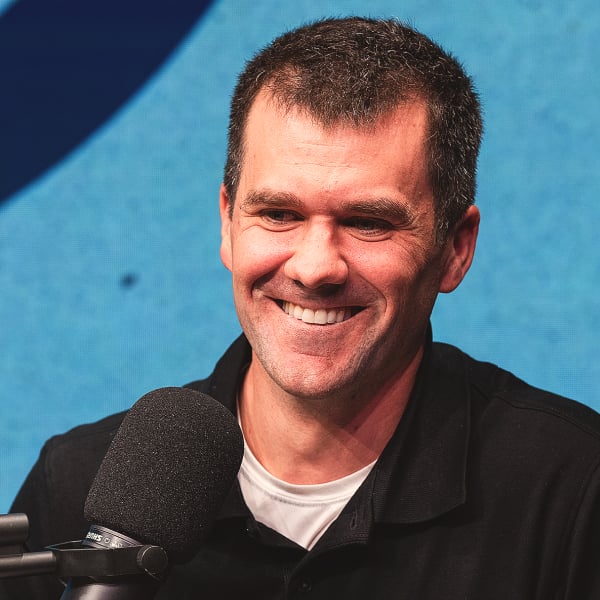
Adam Sylvester
CHARLOTTESVILLE GUTTER PROS AND CHARLOTTESVILLE LAWN CARE
Website: adamsylvester.com
Adam started Charlottesville Lawn Care in 2013 and Charlottesville Gutter Pros in the fall of 2020, in Charlottesville, VA. He likes to say, “I do gutters and grass! When it rains the grass grows and the gutters leak!” He got into owning his own business because he saw it as a huge opportunity to generate great income while living a life that suited him. He believes that small companies can make a serious impact on their communities and on every individual they touch, and he wanted to build a company that could make a big difference. His sweet spot talent is sales and marketing with a strong passion for building a place his team wants to work. Adam values his employees and loves leading people. While operations and efficiency is not something that comes naturally to him, he is constantly working to improve himself and his business in these areas.
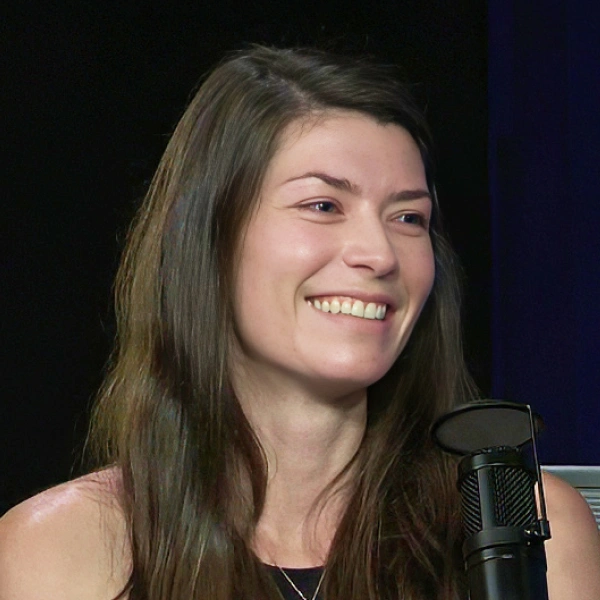
Sadi Ingallina
Ash Tree Enterprises & Grow Your Tree Co.
Instagram: @growyourtreeco
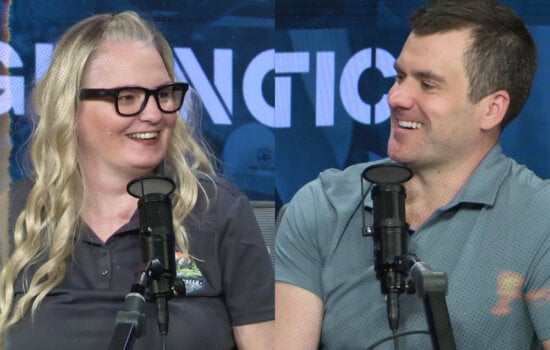
Sadi Ingallina is the owner of Ash Tree Enterprises, an Oregon-based tree service company doing over $2 million annually. She has spent the last 8 years building it into a systems-driven operation focused on efficiency, consistency, and long-term growth.
Known for taking a different approach in the industry, Sadi built much of her company through in-house marketing, direct mail, and strong operational systems rather than relying heavily on digital ads. Today, she runs the business without being in production and helps other tree service owners do the same through her coaching platform, Grow Your Tree Co.
Her focus is simple: build businesses that don’t depend on the owner for everything.

Kyle MacDonald
Force Fleet Tracking
Website: forcefleet.com
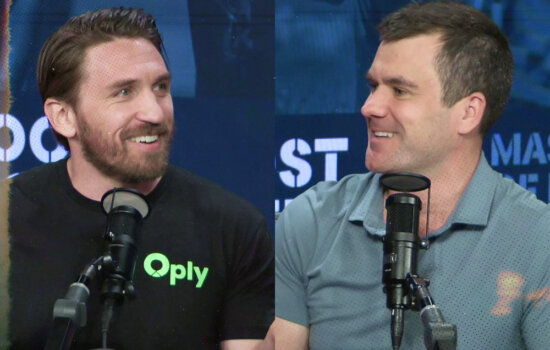
Kyle MacDonald is the Chief Growth Officer at Force Fleet Tracking and one of the original team members who helped build it from the ground up. With more than a decade of experience connecting small businesses and home service pros to vehicle tracking technology, Kyle is one of the industry’s most hands-on voices at the intersection of fleet telematics and field operations. He knows that for a home service pro, those trucks and vans aren’t just overhead. They’re the engine of the whole operation.

Beau Batcheller
Five Stones Landscape
Website: fivestoneslandscape.com
Facebook: Five Stones Landscaping
TikTok: @b3.au
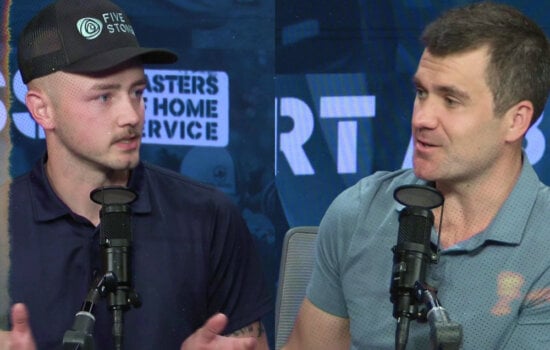
Beau Batcheller brings an entrepreneurial spirit and innovative marketing approach to every project. Since starting his first landscaping business in 2017, he quickly expanded it into a multi-crew operation with diversified services and a strong community presence. Today, Beau leads Five Stones with a commitment to creativity, professionalism, and delivering exceptional results for every client.
SIGN UP FOR the masters of home service newsletter
Get monthly updates with news, tips, and advice on how to run a 5-star business. You don’t want to miss out!
Interested in being a guest on the show?
Are you a home service professional eager to share your insights and experiences? Apply to be a guest on the Masters of Home Service Podcast, and join a community of experts committed to helping others level up through knowledge.
Other Podcasts We Love