 22 Minutes
Why Being Your Best Technician Is Holding You Back
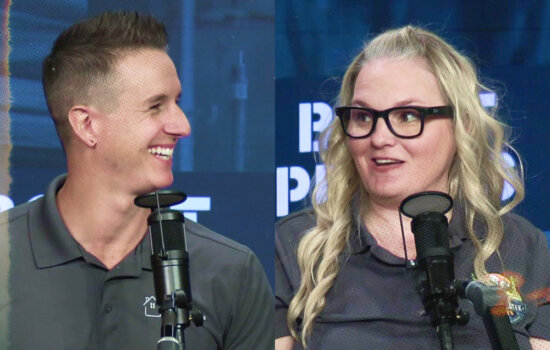
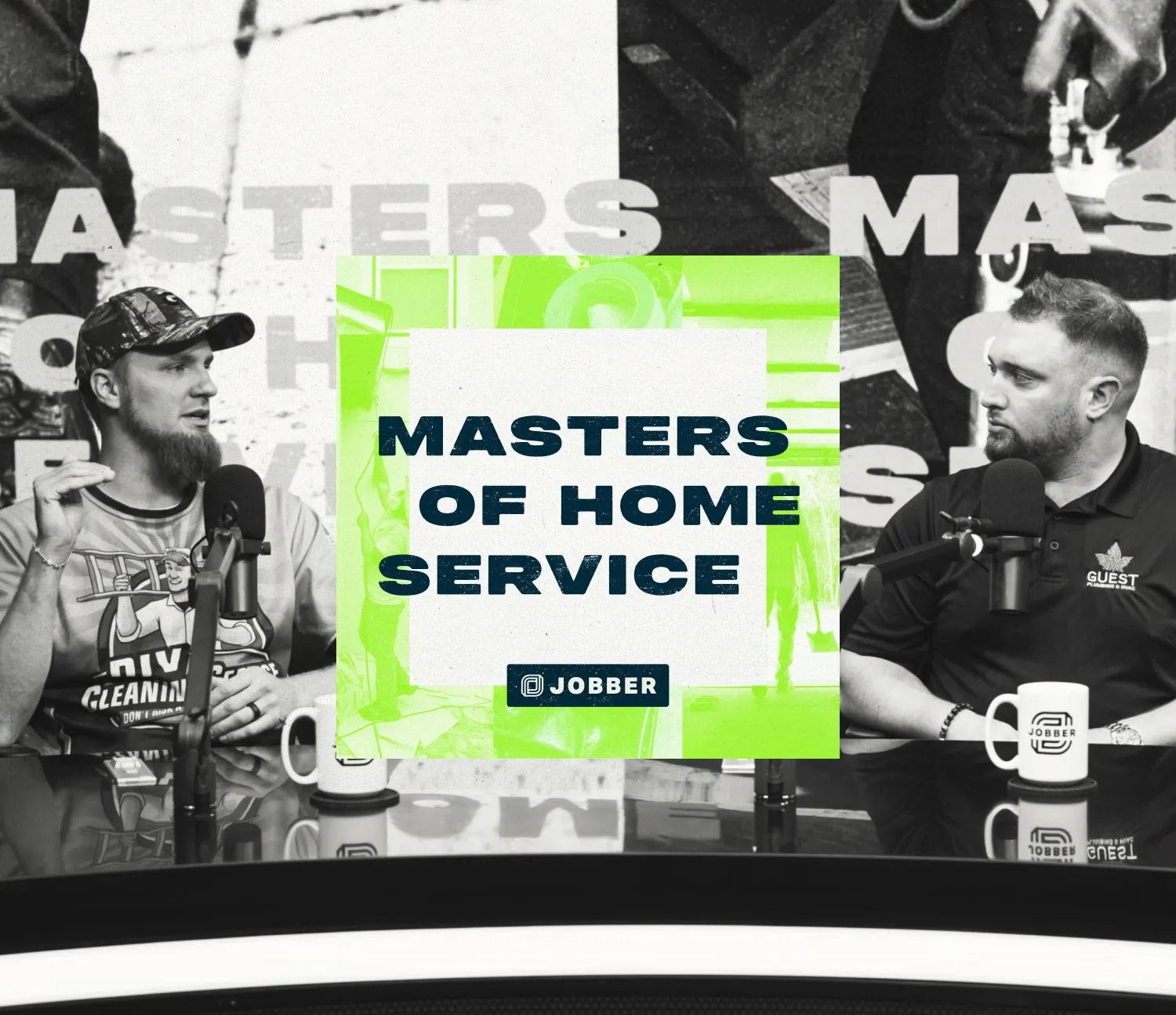
With Sadi Ingallina and Austin Rogers


-
Austin (00:00):
We’ve actually been told by our team that they’re like, We hate it when you guys are here. We’re stressed out. We’re freaked out. We don’t know where to go. It’s like their whole checklist systems, everything just go out the window. We walk in the door and they’re just like, I need to be just… I think they just turned vacuums on and hit another room and they’re like, I’m just going to go over here.
Sadi (00:19):
Start moving whether it’s done or not.
Adam (00:20):
Boy, go make eye contact. Are you the best technician in your company? That might be fine. It is fine. But if you want to grow and scale, then you can’t be the best technician anymore. You have to let that go. That identity has to go away for you to actually work on the business and not just in the business. My guests today are Sadi Ingallina and Austin Rogers, and they both have a lot of firsthand experience with this from two different perspectives. So Austin, you have a unique experience with this because one day you woke up and realized that you were the best technician, which feels cool, but you realized it wasn’t sustainable. Is that right?
Austin (00:58):
Yeah, absolutely. I think a lot of small businesses start as a good technician who thinks they can start something up and yeah, you’ll quickly get burnt out on that.
Adam (01:07):
So take me back to the early days. Be more specific. You were doing the thing, doing the thing, doing the thing, and then you just realized that you needed to change.
Austin (01:14):
Haley and I, we had a vision. We knew what we wanted to do. So we said, Hey, let’s start out and let’s do this. To my point, we were technicians. We were good at what we did. We kind of developed the craft, but yeah, long after, not long after, excuse me, we just realized that there’s no way we can do this at a scale by ourselves. So once we started hitting the tipping point of saying this is too much for us to do in one day, that’s kind of to the point where it was like, it’s time to bring in some help.
Adam (01:42):
We’ll get into the transition here in a minute. So Sadi, you were climbing trees every day, weren’t you? You were using a chainsaw and you were cutting stuff down.
Sadi (01:50):
So back when we first started, I was on the ground primarily and I had a partner at the time who did most of the climbing, but it didn’t take me very long also to realize I don’t want to be doing the physical labor of it myself anymore. First off, I’m not the most efficient at it. There are people that can do it way better than me. And the whole time I’m there on the job, I’m thinking where’s the next job coming from? Are the invoices being collected? I’m missing phone calls right now. I know it. These types of administrative actions and the backend stuff that nobody really sees or notices are all in my mind. So I know that that’s where I was drawn to from probably the first two months or so.
Adam (02:29):
Well, how did you guys begin to position yourself as the owner of the business and not the worker in the business?
Sadi (02:37):
The first thing I did was just put out Indeed Ads because I knew immediately anybody else can do what I’m doing better. Almost anybody. So I started with Indeed Ads and that was a learning curve, like what to put on your Indeed Ad. The amount of volume or quantity of applications that you’ll get is actually a lot, but the amount of legit prospects is very few. So learning to shift through that and that kind of stuff was very hard to learn and took a lot of years of trial and error. And then believing people will show up when they say they’re going to show up or they have experience when they say they have experience also leads you to making a lot of mistakes or learning a lot of things. For me, it was immediate. I just had to figure out, first off, with two people on a tree project, you can only do so much in a day. And so my vision had always been to scale and I knew that we couldn’t do that if it was just me and one other person. So immediately I knew I needed to figure out this hiring thing. Little did I know how much of a thing that was.
Adam (03:35):
We’ll get in the hiring thing. So more or less from day one, your vision was I want to delegate this to somebody else from day one. That was the vision from the beginning.
Sadi (03:46):
Yeah. I’ve always had an entrepreneurial mindset and my parents were entrepreneurs and I enjoyed seeing their freedom that they had as adults and I wanted that for myself. So I always knew it’s fine to put in the hard work and the long hours when we’re first getting started because you have to do that as an owner. But long term, I want to have a family, I want to have those freedoms so I cannot be doing this. I cannot set this up so that it all relies on me, otherwise I’ll be miserable.
Adam (04:15):
Right. Austin, why do you think that people hold on to this identity as the best technician in their company? What is it about it that it’s so hard to let go and transition out?
Austin (04:27):
So much of what you perceive success is going to just come down to your reputation. So when you start out, I mean, you wear every hat and you start stacking those hats and you’re trying your best just to fulfill every role. And the more hats you stack on, the more you realize that you’re glazing over a lot of the stuff that you know you could be focusing more of your attention on. So I don’t want to say it’s a reputation thing. I don’t think it’s like an ego thing by any means, but it’s just definitely like, Hey, I’ve worked hard to get to this point. I’ve got my first clients. I’ve finally broken through. I’ve finally made some dollars. This is actually maybe going to go somewhere. So the second, yeah, you start putting out Indeed Ads and you start bringing other people on, they’re looking at this as a job. We’ve all been to the nine to five thing. And when you make that shift to the entrepreneurial side and you’re like, I wear this, this is my baby. I’m married to this thing. It’s very hard to let somebody else come in and say, Hey, they’re going to do a good job. They’re going to put their best foot forward.
Adam (05:28):
I think some people have baggage. I tried that once. I hired someone and they didn’t do a good job so I had to take it all back. This was the biggest thing for me when I started my gutter pros business is because with lawn care, I was the best technician, still am, forever. I was the best. But that’s what stunted our growth for so long. When I started my gutter business, from day one, my goal was to never touch a gutter because I knew that if I did, I would get in the same rut as before. I would never actually grow it to the size I wanted and I would be stuck. And so I made a conscious effort, like Sadi did, to never touch a gutter. And that is what drove the growth of the business because I was always doing what I needed to do to develop the business and grow it and not just do another job, do another job. And that takes a lot of discipline to stay out of the field, doesn’t it?
Sadi (06:19):
Yeah. It’s also very hard. As a business owner, you have a lot of pride in your work.That is what everybody sees. You personally feel responsible for making sure that the customer is getting a good result. And the only way that you can do that and a lot of people’s thought process is to do it yourself. And delegating that type of responsibility, that kind of trust is, it’s hard. You have to find the right person so that they don’t mess it up and ruin your reputation because if you’ve worked five years to build 200 five star reviews on Google, one one star review, it just,
Adam (06:52):
It shakes you.
Sadi (06:53):
It gets you in the gut. Yeah. Yeah.
Adam (06:55):
All right, so let’s get a little practical here. So Austin, what are some things that you did in Avai to start stepping out of the business out of the day-to-day and to start delegating, training other people? Tell us more about that process.
Austin (07:09):
I think systems are everything, at least for our industry. It’s checklists, it’s SOPs, just all of the things that are from how do I get from A to Z? And I need everybody to be on the same path on how to do that. So when we brought in our first Indeed Ad hires, we were like, okay, are these going to be our leads? How are we going to build these people up from the very beginning? Because that’s what we needed at the very beginning. We needed high level people right at the start so that the more that we brought in, we weren’t just overseeing. We weren’t just herding cats at that point. We were so blessed. I mean, I can’t even emphasize enough. We were so blessed on the first couple hires that we had because they were star employees. We were so blessed. So uncommon.
Sadi (07:52):
So uncommon. I’m like, yeah, okay. Sure. No,
Austin (07:55):
I know. As much as I would love to relate with that struggle of hiring, don’t get me wrong, we’ve had it now. It was easy for us to just say, okay, here’s some of our systems that we’ve created before. Brought them in and we actually just opened the door to them and just said, Hey, everything that you guys catch that you’re doing that’s not in these SOPs and these checklists and pretty much how you operate, let us know. Keep us updated. What can we do better? And they hit the ground running with that. I think it was kind of this a little flex of the chest of like, Hey, let me show you what you guys could do better. I think that was the first time that we said, Okay, wow. So we went a day or two where it’s like we didn’t really do much outside of the backend stuff.
Adam (08:38):
Yes.
Austin (08:39):
That was the switch.
Adam (08:40):
How’d that feel?
Austin (08:41):
Oh man. Yeah. I’m almost seeking that dopamine rush every time with how that felt because it was amazing when you get that first hit of like, we made money and didn’t do anything work. I didn’t do anything. This is what business is about. This is cool.
Sadi (08:55):
We had to hire people with experience at first with tree experience because we only knew so much on the technical aspect. We were very much self-taught. So we had to get somebody in with experience in the tree world, but they can come with very bad habits. So it was kind of like a calculated risk, I want to say, because I knew what I was getting into. The guy was open that he was getting out of rehab. I was like, okay, we’re going to roll with this.
Adam (09:20):
We can make this work.
Sadi (09:21):
We can do it. I’m a believer in second chances. Let’s see how this goes. But he was a great climber. It obviously didn’t work out in the long run. He stopped showing up to work, but we were able to get a lot of his technical specialty, then use that to start training people that were going to be a little more reliable and work. Now I have it down to the system where we hire people basically from the ground up with no experience, the better, the less that they can do. Because I want to build work ethic in the culture where people are proud of their work. And we’ve also developed a lot of career paths for these guys to grow, but with each skill level comes responsibility with it too. So it’s not like you can be this top ass climber and also not care about your product. It all has to come together.
Adam (10:07):
Yeah. How do you avoid the temptation to jump back in? Two of you guys called out today. Oh, our cleaners aren’t here today. We got to clean all these. How do you handle that?
Austin (10:16):
Yeah, that’s a good one. I would say the stage that we are, the level that we are right now, we can’t say no. There’s never a time where it’s like, Hey, your house, whether it’s interior, exterior, hey, that thing that we had scheduled and planned and you have Airbnb guests showing up. Yeah, we’re not going to be able to do that. So don’t get me wrong, Haley and I, we still have gloves ready. We still have caddies ready to go, vacuums in our vehicles. But in those scenarios, we’ve actually been told by our team that they’re like, We hate it when you guys are here. We’re stressed out. We’re freaked out. We don’t know where to go. It’s like their whole checklist systems, everything just go out the window. We walk in the door and they’re just like, I need to be just… I think they just turned vacuums on and hit another room and they’re like, I’m just going to go over here.
Sadi (11:03):
Start moving where it’s done or not.
Adam (11:04):
Don’t make eye contact.
Sadi (11:04):
Yeah. It’s so hard. I would say that just those leads that we have built is our scapegoat.
Adam (11:10):
How do you avoid… Because eventually you want to be plan C.
Austin (11:15):
Yeah.
Adam (11:15):
And there has to be a plan B in between you guys. What does that look like in the cleaning business? I’m curious.
Austin (11:20):
You’re going to laugh at this in any of the listeners who might know us, but our plan B is actually our immediate close of friends’ wives. And it sounds silly, but there’s four or five of my good friends. They’re all these big body build-in workout jacked guys. They make me look like I’m just this little toothpick. But these awesome stud guys and they’re pretty much their wives. They’re all just have young kids and they’re kind of stay-at-home moms and they love cleaning. I would say two to three times a month that we call them up and we’re like, Hey, we have this house that we don’t necessarily just throw them to the wolves and you’re like, Hey, go figure out this five bedroom house on your own. But they’ll be just assisters or there’ll be backups for the cleaners that are still there.
Adam (12:04):
That’s a great idea.
Austin (12:05):
That’s plan B.
Adam (12:06):
Sadi, you exited the field. You admit you weren’t the best groundsman. So did you ever feel the pull to get back in?
Sadi (12:13):
No.
Adam (12:14):
Okay. So what did you do? Because yours is a little different than his.
Sadi (12:17):
Yeah, I can’t just knock on my neighbor’s door and be like, You know how to operate a chainsaw? Let’s go. I think it was about two years ago I started doing these career paths that I was mentioning, which shape my climbers early on so that if one of my climbers is sick or goes on vacation, I’m not completely screwed. So I always have second climbers in training. I always have at least two because I mean, worst case is I have two of my three leads going out and then I usually will merge a crew to try and figure it all out. But my operations manager will keep everybody in training and work with them individually to make sure that if something happens like that, sure it might be a little bit outgradient for them to go and cover for a lead, but they can. That’s kind of the main thing. And it’ll be a learning experience for them. So it turns it into kind of a win-win for the new guy climbing and me.
Adam (13:11):
Alright. I love talking about delegating and growing the business, working on the business, not in the business. But I want to pause for a second to talk about how Jobber helps us do that, helps us delegate and step out of the field. Sadi, how has Jobber been so instrumental for you of getting out of the business and actually running the business day-to-day?
Sadi (13:27):
Jobber is my whole mind. And one of the best things about it is that every crew member has their own login and they can see their own schedule. It’s all clearly laid out. My leads can view everything and they also can collect payments. So Jobber Payments has been so huge. I’m not chasing up invoices. They pay right there when we finish the job and it’s so clean.
Austin (13:48):
The checklists are lifesaver. I mean, honestly, from the clients and what they get to see when invoices are closed out all the way to just the accountability that our staff has. So yeah, checklist, baby.
Adam (13:59):
Yeah, Jobber really is the bridge between starting your business and growing your business. If you’re not using Jobber to run your business, then you need to start using it today. Start using the checklists and the payments and the invoices and the quotes and the scheduling and all the different things that bring it all together, makes your business more efficient and more enjoyable to run. Go to jobber.com/podcastdeal, get the exclusive discount and start using all the features that our guests today are using today.
(14:25)
Last year, a client of ours hired us to do some gutter work for him. And he knows me as like a five-year-old, one of these parents’ friends kind of guy, but I haven’t seen him in a long time. And he called in. Long story short, when the team showed up, he said, Well, where’s Adam? And my team was like, What do you mean where’s Adam? Adam hasn’t been out here in five years. And I appreciated that. That’s the response that I want from my team. My team doesn’t expect me out there because I’ve created such strict roles in my organization that no one expects Adam to come save the day. No one expects Adam to come in and clean the gutter and do all… Not because it’s below me, because it’s not my job. It’s their job. That was hard for me because it can feel like you’re just sitting in your office all day in the AC and you just think you’re the best. That’s not it. I’m doing my job. You’re doing your job. And a buddy of mine was talking to him about his job and he was a project manager. And I asked him just casually if the owner of his company ever steps in and helps. It was a very casual question. And he was like, No, he’s the owner. And that really stuck with me because he’s the employee of a company and he doesn’t expect the owner to come to jump in and save him. And that really helped me understand the role of the owner. It’s okay if the owner to jump in. That’s fine. But over time, you do have to put in some boundaries into your workplace, into the daily agenda. Hey, if Johnny calls out, I’m not going to fill in. You two have to do the job by yourselves. And you have to trace back the problem. Well, okay, so why does this keep happening? Well, maybe I’m hiring unreliable people. Maybe there’s no consequence for calling out. Maybe there’s no consequence for being super late. And you track back to these different problems. The problem isn’t I keep getting sucked back in the field. The problem is all these other problems, you got to go to the source of the problem.
Sadi (16:18):
100%.
Adam (16:19):
Michael Gerber has a great book on this, E-Myth. It’s from the early 80s, way ahead of his time.
Austin (16:24):
Love it.
Adam (16:25):
And the whole idea is how to systemize your business. Whether you’re a law firm or you’re McDonald’s, it doesn’t matter. You can systemize your business, whether you’re a tree company or a house cleaning company or a gutter company. You can systemize your business so they can run without you. And that way you can do whatever you want. If you want to clean the floors, you can. If you want to do marketing, you can. And it’s your choice. You’re dictating what your actions are and your agenda is that day, not the business dictating what you’re doing that day.
Austin (16:49):
So good. That book, so good. To solve the big problem that you’re trying to do, you’re going to have 90 other problems in between. So it’s just kind of crossing out like, hey, we have a problem with our sales teams or we have problems with marketing, we have whatever. You’re just pretty much a problem solver. So that book is great. I love how he explains those systems and how that works.
Adam (17:09):
Yeah, I love it. It’s a great resource. Sadi, close us out with some encouragement to our listeners because there’s someone out there who’s cleaning their house or they’re doing plumbing or lawn care and they’re doing it. They’re doing it, they’re doing it. And they’re their best technician. Boy, are they good? They’re so good. They’re the best. And they’re like, as soon as I try to do what they’re explaining, my workload doubles because they’re going to be exposed to all the things they have to do now and they’re still trying to do this. And there’s just this messy middle where they’re trying to do everything. They’re already trying to do everything, but it’s even more now they have to hire and train and all these new hats they’re wearing. They truly do want to scale and build a bigger business. Then how would you encourage them?
Sadi (17:50):
The first thing that you need to do is document. Every job that you are good at, every job that you take pride in, write down every single detail. Even the little commentary you have in your head, write that all down so you can hand it to somebody and they can roll with it because you will need to move on from that. And if they don’t have something to refer to, they’re going to refer to you. So when they come to you with a question like, Oh, how do you do X, Y, Z? You say, Well, did you read it? Did you read the policy that I wrote? Did you see the instructions that I left you? Because they were really detailed.
Adam (18:22):
What’s the SOP say?
Sadi (18:23):
Yeah. Yeah,
Adam (18:24):
Exactly. Hold on, let me go read it.
Sadi (18:26):
Yeah, go read it again. And it’s also a number of times over kind of thing. You can’t just gloss it over once. You need to read it and then read it while doing it and then read it again and then read it while doing it and go back through it, clear up anything you don’t understand, find what is making it click and then doing it just number of times over. So if you want to get the traffic off of your own plate, write it down so it can be followed.
Adam (18:50):
Yeah. And some of our listeners just need to turn their phone on silent so that people can’t read them.
Sadi (18:54):
Oh yeah, totally.
Adam (18:55):
And let them figure it out. All right. So now is lightning round. I want to ask you guys some rapid fire questions just to get your initial first reaction response. Okay. You guys ready for this? Ready. Austin, what was the hardest thing for you to give up when you’re transitioning out of the field?
Austin (19:10):
The fear of losing my reputation. Just everything that we had worked for could just be gone in minutes. It’s in somebody else’s hands right now.
Adam (19:18):
Sadi, what’s the next thing you need to delegate in your business?
Sadi (19:22):
I need to fully turn over the scheduling that I do. Right now it’s between me and my operations manager and we go back and forth, but there’s this admin thing that he needs to do and learn how to use computers a little bit more so that we can do it together or so that he can do it on his own. And I’d say that’s the next thing. Because then I’ll be done.
Adam (19:40):
Totally free.
Sadi (19:41):
Yeah.
Adam (19:41):
Austin, what’s the next thing you need to delegate in your business?
Austin (19:44):
All admin work. I pretty much wear all the admin work on my back, so we’re getting there.
Adam (19:50):
What’s the most recent thing, Sadi, that you handed off?
Sadi (19:53):
I guess the marketing that I do. I did a big deep dive into our direct mail that we do and I’ve wrote it all up, turned it over.
Adam (20:02):
Austin, what are you most proud of your business today?
Austin (20:05):
The relationship that I built with my wife along the way. I know it might sound a little cheesy and I’m sure she’s listening, but yeah.
Adam (20:11):
What are you most proud of, Sadi?
Sadi (20:14):
The team that we’ve built. I mean, we just have a great group of guys and when it’s small, it’s a little bit easier. But when you start growing to like 15 or 20 people in your company and they’re all tight-knit and they’re all solid, that just feels really good.
Adam (20:26):
Alright, Austin, what is your favorite app on your phone?
Austin (20:29):
Jobber, man.
Adam (20:29):
What’s your second favorite app?
Austin (20:31):
iTunes, dude.
Adam (20:32):
ITunes. Yeah. Sadi, what’s your favorite app?
Sadi (20:35):
Spotify.
Austin (20:35):
Ooh.
Adam (20:36):
Guys, thanks for being here. That was awesome. Thank you. How do people find out more about you, your company, what you’re up to and all that stuff? Sadi?
Sadi (20:42):
So you can find me on Facebook and Instagram at Grow Your Tree Co.
Austin (20:46):
Awesome.
Adam (20:46):
Austin?
Austin (20:47):
Yeah, you can find us on all the platforms at Avai Property Solutions, www.avaipropertysolutions.com.
Adam (20:53):
Next week, you’ll hear how one electrical contractor built a steady stream of leads through referrals and social content alone. Well, guys, thanks for being here. You’re crushing it. Your team, your clients, you’re following. Everybody who’s following on your social media, the wives and the husbands or your friends, all those people that you’re impacting are better for it. So keep it up. Keep up with hustle. We’re better for it. Thanks for being here.
Sadi (21:16):
Thanks so much.
Austin (21:16):
Thank you so much. Appreciate it.
Adam (21:17):
And thank you for listening. I hope that you heard something today that will help you get out of the field and into the business so you can grow the business instead just work in the business. It’s a beautiful transition. I’m your host, Adam Sylvester. You can find me at adamsylvester.com. Your team, your clients, and your family deserve your very best. So go give it to them.
About the speakers
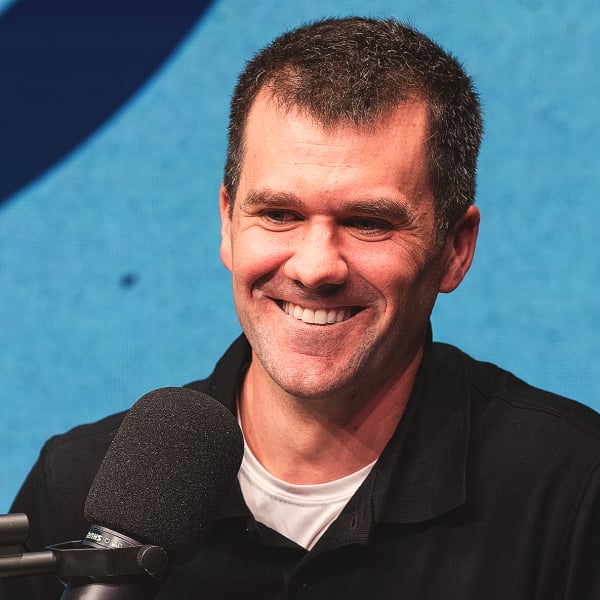
Adam Sylvester
CHARLOTTESVILLE GUTTER PROS AND CHARLOTTESVILLE LAWN CARE
Website: adamsylvester.com
Adam started Charlottesville Lawn Care in 2013 and Charlottesville Gutter Pros in the fall of 2020, in Charlottesville, VA. He likes to say, “I do gutters and grass! When it rains the grass grows and the gutters leak!” He got into owning his own business because he saw it as a huge opportunity to generate great income while living a life that suited him. He believes that small companies can make a serious impact on their communities and on every individual they touch, and he wanted to build a company that could make a big difference. His sweet spot talent is sales and marketing with a strong passion for building a place his team wants to work. Adam values his employees and loves leading people. While operations and efficiency is not something that comes naturally to him, he is constantly working to improve himself and his business in these areas.
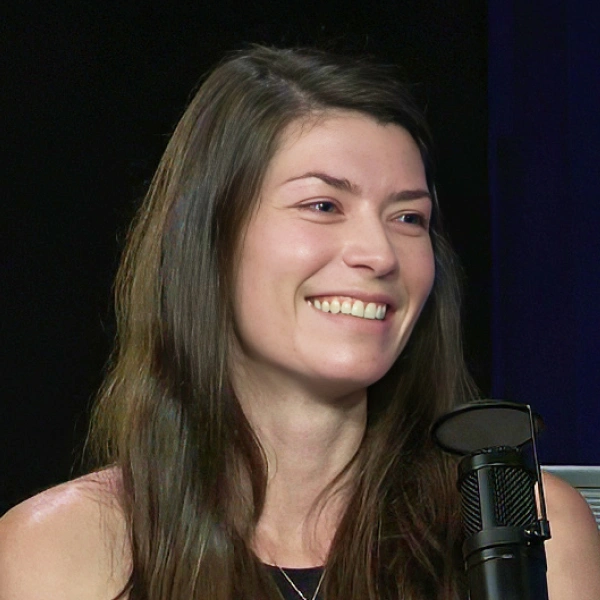
Sadi Ingallina
Ash Tree Enterprises & Grow Your Tree Co.
Instagram: @growyourtreeco
Sadi Ingallina is the owner of Ash Tree Enterprises, an Oregon-based tree service company doing over $2 million annually. She has spent the last 8 years building it into a systems-driven operation focused on efficiency, consistency, and long-term growth.
Known for taking a different approach in the industry, Sadi built much of her company through in-house marketing, direct mail, and strong operational systems rather than relying heavily on digital ads. Today, she runs the business without being in production and helps other tree service owners do the same through her coaching platform, Grow Your Tree Co.
Her focus is simple: build businesses that don’t depend on the owner for everything.
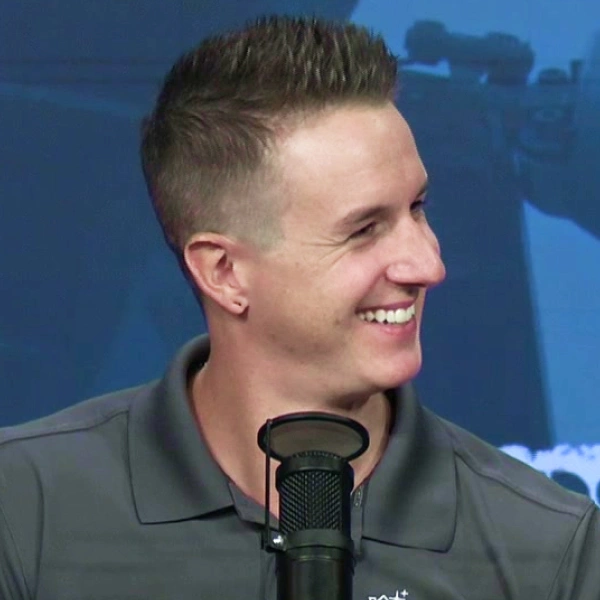
Austin Rogers
Avai Property Solutions
Website: avaipropertysolutions.com
Austin Rogers is the co-owner of Avai Property Solutions, a company that he and his wife, Haley, built from the ground up with a simple mission: to create peace of mind through exceptional service. After leaving a comfortable 13-year career to pursue entrepreneurship, Austin is passionate about building a business that creates opportunities for others, serves clients with excellence, and proves that with faith, hard work, and consistency – ordinary people can build something extraordinary.

SIGN UP FOR the masters of home service newsletter
Get monthly updates with news, tips, and advice on how to run a 5-star business. You don’t want to miss out!
Interested in being a guest on the show?
Are you a home service professional eager to share your insights and experiences? Apply to be a guest on the Masters of Home Service Podcast, and join a community of experts committed to helping others level up through knowledge.
Other Podcasts We Love