 30 Minutes
Why These Service Businesses Stay Small on Purpose
With Jacob Palmer and Ron Bylo


-
Adam: 00:00
It feels like, let’s go ahead and say it feels like this old school way of doing business. You know, that you’re talking to the client, you’re connecting with them, you’re not in a rush to get out of there to go to the next one. My dad always just says you have the lion by its tail. Because if you have a lion by its tail, what are you gonna do? You can’t let go of it or else it’s gonna devour you. You guys don’t have a top lion by its tail. You guys just have a business that you like.
Jacob: 00:18
You’re sitting on top of the line. You’re sitting here.
Adam: 00:23
On Masters of Home Service, usually we’re talking about how to scale your business, how to grow, how to hire more people, and how to get more vehicles and get more leads and get more customers and marketing and sales and all these things. Today we’re gonna come back to our roots and actually talk to and talk about the solo entrepreneur, the person who is so serious about their craft, they just decide to keep it lean, keep it mean, and keep it super efficient and profitable, which is beautiful and I love that. So we’re gonna get into it. Today’s guests are Ron Bylo and Jacob Palmer. Guys, welcome to the show. Thanks for being here.
Jacob: 00:54
Thanks for having me.
Adam: 00:55
So, Jacob, you’re an electrician and Ron, you do excavating, is that right? Okay. Was it a conscious decision, really? Is my question to be a solo person, to just run your business? Was that was that a conscious decision you guys actually made actively?
Ron: 01:10
Um for me it was not. I actually scaled into a few employees and then ultimately landed back to solo after taking that journey.
Adam: 01:17
We’ll get into that. That’s a good that’s good. That’s good to know.
Jacob: 01:20
Jacob? Uh yeah, no, I I made the conscious decision for sure to uh stay solo. Um and I I see that uh at this point in my career as a strategic decision, my overhead uh gets to stay nice and low, and I keep a nice high profit margin. Um and then it also allows me uh to have a it it takes out a lot of the stress that I see from uh business owners who have big teams.
Adam: 01:44
Ron, what was it uh about hiring those those couple people that you mentioned that caused you to go want to go back to just you? Is it just you? Is your wife involved at all?
Ron: 01:54
Or she is my wife does the office side of things, so all the accounting and answering the phone and things like that. Okay. That way I can focus on working out in the field and giving good customer service. Uh we have scaled into, we’ve had a total of four employees work for us off and on. And really what it comes down to is what makes you happy and what’s important to you in life. And what I’ve learned and I’ve experienced this is money and things will not make you happy in life. And I’m retired military, so I’ve been in leadership roles my whole life. And now that I’m in kind of a retirement stage of my life, not really, but kind of, I enjoy running equipment, and that’s what I want to do. And I don’t want to manage employees. And then in my line of work, there’s a lot of overhead that comes with employees, more equipment, more trucks, things like that. More headaches, yes, sir. Yeah, it’s yeah, you it’s you kind of gotta pick your hard. Which hard do you want? Do you want the hard of being a solo operator and dealing with those challenges, or do you want to step out of the machines and be an owner?
Adam: 03:02
I love that because business is for you, man. Like, don’t let someone else tell you how to run your business. If you want to run it that way, that sounds amazing. I think so many of our listeners feel pressured. If I’m and maybe guys can speak to this after I’m finished. I think they feel pressured to scale and grow and hit big, it big, all this. And if that’s not what you want, then don’t do it, right?
Jacob: 03:23
Yeah. Totally. I get that everywhere I go. When I tell somebody new my story, um, that I’m a solo entrepreneur, the invariably they will ask me, Oh, when are you gonna hire? When are you gonna get another tech? Oh, you got a uh a truck here, you can get an extra another truck and have them go out and make you money while you’re there’s there’s headaches that come with that, um, which at this point I’m trying to avoid. Uh and uh staying solo is letting me uh build a reputation for myself very easily. Yeah. Um, and then um also in I I do a lot of uh YouTube content as well, and that enables time to uh to allocate for uh content creation.
Adam: 04:00
If it’s just you on the job site, you have all this flexibility and you can do the social media thing and take video and take as long as you want to, and there’s no pressure to keep him busy or all that kind of stuff.
Jacob: 04:10
It just goes away. And um and it’s it makes it so that I I can be very nimble. I can make uh changes to my process very easily because it’s just me. So I I can uh you know, I don’t have to try to explain some change to a group of people. I can I can uh change my process and see what works for me, see what doesn’t work, see what I like, see what I don’t like. It makes it really easy to gain that experience, which I’m 24 years old. The way I see it, I’m still learning. So I’m trying to uh gain that experience and it it makes it easy while I’m running solo.
Ron: 04:43
I grew into a few employees at a time. And in my line of work in excavation, there’s a lot of overhead, a lot of equipment. And to get the freedom that we’re after, in my opinion, you need to grow to five guys or more and get a project manager, an estimator, things like that. Because in the role I was in, it I just didn’t have that freedom because I was I was kind of a hybrid of an owner-operator with employees. So I was still out in the field working, spending my weekends, bidding jobs late at night, coordinating jobs for my guys, making sure they knew where to go, when to be there, sending pins on a map. I mean, I was literally going out to jobs, making YouTube videos, uploading them, uploading them as private, and then sending them to my guys.
Adam: 05:31
That’s awesome.
Ron: 05:31
Okay, that way they could get like I could walk them through the job, like, okay, do this here, do that there, this is what we’re doing. Yeah. And it was just very taxing.
Adam: 05:41
We call that the messy middle.
Ron: 05:43
Yes.
Adam: 05:43
Where you’re trying to get to the next level, but the mat that middle part is is rough.
Ron: 05:47
Yeah.
Adam: 05:48
There’s something just beautiful about working on your own. The craftsmanship can be so high, you don’t have to worry about an employee messing it up. Let’s talk about how you guys make sure that it’s profitable and that there’s it’s there’s money, there’s it’s lucrative. How do you make sure that that stays stays there, the money?
Ron: 06:05
I would say for me, just I know what my overhead is and I know what I need to make in a day. Like it’s very basic. When you’re a solo operator at my level, I know what I need to make in a day. And if I hit that number, I’m good.
Adam: 06:22
Yeah.
Ron: 06:22
It’s very simple. Yeah.
Adam: 06:23
What is that number for an excavating company?
Ron: 06:25
Just for me, yeah, it’s $1,500 a day.
Adam: 06:28
$1,500 a day, and you’re good.
Ron: 06:30
If I can hit that, I am doing really well. And that allows me to provide uh an experience for my customers that are it’s very professional because I have new equipment, I have the best attachments, um, my truck’s wrapped, I keep everything nice and clean, and and I can provide a really nice customer experience.
Jacob: 06:50
Yeah, I feel pretty much uh a very similar way. If it’s just you that’s running the business, the way I put it for people um when I talk to them about it is you know, I the business exists in my head, pretty much. I am the business, so I I know what my overhead is. I know what I need to be making in a day to be profitable. It makes quoting relatively simple in in that way because it’s uh it’s it’s kind of it’s intuitive. It’s intuitive, is uh yeah.
Adam: 07:15
And you guys both you use Jobber, right?
Jacob: 07:17
Yes, sir. I do use Jobber.
Adam: 07:19
How does Jobber help? Because I know that as a solo entrepreneur, it’s just you and you don’t have a partner, you don’t have a you don’t have an ops guy, you don’t have a a salesperson. So you are doing all of the office, admin, all the support your own. So when it’s just you, how do you handle that stress of of fixing electrical work and grading and doing all other crap that you gotta do? Like, how do you balance that?
Jacob: 07:44
Yeah, well, Jobber definitely, I would say Jobber makes it make it takes a lot of the stress out of it. Um and with all the automations and integrations into bookkeeping platforms, all that stuff, of course. But um the the biggest value I have found with Jobber is that it it puts me visually on par with the other big boys in my area who have uh high-end CRMs and they get all their uh you know automatic on-the-way text messages and emails, and that’s the the the type of stuff that people would expect from a big business. And that and that I think people appreciate from a big business that that clear communication, um, I’m able to achieve that same effect as a solo guy in in my truck.
Adam: 08:26
It makes you look bigger than you are.
Jacob: 08:27
It makes you, yeah. For sure. And um, people, people really appreciate that.
Ron: 08:32
Yeah, and I concur with that 100% now to bring it down to even a lower level, how it benefits me from day to day. My absolute favorite thing with Jobber is how I get notifications of bid requests right there on my phone while I’m working. Like literally a phone mount in my machine. All my leads come through Jobber, they pop up, and we all know that speed is king if you want to get work. So pops up bid request from whoever, click it, call it right there in the machine, you’re good to go. So there’s it cuts out the middle man.
Jacob: 09:06
Yeah, the the the Jobber requests, I I love that I I no longer have to type in the customer’s phone number and email and ask them over the phone when they call it’s already there.
Ron: 09:15
Yeah, it already popped it’s clicked. It puts all their stuff in there for you, which is great. I love it. I love it.
Jacob: 09:20
Yeah, the the the biggest headache is I have to save their contact uh in my phone.
Adam: 09:23
Yeah, yeah, yeah. How do you divvy up your week to make sure that you stay sane? So you’re doing you’re doing the work, but then you have to do these other things, whether it’s calling customers or scheduling next week or all the stuff. We all know it. Our listeners know what I’m talking about. Because here’s the thing there’s a lot of people listening right now that are being really encouraged by what you’re saying because they’re out there solo, they feel like they’re failing because they’re not hiring anybody, and really they’re just doing it right. They’re doing it right and they’re doing the way they want to do it. So they’re encouraged. What would you say to help them to manage their schedule, manage their calendar, and make sure they get everything done? They’re not working seven days a week.
Ron: 09:57
Do the hard things first. Like, I’m just a regular guy that likes running equipment, and making phone calls is not my favorite thing to do. So if I get a lead request coming in, and this is where being solo to me is important because I’m by myself in a machine. If I take a minute, like right when that lead request comes in, just make that phone call right then and there, say, Yes, sir, I just got your bid request. And then we have a conversation and hopefully get a site visit.
Adam: 10:26
So will you stop what you’re doing and make the call?
Ron: 10:29
Yes. Okay. I will.
Adam: 10:30
And why is that? Because speed to lead matters, even in even in excavating and big because your your jobs are big, right?
Ron: 10:35
They are. It’s just a customer service, knowing that I’m timely and gonna be there whenever, just as soon as possible. Yeah. Where I’m at in the country, and it’s probably this way everywhere, people say they just cannot get a cut a contractor to call them back. Like it’s that simple. I get it. So if somebody, if somebody puts a uh a form through our website for some work and I call them within five minutes, they’re like, Oh my goodness.
Jacob: 11:04
Yeah, definitely. I know how you feel on that. Um, I I do uh whenever a uh request uh comes in, um I have a a different way of approaching that. I I spend a lot of time in the field and a lot of times I’ll be in attics and crawl spaces, or I’ll, you know, I’ll be elbow deep in a panel. You know, it may not be safe for me to take a distraction. So what I’ll I’ll usually you you said um uh a minute ago that you you do the the hard thing first. Um I have uh a a similar mindset except my hard thing is usually the work the because I um you know it’s it’s a lot more physical and um labor. And you know, I’m out there working this time of year, it’s hot, so I’ll be out there sweating. Um and then so so so I’ll I’ll I’ll structure it the other way around. I’ll knock out all the work for a day, and then I will do all my office stuff in the end. And I and I do that um by you know, I’m I’m careful not to oversaturate my schedule. And I do that as a service to myself and also my customer.
Adam: 12:01
What do you mean by that? Oversaturate, like book book up too much, fill your schedule up too much?
Jacob: 12:04
Yeah, people people get over optimistic for what they can achieve in a day. You know, they’ll they’ll say, Oh, let’s let’s schedule, let’s pack in all five of these calls in a day, and we’re gonna schedule that all five days of the week. Um, you’re not leaving yourself a lot of room. You’re you’re gonna have to be doing your your office stuff in the evenings and weekends. You know, you’re you’re gonna get you’re sticking yourself. So I I make sure to block time in my schedule for that. I can I call it computer time. I uh block it so that I’m there in front of my screen, either making and sending quotes, responding to those requests. I I respond to some in the field when when it’s appropriate. But um, and and then also um for the YouTube content, I block time for that as well uh for YouTube production.
Ron: 12:43
And and exactly like you’re saying, the whole being realistic, what you can get done in a day, I can elaborate on that for hours.
Adam: 12:50
Let’s get give us something. What are you thinking right now?
Ron: 12:52
So in my line of work, you know, I said I need $1,500 a day. A lot of jobs just they’re not worth that. And that’s fine. Like maybe I’m not the guy for the job. So a lot of guys will run a half day rate, right? Well, from my experience in five years of doing this, there is no such thing as doing two half day jobs in one day.
Adam: 13:12
You are so right. It’s not gonna happen. Come on, you’re that’s so true. Now, why? Well, there’s a lot of people listening that they think they can. You’re gonna tell them why. It’s so true.
Ron: 13:21
The main reason is customer service. You don’t want to rush in and rush out, like you want to take your time. You need to build relationships, especially if you’re a solo guy, because life is about relationships, repeat customers, word of mouth, things like that. So, customer service is number one and spending time with your customers to me is a very important. And then just with me in particular, mobilizing equipment takes a lot of time and effort. So moving a machine from one site to the next two times in one day is very difficult. If you start working 12, 13, 14 hour days, that’s when mistakes happen. So I try not to do that.
Jacob: 14:01
Run smooth, yeah. And customers appreciate that whenever you can, if if you can take an extra, if you could, if if you can afford to take the extra hour to solve whatever problem they have that day, you know, it’s um if you if you can schedule to accommodate stuff like that, unexpected changes, then it uh it it really increases your value to the customer, I would say.
Ron: 14:18
And it’s also it you probably get it too. It’s a lot, well, while you’re here, oh yeah, can you do this? Oh, yeah, and then you’re available for that because now you you’re not tied up.
Adam: 14:27
It feels like I’ll just go ahead and say, it feels like this old school way of doing business, you know, that you’re talking to the client, you’re connecting with them, you’re not in a rush to get out of there to go to the next one. And I’m not throwing shade at listeners who have a bigger business. I’m just saying that is a that is a luxury that you can have. You make your own schedule. And if you want to do a half day or a full day, you choose.
Ron: 14:46
Yeah.
Adam: 14:46
And you’re not bound within the grip bigger system that you have. My dad always just says, Do you have the lion by its tail? Because if you have a lion by its tail, what are you gonna do? You can’t let go of it or else it’s gonna devour you. Yeah, but you also can’t hold on to it forever. So you guys don’t have a top line by its tail. You guys just have a business that you like. Yeah. And I love that.
Jacob: 15:03
We’re sitting on top of the line. You’re sitting here on top of the line.
Adam: 15:06
I love this conversation. Let’s pause it for a second. I want to talk about Jobber because you guys, in some ways, you guys rely on Jobber a lot in some pretty unique ways as solo entrepreneurs. So, how has Jobber been so helpful to you guys in running your solo operations?
Jacob: 15:22
That that clean presentation on the customer side of things, when they get sent a quote, it it looks great, which um, you know, it looks a whole lot better than any email that I could put together for them.
Adam: 15:33
It’s so sleek, isn’t it? Yeah, it’s excellent.
Ron: 15:35
Yeah, I I like the professionalism in the estimates, like he said. And for me, just simply getting the notifications of the leads on my phone to me is the best thing ever.
Adam: 15:46
If you’re not using Jobber and you’ve got leads all over the place on your phone, in your text messages, on a piece of paper in your truck, in your head, all these places, you’re not doing it right. You’re doing you’re losing your losing mind. Go to jobber.com/podcastdeal
, get the exclusive discount, and start getting your sanity back with Jobber. I think the average job size matters a lot. So you guys both have pretty big average job size, I would imagine. Yours is much bigger than an electrician.
Jacob: 16:14
So actually, I gotta correct you there. My average job is very small. Is it? And I go I go after that uh intentionally. Okay. So so my I’ll I’ll just tell you, my average ticket uh is uh about 700 to $1,000. Okay, so you do one or two jobs. Depending on the month. Yes. So I’ll I’ll usually do one or two small jobs a day. The way I’ve positioned myself where I’m at, I am uh I focus on residential service work, the most common homeowner requests, homeowner complaints, um serving homeowners in their primary residences exclusively. I don’t think of myself as an electrical contractor. I think of myself as my customer’s home electrician. Um and I’m there to serve them with whatever stuff they don’t want to do because they are scared of electricity. And that’s okay. And that’s okay. It’s a good instinct.
Adam: 16:59
Yeah.
Jacob: 17:00
That’s a good instinct.
Adam: 17:01
There, so the difference for me is I I you’re not doing 10 stops a day. No. You’re doing one or two, you’re doing one or two of stops a day. I think there are some businesses. I’m thinking lawn mowing is high volume, window cleaning is really high volume, where you’re doing like eight, 10, 12, 14 a day. Bam, bam, bam, bam, bam, bam, which means you’re getting that many more calls a day to get those many leads per day. And that’s when that is I I imagine that’s a lot tougher. Your admin and your phone answering and your callbacks and your scheduling and your it just gets so much bigger. Um, I feel like you guys are in a really nice niche where your your job size is such that you don’t have you’re not overwhelmed with admin stuff. It doesn’t sound like is that is that true?
Jacob: 17:43
No, I don’t know.
Ron: 17:43
Correct.
Jacob: 17:44
I mean I don’t feel overwhelmed by admin at all.
Ron: 17:46
And I do have my wife that helps me out. Wife always helps, of course. Yeah, yeah. She does a great job. Nice.
Adam: 17:50
Okay. Have you ever considered uh getting a freelancer to help?
Jacob: 17:54
I’m curious. I’ve I have been recently um considering hiring freelancers for uh for YouTube content. Yeah. So far, that has been um producing YouTube content is very time consuming if you’re doing it alone. That I have identified as one of the most valuable hires that I could make. Um, because if if I can avoid spending eight hours editing a long video, then you know that’s that’s a whole day I could be out running uh running service calls and making that make money or filming other content to um to feed into YouTube.
Ron: 18:27
Yeah, and I do similar to you, but I view that time as investing in my future. So there you go.
Adam: 18:33
So you you do some you do YouTube stuff too.
Ron: 18:36
Yes, sir, I do.
Adam: 18:36
And but you do all the editing yourself.
Ron: 18:38
Exactly. Just like you all the filming, all the editing, the posting, all of it. I think I will always do my own because in in my line of work, I’m just kind of doing a vlog day-to-day type type of thing. So I know kind of what I want my videos to keep and not keep.
Jacob: 18:53
Definitely. Yeah, giving up that the creative control is something that I’m working through right now, also. It’s it’s your baby, you know. Can I hand it off? And let somebody else do it. You know, I have I have it with, you know, we I feel like we both have a pretty specific vision of what we want to put out into the world. It’s uncertain when you hand that off to somebody else that um that maybe you’ve never met or lived somewhere else or whatever. I’ll I’ll tell you this if you want reassurance, is that in I’ve been you know trying different things with some different editors. Um, I have found that it’s been pretty good results. It may be worth uh giving that a try. There’s good some good editors out there. Unless unless you just really enjoy editing, which I can’t fault you for. Yeah, yeah.
Ron: 19:30
We’ll we’ll have to talk about that some more.
Adam: 19:32
What are some things that you guys have learned that either didn’t work so well or mistakes that you made? Anything that there that you can share with the audience that not not everything was just roses.
Ron: 19:43
My biggest advice I can give a solo operator is to know how to say the word no.
Adam: 19:52
Come on.
Ron: 19:53
Because you’re gonna want to do it all. You’re gonna want to help as many people as you can. I always had the feeling of missing out, and I want to do everything, like because I really enjoy what I do. I love running equipment. I get calls for jobs like, oh, that sounds like fun. I want to do that. Yeah, and I’m like, okay, yeah, I’ll squeeze you in. And next thing you know, I’m just stressed out because I got so much work and I’m I’m still working on how to say no.
Jacob: 20:18
But I I I would agree with that completely. Um, I’m I’m pretty selective with uh with the jobs that I take, learning which jobs work for me and my service style and align with my long-term goals. That’s that’s definitely a skill. The the biggest, I don’t know about mistake, but the thing I’m like working through and learning uh is uh pricing and how I how to value myself as a solo operator. To the homeowner, um, when you when you show up as a solo guy, it’s just you and the company. They see, you know, they see they see Jacob Palmer alone. And um, you know, a lot of people would expect the same, you know, hourly rates from just like hiring a single guy, but it’s it’s that’s just not how that works. And then also when you uh take into account if you’re delivering a higher than average quality pro of product, that is worth more to the customer. If you can deliver a high quality product consistently with a high quality customer experience and uh personal service, that’s valuable to people. Um in especially in today’s age where every business has to be has to be huge. Um people appreciate it. But but learning how to how to value how to put a price on my work has been the trickiest thing. I’m I’m getting better at it, but
Adam: 21:30
Uh did you say it’s but you said people assume you’re cheaper because you’re by yourself? Is that what you said?
Jacob: 21:35
Um yes. Okay. Well, it and well in a way it’s that’s that’s true. I have lower overhead. So so usually I am able to uh give the lowest bid and still make it a profitable job for me. Um I guess maybe I I framed that wrong. I feel like people from the outside, whenever they’re starting as a solo operator, feel like they because like okay, so you just started your electrical business and you left your other job where you were getting paid 25 bucks. An hour, 30 bucks an hour, whatever you’re getting paid, right? That was your last frame of reference. And so now you’re gonna start making quotes for yourself.
Adam: 22:06
$25, $30 an hour.
Jacob: 22:07
$25, $30 an hour. You know, may uh let’s bump let’s bump it up to $50 an hour. Yeah. You know, then that that may not work. So um, so that that’s it’s important to really think that through and know what your what your uh overhead is and and what you need to uh to make it a profitable business.
Adam: 22:23
Yeah. Are there any temptations to spend money that you don’t need to spend in terms of overhead or I’m thinking subscriptions to apps? I don’t know, all kinds of things. Are there things and temptations for you guys to buy that you really don’t need too much, man?
Ron: 22:39
Story of my life. Ask my wife. It’s gonna be in here all the time. I mean I mean I’m in excavation like as little boys, we played in the dirt. So I mean, yeah, I want to get a dozer, and that is the hard. I’m glad you brought that up because staying in my lane has been the hardest thing for me to do because I’m not a big excavation contractor. I literally have a dump truck, a skid steer, and an excavator in an F-450. I get leads that I could justify going and buying a dozer, a high lift. But I am busy and we live a really good life with the equipment I have, so I have to be disciplined to not go buy a dozer.
Adam: 23:19
Wow, that is so encouraging to our listeners, man, because they want to go out and get a fancy truck and yeah, you could rent a dozer for 10 or 12 jobs a year if you wanted to, right? If you consider that, but buying one is it’s so encouraging.
Ron: 23:32
I love that. And just because you get the lead doesn’t mean it’s a job for you, because we get calls all the time for building ponds and lakes and things like that. And could I do it? Yes, but I have all my own equipment that’s specialized to do the things that I’m doing. And if I was to go build a pond, like now I gotta go rent a dozer. Now the equipment I own is sitting. So you got to be smart about your leads and the jobs you take on.
Adam: 23:57
One of the most freeing things is saying no, like you said earlier, saying no. And in addition to saying no, just staying in your sweet spot.
Ron: 24:06
Yes.
Adam: 24:06
And not stepping out. You know, the game Twister, we have like red dots and blue dots and yellow dots. Eventually at the end of the game, you’re all stretched out like that. That’s what a lot of our listeners feel like right now. They’re doing this little division of company, they’re doing this, they’re doing this service, they’re doing that, and they because they’ve never said no before. And they need to just exercise that muscle and say no more.
Jacob: 24:24
And it sucks because it they’re they they mean so well, you know, they’re they they’re doing it because they’re they’re fully convinced that it’s gonna be what’s best for their business. Yeah. And you have to respect that ambition. But yeah, looking at it, um, you’ll you gotta step back and look at it from that third person point of view and and think candidly of like what’s what’s gonna serve my business best.
Ron: 24:42
Yeah, yeah. And I have a really good friend and a mentor, and I had this conversation with him before I even started a company. I said, Daryl, I want to be like you because he’s got a giant excavation company, like multi-million dollar contracts, scrapers, dozers, all that kind of thing. Like, and he said one thing to me that I will never forget. He said, Ron, the more money you make, the more money you spend. And I never forgot that. And and that’s kind of where I’m getting my roots back to because I swayed away from that and hired a few guys, and now I’m right back to where I started, and we’re really happy.
Adam: 25:21
That’s awesome. I love that. All right, there’s people listening here, they’re just like you guys. They might be on the fence, uh, all this pressure, my parents, my my friends, and all the YouTubers and podcasts, and all these people, Adam, tell me to scale, scale, scale. What would you tell them? How would you encourage them?
Ron: 25:38
Know what’s important to you in life and follow that. To me, a lot of guys see me on YouTube, on social media, running machines, being motivational, things like that. But there’s a whole nother side of me that nobody sees, and that’s my family, my wife, and my kids, and they are number one.
Adam: 25:55
And sometimes the business takes us away from that.
Ron: 25:58
Yes.
Adam: 25:59
If we let it get out of control, that now we’re and we’re so focused on the business because it requires so much of us, and we forget about the things that matter the most. Yeah. And that’s really a dangerous place to be.
Ron: 26:08
And owning a good business is something to be proud of. Like, one of the best feelings in the world is when your kids are proud of you. Like, that is the best out of everything I’ve done in my life. That makes me the happiest.
Adam: 26:20
Love that. Yeah. That’s awesome.
Jacob: 26:22
Yeah. Um, I would say that uh, you know, you gotta know what your goals are. Um first. It’s hard to hit a bullseye if you don’t know where your target is. Right. So um, so I would say I I I hate to be discouraging to people who do want to grow the big business, you know, um, because there’s a place in the market for big businesses. And also, you know, it’s no secret that running a solo business, yeah, there’s a there’s a cap on how much money you can make. Sure. We all know that. And then there’s also we we know that there’s the the risks that come along with it with like personal injury, you know, that that would that would screw you up. Follow your gut and do it with confidence. Um, if I I find that if you if you have a vision and you can steer yourself toward it, um I I think I encourage anybody everybody to to go for it uh while you have the time too.
Ron: 27:08
Well, and circling back to what you said earlier, being solos, you can pivot easily.
Jacob: 27:12
Yeah, oh yeah. Yep, there’s that that too, for sure.
Adam: 27:14
All right, guys, I got a lightning round for you. Bam, bam, bam. You guys ready for this? Jacob, what is the single clearest operational sign that a solo contractor is wasting billable time and not actually focusing on the thing that matters the most?
Jacob: 27:27
I guess the the I would see that the most in the people who don’t have a good system set up for their business. I’m talking, I’m talking about the the CRM software side.
Adam: 27:37
Ron, do you ever have moments of weakness and want to go back and try to hire again?
Ron: 27:43
I do because that whole circling back to saying no thing, because I want to help as many people as I can.
Adam: 27:48
Jacob, what’s your best advice for a solo guy to avoid the pressure of hiring and growing when they don’t want when they don’t really want to?
Jacob: 27:55
Don’t be affected by the press. Do you have confidence? Only only a fraction of adults will start in a business at all in their lives. And the fact that you did should should give you a lot of confidence in yourself.
Adam: 28:06
All right, last question for both of you, Ron. What’s the best part of being solo?
Ron: 28:10
Doing what I love and the freedom and helping others.
Adam: 28:13
Jacob.
Jacob: 28:13
I’m free. I feel totally free. And nobody can tell me what to do except for my customer and an electrical inspector.
Adam: 28:20
Guys, thanks for being here. This was a great episode. I think you spoke to the heart of so many solo people working, men and women out there that are just doing their thing at a high level and they can be happy as clams, just like you guys are. So you’re a great example for them. And I really appreciate you guys just telling them just how it is and how you guys do it, and that you’re happy. That’s what’s gonna be you’re you’re happy and you’re satisfied. And that’s really that’s really refreshing. So thank you. Ron, how do people find out more about you and what you do?
Ron: 28:46
Um, just simply Google Bylo Acres Excavation & Grading. I have a YouTube channel, all the social medias.
Adam: 28:52
Jacob.
Jacob: 28:53
Uh, you can find all my info on uh palmerelectricalservices.com, or you can go to YouTube and check out the Palmer Electrical YouTube channel. I spend a lot of time talking about exactly what we were talking about here today.
Adam: 29:07
Your family, your friends, your your following online, they’re all better for it for you guys being out there. So keep up the good work. Appreciate it, good hustle, keep it up.
Ron: 29:15
Thank you.
Jacob: 29:15
Thanks, Adam.
Adam: 29:16
If you’re thinking about starting a business, this episode is for you. Next week, we’re comparing the real costs, risks, and opportunities behind building your own brand versus buying into a franchise. And thank you for listening. I hope that you’re totally inspired today. I know I was, and I hope that you will just build the business that’s right for you. I’m your host, Adam Sylvester. You can find me at adamsylvester.com. Your team, your clients, and your family deserve your very best. So go give it to them.
About the speakers
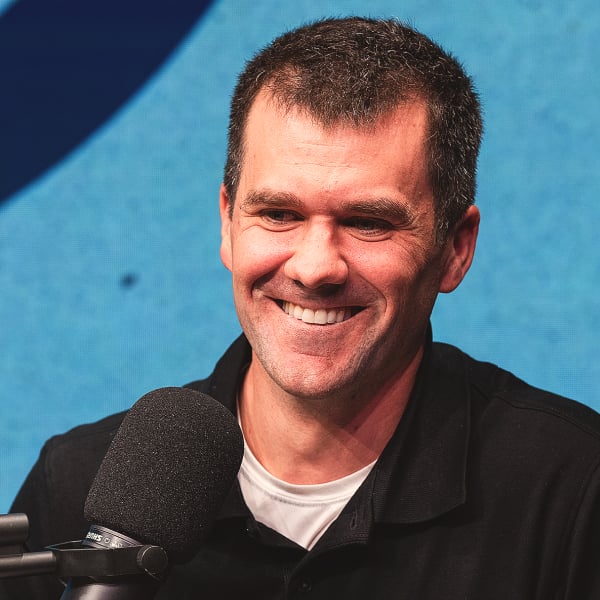
Adam Sylvester
CHARLOTTESVILLE GUTTER PROS AND CHARLOTTESVILLE LAWN CARE
Website: adamsylvester.com
Adam started Charlottesville Lawn Care in 2013 and Charlottesville Gutter Pros in the fall of 2020, in Charlottesville, VA. He likes to say, “I do gutters and grass! When it rains the grass grows and the gutters leak!” He got into owning his own business because he saw it as a huge opportunity to generate great income while living a life that suited him. He believes that small companies can make a serious impact on their communities and on every individual they touch, and he wanted to build a company that could make a big difference. His sweet spot talent is sales and marketing with a strong passion for building a place his team wants to work. Adam values his employees and loves leading people. While operations and efficiency is not something that comes naturally to him, he is constantly working to improve himself and his business in these areas.
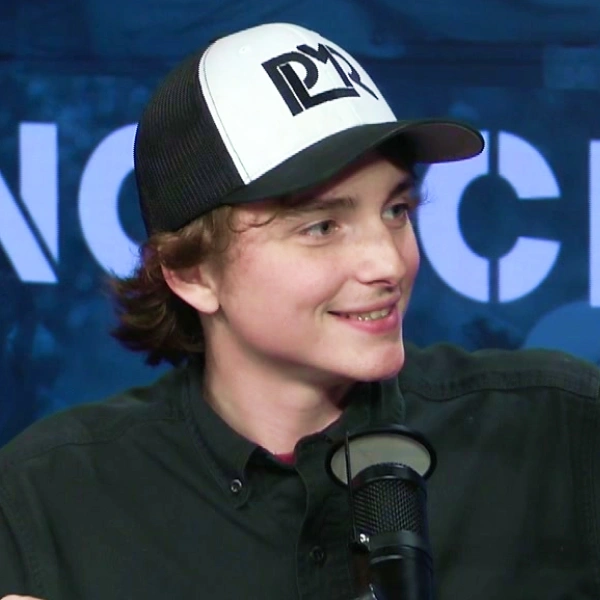
Jacob Palmer
Palmer Electrical
YouTube: @PalmerElectrical
Jacob Palmer is a 24 year-old licensed electrician, solo contractor, and content creator based in North Carolina. His approach to business is intentionally simple and accessible, emphasizing good work, honest communication, and practical solutions instead of overly complicated strategies. Through his YouTube videos, Jacob offers a candid look at modern electrical work, small-business ownership, and life in the skilled trades with his growing audience of over 50,000 subscribers. His goal is to make the electrical industry more accessible to homeowners and to inspire young people to consider careers in the trades.
Ron Bylo
Bylo Acres Excavation & Grading
Website: bylocres.com
YouTube: @byloacres
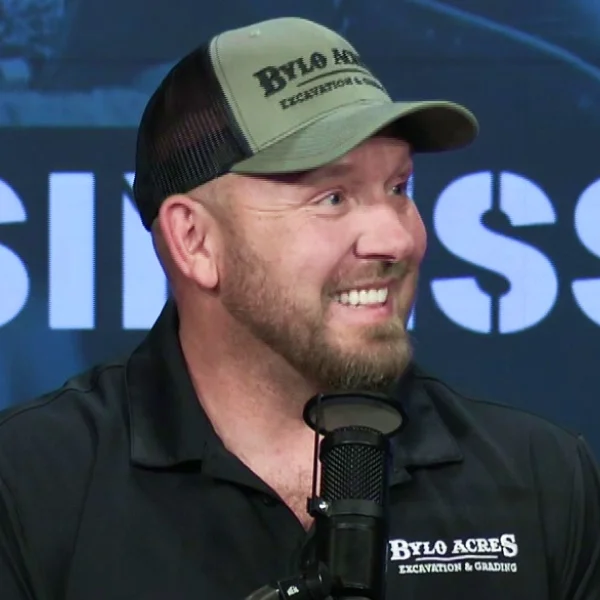
Ron Bylo is the owner of Bylo Acres Excavation & Grading, a veteran-owned excavation company based in central Missouri. After serving 20 years in the military, Ron transitioned into entrepreneurship and built his excavation business from the ground up while still working full-time before eventually making the leap into the business full-time.
Today, Ron specializes in driveway construction and repair, forestry mulching, and land improvement projects, serving homeowners and rural property owners throughout the Lake of the Ozarks and Jefferson City region. As a true owner-operator, he handles every aspect of the business—from estimating jobs and operating equipment to customer service, marketing, and business management.

SIGN UP FOR the masters of home service newsletter
Get monthly updates with news, tips, and advice on how to run a 5-star business. You don’t want to miss out!
Interested in being a guest on the show?
Are you a home service professional eager to share your insights and experiences? Apply to be a guest on the Masters of Home Service Podcast, and join a community of experts committed to helping others level up through knowledge.
Other Podcasts We Love