 15 Minutes
How to Add New Services (Without Sinking Your Business)
With Kasy Allen, Austin Rogers, and Haley Rogers


-
Adam (00:00):
Kasy, tell me something that you overlooked in the beginning when you added a new service.
Kasy (00:04):
Probably not investing the time and the data.
Adam (00:07):
Austin, what did you overlook when you added a new service?
Austin (00:10):
The time it would take for myself to learn.
Adam (00:12):
Haley, what did you overlook?
Haley (00:13):
I think the importance of walkthroughs, not going into a job blindly.
Adam (00:22):
I don’t know about you, but I often spend a lot of money and time trying to get new customers, just getting new customers, new customers, new customers. And that’s fine, but it’s actually a lot easier to just sell to your existing client base, either cross-selling or upselling. We’re going to talk today about how to add a new service to your company the right way. And my guests today had done that both really well. Kasy Allen and Haley and Austin Rogers are here. Guys, thanks for being here. Appreciate it.
Haley (00:49):
Thanks for having us.
Kasy (00:50):
Thanks for having us.
Austin (00:51):
Yeah, thank you.
Adam (00:51):
Yeah, yeah, yeah. Austin and Haley, when you guys decided, we do house cleaning, but now we want to start branching out, what was the main driver behind that decision to start doing additional things?
Austin (01:02):
We knew that there was other services that we want to incorporate. It was going to be in the cleaning realm. We’re not nearly as advanced as these guys doing remodels and stuff like that. But yeah, the nice thing about the cleaning, and we look at it more of like an upsell to be able to say, Hey, we do the interior stuff. We can also do the exterior stuff. We want to be the one-stop shop. I mean, property managers, they don’t want to have 20 different vendors. They want one person build that reputation with that one client. It’s a huge thing for us in our niche, is being able to target property managers and be able to fulfill everything they need for the one home.
Adam (01:33):
So you started off with house cleaning, right, Haley? And then what do you guys do now?
Austin (01:37):
We offer exterior power washing, soft washing, window washing.
Adam (01:41):
And those are complimentary services. You’re not doing plumbing.
Haley (01:45):
No.
Adam (01:46):
Is that important, Kasy, to keep it complimentary?
Kasy (01:49):
Absolutely. So we started, our first five clients were cleaning clients. We live in a ski resort community where 80% of our homes are second homeowners. So we started with cleaning, but quickly found that there are other services that we can provide to help care for their homes. So then we similarly added window cleaning, and then more recently, probably about two years ago, got into remodeling and painting. So a lot of times I can have a client that comes in as a remodeling client and then turn them into a re-occurring cleaning client.
Adam (02:17):
Do y’all use your same people to do these other services or do you hire new people to do the new service?
Haley (02:23):
We hire new people because our short-term rentals, they’re very specific, very dainty, just tedious kind of work. And then the exterior is grunt work. So we kind of needed, I don’t know, the separation from sending an interior cleaner to soft wash a house. It just wasn’t,
Kasy (02:41):
That’s different.
Haley (02:42):
Yeah. Yeah, it’s totally different.
Adam (02:44):
Do you agree with that?
Kasy (02:44):
We do the same thing. So we have our cleaning team, and then we have our home service team. One of our quick rules is our clean team cannot go above a two-step ladder, but our home service team can go higher. So our home service team will do the windows where our clean team will do the smaller things down below.
Adam (03:02):
I’ve talked to people before who are an employee of a company who say, Yeah, my company’s rolling out this new thing and I don’t want to do that. That’s not what I was hired for. So there can be this sense of bait and switch. Well, I hired you to clean windows, but now you’re going to start doing this other stuff. Maybe they’re a team player and they don’t care, but I also think it’s valid, a valid complaint if someone says, Well, that’s not really what I signed up for. It sounds like you guys aren’t really encountering that though because you are keeping it separate.
Austin (03:27):
I know there’s some businesses that do that whole cross-training where it’s like they bring somebody in, they want them to be familiar with the whole company. We understand that, and I think that’s a great model. And some of our exterior guys actually do some of the interior work too, and they like it. They’re like, Hey, that’s kind of a switch up in my day. I don’t mind that. But I think it is so individually based on that, whether you’re the owner or you’re the worker, they’re like, I signed up to clean windows. I signed up to pressure wash. Don’t you put me in a house and make a bed. So we understand that, and I think you just have to communicate that well and see what works best for your team.
Kasy (03:58):
I think it’s also a culture fit. You kind of hire for that too. I’m hiring you to be on the clean team, but there may be instances, for example, your schedule, all the cleans for today just canceled. So you have two choices. Either you don’t work today or we have a window clean if you want to try it, and they can go and do window cleans. They’re cleaning shower doors that are massive. They already know how to use the squeegee. It’s easy for them to do it.
Adam (04:21):
So how do you guys manage the office backend side of things once you start releasing these new services? Because it can get a little messy. Who handles what? Who’s in control? How do you schedule it? How do you manage these things from an admin standpoint?
Haley (04:38):
I do a lot of the scheduling through Jobber and to have it be for our benefit on the scheduling side because we have so many cleanings come in. And now with the addition of power washing, it can get a little crazy. So I color code everything on our schedule through Jobber. So our exterior is all green. Interior is all pretty pinks and purples and stuff. So it’s easy to view just from me looking at it. And I’m sure when you look at it too, you can tell a difference. Other than that, I think having Jobber just in general helps with that, with everything to keep it organized too.
Adam (05:11):
In order to color code, that means you have to have a very consistent naming convention in the titles of the job, right?
Haley (05:17):
Yeah. So it’s actually our staff that are color-coded.
Adam (05:20):
That’s what I want to get to. So you color-code based on staff.
Haley (05:22):
Staff. Yeah.
Kasy (05:23):
The color coding is really important. And you can turn on and off people, meaning you can use a filter to see just my clean team for the day schedule or just the home service team schedule for the day.
Adam (05:33):
When you’re offering a lot of different services, you have to sell them. Imagine Jobber helps you guys do that in really unique ways.
Kasy (05:40):
So Jobber has custom forms. I actually have a form for each of my services. And at the bottom of the form, I can do cross-sells. And so with that cross promotion and those forms, it really helps us sell it when the person is in the buying stage.
Haley (05:53):
Yeah, I think the quoting tool has been massive success for us. Our clients being able to fully build out their own quote with their initial power washing and then the additional optional services they can just add on themselves. So it feels like they’re the ones that are choosing more services.
Austin (06:14):
Yeah. And then, I mean, the scheduling is so big for us, like Haley said earlier. I think there’s just something being able to have a visual representation of who’s doing what today and where are we missing some colors that we could fill in. So the scheduling is huge and our team loves it. I feel like we don’t even have to train people on their schedule. We just say, Hey, download this app. And next thing you know, they’re like, Cool, I’m on my way there. So we think the scheduling and the field app on what the team uses is so great.
Adam (06:42):
If you’re not using Jobber, you’re just not doing it right. We all use Jobber. You need to use it as well. So go to jobber.com/podcastdeal. Get your exclusive discount, start your free trial. And as soon as you get in there, you’ll see how easy and simple it is. And you’ll be like, Oh, I should have done this a long time ago. So start today.
(07:00)
How do you test the waters? Do you start asking people if they’d be interested in that service at all? You don’t just go out and buy all that stuff, I hope, I assume, or maybe you do. I don’t know. Let’s get into that. How do you test the waters, so to speak, so you’re not just jumping into something that’s not really a thing?
Austin (07:15):
I mean, there’s an expense. Totally. I mean, you’re looking at upwards of seven to 20 grand for a pressure washing rig. I mean, yeah, you can go to Home Depot, you can go buy the little pressure washer, but that’s not what we’re doing. We’re doing full soft wash where we need equipment, high gallons a minute. I mean, it’s much more than what you would think pressure washing.
Austin (07:33):
It’s pro.
Adam (07:33):
Yeah, it’s pro. You need the trailers, you need all that stuff. So for us, we knew that, hey, if we’re going to invest that kind of money, we need to assure. We reached out to previous property managers that we worked with, other people, just kind of got that feel of like, Hey, is this something needed? I guess market research is a good way to think of it. Is this a needed service?
Kasy (07:51):
Any house is where we’re doing an onsite assessment. If they hired us for cleaning, for example, we’ll do the same thing where we point out the windows and say, and then we do hot tub services too, right? And we do the windows and we do holiday light. We do a lot of things. My client is a second homeowner and now they’re starting to feel cared for, not overwhelmed, cared for. If you’re spending six hours cleaning on Sunday, your entire Sunday’s already gone. So if you let me take care of the cleaning part of the hot tub part of the things that are dragging this down, again, I earned your trust and I’m getting a lifetime client.
Adam (08:20):
Let’s talk about the profitability side, because it’s easy to jump into a service and start pressure washing every house. It’s one thing to make it money doing it. It’s one thing if you get into home remodeling, but you’re actually just breaking even. We don’t want that. So how do we make sure? What are you guys doing to make sure that we’re actually tracking our costs and making sure that these things are just as profitable or at least profitable enough to justify doing them?
Kasy (08:44):
So I actually, of course, used AI and love Claude. Claude is really good at helping code and beautify data. And by that I mean taking something that’s complicated and making it super, super simple. I need to be able to see all that data and then break it up and see how much I’m spending on labor, how much revenue I’m getting, and then bring in the expenses as well. Using AI, I can quickly do that in Google Sheets and with automation through Zaps.
Austin (09:12):
A little cheat code that I’ve been using is I take my Google Sheets where I pretty much track P&Ls, just money in, money out. And I have a broken down in services, whether it’s even nitty-gritty stuff, deep clean versus basic clean versus short-term rental cleans, windows, pressure washing, gutter cleaning, all that stuff is all kind of broken out. I literally will just have, I use ChatGPT and just say, Hey, Chat, take this, take this P&L. Tell me where these numbers might look off or tell me where I’m making the most money. It’s at least enough to say like, Hey, we’re not losing our butts, so that’s a good thing.
Kasy (09:40):
So I saw a social post on Facebook last week, but supposedly you can connect QuickBooks with Claude and you can ask Claude to tell you statuses.
Austin (09:50):
Oh, wow.
Kasy (09:50):
So what you’re doing, I think is months away.
Adam (09:54):
It’s next level dude.
Austin (09:55):
Yeah, time. Get with it.
Adam (10:00):
For people like us that have low average job size guys, I think that some people get this dream of, oh, now we’ll do bigger jobs. But bigger jobs have a whole different infrastructure. They need bigger equipment, and it can really sink you if you just jump into that thinking it’s just like window cleaning. It might not be. This big thing that you’re trying to do might be a totally different ball game.
Austin (10:19):
Those high tickets, a lot of it comes with expenses of all of the supplies and stuff like that. And you have weeks, if not maybe a month of time invested in that one house. Pressure washing’s a little higher of a ticket, but it’s still a two, three hour, maybe four hour job and we’re in and out of there. So I think when you start looking at profit margins and stuff like that, it does matter on is this worth applying?
Kasy (10:40):
I would add that if I was to do a playbook or a step-by-step, I would say research is the first part. Is it a right fit for our clients? Is it right fit for the market? What is the return going to be like if we spend the money on all of these things? And also when you’re going out, you have to protect the reputation you already built. So you have to be the best when you get out there. You can’t wing it and be like, Hey, we’re window washers now. No, you need to be the best.
Adam (11:04):
Well, how do you do that if you’ve never done before?
Kasy (11:07):
Great question. You go to conventions, you watch a lot of YouTube. The window industry is huge. There’s tons of window cleaning videos on YouTube. I’m sure same for pressure washing. And then the beauty behind YouTube is the creators that are doing this content, you can reach out to them directly and ask them questions. Majority of them are super, super helpful and absolutely love answering your questions.
Adam (11:29):
Let’s talk about the messaging around cross-selling. How do you make sure that your clients know that you do this other thing over here? Because the worst a business owner can hear is, Oh, who cleaned your windows? Oh, this other company over here. Well, you know we do that, right? No, I had no idea. It’s just that’s the worst. So how do you make sure your clients know that you do all this stuff?
Haley (11:49):
Yeah, I mean, we post on social media. A lot of our property managers follow us on Instagram, so we just do a lot of posting that way.
Adam (11:56):
There’s not much more eye candy than pressure washing, the before and after. And so if house cleaning, some photos on social media, it’s hard to capture how clean it is. It just looks like a clean house. But with pressure washing, before and after is night and day, isn’t it?
Haley (12:11):
Absolutely. And it’s just satisfying to watch, just like algae melt off a house. I also think the personality behind videos, not just the before and afters, those are huge just to show your work, but people want to know you too. They want to connect with you over a reel or a social media. So just showing your personality and connecting with them through your video that way.
Kasy (12:33):
I agree. And I’m hearing that more and more is that more of your branding isn’t just the logo, it’s you. And they want to see your face and they want to connect with you. I’m really big into my community and a lot of people know me already, but when I started doing videos and having my face in the video, we got so many more interactions.
Adam (12:52):
All right, you guys ready for a lightning round here?
Kasy (12:54):
Sure.
Adam (12:54):
I’m going to ask you some questions. Put your helmets on. Okay. Kasy, how long does it take to know if a new service was a good idea?
Kasy (13:04):
I would probably give it six months.
Adam (13:05):
Haley, describe your favorite client.
Haley (13:09):
The client that’s just like, I trust you. Just do what you think needs it and send me the bill.
Adam (13:16):
Austin, what’s your favorite service?
Austin (13:19):
Soft washing, man. All day.
Adam (13:21):
Kasy, tell me something that you overlooked in the beginning when you added a new service.
Kasy (13:26):
Probably not investing the time and the data. At the beginning, we would add new services and not necessarily look into the data as much as we should. And all the data was in one. So breaking it up into each service has really, really helped us.
Adam (13:40):
Austin, what did you overlook when you added a new service?
Austin (13:43):
The time it would take for myself to learn.
Adam (13:45):
Haley, what did you overlook?
Haley (13:47):
I think the importance of walkthroughs, not going into a job blindly.
Adam (13:53):
Bingo. You guys crushed it. Thanks for being here today.
Haley (13:55):
Thank you.
Adam (13:55):
How do people find out about you?
Kasy (13:57):
You can contact me at Wheatley Creek on all of our socials and then wheatleycreek.com.
Austin (14:03):
Yeah, all of our socials. You can find us at avaipropertysolutions.com. All our social is the same.
Adam (14:08):
Great. Guys, thanks for being here. That was awesome. You guys are rocking it and you just made the podcast better, so thanks for being here.
Haley (14:16):
Thank you.
Kasy (14:16):
Thank you.
Austin (14:17):
Appreciate it.
Kasy (14:18):
If your brand looks like everyone else’s, customers probably think it is. Next week we’re exploring how memorable brands stand out, attract better customers, and command stronger pricing. And thank you for listening. I hope that you heard something today that will help you start brainstorming. Do I add a new service on? How do I do it right? What are the things that are important? And just be very proactive about some of the things that can trip you up. I think that was really helpful. I’m your host, Adam Sylvester. You can find me at adamsylvester.com. Your team and your clients and your family deserve your very best, so go give it to them.
About the speakers

Adam Sylvester
CHARLOTTESVILLE GUTTER PROS AND CHARLOTTESVILLE LAWN CARE
Website: adamsylvester.com
Adam started Charlottesville Lawn Care in 2013 and Charlottesville Gutter Pros in the fall of 2020, in Charlottesville, VA. He likes to say, “I do gutters and grass! When it rains the grass grows and the gutters leak!” He got into owning his own business because he saw it as a huge opportunity to generate great income while living a life that suited him. He believes that small companies can make a serious impact on their communities and on every individual they touch, and he wanted to build a company that could make a big difference. His sweet spot talent is sales and marketing with a strong passion for building a place his team wants to work. Adam values his employees and loves leading people. While operations and efficiency is not something that comes naturally to him, he is constantly working to improve himself and his business in these areas.
Kasy Allen
Wheatley Creek Services
Website: wheatleycreek.com
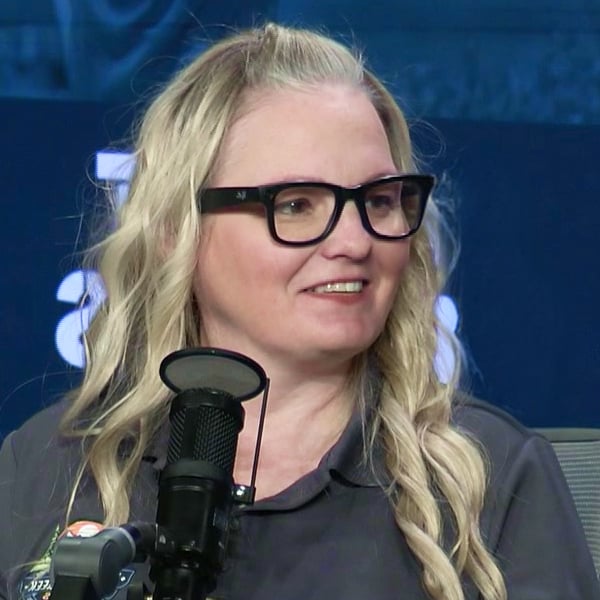
Kasy Allen is a seasoned digital marketing professional with over 20 years of experience, specializing in SEO and community-focused growth strategies. As the owner of West Agate Digital and COO of Wheatley Creek Services in Grand County, Colorado, she elevates brands by merging online marketing finesse with deep local connections. Kasy also serves as the President of the Board of Directors at Destination Granby, driving community engagement and growth. Connect with her on Facebook, Instagram, or LinkedIn.
Austin Rogers
Avai Property Solutions
Website: avaipropertysolutions.com
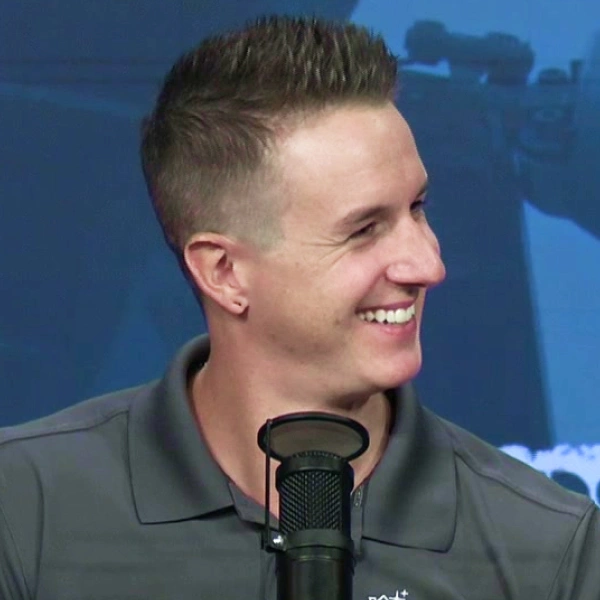
Austin Rogers is the co-owner of Avai Property Solutions, a company that he and his wife, Haley, built from the ground up with a simple mission: to create peace of mind through exceptional service. After leaving a comfortable 13-year career to pursue entrepreneurship, Austin is passionate about building a business that creates opportunities for others, serves clients with excellence, and proves that with faith, hard work, and consistency – ordinary people can build something extraordinary.

Haley Rogers
Avai Property Solutions
Website: avaipropertysolutions.com
Haley Rogers is the co-owner of Avai Property Solutions, where she leads many of the company’s operations, client experience, and organizational systems. As a business owner, wife, and leader, Haley is passionate about creating exceptional experiences for clients while building a company that genuinely cares for its employees and community. She believes that great businesses are built through faith, integrity, consistency, and putting people first.
SIGN UP FOR the masters of home service newsletter
Get monthly updates with news, tips, and advice on how to run a 5-star business. You don’t want to miss out!
Interested in being a guest on the show?
Are you a home service professional eager to share your insights and experiences? Apply to be a guest on the Masters of Home Service Podcast, and join a community of experts committed to helping others level up through knowledge.
Other Podcasts We Love