



Skip to content

How to Grow a Plumbing Business: 18 Ideas to Get You Started

Profile picture for Grace Struth, freelance writer for Jobber Academy
Grace Struth
Jan 14, 2026 19 min read
Start Trial

Key takeaways:

With steady demand for service calls, installs, and maintenance work, your plumbing business will reach a point where you’re ready to grow—but your company needs to be prepared first.

The right processes and tools can help you take on more plumbing jobs and consistently provide exceptional customer service without adding extra chaos to your workday.

This guide explores how to grow a small plumbing business in a practical, manageable way. You’ll learn how to improve operations, attract new business, increase profit, and scale your company while maintaining the service quality your customers expect.

1. Revisit your business plan to support growth

You most likely wrote a business plan when you started your plumbing business. Now that you’ve been operating for a while, it’s time to revisit your business plan and make sure it’s structured for growth.

With a business plan, you can expand 30% more quickly than you would without one. Your new business plan should answer questions like:

  • What does the market look like? What other plumbing businesses are you competing with in your service area? What services do they offer? How much do they charge?
  • Who is your ideal customer? What kind of customer do you want to work with (e.g., residential, commercial)? Is this the same customer base you’re serving right now? If these two groups aren’t the same, what will it take to move from one group to the other?
  • What plumbing services do your customers need? Are you currently providing these services? Do you need to add or discontinue services? Do these services align with the kind of plumbing business you want to run?
  • What is your unique selling proposition (USP)? Your USP tells customers what makes your business different. Has that USP changed since you started the business? Should it change to better address your customers’ needs?
  • How is your business doing financially? What are you spending money on (e.g., plumbing tools and supplies, plumbing insurance, plumbing software)? Are you running into issues with cash flow? Should you raise your prices?

LISTEN NOW: Why your business is plateauing (and how to fix it)

At this point, you should also figure out how much you need to spend on growth. This is an essential component of your plumbing business plan, especially if you’re going to apply for business loans.

Growth is always outside of your comfort zone.

2. Look for opportunities within your market

To grow a plumbing business, you need to understand the market you’re operating in. See where demand is strong, where competitors are focusing their efforts, and where there are gaps that your company can fill.

You can gain a deeper understanding of your local market by doing a PESTLE analysis. This explores some of the different considerations that affect customers and buying behavior in your area, such as:

  • Political: Licensing, permits, inspections, or municipal projects
  • Economic: Material costs, labor availability, and housing/construction trends
  • Social: Customer expectations for service and experience
  • Technological: Tools and software that local contractors use to improve efficiency
  • Legal: Labor laws, safety standards, insurance, and compliance rules
  • Environmental: Aging pipes, water quality issues, or weather-related risks that increase demand for repairs and upgrades

When your PESTLE analysis is done, you can decide which growth opportunities make sense for your business. Consider these possibilities if your market has room to grow:

  • Offer different plumbing services that are in demand but not provided by competitors
  • Open a second location to serve new areas without overloading your crew
  • Acquire another business, including its customers, staff, and systems
  • Buy into a plumbing franchise to take advantage of their brand and processes
  • Start your own franchise and grow by managing other business owners

READ MORE: Plumbing franchise opportunities

3. Assess your pricing to ensure it’s profitable

Regularly review your prices for plumbing jobs to confirm all your costs are covered, including overhead, labor, materials, and profit margin. This helps ensure you have the resources you need to continue growing the business.

Follow this process to make sure your plumbing jobs are turning a profit:

  1. Know your numbers. Calculate what it costs to run your business in a month, including technician wages, business insurance, parts, plumbing software, marketing, and other expenses. Now divide that total cost by the number of working hours every month. That’s the hourly rate you need to earn just to break even.
  2. Add in profit. Make sure your markup reflects the profit you need. Say a job costs $260 in overhead, labor, and materials—to maintain a 35% profit margin, you should charge $400, giving you $140 in profit. Whatever you charge for a job, make sure that a minimum profit margin is always included.
  3. Set situational rates. Charge minimum rates or service call fees so you’re paid properly for your time, even if it’s just a quick repair job. After-hours and emergency jobs should also have a higher fee since you’re cutting into your personal time.
  4. Stay competitive. Track what other plumbers in your area are charging. Don’t try to undercut them—you don’t know their expenses or profit margins. You’re just trying to make sure your prices meet customers’ expectations while still covering your costs.
  5. Review and refine regularly. All of your costs will change over time, so review your pricing strategy every quarter. When costs increase, you can either raise your prices or cut other costs elsewhere in the business.

4. Set measurable goals for growing your business

There are lots of ways to grow a plumbing business, so find which ones work best for you. Consider whether you want to focus on goals like:

  • Raising your prices by 10% starting next month.
  • Winning 10 new customers in the next three months.
  • Hiring three new plumbers in the next six months.
  • Expanding your service area in the next nine months.
  • Buying two new trucks or vans before the end of the year.
  • Gaining three plumbing franchises in three years.
  • Selling the business for $2 million in five years.

From there, you can figure out what it’ll take to achieve your business goals. You might need to focus on hiring, or maybe you need to build out your digital marketing strategy.

Whatever goals you set, make sure they’re SMART: Specific, Measurable, Achievable, Realistic, and Time-bound. That way, you’ll know when you’ve reached your goals and when you’re ready to set new ones.

Pro Tip: Stay on track with your goals by setting weekly or monthly check-in points. You can also make a step-by-step list of tasks required to meet those goals and keep track of your progress.

One of my mentors told me to slow down to speed up. It is some of the best advice I’ve ever gotten.

5. Update your company branding to attract ideal customers

Depending on your business plan and growth goals, you might need to rebrand your plumbing business—especially if you’re targeting a new ideal customer or service area.

You already created a service business brand when you started the company, but double-check to make sure the brand aligns with your updated business plan and customers’ expectations. 

To present your business as a professional and reliable service provider, you’ll need to:

  • Define your mission, vision, and values to guide your business’s decisions during this next stage of growth.
  • Analyze your plumbing company name to ensure it’s unique, memorable, easy to say and spell, and accurate for your growing business.
  • Assess your logo, colors, and fonts to make sure the brand is visually appealing to potential customers.
  • Update your marketing materials to match the new brand, including your plumbing business cards, website, flyers, uniforms, and work vehicles.

With your updated brand in place, you can start advertising your plumbing business to potential customers. Just make sure you use the brand consistently so people will recognize and trust it.

Our vans are big, white, big blue leaf all over them, very well branded.

Once you see us once, you’re going to see us every day.

6. Build a dedicated team with a healthy company culture

Scaling your plumbing business usually means expanding your team, too. As you hire new employees, follow these tips to build a high-performance team that wants to help the business succeed:

  • Hire the right technicians. Write up a plumber job description and prepare a list of plumbing interview questions to find the best candidates. Consider hiring different types of plumbers if you plan to offer specialty services to residential or commercial customers.
  • Build a positive company culture. In addition to a competitive paycheck, offer an environment where your team will love coming to work. Celebrate successes, recognize their wins, provide training (not punishment) after mistakes, and offer employee bonuses or incentives to keep your team motivated.
  • Allow room for upward growth. Your plumbers are more likely to build a long-term career with you if they can advance within the company. Offer training and mentorship programs to help your team grow their professional skills.
  • Set clear expectations and processes. A well-organized workflow and clear communication can help prevent confusion and frustration on the job. When your team knows what to expect, they’ll be happier in the workplace and stay for years.
  • Provide the right tools for the job. Give your techs modern equipment and keep service vehicles in good repair. This will make their jobs easier and improve efficiency, letting you fit more jobs into a single day.
  • Encourage feedback. Regular team meetings and check-ins give employees a place to share ideas and opinions, as well as identify potential issues early. When your team feels heard, they’re more engaged and committed.
  • Recognize work-life balance. Plumbing can be a physically demanding and unpredictable job. Encourage fair scheduling and respect for personal time to reduce burnout and keep your staff healthy and productive.

READ MORE: Where to find employees for your small business

7. Streamline your company processes to handle more work

Consistency prepares your business for growth, so create processes for every task and train your team to follow them. These processes could include:

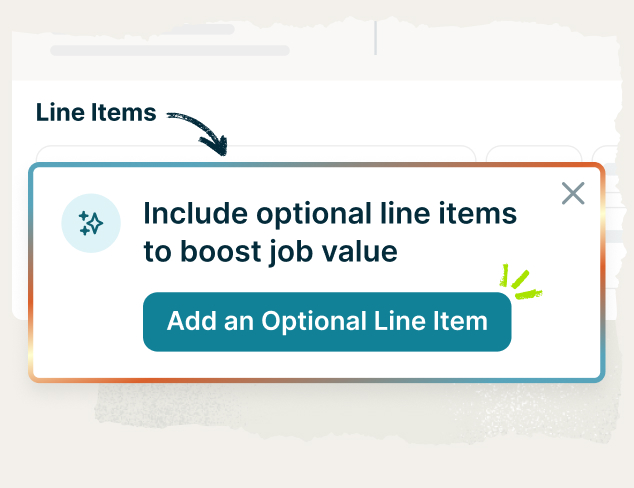
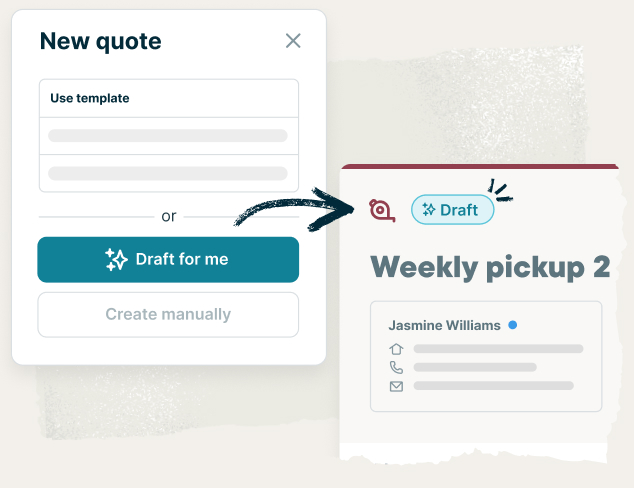
  • Using job quoting software like Jobber to create custom quotes, including work scope, optional line items, and images of the job site or recommended products.
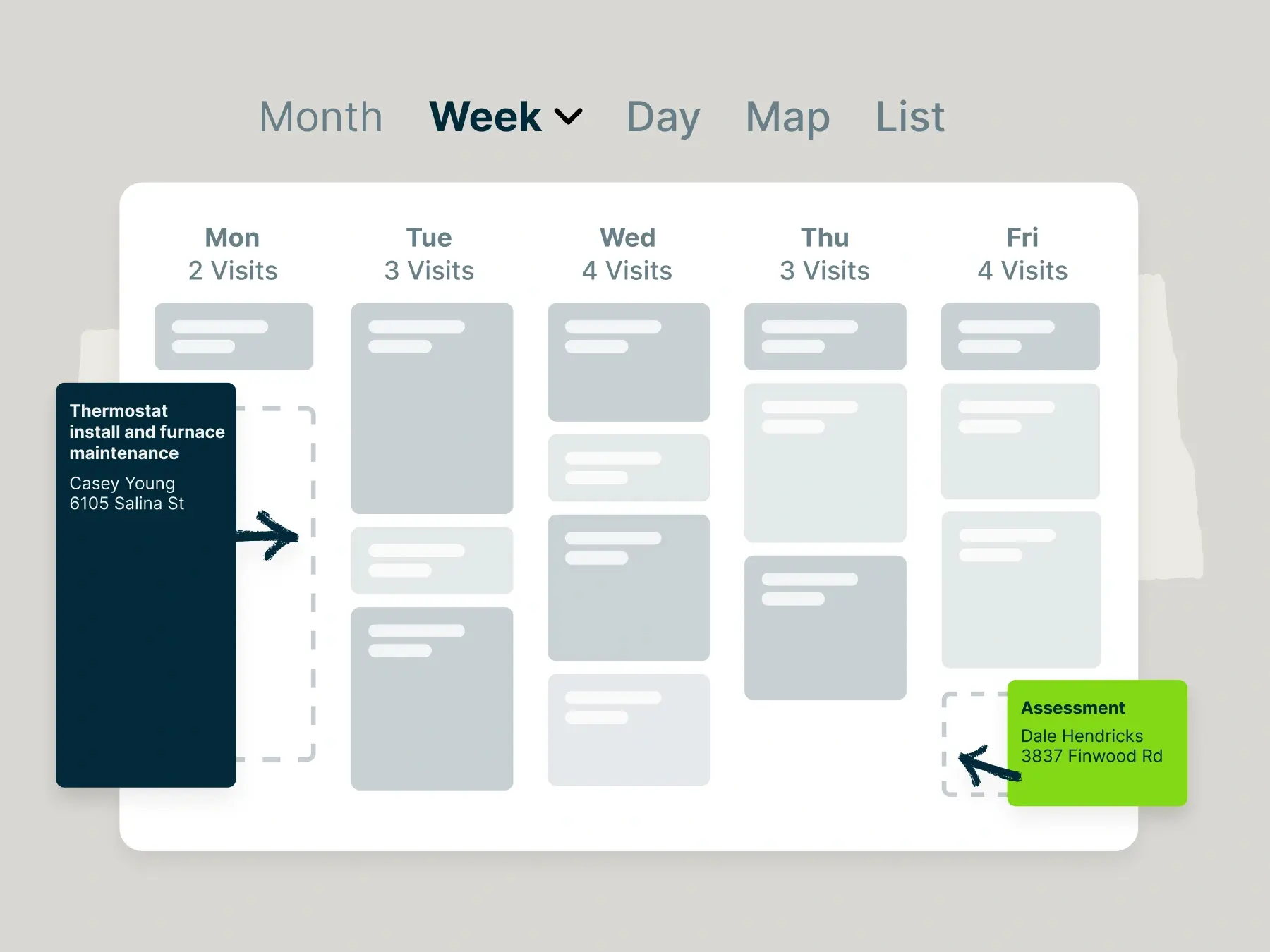
  • Scheduling work and planning fast, fuel-efficient routes to fit more jobs into your day.
  • Automatically sending customer notifications before, during, and after a job.
  • Managing customer information in your plumber CRM, not on paper.
  • Asking for customer reviews after every plumbing job using automatic review collection in Jobber.
  • Instantly creating a plumbing invoice when a job is complete and sending automated follow-ups to ensure you get paid.

Using Jobber Payments to collect payments in person, online, or automatically, depending on the customer’s needs, with an option for the customer to tip.

I remember turning on Jobber Payments a couple of years ago and saving so much time.

I almost saved a full position, trying to call around getting money. That was huge.

As a plumbing business owner, you’re constantly scheduling jobs, responding to emergency requests, and juggling administrative paperwork in between service calls.

With plumbing software like Jobber, use one seamless workflow to manage all your day-to-day tasks. Easily create estimates, schedule plumbers, invoice work, and get paid—all in one place, right from your phone.

READ MORE: Top apps for plumbing contractors

8. Turn website visitors into work requests

By this point in your business journey, you should already have a plumbing website. But depending on how much your business plan has changed, you may need to update the site to better reach your customers.

Keep these tips in mind when you’re updating your website:

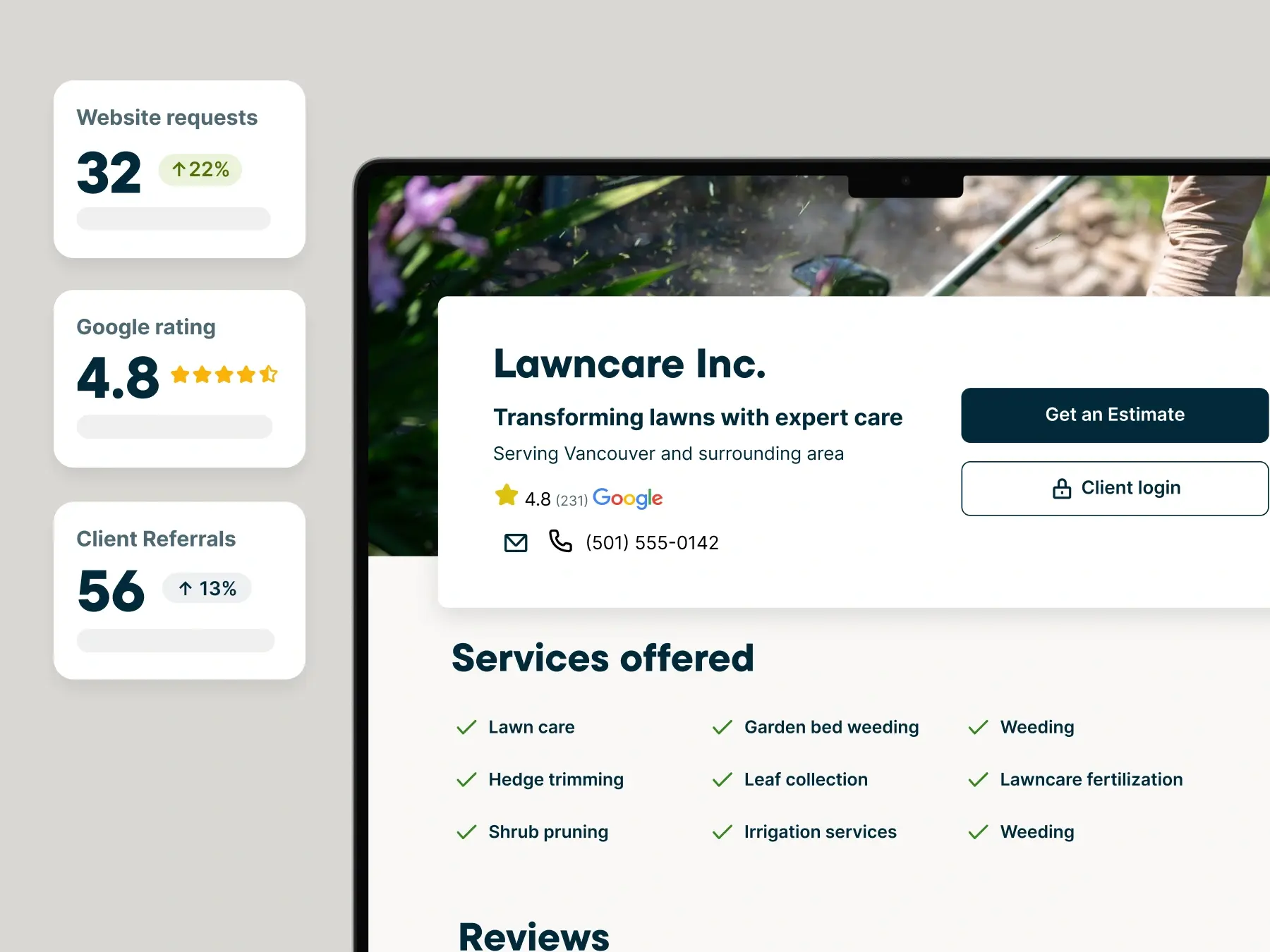
  • Include contact details on every page of your website, like your phone number and email address, so visitors know how to contact you.
  • List services and pricing so visitors know what you offer and what it costs. Your pricing will vary depending on the job, but ballpark pricing helps you land new customers.
  • Include reviews from satisfied customers to prove you’re a qualified plumbing contractor who provides quality services.
  • Give customers a client hub where they can pay invoices using a credit card. (Customers can also request new work, review quotes, and see visit details.)
  • Offer an online booking form that allows customers to request plumbing services. Bookings appear in your team’s calendar based on their availability.
  • Use Jobber’s AI-powered Receptionist to answer calls, respond to texts, accept work requests, and schedule jobs in your calendar—all while you’re out of office.

Need to build a new website from scratch? Jobber can help with that, too. Just share details about your plumbing business and services, and we’ll create a website that makes you stand out.

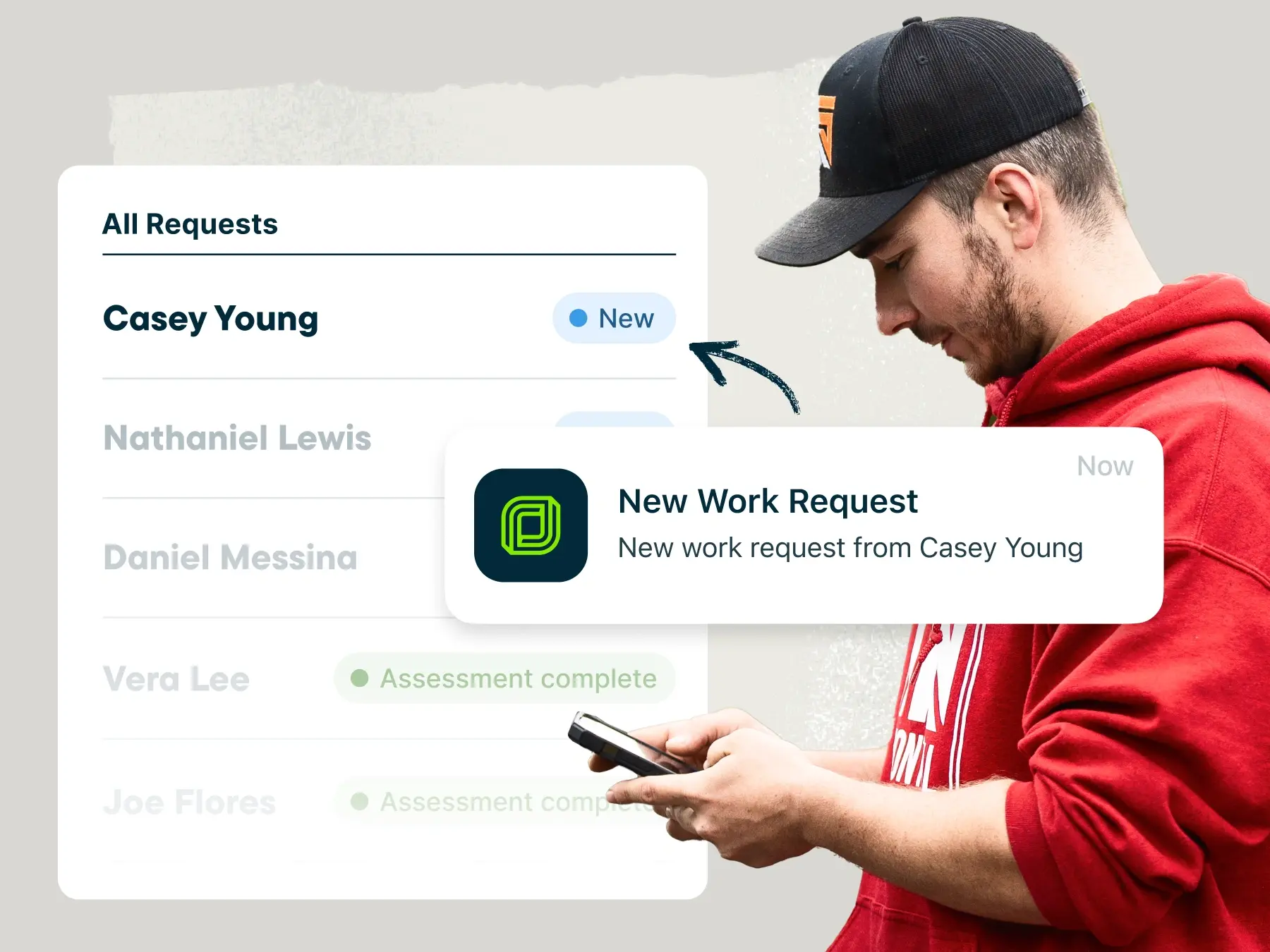
Your new Jobber website will come with a quote request form so customers can easily share details about the job. You can collect, track, and manage these requests in Jobber and turn them into quotes.

image of Precision Plumbing & Heating LLC website build with Jobber
Example of a Jobber plumbing website that allows customers to easily get quotes and book services.

9. Attract potential customers with local SEO

87% of searches for home services start on Google, according to Phil Risher of Phlash Consulting. Local search engine optimization (SEO) helps your plumbing business show up when potential customers look for services on Google and other search engines.

When your company appears at the top of local search results, you get more visibility, website visitors, and booked jobs, without having to pay for it. Try these tactics to start using SEO for plumbers:

  • Claim your Google Business Profile (formerly Google My Business), since this is often the first thing people see when they search for plumbers nearby. You should also get listed in local directories like your community’s Chamber of Commerce listings.
  • Ask for and respond to reviews. Reviews will help boost your visibility in local search results and convince potential customers to choose your business.
  • Use consistent business info. Make sure your name, address, and contact details are the same on your website, Google Business Profile, directory listings, and social media.
  • Add location‑specific keywords to your website content, like “plumber in [City]” or “emergency plumber near me.” This helps your business show up in local search results.
  • Create unique pages for service (e.g., water heater installation, leak repair), so search engines understand what you do and help you appear in relevant results.
  • Add location pages if your service area covers several cities, towns, or regions, or if you have multiple office locations. These pages will help your site show up in search results in these areas.
  • Make your site mobile‑friendly. It’s common for potential customers to search for plumbing services using their phones. A simple design, fast load times, and easy navigation will help them use your site more easily.

10. Advertise your services and get new leads

It’s time to drum up new business and attract customers. One way to do that is with plumbing ads. These ads can be highly targeted, helping you reach your ideal customers in the places where they spend time.

When you’re planning your marketing efforts and sales strategy, consider investing in advertising channels like:

  • Google Ads: Google Ads will help you jump to the top of search engine results when a potential customer searches for a term like “skilled plumber near me.” You can also buy ads that will show up on other websites and bring visitors to your site.
  • Lead generation sites: You can get more plumbing leads through platforms like Angi, Yelp, Thumbtack, and Nextdoor. Try a few platforms and then focus your efforts on the one that’s bringing in the most qualified leads and earning you the most money.
  • TV/radio ads: Consider TV or radio ads if your plumbing business is in a competitive area, has multiple locations, and a sufficient budget. These ads let you quickly reach a large audience with your message, and you can often reuse them for online ads.
  • Print ads: Consider advertising in your local paper, buying ad space in magazines, or getting a billboard. Print and outdoor advertising can be more expensive than other types of marketing, but it also reaches a wide group of potential customers in your area very quickly.
  • Direct mail: With the help of your area’s postal service, you can send targeted mail to people who live in neighborhoods where you want to work. This could include door hangers, flyers, postcards, and brochures.

We were an early adopter to being an online presence with Instagram.

At first we got made fun of. That was challenging. And then when you roll it through now people are like, wow, this company’s doing great.

11. Win new business with local marketing

Your business serves a community, and customers like to work with companies that give back. These are a few examples of plumbing marketing ideas that help reach members of your community:

  • Sponsor community events, local sports teams, and kids’ programs
  • Volunteer at local events (and make sure to wear your branded uniform)
  • Donate a percentage of sales to a charitable cause that’s important to you, like a veterans’ association, homeless shelter, or cancer foundation
  • Donate your services during times of crisis, like a cold snap or natural disaster
  • Accept nominations to provide free services to low-income families

It’s a good idea to build relationships within your local business community, too. Build a network of potential partners who might send work your way, like:

  • Local vendors who can provide plumbing supplies
  • Realtors who can refer your services to people buying and selling homes
  • Other local business owners whose home services complement yours (e.g., electrical, HVAC, roofing)

12. Connect with customers using social media

Social media is an easy way to stay in front of customers and show them the quality of your work. If you aren’t already using social media, it’s a good idea to create a Facebook business page at the very least.

If you currently maintain social media profiles, follow these guidelines to reach your target market in a way that helps you win new work:

  • Show off your work. Post before-and-after photos and quick videos from job sites so followers can see the quality of your plumbing services.
  • Share valuable information. Your posts should include tips, advice, and education on common issues. This helps build trust in your brand, so when local followers need a plumber, you’re top of mind.
  • Highlight your team. Share photos of your techs, shout out good work, or celebrate milestones. Customers like seeing the people who will show up at their door.
  • Post regularly, not all the time. Posting consistently once or twice a week is enough to stay visible and relevant. These don’t have to be perfectly polished, either. People appreciate real and authentic content.
  • Interact with followers. Answer messages, respond to comments, and thank people who leave positive feedback. This makes your business feel approachable and reliable.

13. Stay top of mind with email marketing

Email marketing helps you stay connected with past and potential customers, keeping your business visible long after a job is finished, or even if the person hasn’t hired you yet.

Use email to share helpful updates that remind customers when it’s time to book again. This could include seasonal maintenance reminders, special deals, new services, or tips that help homeowners avoid common plumbing issues.

Regular, low-pressure emails keep your business familiar so customers think of you when they need a plumber. A short monthly or quarterly email can be enough to generate repeat work.

READ MORE: Email template examples and tips

To get started, create an email list for your current customers, then build an email campaign in Jobber. Start with a premade template or your own custom design, and send emails to all customers or only specific client groups.

You can also narrow your audience based on job history, such as customers who haven’t booked in a while or who received a specific service, helping you send more relevant messages that lead to repeat work.

80% of Jobber campaigns turn into booked jobs
80% of Jobber email campaigns turn into booked jobs

You can even see how many jobs the email has created and how much revenue you earned as a result. Track your success by comparing open rates and click rates between your emails.

14. Start a customer referral program to get low-cost leads

The best way to win a new customer is through an existing customer. In fact, 91% of customers are more likely to buy products and services from a brand if a friend recommends it.

Referrals are powerful, which is why you need a customer referral program to create as much word of mouth as possible.

This type of program rewards loyal customers for referring your business to family and friends. You can try customer referral program ideas like:

  • A small refund on the customer’s last invoice or a discount on future service.
  • A personalized gift, branded item, or gift card for a popular retailer.
  • Double-sided incentives where both the customer and their referred friend get a reward.
  • A referral contest where the customer is entered to win a big-ticket item, with one entry for every referral.
  • Donating a set amount to a charitable cause for every referral.
  • Customer loyalty points that can be redeemed for different levels of rewards.

Make a point of asking for referrals after every job. You can do this at the same time you ask for a review. And when a satisfied customer makes a referral, remember to send a thank-you card.

If you’re constantly having to go out and find new clients instead of nurturing the ones that you have, that really changes your strategy.

Manage your referral program in Jobber and easily promote it to customers using a professional email campaign that’s ready to send in seconds flat.

Referrals are automatically tracked through each customer’s unique link, with credits applied to future invoices. You can see how many referrals turned into jobs and how much revenue those referrals generated.

Jobber Referral users have an average win rate of 70%

15. Get more service agreements for recurring revenue

Service agreements help stabilize your plumbing business by creating predictable, repeat work instead of relying only on one-off service calls. This lets you plan your schedule and cash flow more confidently.

Start by offering service agreements that solve customer needs, like annual inspections, drain cleaning, water heater maintenance, or priority response for emergency calls. Keep the terms simple and the pricing easy to understand.

The best time to sell a service agreement is when you’re already on the job. Train your team to explain the benefits during service visits and include agreement options in follow-up emails or invoices. 

Over time, a strong service agreement program can help you build up business during the slow season and keep your business growing steadily.

READ MORE: How to bid plumbing jobs and win more work

16. Create repeat business with outstanding customer service

You can encourage referrals and positive reviews by providing excellent customer service. On average, companies that provide a good experience see 17% revenue growth in 5 years, compared to 3% growth for companies with a poorer consumer experience.

A high level of service happens by design, so it’s best to plan exactly how you’ll do it. Try these ideas for improving your plumbing business’s customer service:

  • Set clear expectations. Tell customers what will happen next, how long the work should take, and what it will cost before the job starts. Clear estimates and timelines help prevent surprises and build trust.
  • Communicate with customers. Jobber’s customer communication features let you send automated reminders and follow-ups to keep customers updated with zero effort. You can use two-way text messaging and send on-my-way texts to stay in touch—and store all your messages in the same place you manage your work.
  • Follow up after service. Send a customer service follow-up email after the job’s done. This shows customers you care about the quality of your work. It’s also an opportunity to ask for feedback, request a review, and remind them about maintenance services.
  • Send customer thank-you notes. Show your appreciation with a handwritten card or personalized message after a first-time service or after a large install. Thank the customer for choosing your business and remind them you’re always available to help.
  • Start using a CRM. A plumbing CRM helps you keep track of customer details, from their name and address to the make and model of the hot water tank you installed. This lets you provide detailed, attentive service to every customer.

17. Grow your skills through professional development

Even if you’re a master plumber, there’s still plenty of room to learn as the plumbing industry evolves and as you continue growing your business.

Try these ideas for growing your industry knowledge and building a successful plumbing business:

18. Get off the truck and focus on business growth

Taking yourself out of the day-to-day is the hardest part of growing your plumbing business. It’s also the most important, whether you want to sell the business or simply take back your time.

Follow this process to start stepping back and ensure the business is able to run without you:

  1. Train your team to complete tasks the way you want them done, then hand over future training to one of your most senior employees.
  2. Each week, delegate a few regular tasks (or tasks you don’t want to do anymore) to a qualified employee. Keep doing this until all of your field work has been assigned to someone else.
  3. If you want to step back from the business altogether, hire an office manager and delegate admin tasks, too. This is helpful if you want to retire or start a second business.
  4. Go on vacation. Start with a long weekend, then take a week off, and aim for a month out of the office. If you can take that much time off without any problems, you’ve successfully gotten off the truck. Now you get to figure out what comes next!

You actually have the time to work on how to make a profit.

You’re not worried about doing all the work. You’re not worried about going to all the job sites. You’re empowering your team to do it.

Start growing your plumbing business now

Growing a profitable and successful plumbing business takes a solid plan with clear goals and a dedicated team that can get the job done.

Focus on making steady improvements over time. With the right foundation, you can take on more work while maintaining service quality, helping you create sustainable growth for your plumbing business.

This article was originally published on January 25, 2025. Last updated January 14, 2026.